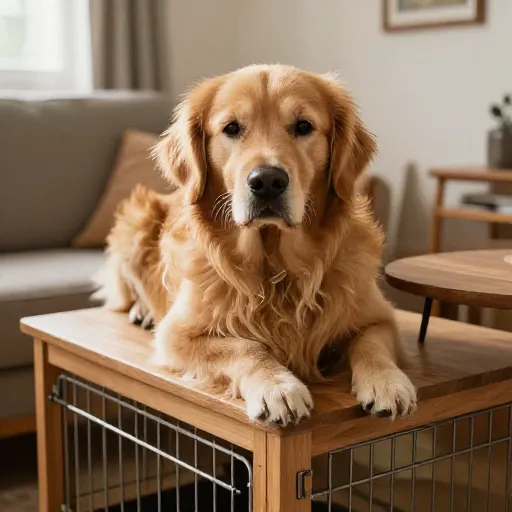
12 Recall Training Tips to Get Your Dog Coming Back Every Time
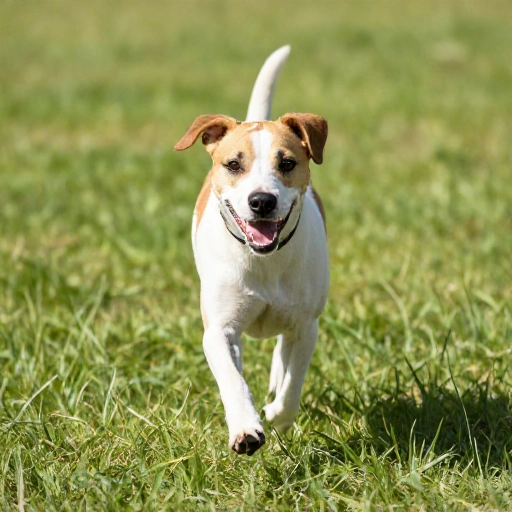
Let’s be real: there’s nothing quite like that moment when you call your dog’s name and they just keep sniffing that patch of grass like you don’t exist. I’ve been there. It’s frustrating, a little embarrassing, and honestly, a little scary if you’re near a busy road. A solid recall isn’t just a neat party trick — it’s the foundation of a safe, happy, and off-leash life together.
The good news? You don’t need a super genius dog to achieve a reliable “come” command. You just need patience, the right mindset, and a few practical tips that actually work in the real world. I’ve gathered my favorite strategies that helped turn my stubborn pup into one who actually wants to come back. Let’s get started.
1. Start Indoors with Zero Distractions
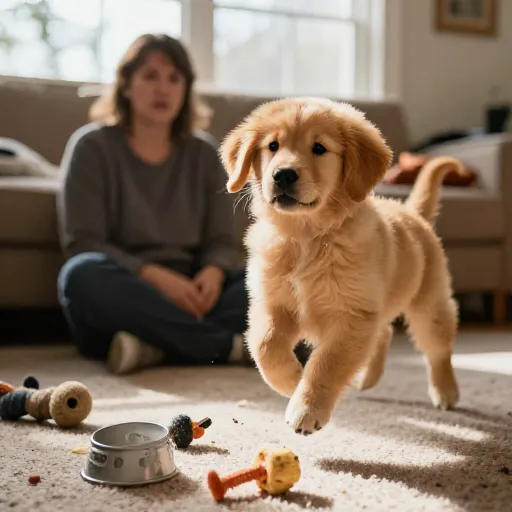
Before you even think about taking this show on the road, practice in your living room or hallway. Your dog needs to win at this game before you add any distractions. Grab some high-value treats — think tiny pieces of chicken, cheese, or hot dog — and simply call your dog from just a few feet away.
When they come, be the most exciting person in the room. Use a happy voice, give the treat, and let them go back to sniffing. Keep sessions short, like two minutes. You’re building a habit where coming to you is always a good thing, not the end of playtime.

2. Use a Special “Emergency” Word
Your dog probably hears “come here” a dozen times a day for things they don’t like, like getting their nails trimmed or leaving the dog park. That word gets worn out fast. Pick a unique word you never use in normal conversation — like “popcorn,” “wagon,” or “dingo” — and save it only for recall.
Start pairing that word with amazing rewards. Say the word, then immediately give a treat. Do this randomly around the house. Eventually, that word will have a stronger pull than any squirrel. It’s your secret weapon for emergencies.
3. Never Call Your Dog for Something They Hate
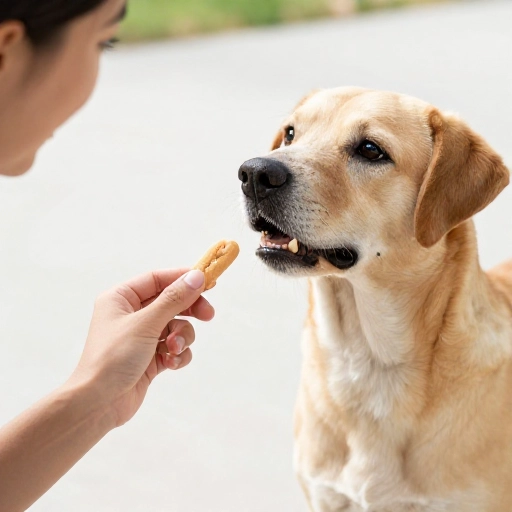
This one is huge. If you call your dog to come, and then you immediately put them in the bath, clip their nails, or leave the park, they’ll learn that “come” means “fun stops.” Dogs remember patterns. You want coming to you to predict good things, not chores.
A simple fix: call your dog, reward them, and then let them go back to playing. If you absolutely must do something boring (like go inside), call them, give a treat, walk a few steps, give another treat, and keep it positive. Make it feel like a game.
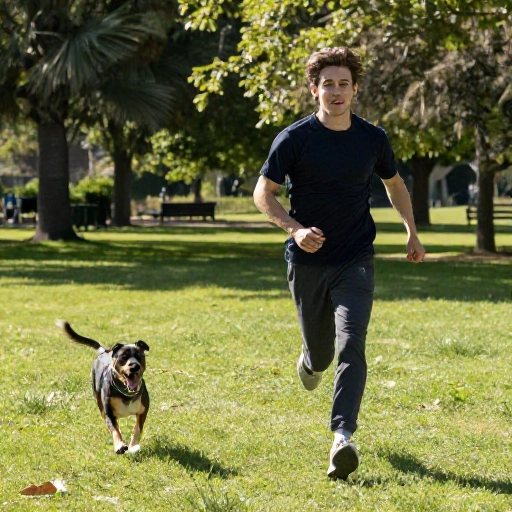
4. Play the “Run Away” Game
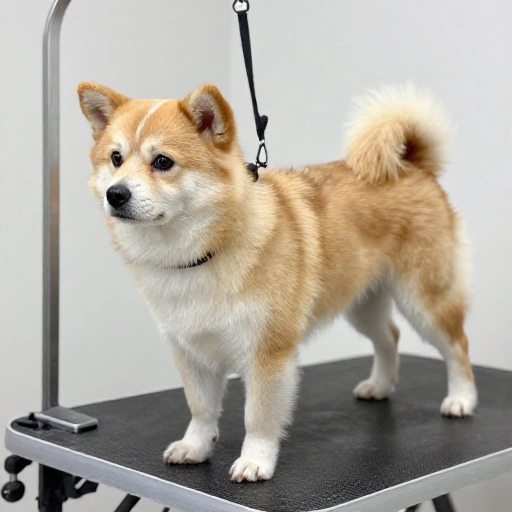
Dogs naturally want to chase things that run away from them. Use this instinct to your advantage. When your dog is looking at you, turn around and run in the opposite direction while calling their name in a super excited voice. Clap your hands, be silly.
Most dogs will sprint after you because it’s fun. When they catch up, throw a little party with treats and pets. This game teaches your dog that coming to you is an exciting chase, not a boring chore. Plus, it’s hilarious to watch.
5. Reward the Check-In, Not Just the Come
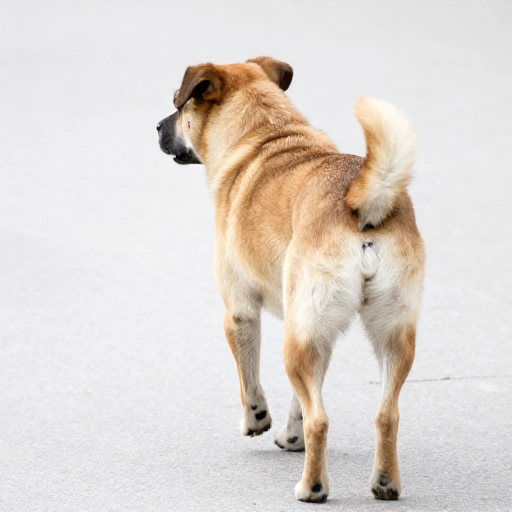
Sometimes the best recall is the one you never have to ask for. If your dog walks away from you on a trail and then glances back, mark that moment. Say “yes!” or “good!” and toss a treat near them. You’re teaching them that checking in with you pays off.
This builds a natural habit of staying close. Dogs who learn that you are a treat dispenser will start voluntarily orbiting you. It makes recall feel less like a command and more like a partnership.
6. Use a Long Line for Real-World Practice
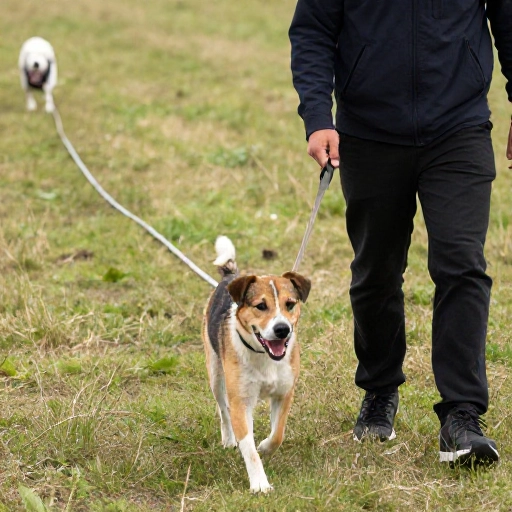
You cannot practice recall in a fenced area forever. Eventually, you need to test it in the real world, but you need a safety net. A 15- or 30-foot long line leash is perfect. It gives your dog freedom to roam, but you have control if they decide to ignore you.
Let them sniff and wander, then call them. If they don’t come, gently reel them in like a fish. Once they reach you, reward them big. Don’t yank or get angry — just guide them in. The long line builds reliability without risk.
7. Mix Up Your Rewards
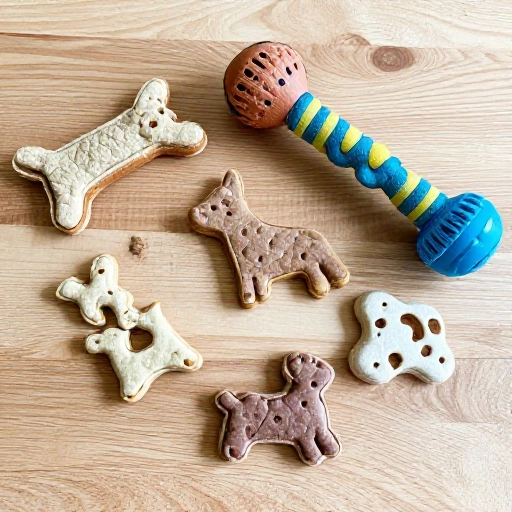
Treats are great, but they can get boring. Some dogs go bonkers for a squeaky toy, a game of tug, or a handful of thrown kibble in the grass. Pay attention to what your dog really loves in that moment. Maybe it’s rolling in the leaves or chasing a bubble.
When you call your dog and they come, give them the best thing ever. If they love tug, have a tug toy in your pocket. If they love sniffing, let them sniff your hand. The reward should be as exciting as whatever they left behind.
8. Practice in Short, Frequent Bursts
Dogs learn faster in short, fun sessions than one long, boring one. Try doing one minute of recall practice while you wait for coffee to brew, or while you’re watching TV. Call your dog from across the room, reward, release. That’s it.
Five or six tiny sessions a day are way more effective than one twenty-minute drill. It keeps the behavior fresh and the dog excited. Plus, it’s easy to fit into a busy schedule. No special equipment needed — just you and a few treats.

9. Don’t Repeat Yourself
If you say “come” and your dog ignores you, and then you say “come, come, come” louder, you are teaching them that the first three calls are irrelevant. They learn they can wait until you sound desperate. That’s not good for anyone.
Say the cue once. If they don’t come, use your long line, or run away, or make a weird noise to get their attention. Then try again. You want your dog to learn that the first call is the one that matters. Silence is powerful here.
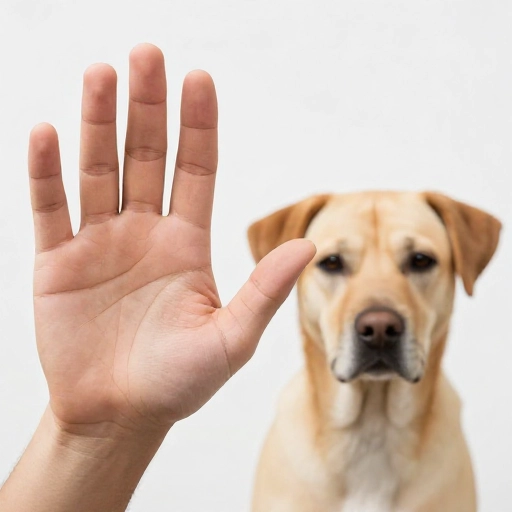
10. Make Yourself More Interesting Than the Environment
Let’s be honest: you’re competing with smells, squirrels, and other dogs. You need to be more interesting than those things. That doesn’t mean being loud or bossy. It means being unpredictable. Squat down, clap softly, roll a treat on the ground, or lie down on the grass.
When you act weird, dogs get curious. Curiosity brings them closer. When they get close, reward them. You’re teaching them that you are the source of all good, weird, fun things. That’s a powerful lesson for a distractible dog.
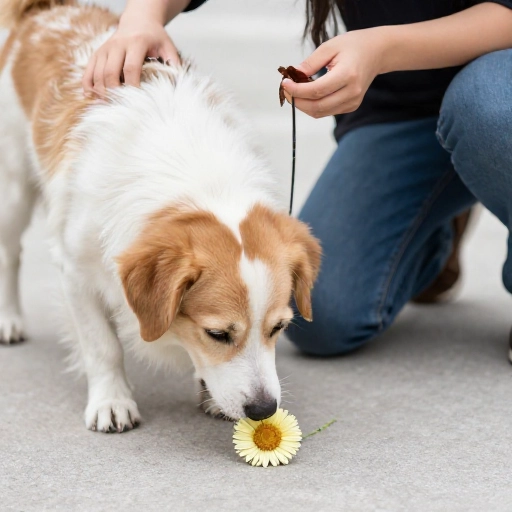
11. Practice Recall During Play
Some of the hardest times to get a recall are when your dog is mid-fetch or wrestling with a buddy. That’s exactly why you need to practice in those moments. Call your dog away from the toy, reward them, and then immediately throw the toy again.
This teaches them that coming to you doesn’t mean the fun ends. It means the fun gets a little pause, a treat, and then continues. Over time, your dog will learn to break away from play because they trust you’ll let them go back.
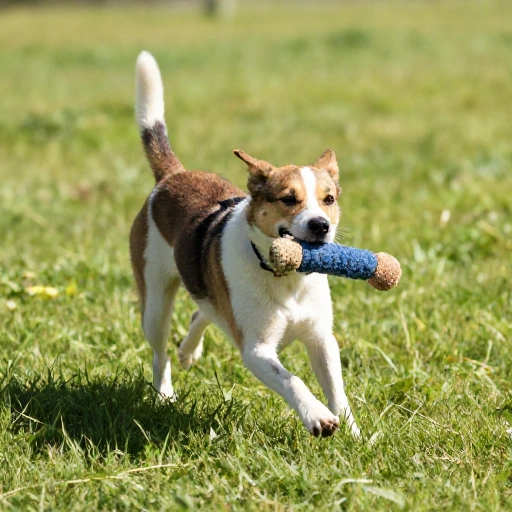
12. Always End on a High Note
Quit while you’re ahead. If your dog comes back perfectly three times in a row, stop the session. Don’t push for one more rep. Dogs learn best when they’re still excited and successful. If you end when they’re tired or frustrated, they’ll start dreading the game.
Ending on success builds confidence. It also makes your dog look forward to the next session. A happy, successful ending is the best way to build a lifelong habit of coming when called.
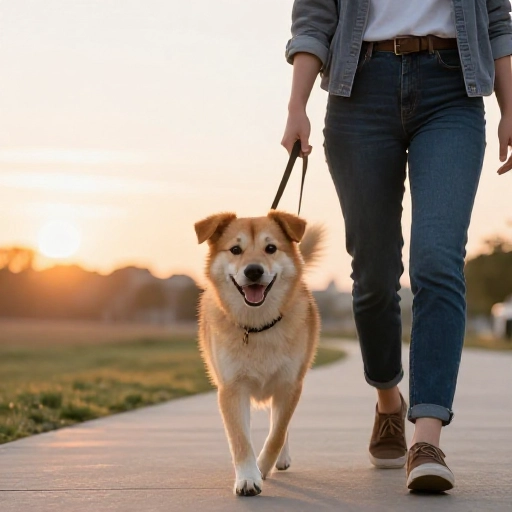
Conclusion
Getting a reliable recall is not about having a perfectly trained dog. It’s about building a relationship where your dog genuinely wants to be near you. Every time you call them, you’re saying, “I have something good for you.” Over time, that message sinks in.
Be patient. Celebrate the small wins. If your dog comes back after a long sniff session, that’s a victory. Keep practicing, keep it fun, and remember: you are the best thing in your dog’s world. You just need to remind them sometimes.
[[IMG:IMG14]]
Frequently Asked Questions
How long does it take to train a reliable recall?
It really depends on your dog’s personality and past experiences. Some dogs get it in a few weeks, while others need months of consistent practice. The key is patience and not rushing into high-distraction environments too soon.
What if my dog runs away when I call them?
First, don’t chase. That turns it into a game for them. Instead, run the other way or make a silly noise. If they still don’t come, go back to a long line and practice in a less distracting area. You may need to rebuild the positive association from scratch.
Can I use treats forever, or will my dog get spoiled?
You can gradually reduce treat frequency, but never stop rewarding entirely. A random jackpot treat (like a piece of steak) once in a while keeps the behavior strong. Think of it like a slot machine — the unpredictability makes it more exciting.
What if my dog only comes when I have food?
That’s totally normal. Start hiding treats in your pockets or a treat pouch. You can also use toys or praise as rewards. The goal is for your dog to associate you with good things, not just food. Mix it up.
Is it ever too late to teach an old dog recall?
Not at all. Older dogs can learn new tricks, though it might take a little more patience if they have a long history of ignoring you. Use high-value rewards and keep sessions short. It’s never too late to build a stronger bond.
[[IMG:IMG15]]