7 Quick DIY Wet Cat Food Recipes Your Feline Will Love
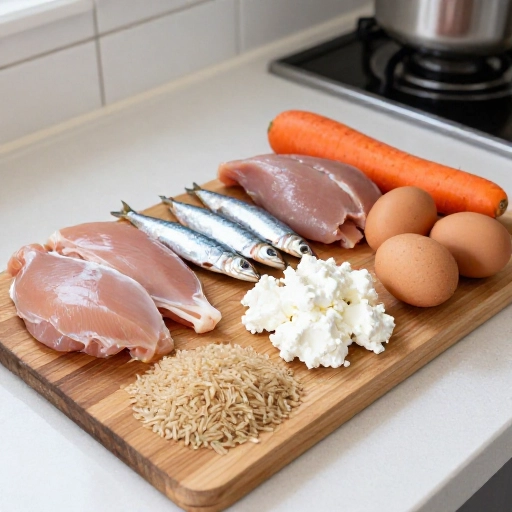
Let’s be honest—our cats are picky little food critics. I’ve spent way too much money on fancy wet food only to have my cat sniff it and walk away. That’s when I decided to try making my own. Turns out, it’s surprisingly easy and way healthier than most store-bought options.
These seven recipes use simple ingredients you probably already have in your kitchen. No weird supplements or complicated steps. Just real food that your cat will actually eat. Plus, you’ll know exactly what’s going into their bowl—no mystery meats or questionable fillers.
Before we dive in, a quick heads-up: always check with your vet before changing your cat’s diet, especially if they have health issues. Now let’s get cooking!
What You’ll Need to Get Started
You don’t need fancy equipment for these recipes. A small saucepan, a cutting board, and a sharp knife will do most of the work. I also keep a mini food processor handy for blending everything into a smooth pâté texture—my cat prefers that over chunky bits.
For storage, grab some small glass jars or silicone ice cube trays. The trays are perfect for freezing single portions. Just pop one out, thaw it in the fridge overnight, and you’re good to go.
One more thing: always use human-grade meat and avoid seasonings. Cats don’t need salt, garlic, or onions—those are actually toxic to them. Keep it simple and fresh.
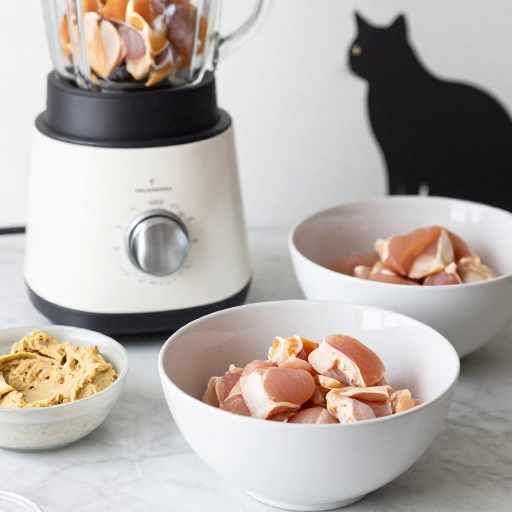
Recipe 1: Simple Chicken Pâté
This is the recipe I started with, and it’s still my cat’s favorite. It’s basically just chicken and water.
Ingredients: 1 cup boneless skinless chicken breast, ¼ cup water or low-sodium chicken broth (no onions or garlic).
Instructions: Boil the chicken until fully cooked—about 15 minutes. Let it cool, then shred or chop it into small pieces. Add the water or broth and blend in a food processor until smooth. Serve at room temperature.
Why this works: It’s simple, gentle on sensitive stomachs, and packed with protein. Most cats go crazy for it.
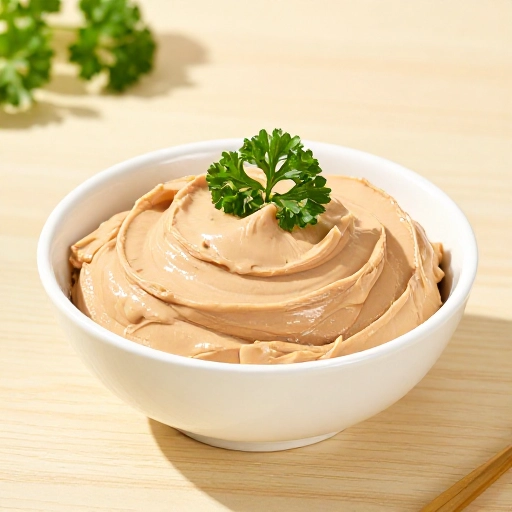
Recipe 2: Tuna Treat Mash
This one is perfect for picky eaters. Just don’t overdo it—tuna should be an occasional treat, not a daily meal.
Ingredients: 1 can of tuna in water (no salt added), 1 tablespoon plain pumpkin purée (not pie filling).
Instructions: Drain the tuna well. Mash it with a fork, then mix in the pumpkin purée until combined. That’s it. No cooking required.
Why this works: The pumpkin adds fiber, which helps with digestion. And tuna has that strong smell that most cats find irresistible.
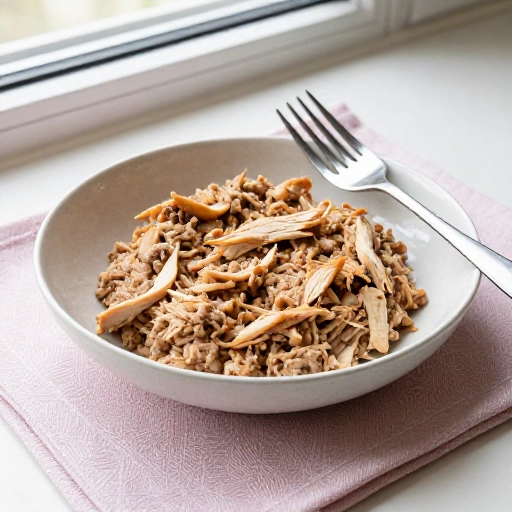
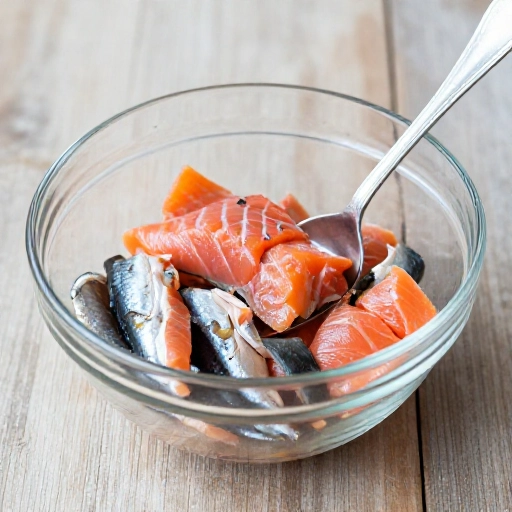
Recipe 3: Salmon & Sardine Delight
Fish lovers, this one’s for your cat. Sardines are tiny but packed with omega-3s, which are great for their coat and joints.
Ingredients: ½ cup cooked salmon (no skin or bones), 1 sardine packed in water (drained), 1 tablespoon water.
Instructions: Flake the salmon and sardine together with a fork. Add the water and mix until it reaches a moist, spreadable consistency. You can leave it chunky or blend it smooth.
Why this works: The combination of salmon and sardine gives a flavor punch that’s hard to resist. Plus, those healthy fats are a bonus.
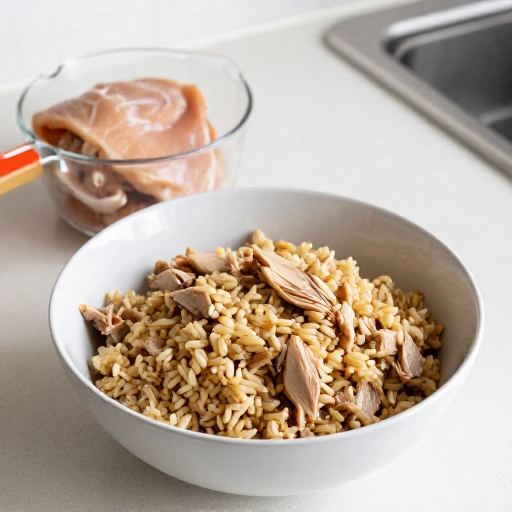
Recipe 4: Turkey & Rice Bowl
This recipe is a bit heartier—great for cats who need extra calories or have sensitive tummies.
Ingredients: ½ cup ground turkey (cooked), 2 tablespoons cooked white rice (plain), 1 tablespoon water.
Instructions: Brown the turkey in a pan without any oil. Drain any excess fat. Mix in the cooked rice and water, then mash together until well combined. Serve warm or at room temperature.
Why this works: Rice is easy on the stomach, and turkey is a lean protein that most cats tolerate well. It’s like a comfort meal for your feline.
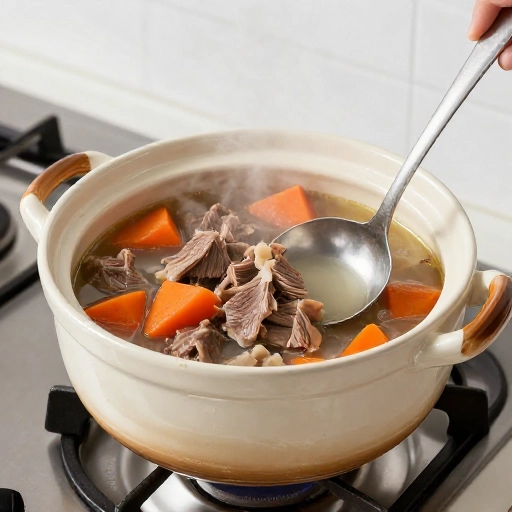
Recipe 5: Beef & Carrot Stew
Yes, carrots are safe for cats in small amounts. They add a touch of sweetness and some extra vitamins.
Ingredients: ½ cup lean ground beef (cooked), 2 tablespoons finely grated carrot (steamed until soft), 2 tablespoons water.
Instructions: Cook the beef until no longer pink. Drain the fat. Steam the grated carrot until tender—about 5 minutes. Mix everything together and blend or mash to your cat’s preferred texture.
Why this works: Beef has a strong, savory flavor that many cats love. The carrot adds a little color and nutrition without being overwhelming.
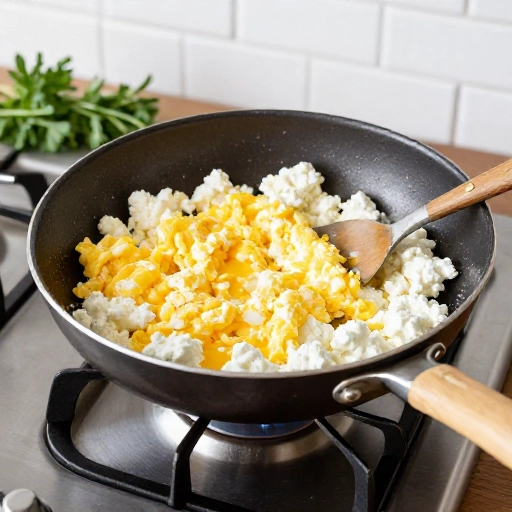
Recipe 6: Egg & Cottage Cheese Scramble
This is my go-to when I’m out of meat. It comes together in under five minutes.
Ingredients: 1 large egg (cooked plain), 1 tablespoon low-fat cottage cheese.
Instructions: Scramble the egg in a non-stick pan with no oil or butter. Let it cool. Mix in the cottage cheese and mash together with a fork. Serve immediately.
Why this works: Eggs are a complete protein, and cottage cheese adds creaminess. Just check that your cat isn’t lactose intolerant—most cats handle small amounts fine.
Recipe 7: Mixed Fish Medley
This one uses whatever fish you have on hand. It’s flexible and forgiving.
Ingredients: ¼ cup cooked white fish (cod or tilapia), ¼ cup cooked shrimp (no shells), 2 tablespoons water.
Instructions: Cook the fish and shrimp until opaque and fully done. Let cool, then chop or blend with the water until you get a smooth paste. Adjust water for desired consistency.
Why this works: The variety keeps things interesting for your cat. Plus, white fish and shrimp are low in fat and easy to digest.
[[IMG:IMG09]]
Conclusion
Making your own wet cat food doesn’t have to be complicated. These seven recipes prove that with just a few simple ingredients, you can whip up healthy, tasty meals your cat will love. Start with one recipe—maybe the chicken pâté—and see how your cat reacts. You might be surprised at how much they enjoy homemade food.
Remember to rotate recipes every few days to keep things interesting. And always store leftovers in the fridge for up to three days or freeze for longer storage. Your cat will thank you with purrs and happy meows.
[[IMG:IMG10]]
Frequently Asked Questions
Can I feed my cat these recipes every day?
These recipes are meant as supplements or occasional meals, not a complete daily diet. Commercial cat food is formulated to meet all nutritional requirements. For a balanced homemade diet, consult your vet about adding supplements like taurine.
How long do these recipes last in the fridge?
Most will stay fresh for 2–3 days in an airtight container. I recommend making small batches and freezing extras in ice cube trays for convenience.
My cat won’t eat the homemade food. What should I do?
Try warming it slightly to release the aroma. You can also mix a small amount with their regular food and gradually increase the ratio. Some cats need time to adjust to new textures.
Are there any ingredients I should avoid?
Yes. Never use onions, garlic, salt, spices, or artificial sweeteners. Also avoid fatty meats, raw eggs, and bones. Stick to plain, cooked ingredients with no seasonings.
Can I use raw meat in these recipes?
I don’t recommend it unless you’re following a specific raw diet plan from your vet. Raw meat can carry bacteria that might make your cat or your family sick. Cooking is safer and easier.