The 10 Best Ways to Bathe a Cat Without Getting Scratched (I Promise)
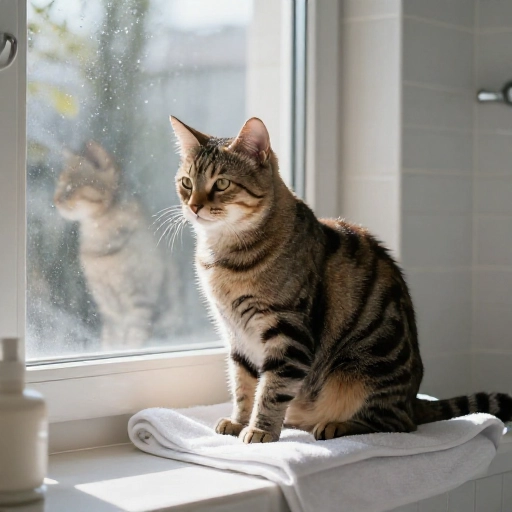
Let’s be honest. The idea of bathing a cat sounds like a comedy sketch waiting to happen. Flailing paws, flying fur, and a soundtrack of dramatic yowls. I’ve been there. My arms looked like I’d wrestled a rose bush.
But sometimes, a bath is unavoidable. Maybe your cat got into something sticky, has a skin condition, or is just extra muddy. The good news? You can actually do this without looking like you lost a fight. The trick is all in the prep, the calm, and a few ninja-level techniques.
Here are my tried-and-true, scratch-free methods for giving your cat a bath. I wrote this from experience, so you can skip the battle scars.
1. The Pre-Bath Pawdicure
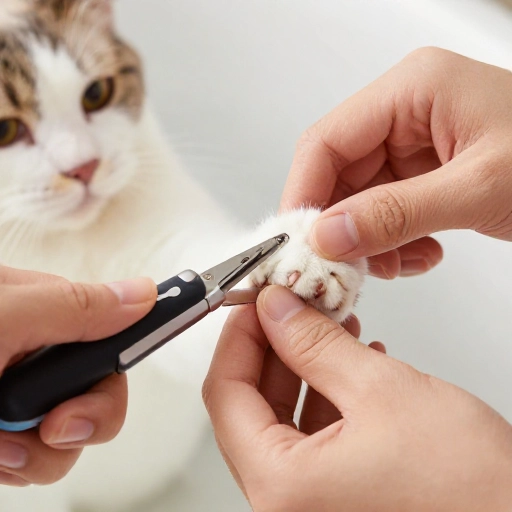
This is the secret weapon most people skip. Before the water even runs, trim your cat’s nails. A short, blunt nail does a lot less damage than a razor-sharp one.
If your cat is nervous about nail trims, just do the front paws. That’s where the real action happens. You don’t need to be perfect—just take the tips off. This one step cuts your scratch risk in half.
I always do this the night before, so there’s zero association with the bath. It’s just a calm, separate event.
2. The Towel-Cocoon Maneuver
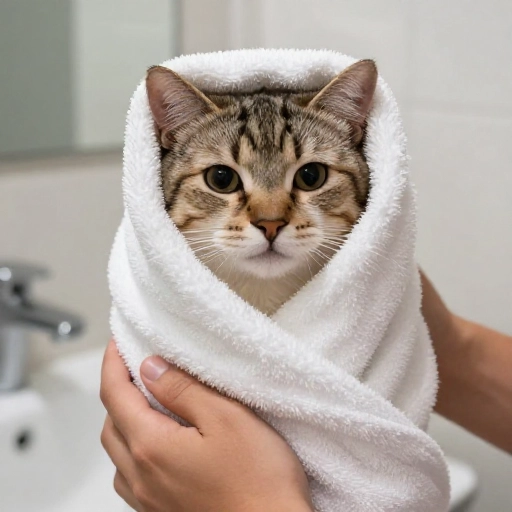
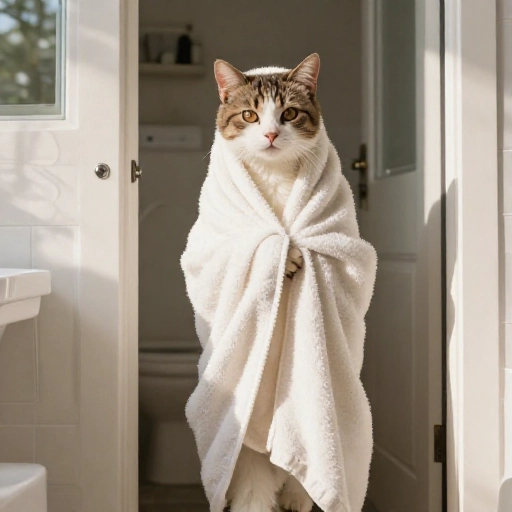
Think of this as your cat’s spa robe. Before you lift your cat, wrap them snugly in a thick, warm towel. Leave only the head and the dirty part exposed. This instantly calms many cats and gives you a handle.
You can even use a second towel to secure the legs. It’s like a purrito, but for washing. The towel absorbs their panic and gives you a barrier.
Once they’re wrapped, you can lower them into the water gently. The towel will get wet, but that’s okay. It keeps the claws busy.
3. The Two-Bucket System
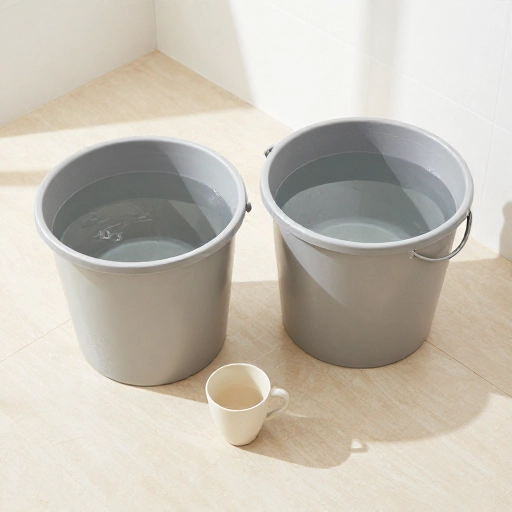
Forget the running faucet. That sound is terrifying to most cats. Fill two buckets (or large bowls) with lukewarm water before you start. One for washing, one for rinsing.
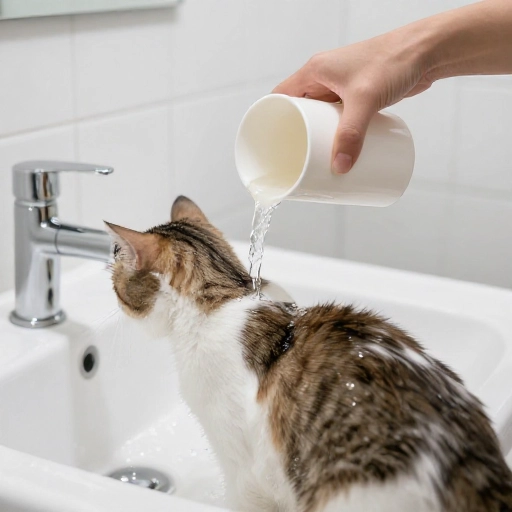
Use a cup or a small pitcher to pour water over your cat’s body. Never pour it on their head—that’s a fast track to panic. Keep the water flow slow and steady.
This method lets you control the entire environment. No splashing, no loud noises, just quiet water. It’s so much calmer.
4. The Sink vs. Tub Decision
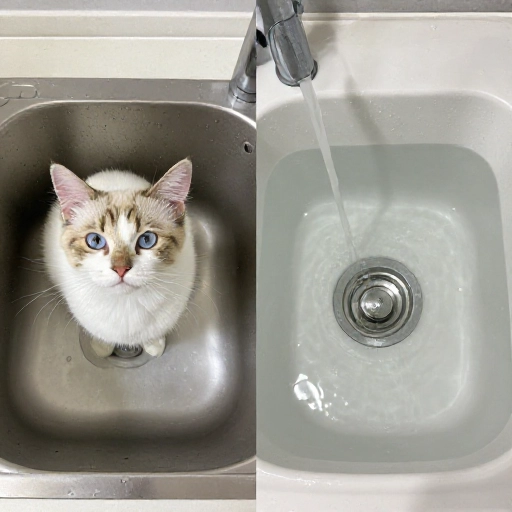
I learned this the hard way. A bathtub is huge and echoey. It feels like an arena to a cat. A kitchen sink is smaller, warmer, and easier to control.
If you have a deep, wide sink, use it. Place a rubber mat or a folded towel on the bottom so your cat doesn’t slip. Slipping is what triggers the claws.
If you must use a tub, sit in it with your cat. Having your body there makes it feel less like a trap and more like a shared experience.
5. The Lickable Distraction
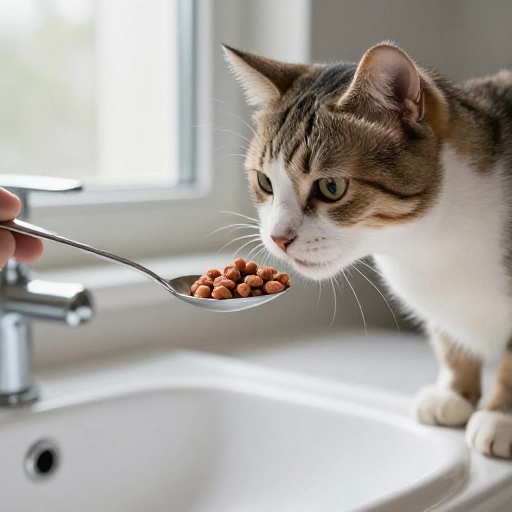
This is my absolute favorite hack. Get a lickable cat treat (the kind in a tube). Smear a big dollop onto the side of the sink or tub, just above the water line.
Your cat will be so focused on licking the treat that they will forget they are in water. It works like magic. I’ve bathed entire cats while they happily licked away.
If your cat isn’t food motivated, try a toy or just gentle chatter. But the lickable treat is a game-changer.
6. The Ladder Grip (For the Legs)
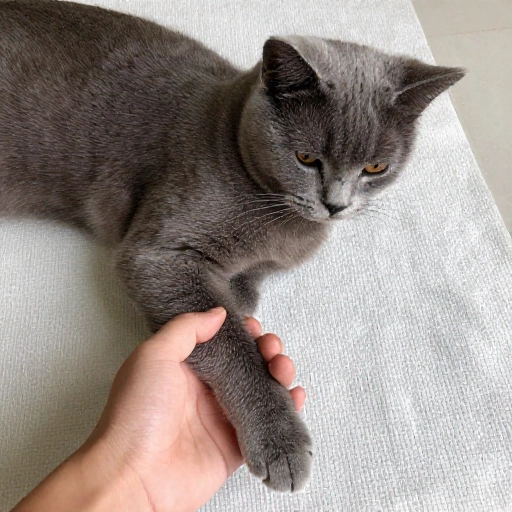
If your cat tries to climb out, don’t grab them. That triggers the panic scratch. Instead, use a “ladder grip.” Place one hand gently on their chest and the other on their back, just behind the shoulders.
This gives you control without squeezing. It also lets your cat feel supported. They won’t panic as much if they don’t feel like they’re falling.
For the back legs, let them rest on your arm. Cats hate having their legs dangled. Give them a solid surface to stand on.
7. The Water Temperature Test
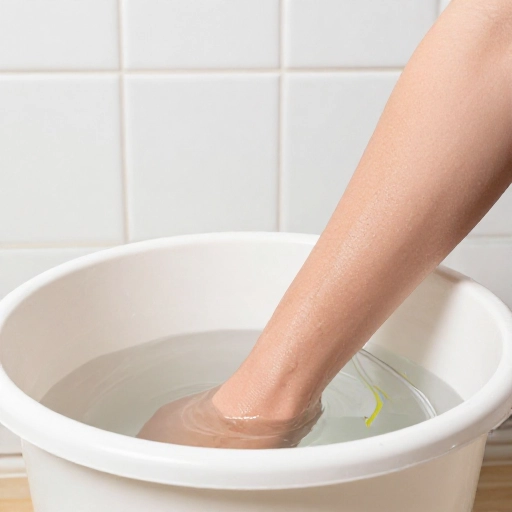
I cannot stress this enough. Cats are very sensitive to temperature. Water that feels warm to you might be too hot or too cold for them. Test it on your inner wrist, like you would for a baby.
Lukewarm is the goal. Not hot, not cold. If the water is uncomfortable, your cat will fight. If it’s just right, they might even relax a little.
I always run the water a few seconds before I start, so it’s not a shock when their paws touch it.
8. The No-Head Rule
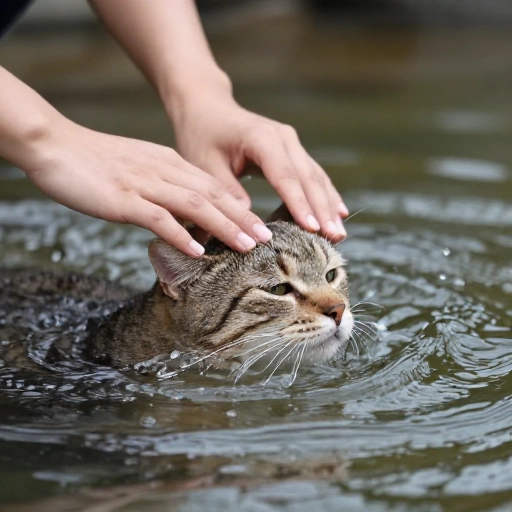
Never, ever pour water on your cat’s head. That’s the number one way to get scratched. Cats hate having water in their ears, eyes, and nose.
Instead, use a damp washcloth to gently wipe their face. Start at the back of the neck and go forward. It’s much less invasive.
If their head is dirty, just use the cloth. It works perfectly and keeps the panic away.
9. The Quick Rinse Technique
Soap is the enemy of a calm bath. Use the smallest amount possible. A pea-sized drop of cat-safe shampoo is plenty for a whole cat. Lather it gently, then rinse fast.
Long baths are boring and stressful. Aim for a total time of under five minutes. The faster you are, the less time they have to think about scratching.
Keep a cup of clean water ready for rinsing. Dump it all at once, then get them out. Speed is your friend.
10. The Post-Bath Escape Plan
Have a thick, warm towel waiting right next to the sink or tub. The moment you’re done rinsing, scoop your cat up and wrap them completely. Do not drip water everywhere—that makes them cold and angry.
Blot, don’t rub. Rubbing can tangle fur and create static. Just press the towel gently to soak up water. Then let them air dry in a warm, quiet room.
Give them a treat immediately. This builds a positive memory. Next time, they might not hate it so much.
Conclusion: You’ve Got This
Bathing a cat without getting scratched isn’t about being faster or stronger. It’s about being smarter. A little prep, a calm environment, and a few tricks go a long way. Your cat will still probably give you the silent treatment for an hour, but you’ll both survive with your skin intact.
Remember: patience beats panic every time. Good luck, and happy bathing.
Frequently Asked Questions
How often should I bathe my cat?
Most cats don’t need baths at all. They groom themselves. Only bathe if they are very dirty, have a skin issue, or your vet recommends it. Once every few months is plenty.
What if my cat absolutely hates water?
Try a waterless shampoo or cat wipes first. If a full bath is needed, use the towel-cocoon method and keep it very short. Some cats just hate water, and that’s okay.
Can I use human shampoo on my cat?
No. Human shampoo is too harsh and can dry out their skin. Always use a shampoo made specifically for cats. It’s gentler and safer if they lick it off.
What if I still get scratched?
Clean the scratch with soap and water immediately. If it’s deep, see a doctor. Don’t blame your cat—they were scared. Just try a different method next time.
Should I give my cat a bath if they are scared?
If your cat is panicking, stop. You can try again later with more prep. A scared cat will fight harder. Sometimes, a damp cloth is better than a full bath.