15 Small Space Cat Houses for Outdoor Safety (That Actually Look Cute)
If you have a tiny patio, a balcony, or just a sliver of a yard, you probably think a proper outdoor cat house is out of the question. I used to think the same thing. My porch is barely big enough for a bistro set, so I figured my outdoor-loving cat was out of luck.
Then I realized that small space cat houses aren’t just about squeezing something in. They’re about giving your cat a safe, cozy spot to watch the world without being exposed to weather, traffic, or other animals. And honestly, the compact designs are often smarter than the big bulky ones. Here are 15 clever ideas that work for even the tightest outdoor spaces.
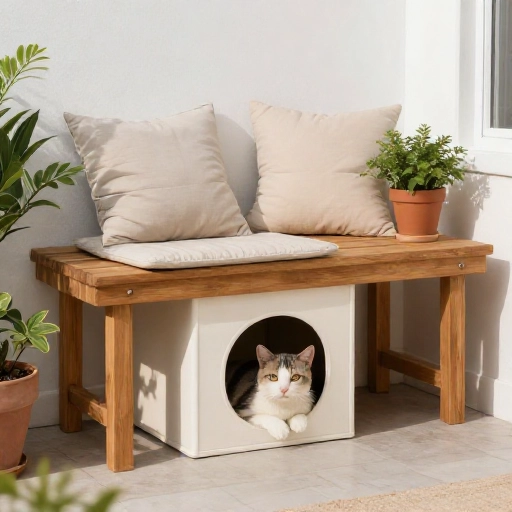
1. The Under-Bench Hideaway
If you have a bench on your patio, the space underneath is prime real estate. You can slide a low-profile, weatherproof cat house right under it. This keeps it out of the rain and gives your cat a dark, secure feeling spot.
It saves floor space completely and looks intentional. Plus, your cat can still see your feet and legs, which is a comfort for them. It’s basically a covered porch for your cat.
Look for a house that’s more wide than tall. You don’t need height; you need length and depth for them to stretch out.
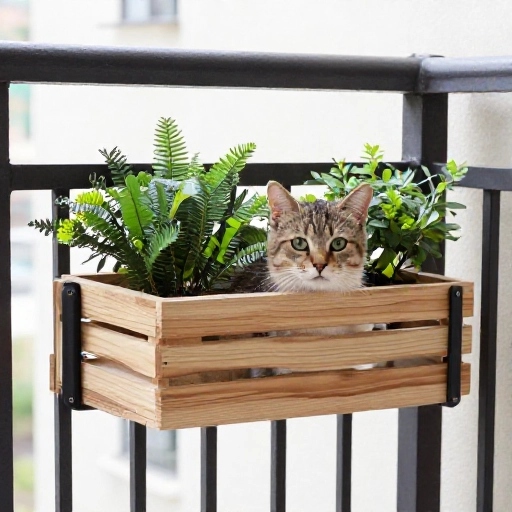
2. The Balcony Rail Planter Box Conversion
This is one of my favorite tricks. Get a deep planter box (the kind that attaches to the inside of a balcony railing). Instead of flowers, you’ll put a small, insulated cat shelter inside it. The railing provides the back wall, and the box gives you a ready-made frame.
Just make sure the box is deep enough for a cat bed and that you add a flap or a small roof over the top. It’s elevated, which cats love, and it takes up zero floor space.
You’ll need to secure it well with zip ties or clamps. Safety first.
3. The Staircase Nook
Do you have a few steps leading to your front door? The odd corner where the step meets the wall is a perfect cat-sized hideaway. A triangle-shaped cat house fits perfectly into this wasted space.
You can build one easily from plywood, but you can also buy compact, wedge-shaped shelters designed for corners. They look neat and tidy, and they’re protected from wind because the wall is on two sides.
This is a great spot for a shy cat who wants to be near the action but still feel hidden.
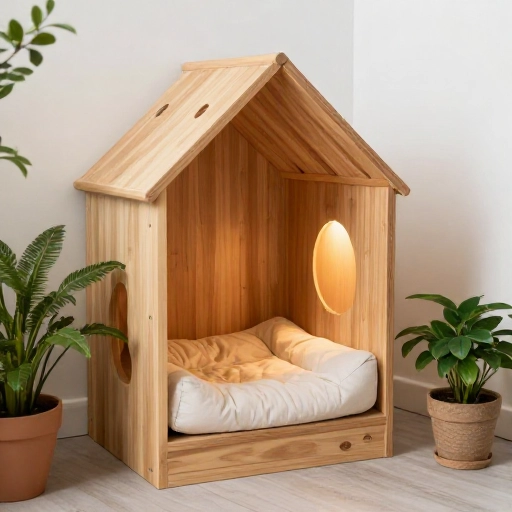
4. The Decorative Storage Trunk
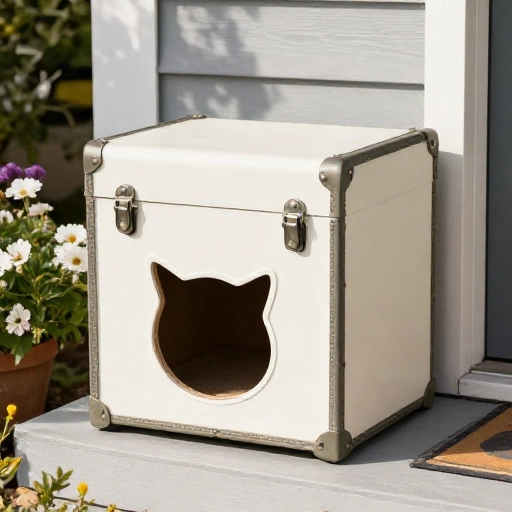
I love this one for a covered porch. Find a small, weatherproof storage trunk or a decorative wooden crate. Turn it on its side. Add a soft bed inside and cut a cat-sized opening in the side facing out.
It looks like a chic piece of furniture, not a cat house. It also doubles as a table surface on top for your coffee cup or a small plant. It’s functional and stylish.
Just make sure the trunk is weatherproofed or you bring the cushion inside when it rains.
5. The Reclaimed Pallet Condo
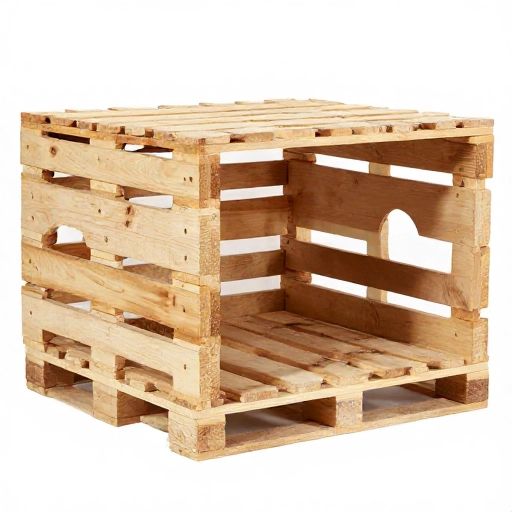
If you’re handy, a single wooden pallet can become a super solid outdoor cat house. Stand it on its side. The slats are the walls. You can line the inside with foam and a plastic bin to make it airtight and warm.
It’s tall, but it’s also very narrow, so it fits against a wall or in a tight corner without taking up much footprint. The gaps in the pallet let your cat see out, which is great for their mental health.
This is a weekend project, but it’s free if you can find a pallet.
6. The Elevated Window Box Shelter
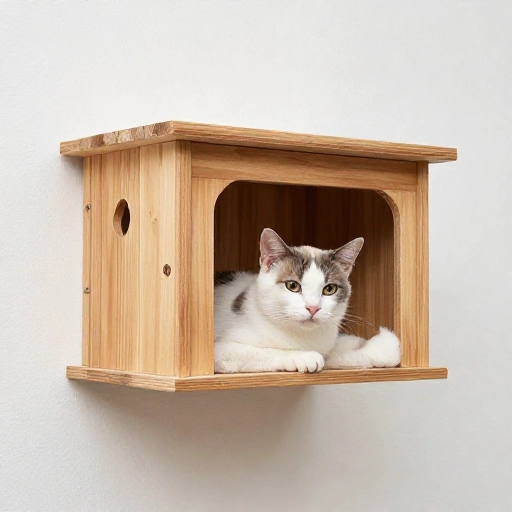
Look at the outside of your windows. Often, there’s a little ledge or a spot where you could mount a small, enclosed box. This is like a window AC unit, but for your cat. It’s a box attached to the exterior wall right below a window.
If the window is open, your cat can hop in and out. If it’s closed, they still have a safe outdoor perch. It’s completely out of the way of your ground space.
This needs to be mounted securely. Use brackets rated for much more weight than your cat.
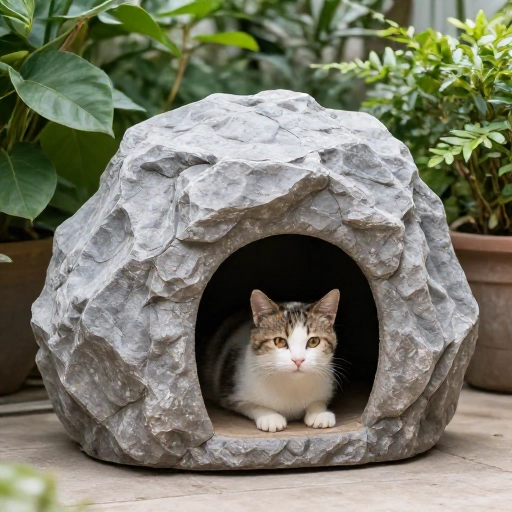
7. The Faux Rock Shelter
You know those plastic decorative rocks people put over utility boxes? You can buy a larger version that is hollow inside. It looks like a landscaping feature, but it’s actually a fully insulated cat cave.
This is perfect if you have a tiny strip of yard or a gravel area. It blends in completely, so it won’t ruin your aesthetic. It also protects against wind and rain really well because of its shape.
It’s a bit of a splurge, but it lasts forever.
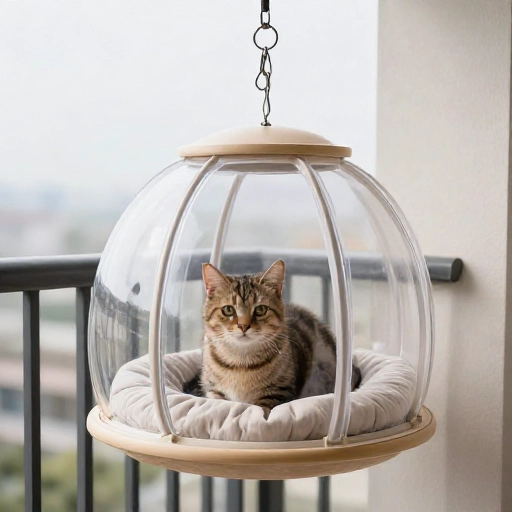
8. The Hanging Igloo
On a covered porch, you can hang a cat igloo from a hook in the ceiling. These are usually made of woven material or plastic. They’re round and enclosed, with a small opening.
Hanging it saves all floor space. It also swings slightly, which some cats find calming. It keeps the house off the cold ground, which is a huge bonus in winter.
Make sure the hook is rated for the weight and that the house is protected from direct rain if it’s not waterproof.
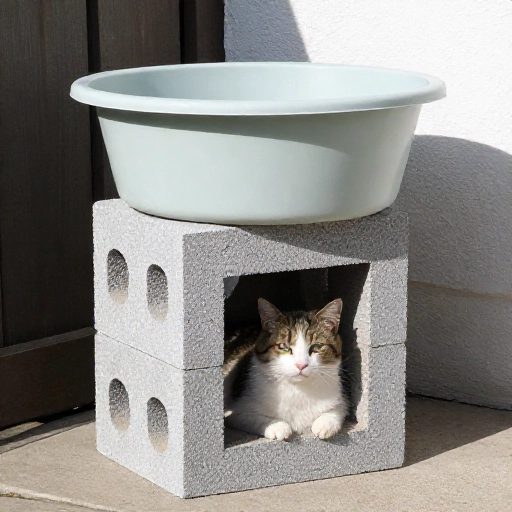
9. The Cinder Block and Tub Fort
This is the budget champion. Get a large plastic storage tub. Cut a hole in the side. Place it upside down on top of two cinder blocks. The blocks lift it off the ground, and the tub is the roof and walls.
The blocks create a gap underneath that helps with airflow and prevents moisture from seeping in. Add straw inside for insulation.
It’s not pretty, but it’s incredibly effective for emergency shelter or for feral cats you care for. You can spray-paint the tub to match your house colors.
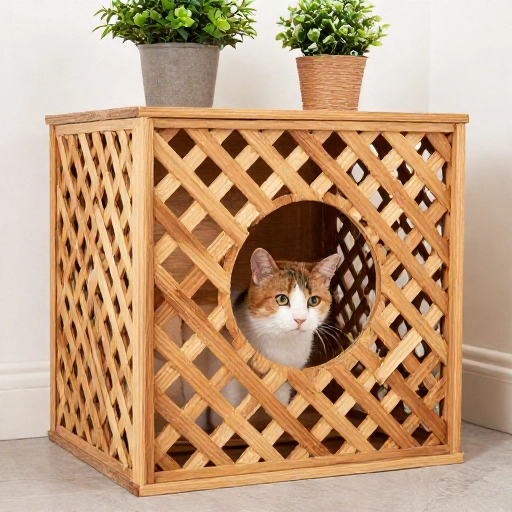
10. The Lattice Privacy Screen Hideout
If you have a lattice fence or a privacy screen, you can place a tall, narrow cat house right against it. The house uses the fence as its back wall. This makes the house feel less bulky.
You can even train a climbing vine up the lattice to create a green, camouflaged nook for the cat house. It feels like a secret garden spot.
This works well for long, narrow spaces where you can’t put anything wide.
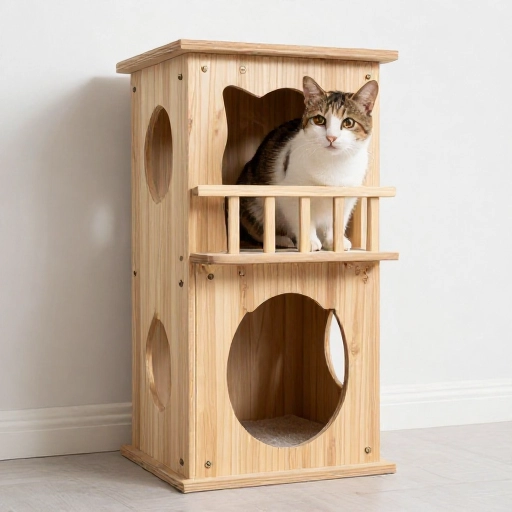
11. The Two-Story Balcony Box
If your balcony has a solid railing, build or buy a tall, skinny cat tower that sits against it. The top level is a lookout perch. The bottom level is an enclosed, sheltered box.
This gives your cat vertical space without taking up horizontal space. The bottom box protects them from wind, while the top gives them sun. It’s like a tiny apartment for them.
Make sure the base is weighted so it can’t tip over in strong gusts.
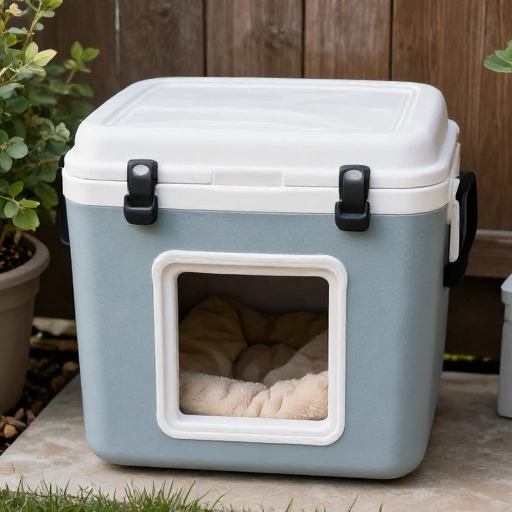
12. The Upcycled Cooler Shelter
That old, beat-up cooler that doesn’t keep ice cold anymore? Don’t throw it away. Turn it into a cat house. Coolers are already insulated, which is perfect for outdoor cats.
Cut a circular opening in the lid or the side. Add a soft blanket inside. The lid will seal shut, keeping out rain and drafts. It’s also chew-proof and wind-proof.
This is a zero-waste solution that is incredibly durable.
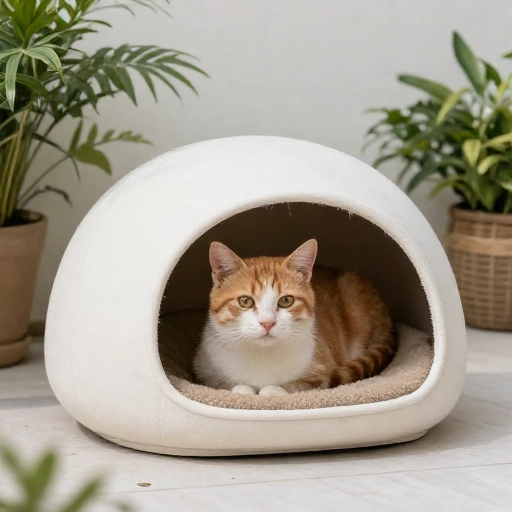
13. The Boot Tray Cat Cave
For a super simple solution, place a large, deep boot tray (the kind with a raised lip) on your porch. Place a cozy, waterproof cat bed inside it. Then, put a small, lightweight garden cloche or a wire dome planter over the top.
Drape a waterproof fabric over the dome to create a tent. The tray keeps the water out from below, and the dome keeps the wind off. It’s a cute, temporary solution that you can take down easily.
It looks like a little greenhouse for a cat.
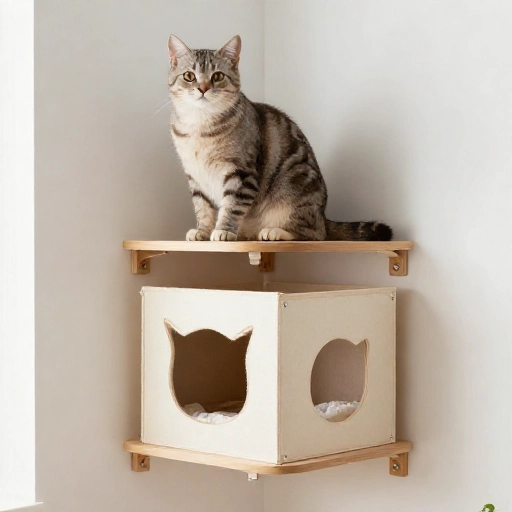
14. The Corner Shelf Perch and Box Combo
Install a sturdy corner shelf at a high point on your patio. Place a small, open-top cat house on the shelf. This gets the cat house up off the ground and into a more secure, elevated position.
It also creates a covered spot underneath the shelf that could be a second shady resting area. This uses vertical space brilliantly.
You need a heavy-duty shelf bracket for this one.
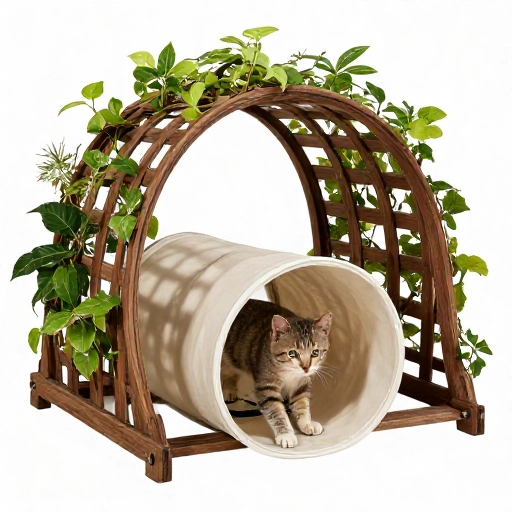
15. The Garden Arch Cat Tunnel
If you have a garden arch or a trellis, you can drape a waterproof cat tunnel over the base of it. These tunnels are flexible and can curve around the legs of the arch.
It provides a long, narrow hiding spot that blends into the garden. It’s great for a cat that likes to run and hide. You can cover it with a lightweight blanket for extra insulation.
It feels less like a “house” and more like a fun playground piece.
Wrapping Up the Small Space Struggle
You really don’t need a big yard to give your cat a safe outdoor experience. It just takes a little creativity with the space you do have. Whether it’s a fancy elevated box or a simple cooler hack, the goal is to give them a spot that feels like their own.
Always check the house regularly for moisture and bugs. Swap out the bedding often. And make sure your cat always has a way to get back inside your home if they need to.
Frequently Asked Questions
What is the best material for a small outdoor cat house?
For small spaces, look for something with thick plastic or treated wood. Stay away from metal, as it gets too hot in the summer and too cold in the winter. The most important thing is that it’s insulated and waterproof.
How do I keep the cat house warm in winter?
Use straw, not blankets. Blankets get wet and freeze, which is dangerous. Straw wicks moisture away and keeps the heat in. You can also get a heated cat pad that is specifically designed for outdoor use with a chew-resistant cord.
Where is the best place to put the cat house?
Put it against a wall or in a corner to block wind. Try to face the opening away from the prevailing weather direction. An elevated spot is generally safer, but a ground-level house hidden under a bench is also great.
How do I keep feral cats or other strays out of the house?
This is tricky. You can try to make the entrance smaller, but if you’re caring for a specific cat, you can’t really prevent others. Some people use a microchip-activated door, but that’s pricey. The best you can do is make it comfy for your cat so they want to claim it.
How do I clean an outdoor cat house?
Take out all the bedding and wash it. Use a mild soap and water solution to wipe down the inside. Let it dry completely before putting fresh straw back in. Do this at least once a month, or more often if it gets muddy.