10 Genius Side Yard Dog Run Ideas That Will Make Your Pup (and Your Neighbors) Absolutely Thrilled
Let’s be honest—that narrow strip of grass running alongside your house is usually the most forgotten part of your property. It’s too skinny for a patio set, too shady for a garden, and honestly, it just ends up being a muddy path for the trash bins. But here’s the thing: that awkward side yard is actually the perfect, hidden gem for a dedicated dog run.
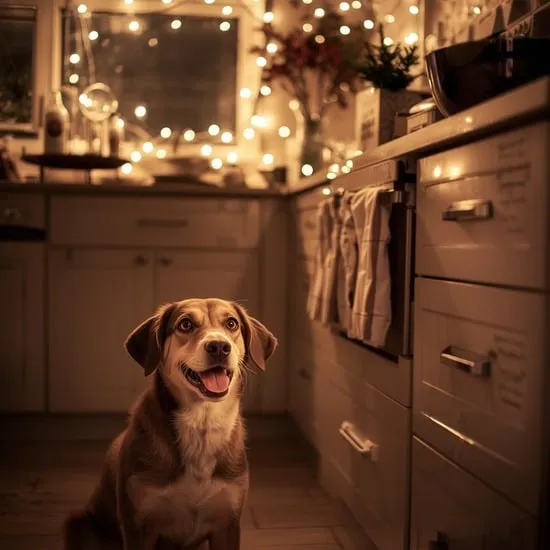
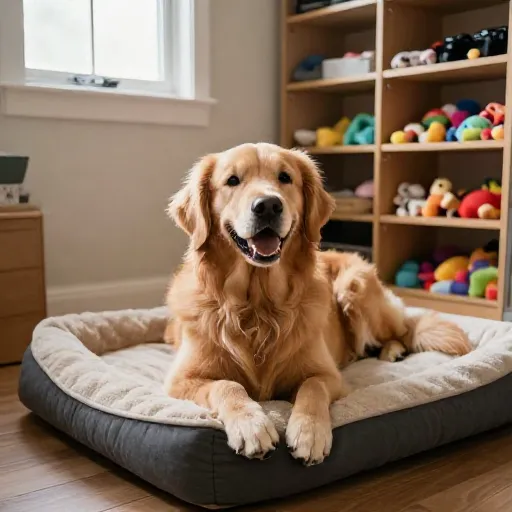
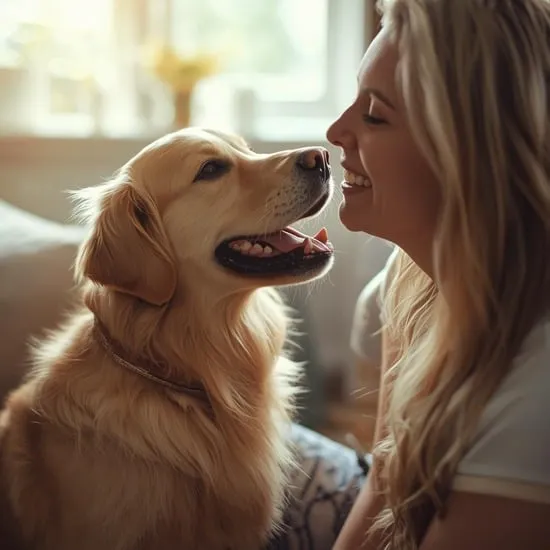
I spent way too long staring out my kitchen window at my bored Golden Retriever, Max, who was looking at me with those big “please let me out” eyes. I knew I needed a safe space for him that wasn’t the whole backyard. So, I went down a massive research rabbit hole, and I’ve compiled the absolute best, most practical, and Pinterest-worthy solutions to turn that skinny strip of dirt into a five-star canine retreat. Whether you have a tiny urban gap or a wider suburban stretch, these ideas will help you build a dog run that is both functional and seriously stylish.
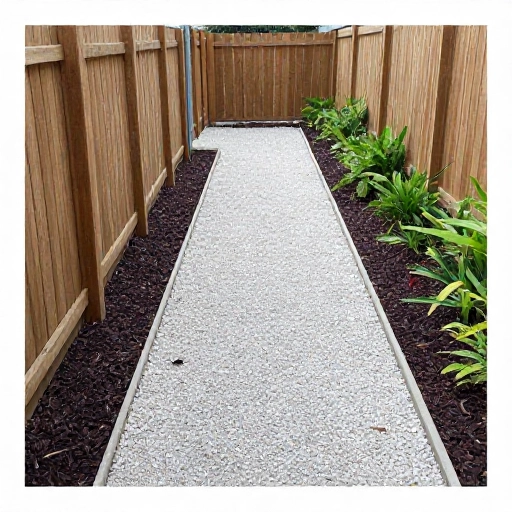
1. The Classic Gravel & Mulch Combo: Drainage Done Right
Let’s start with the bread and butter of dog runs. If your side yard turns into a swamp every time it rains, you need a surface that drains fast. I learned the hard way that grass just doesn’t cut it for high-traffic dog zones—it turns to mud in a week.
This setup is all about layering. Start with a weed barrier, then add a base of crushed rock, and top it off with a layer of smooth pea gravel. Pea gravel is gentle on paws and doesn’t get stuck in between toes like larger rocks do. For the areas where your pup likes to do their “zoomies” or dig, lay down a thick layer of playground mulch or rubber mulch.
It’s a low-maintenance, cost-effective solution that keeps your pup clean and dry. Plus, the neutral color of the gravel actually looks super sharp against a modern home’s foundation. Honestly, it’s the smartest foundation you can lay.
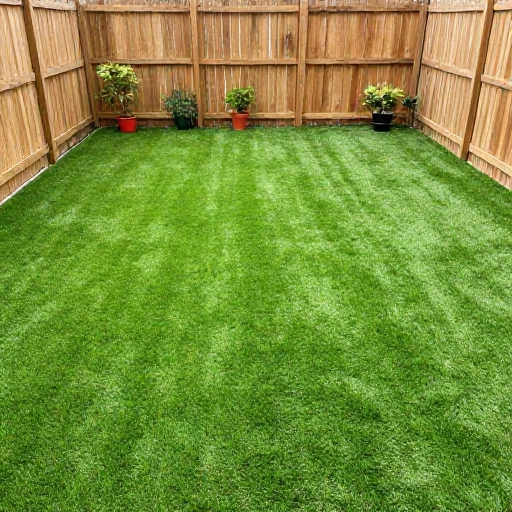
2. The Artificial Turf Oasis: Green Year-Round
If you are a fan of a lush green lawn but hate the maintenance (and the yellow spots from dog urine), artificial turf is your best friend. I was skeptical at first, thinking it would get too hot or smell, but modern turf for pets is a game-changer.
You’ll want to install a proper base layer and make sure it has excellent drainage holes. The best part? You can just hose it down every few days, and it looks perfect. No more mowing that narrow strip, no more weeds poking through, and no more muddy paw prints coming into your kitchen.
The visual appeal is unmatched. It makes a previously barren side yard look like a high-end resort for your dog. Just remember to sprinkle it with a pet-safe deodorizer to keep it smelling as fresh as it looks.
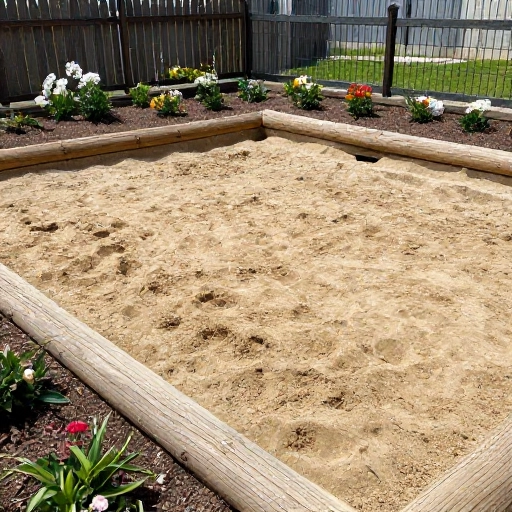
3. The “Dig Pit” Zone: Save Your Flower Beds
Does your dog have a passion for excavating? Instead of fighting their natural instincts, give them a designated spot to dig. This is the ultimate compromise. I designated a 4×4 foot corner of the side yard and filled it with soft play sand.
To make it enticing, I buried a few of Max’s favorite toys and some treats just beneath the surface. Now, he knows exactly where he is allowed to dig, and he rarely bothers my hostas anymore. It’s brilliant because it gives them a job to do.
Make sure the sand doesn’t get too hot in the summer sun—place this zone in a shadier part of the run. It’s a simple, cheap addition that saves you hundreds of dollars in landscaping repairs.
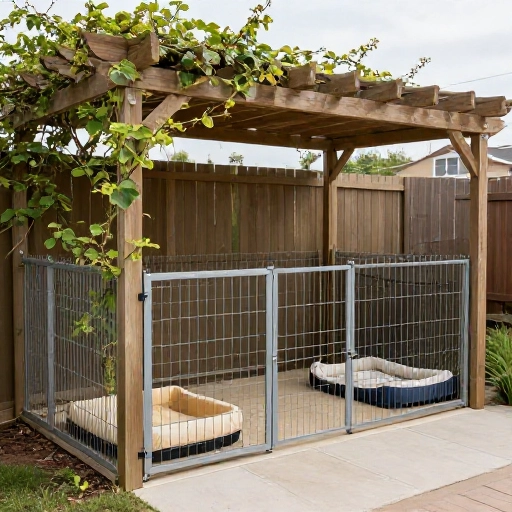
4. The Pergola Cover: Shade and Style
Side yards can get baking hot in the afternoon, and dogs need a cool place to retreat. While a simple awning works, adding a small pergola over a section of the run elevates the entire look of your home. It adds vertical interest to a usually flat space.
You can train climbing vines or let string lights hang down for a cozy evening vibe. Underneath, place a raised dog cot (not a fabric bed, they chew those) so the air can circulate underneath them. It gives your pup a “command center” where they can watch the neighborhood while staying cool.
It’s a beautiful architectural feature that makes the space feel intentional and expensive, rather than just a fenced-off dirt patch.
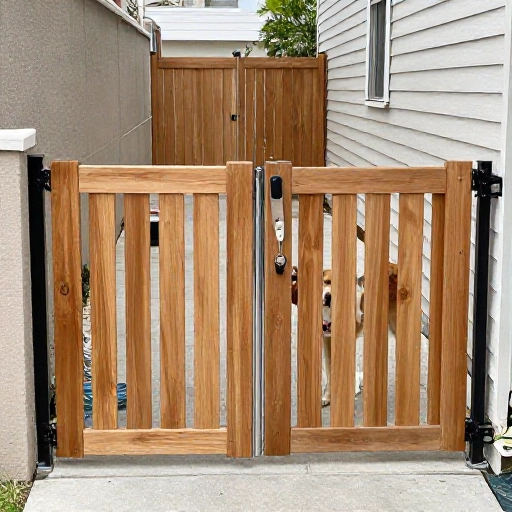
5. The Narrow Gate System: Double Security
Safety is the number one priority. If your side yard is connected to the front yard, you need a secure gate. But one gate isn’t enough. I highly recommend a double-gate system—essentially creating a small vestibule or airlock between the front and the side yard.
This prevents those terrifying dart-out moments when you are trying to open the gate to get the mail. You step into the first gate, close it, then open the second one. It’s a small detail that gives me massive peace of mind.
Look for gates with self-closing hinges and latches that are dog-proof (paws can’t open them). It’s the professional dog walker trick that keeps everyone safe.
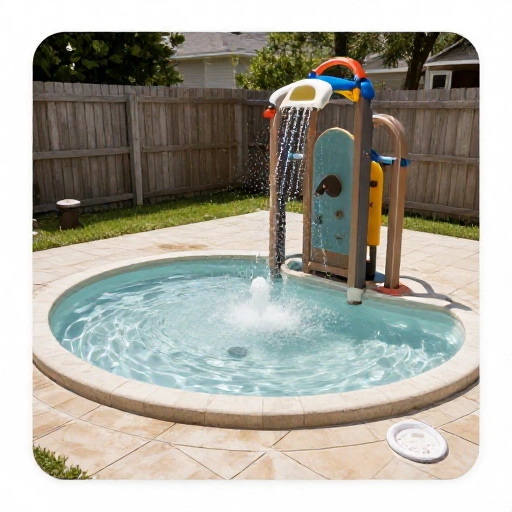
6. The Splash Pad Station: Summer Fun
Who says the dog run has to be just for potty breaks? Turn it into a fun zone. If you have access to a hose bib, install a simple dog-friendly sprinkler or a PVC pipe frame with holes drilled in it to create a custom splash pad.
When it’s 90 degrees out, there is nothing better than watching your pup chase the water. It hoses down the run at the same time, keeping the dust down and the surfaces clean. It’s a win-win.
Just ensure the water drains away from the house foundation. This is a cheap upgrade that turns a boring necessity into the happiest place on earth for your dog.
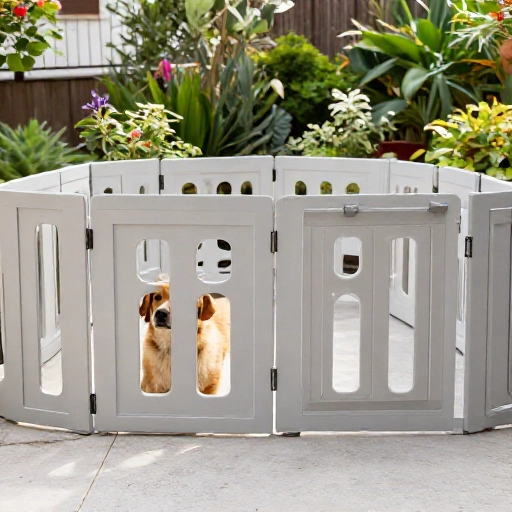
7. The “Window” Fence Panels: Visual Stimulation
Dogs are social creatures. They love to see what’s going on. If your side yard fence is solid wood, your dog might feel closed off and anxious. Replacing a few slats with decorative metal grates or “dog windows” allows them to see the street (or the backyard) without being able to escape.
This is a huge behavioral improvement. A bored dog is a destructive dog. Giving them a view gives them entertainment. It’s like doggy television.
You can find pre-made fence panels with cutouts, or you can DIY it by attaching a metal grate over a rectangular hole you cut out. It adds a charming, custom look to the standard fence line.
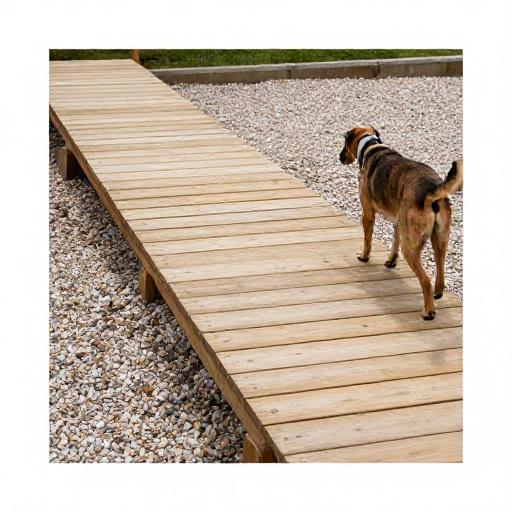
8. The Elevated Walkway: Keep Paws Dry
If your side yard has poor drainage or you live in a rainy climate, a fully elevated deck system is the ultimate solution. This involves building a wooden or composite slatted platform over the dirt.
This is more of an investment, but it completely eliminates mud. The slats allow rainwater to fall straight through, so the surface is always dry for your pup’s paws. It looks incredibly sleek and modern, almost like a boardwalk.
I love the aesthetic of a cedar walkway running down the side of the house. It’s durable, looks great, and provides a clean path for your dog to patrol. Plus, it’s easy to sweep or hose off.
9. The Smart Shade Sail: Modern and Adjustable
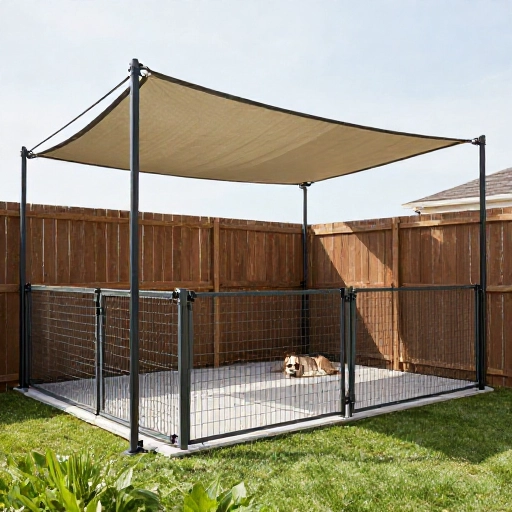
Not everyone wants a permanent structure like a pergola. A shade sail is a modern, minimalist alternative that provides excellent UV protection. They are incredibly easy to install—you just need a few anchor points on the house and the fence.
I love that you can angle them to block the afternoon sun and then take them down in the winter to let more light in. They come in tons of colors, so you can match your home’s exterior perfectly.
It’s a lightweight, affordable way to beat the heat and protect your dog from harmful sun rays while they snooze outside.
10. The Multi-Purpose Storage Bench
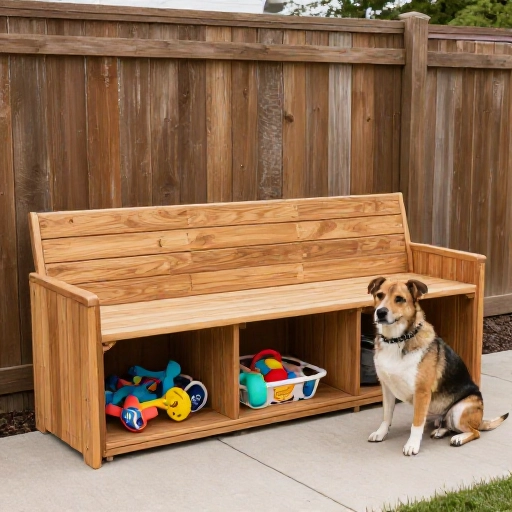
Side yards are usually where we store the trash cans and gardening tools, which aren’t exactly pretty. Integrate that storage into the dog run design. Build a bench with a hinged top that doubles as a toy box and a place for you to sit while your pup plays.
This keeps the space clutter-free and functional. You can hide the hose, the dog food scoop, and those ugly bins behind a slatted wood screen or inside the bench.
It’s all about making the space work double-time. A clean space feels bigger and calmer for both you and your dog.
Time to Get Building
Creating the perfect dog run is about more than just keeping your dog contained—it’s about giving them a space that enriches their life and keeps them safe. You don’t have to do all ten at once. Start with the surface (gravel or turf), secure the gates, and then add the fun stuff like shade and digging pits. Your dog will love you for it, and you’ll finally get to use that dead space on the side of your house for something amazing.
Frequently Asked Questions
1. How big should a side yard dog run be?
As a rule of thumb, the run should be at least 6 feet wide and 15-20 feet long for a medium-sized dog to get a good gallop in. If you have the space, longer is always better, but width is more important than length for turning around.
2. What is the best surface for a dog run in a small space?
Artificial turf is the best for small spaces because it’s soft, clean, and doesn’t require the maintenance that gravel does. It keeps the area looking lush without the muddy mess.
3. How do I stop my dog from digging under the fence?
You need to bury the bottom of the fence. You can dig a trench and place the fence wire or concrete pavers along the bottom edge. Alternatively, you can lay large rocks or a concrete barrier below the fence line to physically block them.
4. Can I put a dog run on a slope?
Yes, but it requires some planning. You might need to terrace the run into two levels or use a deep base of gravel to level it out. A slight slope is actually great for drainage, but a steep one will need some structural work.
5. Should I leave my dog in the dog run all day?
While a dog run is a great safe space, it shouldn’t be your dog’s only living space. They still need social interaction, walks, and time inside with you. It’s best used for short periods when you can’t watch them or for supervised playtime.