Fresh & Cozy: How to Stop Cat Litter Odor in a Small Space

Living in a small apartment with my cat, Mittens, is a joy, but the litter box situation? Not always. When space is limited, odors can feel magnified, turning a cozy corner into a no-go zone. I’ve been there, trying to mask the smell with candles and sprays, only to create a weird floral-meets-ammonia scent.
But after years of trial and error, I’ve learned that beating litter box odor isn’t about covering it up. It’s about smart, proactive strategies that work with your space. A fresh home is absolutely possible, even in a studio or tiny house. Let’s dive into my top tips for keeping the air clean and your small space feeling open and inviting.
1. Choose the Right Litter for the Job
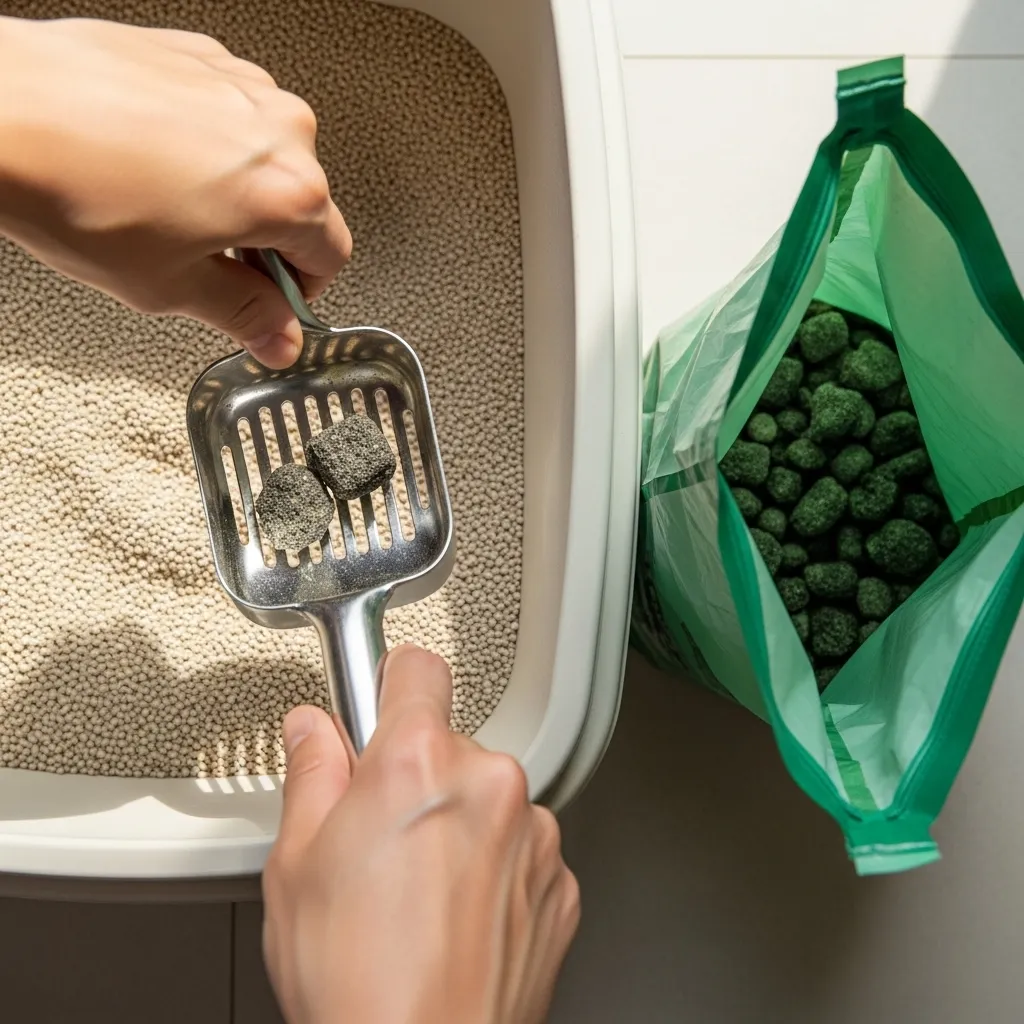
This is your first and most powerful line of defense. In a small space, you need a litter that controls odor at the source. I’ve found that clumping litter, especially formulas with activated charcoal or baking soda, is a game-changer. It locks in moisture and neutralizes smells on contact.
While lightweight litters are tempting for carrying, they can be dustier, spreading particles and scent. For small spaces, a low-dust, high-odor-control clay or silica gel litter often performs best. Don’t be afraid to test a few small bags to see what works for you and your cat.
2. Scoop Religiously, Like Clockwork
Consistency is non-negotiable. In a confined area, waste left for even a few hours can permeate the air. I make it a habit to scoop at least twice a day—once in the morning and once before bed. Think of it as a quick 60-second refresh for your home’s air quality.
I keep a dedicated, sealed litter disposal system right next to the box. Using a Litter Genie or even just a small, lidded trash can with baking soda in the bottom prevents the “scent escape” that happens when you walk waste to a far-away bin.

3. Strategic Box Placement is Key
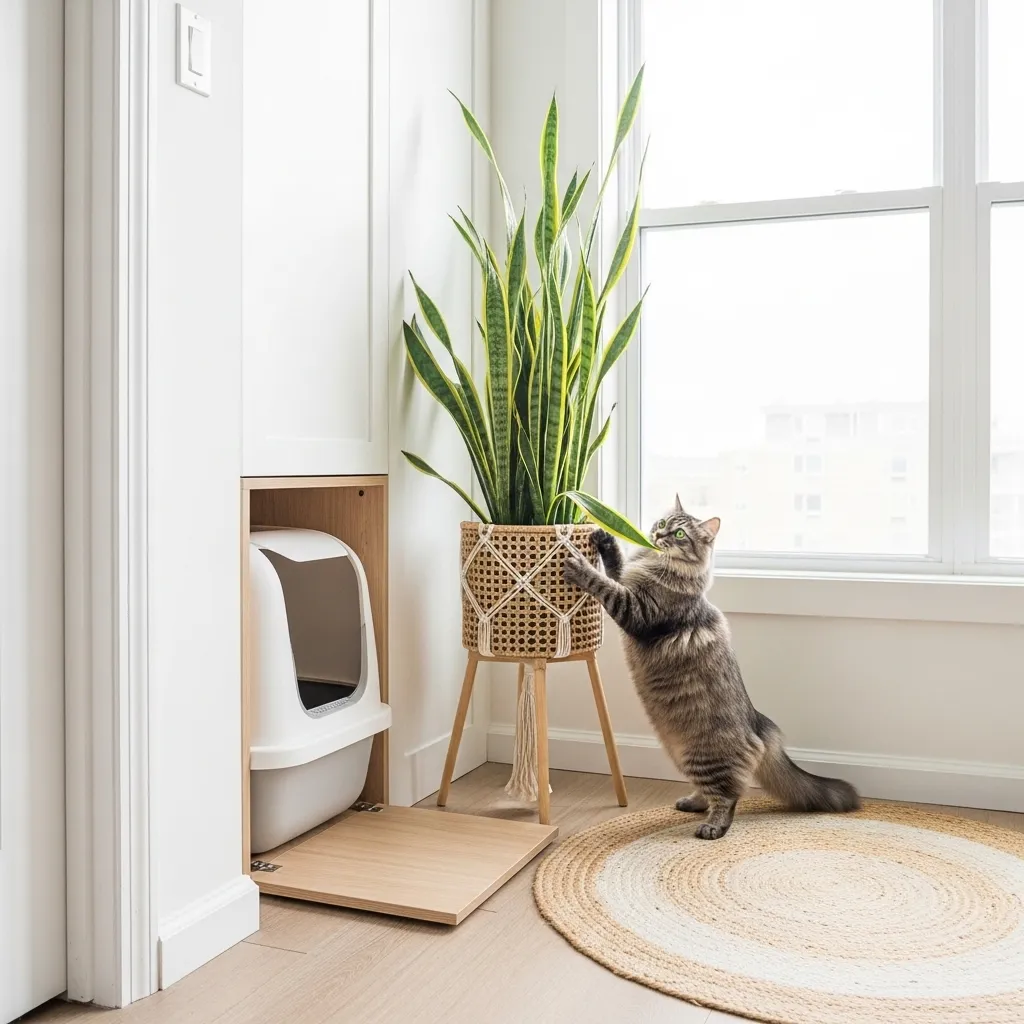
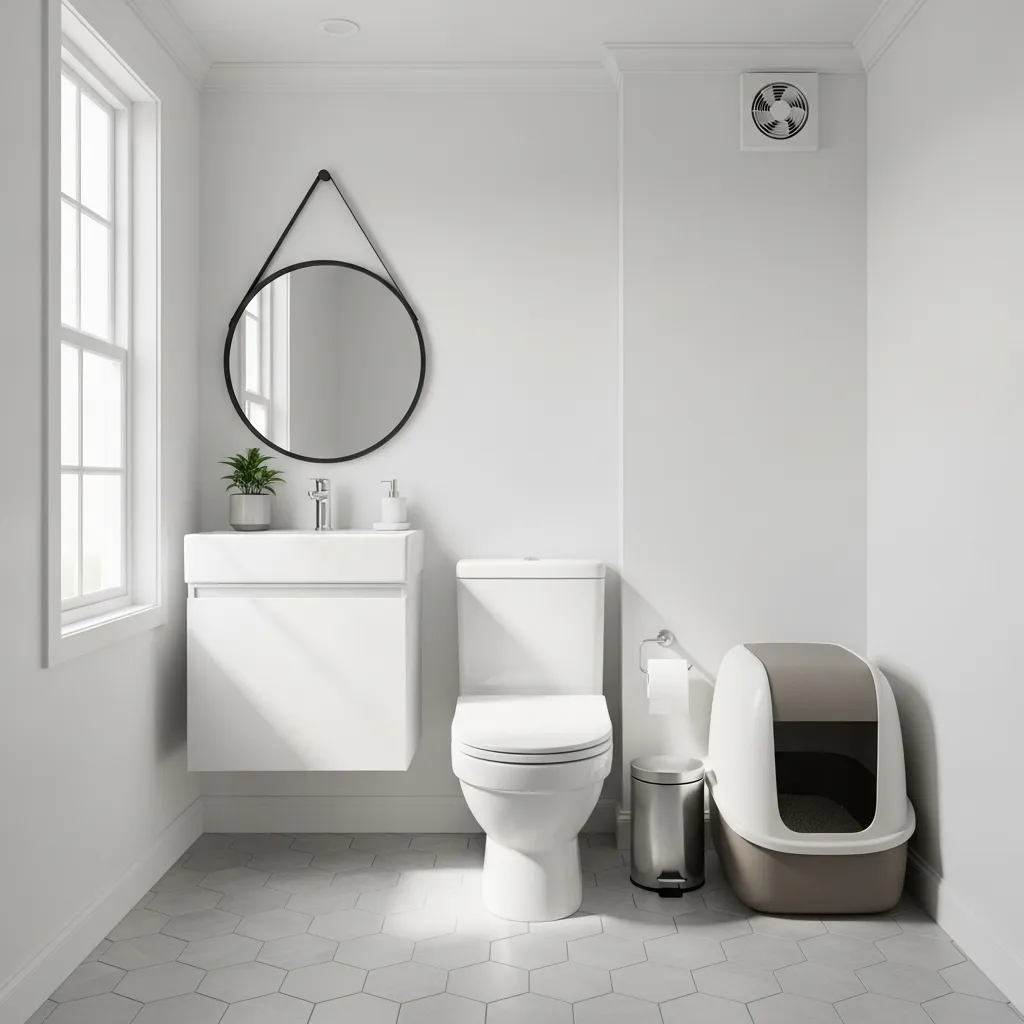
You can’t hide the box in a tiny home, but you can place it wisely. Avoid cramming it into a completely airless closet or a damp bathroom. A little airflow helps, but keep it away from air vents that could blow odors around.
I placed Mittens’ box in a low-traffic corner of my living area, but used a room divider to create a subtle visual screen. This gives her privacy and contains any minor scents without sealing them in a stagnant space.
4. Upgrade to a High-Sided or Covered Box
If your cat will tolerate it, a covered litter box or one with high sides is a small-space savior. It physically contains litter scatter and helps contain odors before they spread. Look for one with a carbon filter in the hood for an extra layer of odor absorption.
A quick note: Some cats feel trapped in covered boxes. If your cat starts avoiding it, go back to a high-sided open box. A used box in the open is still better than a “hidden” box they won’t use.
5. The Power of Deep Cleaning
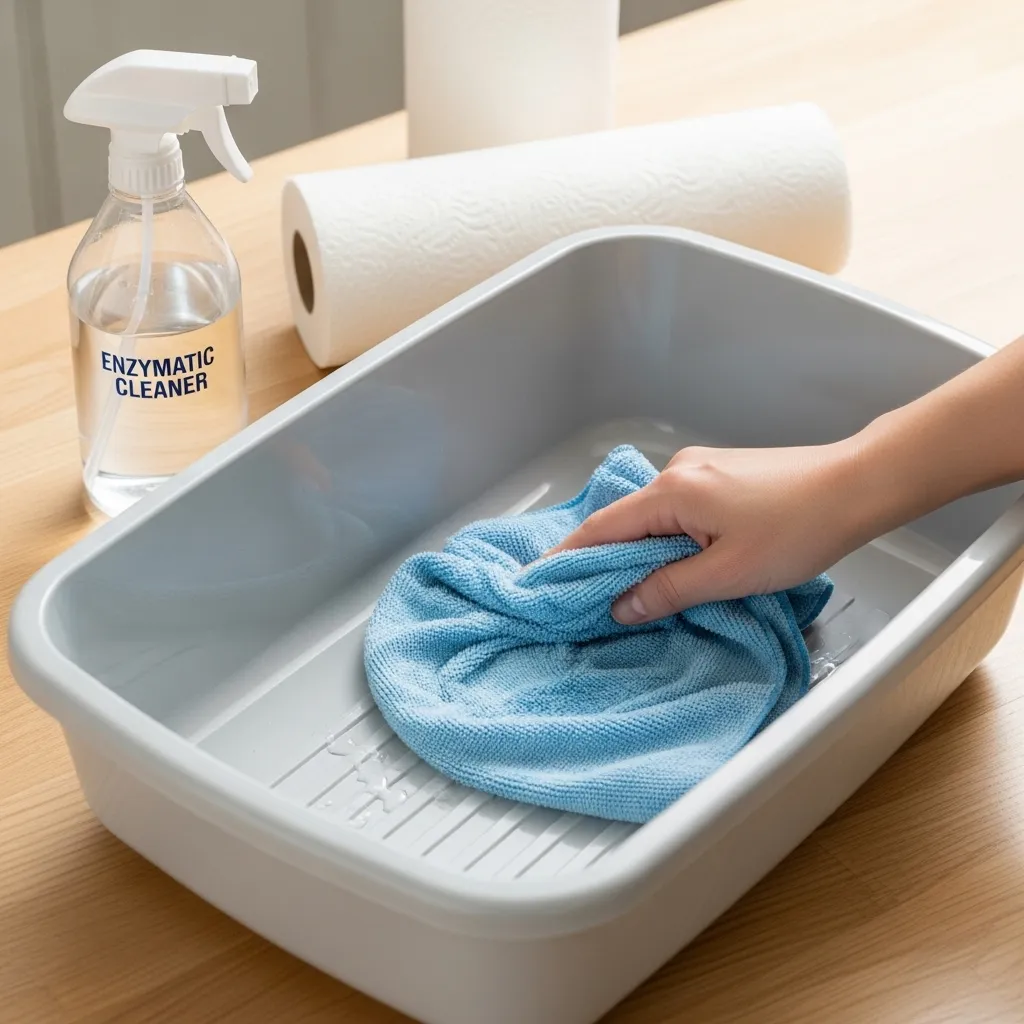
Scooping manages daily waste, but a weekly deep clean resets everything. I empty all the litter, then wash the box with warm water and a mild, unscented soap or a vinegar solution. Avoid harsh chemicals, as the smell can deter cats.
Let the box dry completely before adding fresh litter. This prevents clumping at the bottom and stops any lingering bacteria, which is a major source of persistent ammonia smells.
6. Embrace Baking Soda (The Natural Neutralizer)
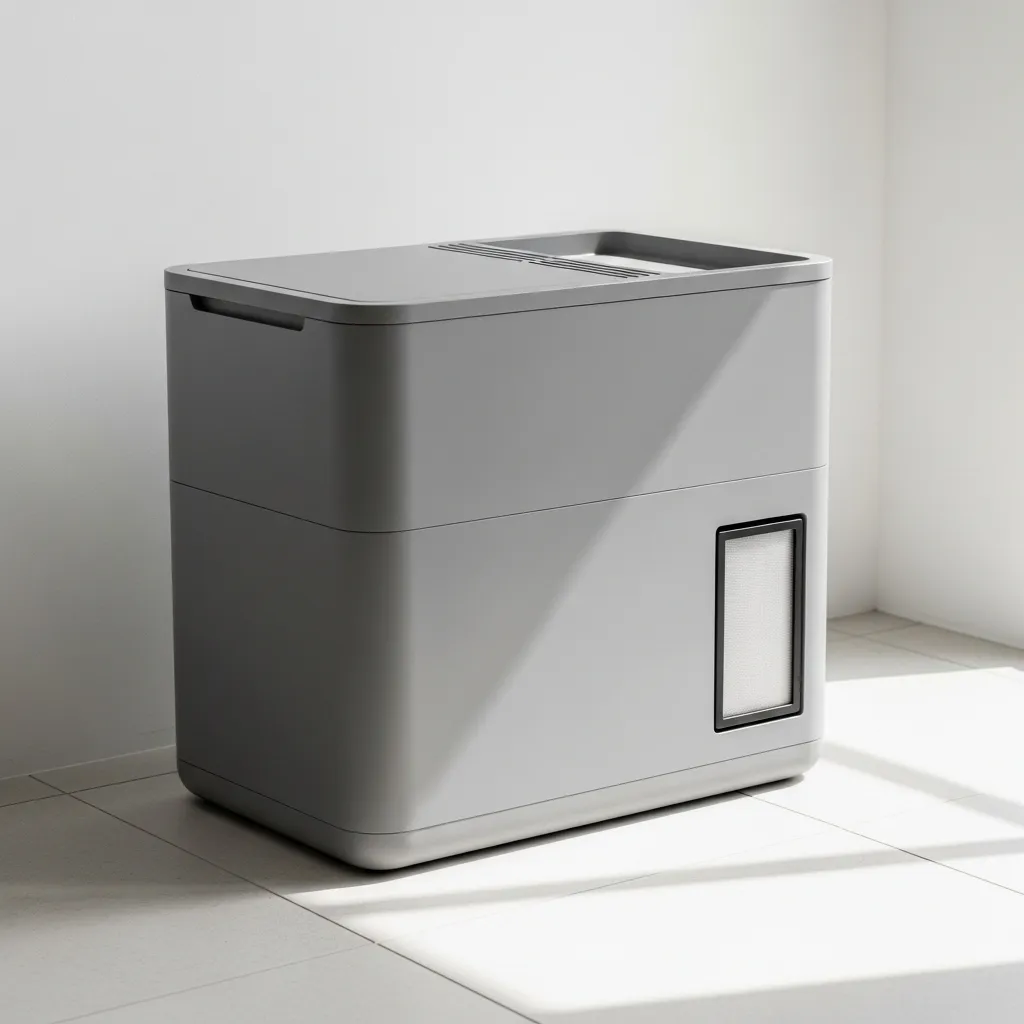
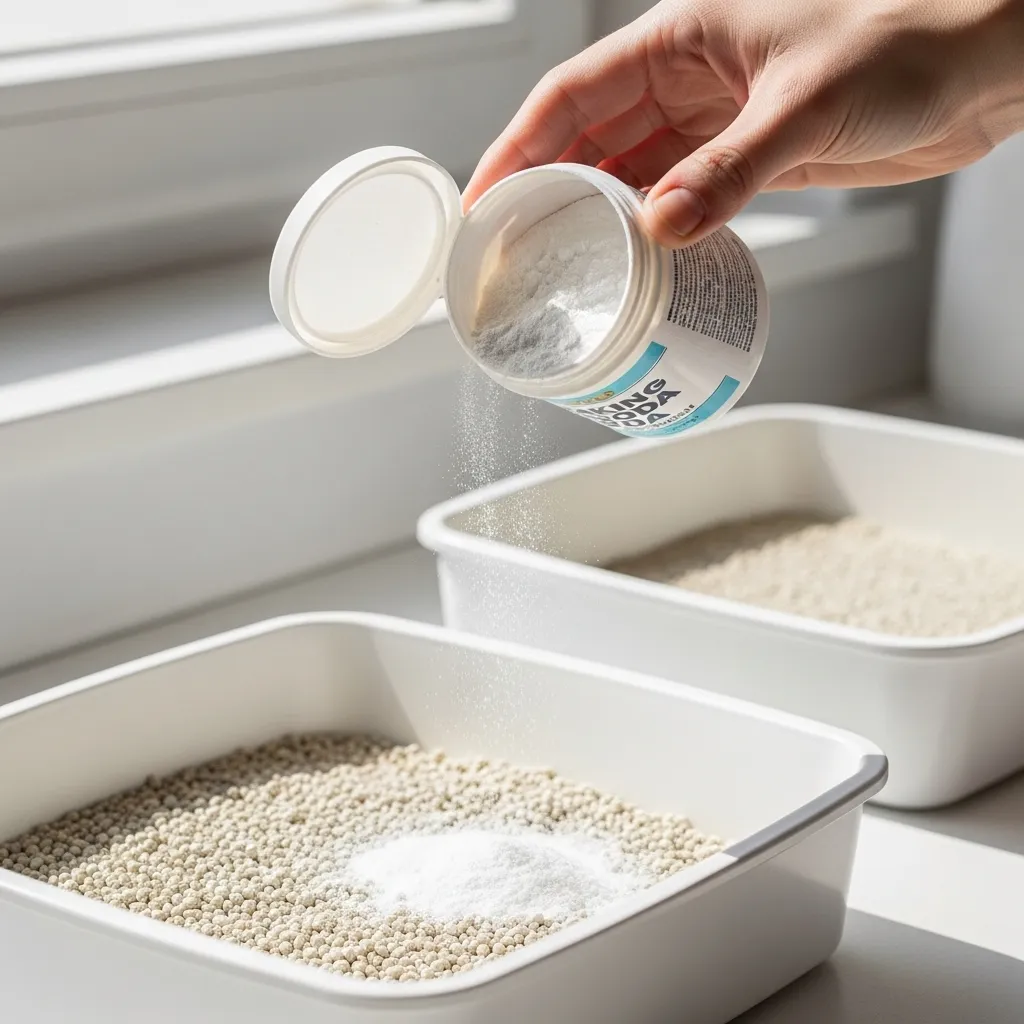
Baking soda is my best friend. Before pouring in new litter, I sprinkle a thin layer (about a quarter cup) on the bottom of the clean, dry box. It naturally neutralizes acids in urine, tackling odors before they start.
You can also place an open box of baking soda near the litter area (out of paw’s reach) to help absorb ambient odors in the room. It’s safe, cheap, and incredibly effective.
7. Manage Litter Tracking Immediately
Those little granules don’t just make a mess—they carry odor particles around your home. I keep a sticky lint roller and a small handheld vacuum right by the litter zone for quick clean-ups.
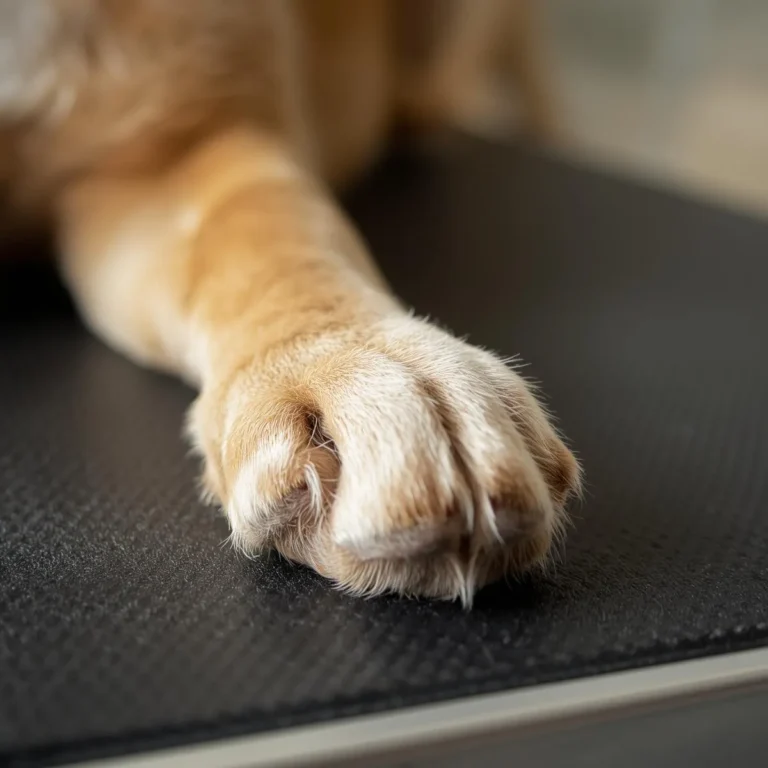
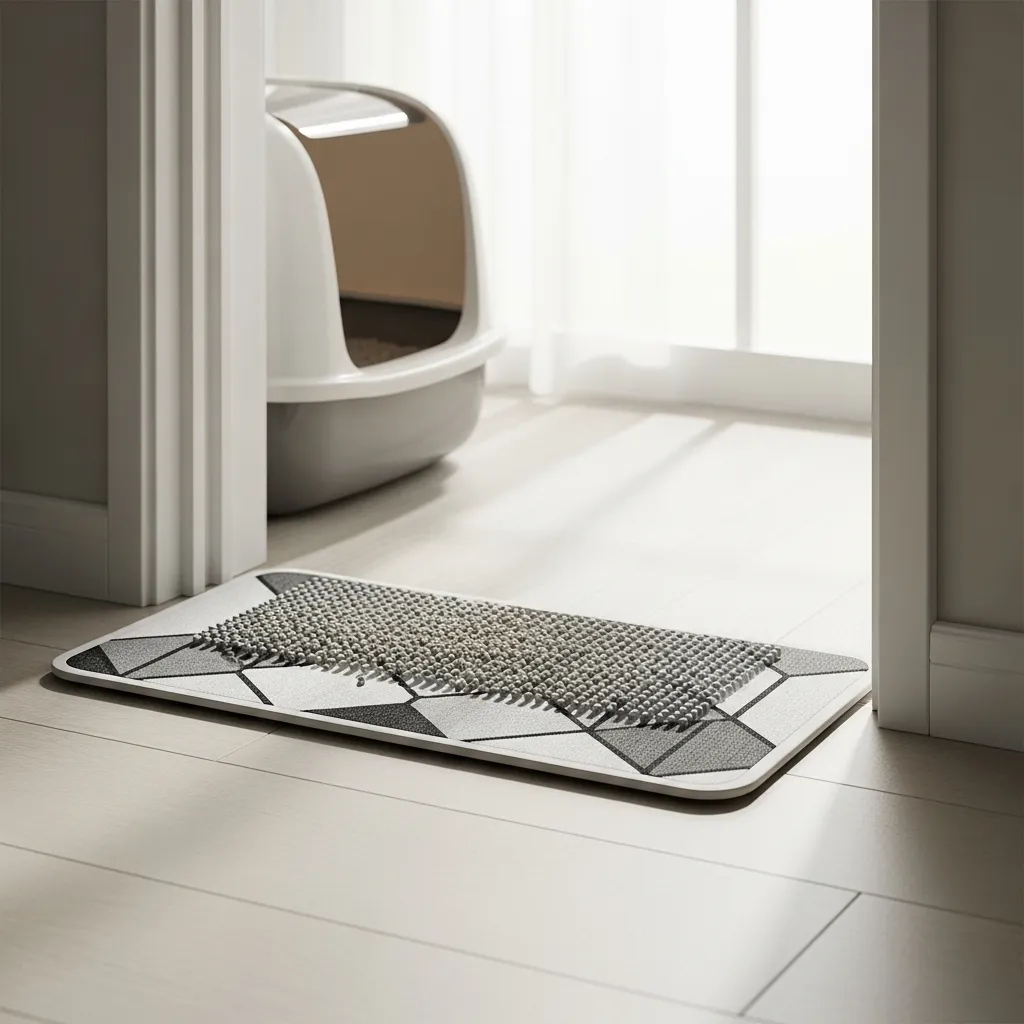
Placing a high-quality litter mat outside the box is essential. Choose one with deep grooves that catches and traps granules as your cat exits. Shake it out daily into the trash.
8. Optimize Your Home’s Airflow
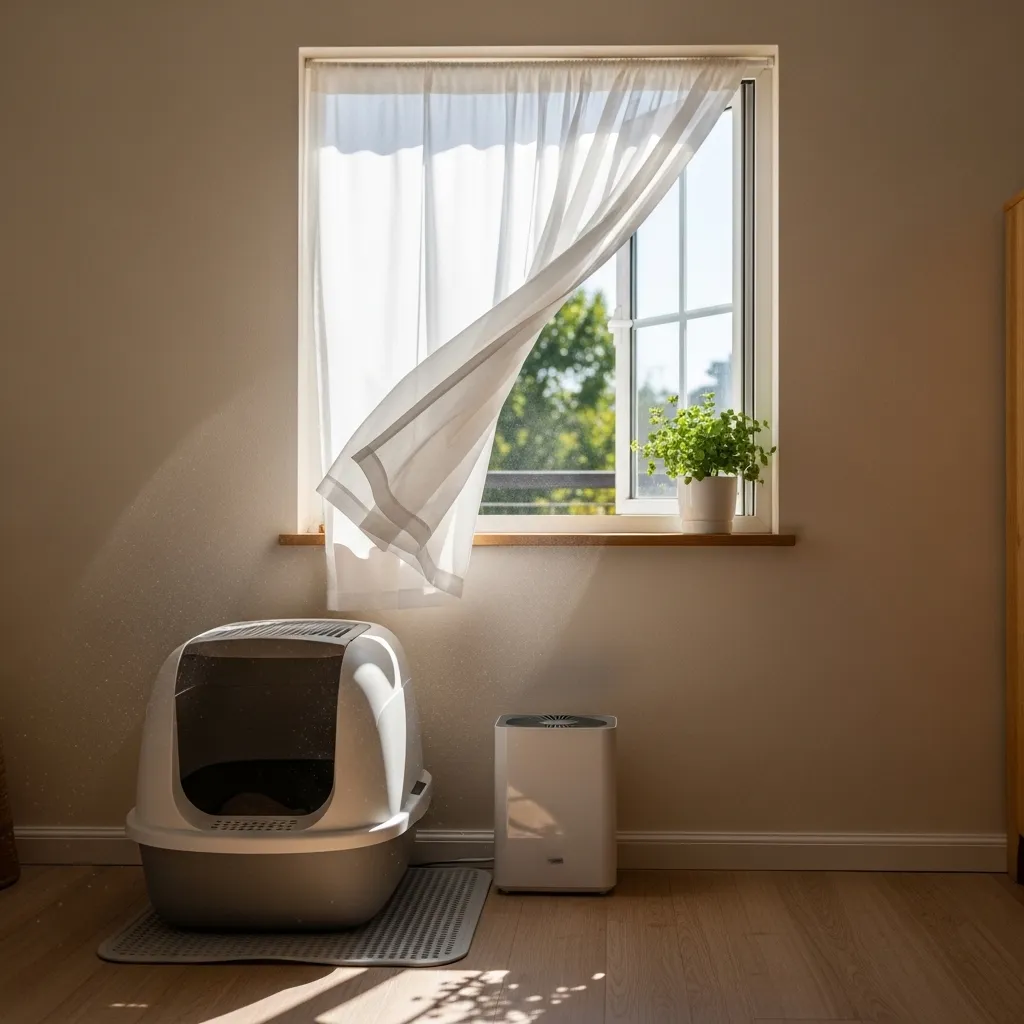
Stagnant air holds odor. Even in winter, I crack a window near the litter box area for a few minutes daily to cycle the air. A small, quiet air purifier with a HEPA and carbon filter placed nearby works wonders to continuously clean the air.
I run mine on low 24/7. It captures litter dust and neutralizes odors, making a noticeable difference in the overall freshness of my entire studio.
9. Consider Your Cat’s Diet
What goes in affects what comes out. A high-quality, digestible diet can lead to less stinky waste. I noticed a positive change when I switched Mittens to a better food recommended by her vet.
Always ensure fresh water is available, too. Proper hydration helps maintain healthy kidney function and can dilute urine, making it less pungent.
10. Create a Pleasant Ambient Scent
Notice I said “pleasant,” not “overpowering.” I avoid strong floral sprays near the box. Instead, I use a simple, pet-safe essential oil diffuser with citrus or lavender in the main living area, far from the box, to create a general fresh baseline.
The goal is a clean-smelling home, not a battle between perfume and litter. When the other strategies are in place, a light, natural scent is all you need for that final cozy touch.

Conclusion: A Fresh Start
Keeping a small space odor-free with a cat isn’t about one magic trick. It’s about building a simple, consistent system. Start with the right litter, commit to scooping, and add in a few supportive habits like baking soda and an air purifier. Your nose—and your feline friend—will thank you. Here’s to a home that feels fresh, spacious, and full of purrs.
Your Small Space Odor Control FAQ
Q: How often should I completely change the litter?
A: Even with daily scooping, plan to dump all the litter and wash the box every 2-4 weeks. If you have multiple cats or notice odors sooner, do it weekly.
Q: Are scented litters a good idea?
A: Often, no. The strong perfume can be overwhelming in a small space and many cats dislike it. It can also mix unpleasantly with waste odors. Odor-neutralizing, unscented litter is usually more effective.
Q: Where’s the absolute worst place to put a litter box in a small apartment?
A: In a completely sealed closet or a hot, humid room like a laundry closet with appliances. Lack of ventilation concentrates the smell, and heat accelerates odor production.
Q: Can I just use more air freshener?
A: This is a temporary cover-up, not a solution. It adds more chemicals to the air and can irritate your cat’s sensitive respiratory system. Focus on eliminating the source instead.
Q: My cat won’t use a covered box. What’s my next best option?
A: Use a very large, high-sided open box (like a storage tote with an entry cut out). The high walls contain litter and help block odors from spreading sideways, while giving your cat an open feel.