Peace at Last: How to Stop Your Cats from Bullying Each Other

If you have more than one cat, you know the dream: a harmonious clowder cuddled together in a sunbeam. The reality? Hissing, swatting, and one cat always hiding under the bed. It’s heartbreaking and stressful for everyone.
Cat bullying isn’t just about the occasional spat. It’s a pattern of intimidation that prevents a cat from accessing food, litter boxes, or safe resting spots. The bullied cat lives in constant stress, which can lead to health and behavior problems.
The good news is you can restore peace. It takes patience and a strategy, but by understanding the “why” behind the behavior, you can create a home where every feline feels secure.
1. Rule Out Medical Issues First
Sudden aggression can be a cry for help. Pain from arthritis, dental disease, or other illnesses can make a cat irritable and lash out. A cat who feels vulnerable may also become defensive and bully others to create distance.
Before you try any behavior fixes, a vet check for both the bully and the victim is essential. It’s the most important first step to ensure you’re not missing a treatable health problem causing the tension.

2. Create a “Safe Room” for the Bullied Cat
Immediate relief is crucial. Set up a private sanctuary in a spare room or quiet corner for the cat being picked on. This room should have everything they need: food, water, a litter box, a comfy bed, and a tall scratching post.
This isn’t a punishment—it’s a recovery zone. It gives the stressed cat a chance to relax, lowers the overall tension in the house, and allows you to hit the reset button on their relationship through controlled reintroductions.

3. Think Vertically with Catification
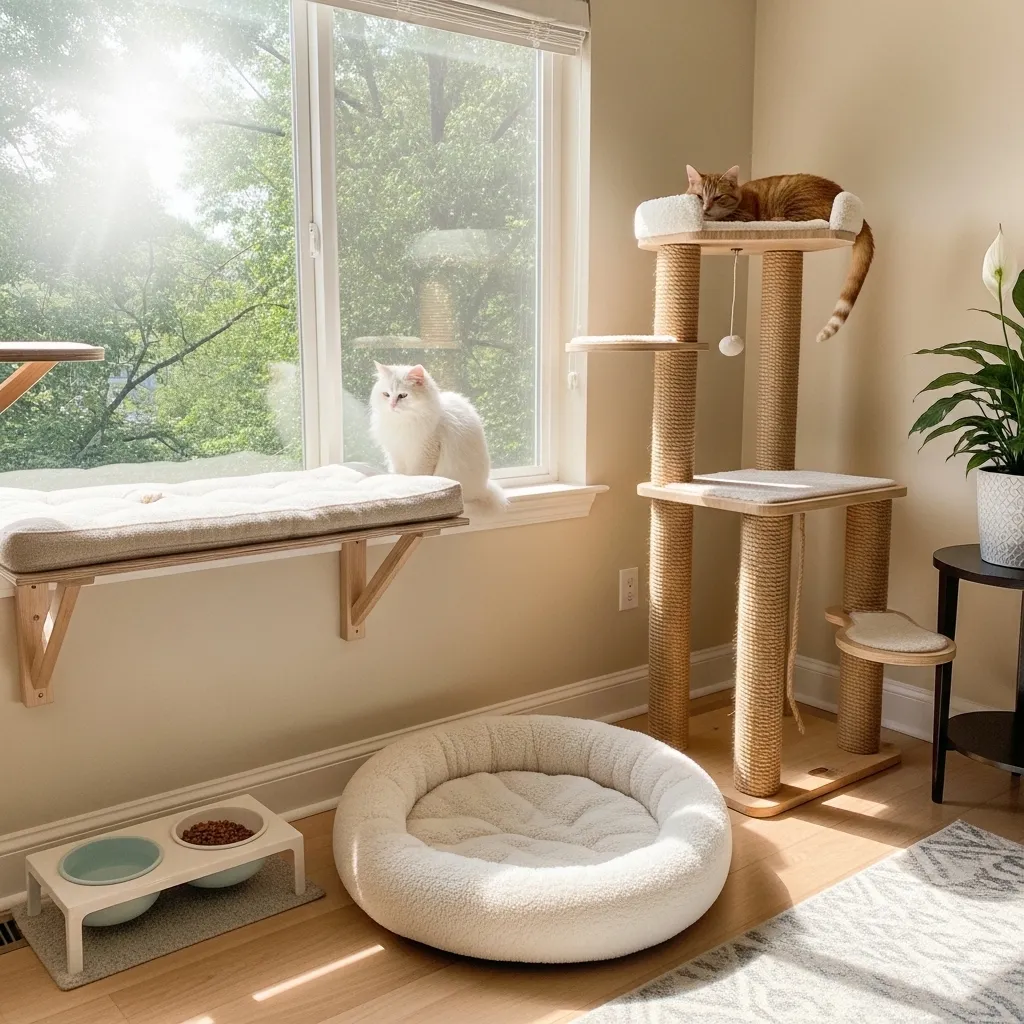
Cats feel safe when they can survey their kingdom from above. Bullying often happens on the floor where a cat can feel trapped. By adding vertical space, you give everyone an escape route and more territory.
Install wall shelves, invest in tall, sturdy cat trees, and clear the tops of bookcases. The more high-up perches you have, the less they have to compete for the “best” spot. It’s a game-changer for confidence.
4. Multiply Your Resources
The golden rule: one per cat, plus one extra. This applies to litter boxes, food stations, water bowls, and favorite sleeping spots. Place them in different, quiet areas of your home, not all in a row.
When resources are plentiful and spread out, a bully cat can’t guard them all. This ensures the shyest cat can eat, drink, and use the bathroom in peace, reducing a major source of conflict.

5. Re-Introduce Them Like Strangers
If tensions are high, treat them as if they’ve never met. Keep them completely separated, then start over with scent swapping. Rub each cat with a towel and place it under the other’s food bowl. Let them get used to each other’s scent before any visual contact.
Next, feed them on opposite sides of a closed door. Then, use a baby gate or a cracked door so they can see each other while enjoying treats. Go slow. Rushing this process will undo all your progress.

6. Use Play to Redirect Aggressive Energy
A bully cat often has pent-up energy or hunting drive with no outlet. Schedule daily, vigorous play sessions with the instigator using a wand toy. Let them “catch” the toy at the end to feel satisfied.
This redirects their focus from tormenting their housemate to a positive activity. A tired cat is a well-behaved cat. You might be surprised how much a good play session can mellow them out.
7. Build the Bullied Cat’s Confidence
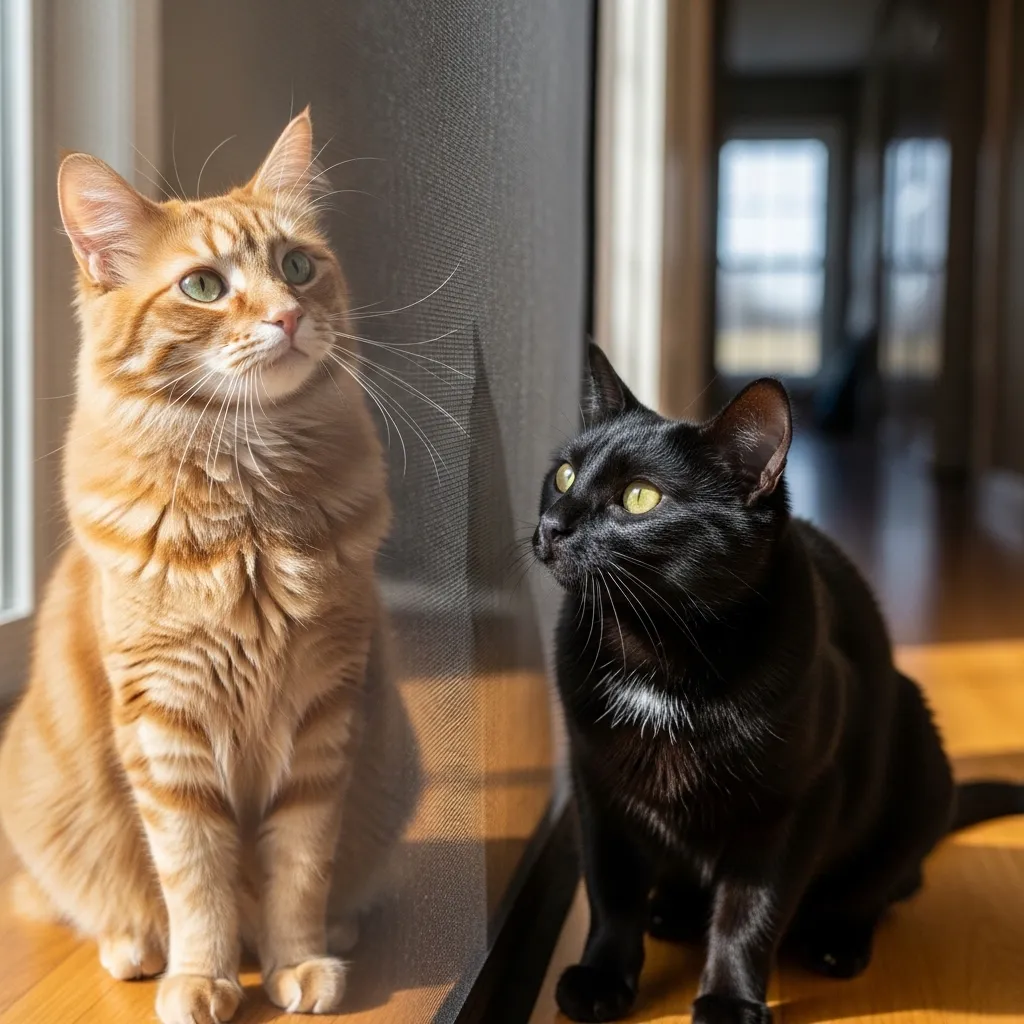
Help your shy cat find their brave. Have one-on-one play sessions with them to build their skills and sense of fun. Use puzzle feeders or training with clickers and treats to engage their mind and reinforce their boldness.
When they do something brave, like exploring a new cat tree, reward them calmly with a treat or soft praise. Confidence is the best armor against a bully.

8. Utilize Calming Pheromones
Products like Feliway mimic the “happy” facial pheromones cats naturally produce. Plug in a diffuser in the main living area or spray it on bedding and cat trees. It won’t fix the problem alone, but it can take the sharp edge off the anxiety in your home.
Think of it as creating a background atmosphere of calm. It helps both the anxious victim and the over-stimulated bully feel more at ease in their shared space.
9. Establish Predictable Routines
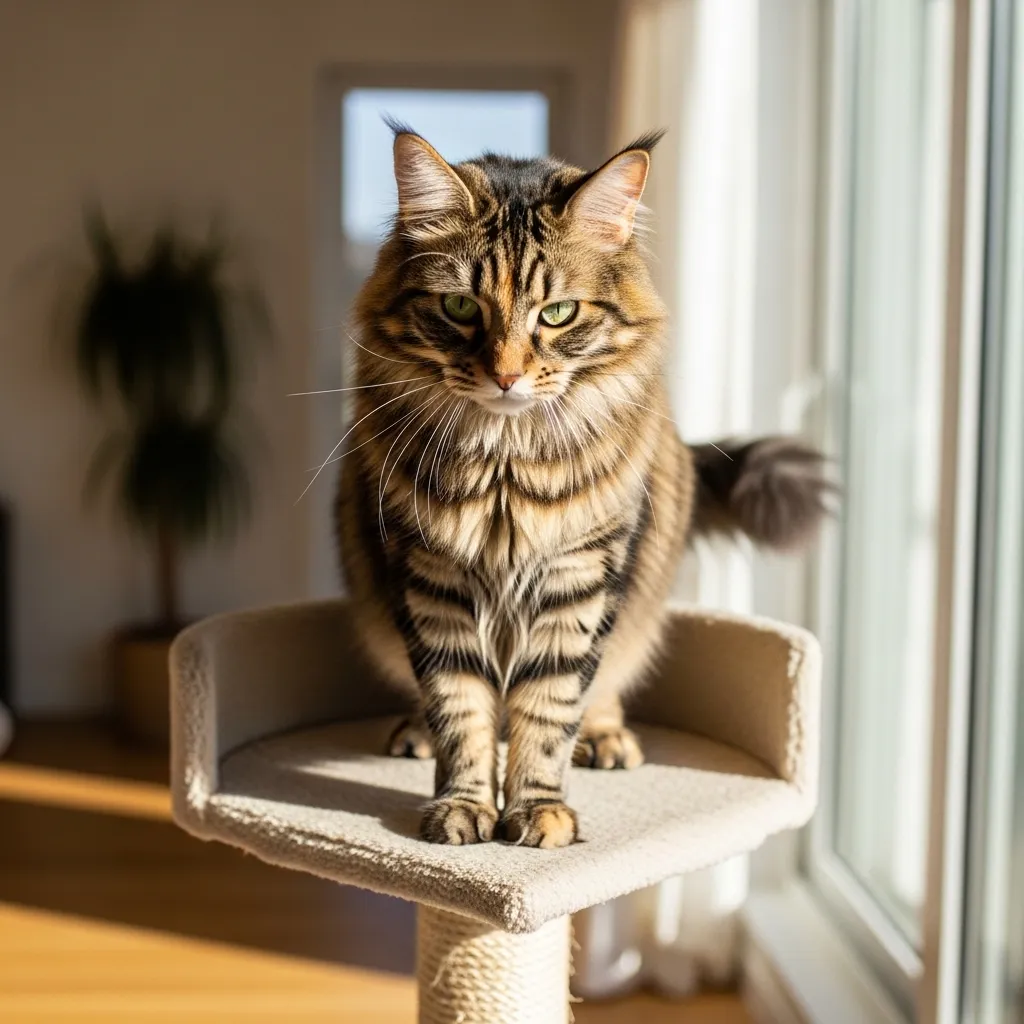
Cats thrive on predictability. Chaos and uncertainty can fuel insecurity and aggression. Feed them at the same times each day. Keep play sessions regular. Even your own daily routine provides a stable framework.
When cats know what to expect, they feel more in control and less stressed. A calm household is a peaceful household.

10. Know When to Intervene (and When Not To)
Never punish or yell at the bully cat. This only increases their stress and makes you part of the conflict. Instead, interrupt negative behavior with a calm distraction—a loud clap, a tossed pillow (not at them!), or a shake of a treat bag.
If a fight breaks out, do not get in the middle. Make a loud noise or use a blanket to separate them. Then, separate them into different rooms to cool down completely before trying any interaction again.

Bringing Back the Harmony
Stopping cat bullying isn’t a quick fix, but a journey of creating a better environment. By providing space, security, and positive outlets, you address the root causes. Be patient with yourself and your cats. Celebrate the small victories—a peaceful meal together or a nap taken in the same room. With consistency, you can turn your home back into a safe haven for every cat who lives there.
Your Cat Bullying FAQs
Q: Is it normal hissing or serious bullying?
A: Occasional hissing during a surprise encounter is normal. Bullying is a pattern: one cat consistently stalks, blocks, or attacks, causing the other to hide, lose weight, or avoid family areas.
Q: Will they ever be friends?
A> “Friends” might be a strong goal. Aim for “peaceful coexistence”—ignoring each other or sharing space without tension is a huge success!
Q: Should I rehome one of my cats?
A> That’s a last resort. Most bullying can be managed with the steps above. Please consult a vet or cat behaviorist before making that difficult decision.
Q: My bully cat only attacks at night. Why?
A> Nighttime is prime hunting time for cats. That pent-up energy gets directed at the other cat. A vigorous play session right before bed can work wonders.
Q: Can a new kitten become a bully?
A> Absolutely. A rambunctious kitten can harass an older, patient cat. Always supervise interactions and give your older cat plenty of high places and alone time to retreat.