3 Easy Dog Food Recipes to Beat Skin Allergies Naturally
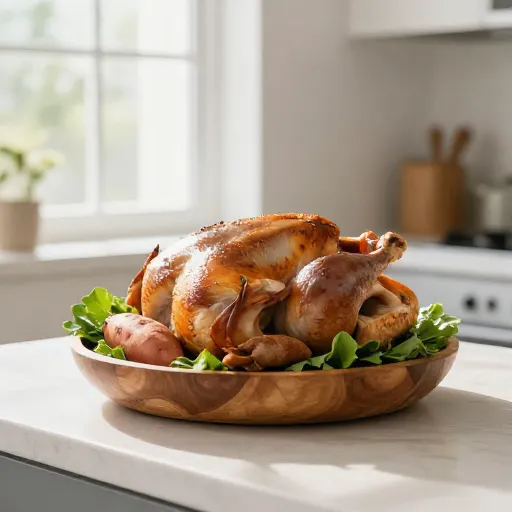
If your pup is constantly scratching, licking their paws, or dealing with red, irritated skin, you know how heartbreaking it can be. I’ve been there with my golden retriever, and after countless vet visits, I realized that the easiest fix was often right in the kitchen.
These simple, homemade dog food recipes focus on limited, anti-inflammatory ingredients to help soothe your dog’s skin from the inside out. No fancy equipment, no weird supplements—just real food that works. Here are three of my go-to recipes that cleared up my dog’s hot spots in under two weeks.
Why These Recipes Work for Skin Allergies
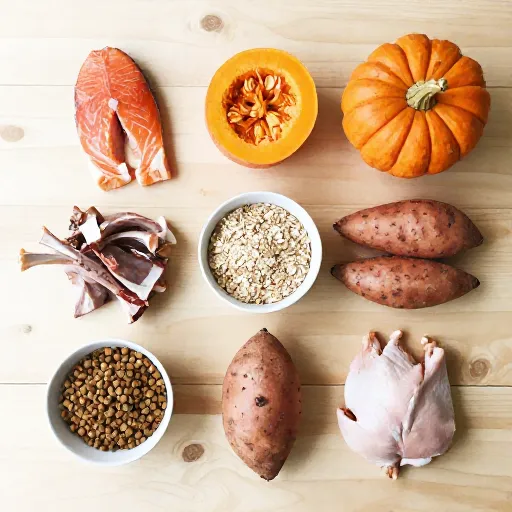
Most commercial dog foods contain common allergens like chicken, corn, wheat, or soy. By making your own, you control exactly what goes into the bowl. These recipes use novel proteins (like turkey or fish) and simple carbs (like sweet potato or pumpkin) that rarely trigger reactions.
The key is keeping it boring. The fewer ingredients, the less chance of a flare-up. Plus, you get to add skin-loving ingredients like fish oil for omega-3s and turmeric for natural anti-inflammatory support. Your dog will eat happily without breaking out.
Equipment You’ll Need
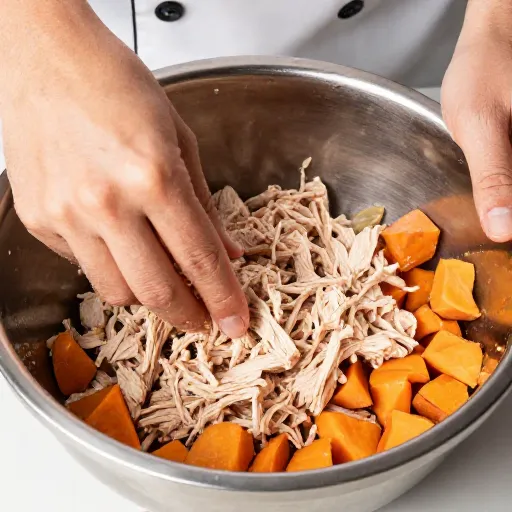
You don’t need a gourmet kitchen for this. Here’s the simple gear I use:
- Large pot (for boiling or simmering)
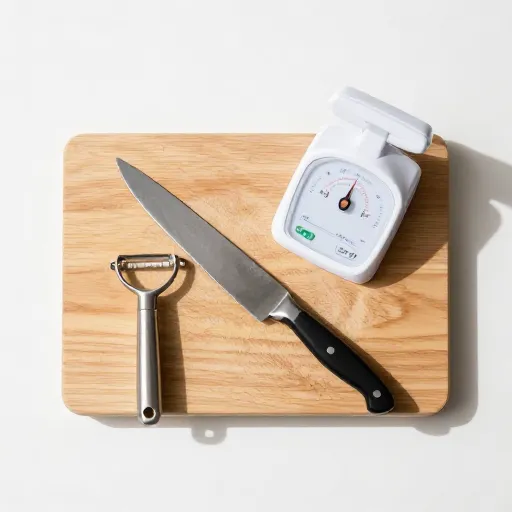
- Cutting board and sharp knife
- Measuring cups and spoons
- Mixing bowl
- Food storage containers (glass or BPA-free plastic)
- Optional: rice cooker or slow cooker
That’s it. No fancy dehydrators or grinders. Just basic tools you probably already have.
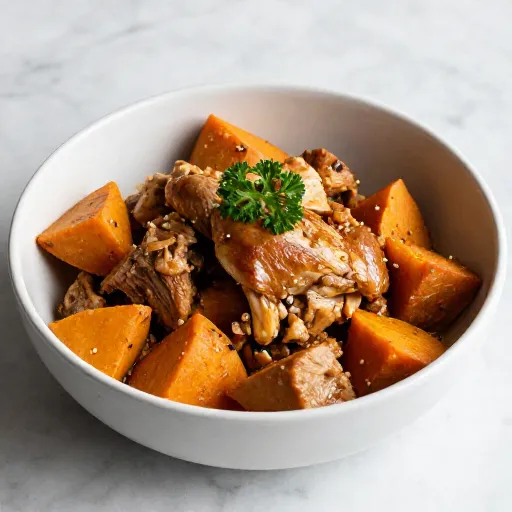
Recipe 1: Turkey & Sweet Potato Soother
This is my number one go-to for itchy, red skin. Turkey is a lean, novel protein that rarely causes reactions, and sweet potato is packed with beta-carotene and fiber.
Ingredients:
- 1 lb ground turkey (93/7 lean)
- 2 medium sweet potatoes, peeled and cubed
- 1 cup green beans, chopped (fresh or frozen)
- 2 tbsp fish oil (or 1 tsp of flaxseed oil)
- 4 cups water
Instructions:
- In a large pot, add the turkey and water. Bring to a boil, then reduce to a simmer.
- Break up the turkey with a spoon as it cooks (about 5 minutes).
- Add the sweet potatoes and green beans. Simmer for 15–20 minutes until potatoes are tender.
- Remove from heat, let cool completely.
- Stir in the fish oil just before serving.
- Store in the fridge for up to 5 days or freeze in portions.
I serve about 1/2 cup per 20 lbs of body weight, twice a day. Adjust based on your dog’s size and activity.
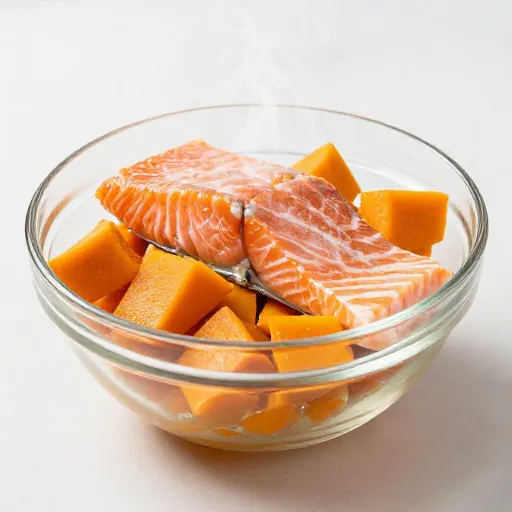
Recipe 2: Salmon & Pumpkin Skin Saver
Salmon is loaded with omega-3 fatty acids, which are basically nature’s anti-inflammatory for dog skin. Pumpkin helps firm up loose stools and adds a boost of vitamin E.
Ingredients:
- 1 lb fresh or canned salmon (boneless, skinless)
- 1 cup canned pumpkin (plain, not pie filling)
- 1/2 cup cooked quinoa or brown rice
- 1 tbsp coconut oil
- 2 cups low-sodium chicken or bone broth
Instructions:
- If using fresh salmon, poach it in the broth for 8–10 minutes until cooked through. Flake with a fork.
- In a mixing bowl, combine the flaked salmon, pumpkin, quinoa/rice, and coconut oil.
- Add enough broth to make a moist, stew-like consistency.
- Let cool completely before serving.
- Store in the fridge for up to 4 days.
This one smells amazing (to dogs, anyway) and is especially good for dogs with dry, flaky skin.
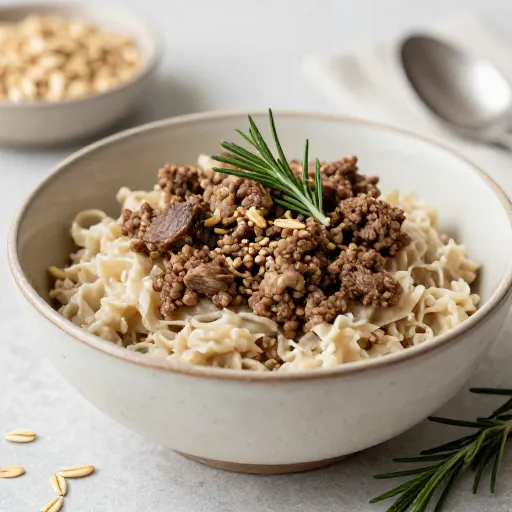
Recipe 3: Lamb & Oatmeal Gentle Bowl
Oatmeal is a hidden gem for allergy-prone pups. It’s naturally soothing to the skin and digestive tract. Lamb is another novel protein that’s easy on sensitive stomachs.
Ingredients:
- 1 lb ground lamb
- 1 cup rolled oats (not instant)
- 1 carrot, finely grated
- 1/2 cup frozen peas
- 3 cups water
Instructions:
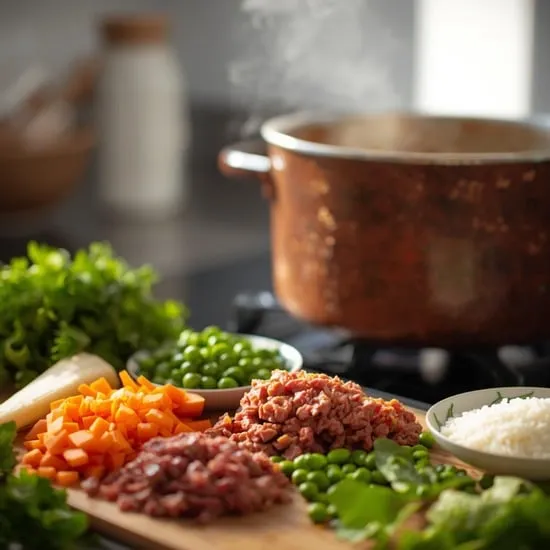
- In a pot, brown the lamb over medium heat, breaking it into small pieces. Drain any excess fat.
- Add water, oats, carrot, and peas. Stir well.
- Bring to a boil, then reduce to a simmer for 10 minutes, stirring occasionally.
- The oats will absorb the liquid and create a thick, porridge-like texture.
- Let cool completely before serving.
- Store in the fridge for up to 4 days.
This one is especially good for older dogs or those with dental issues, since it’s soft and easy to chew.
Tips for Transitioning to Homemade Food
Switching your dog’s diet too fast can upset their stomach, especially if they already have allergies. Here’s how I do it:
- Start with 25% homemade mixed with 75% current food for 2 days.
- Then go 50/50 for 2 more days.
- Then 75/25 for 2 more days.
- Finally, go all-in on homemade.
Watch for any changes in stool or behavior. If your pup seems sluggish or has diarrhea, slow down the transition. Every dog is different.
Also, always consult your vet before making major diet changes, especially if your dog has underlying health issues.
Conclusion
These three recipes have been absolute lifesavers in my house. My dog’s constant scratching stopped within a week, her coat got shinier, and she actually looks forward to mealtime now. The best part? I know exactly what’s in her bowl, and that peace of mind is priceless.
Start with the turkey and sweet potato recipe if you’re not sure where to begin—it’s the most forgiving and least likely to cause issues. Your pup deserves to feel good in their own skin, and sometimes the simplest change makes the biggest difference.

Frequently Asked Questions
Can I use chicken in these recipes if my dog isn’t allergic?
Yes, but chicken is one of the most common allergens for dogs. If you’re trying to identify a trigger, stick with turkey, lamb, or fish first. Once your dog’s skin clears up, you can try adding chicken back in and watch for reactions.
How long does homemade dog food last in the fridge?
Most of these recipes stay fresh for 4 to 5 days in an airtight container in the refrigerator. I like to make a big batch and freeze half in portion-sized bags or silicone molds. It thaws quickly and is super convenient.
Do I need to add any supplements to these recipes?
Not necessarily. The fish oil in Recipe 1 and coconut oil in Recipe 2 already provide essential fatty acids. If your vet recommends additional calcium or a multivitamin, you can add a dog-specific supplement. But for short-term use, these recipes are well-balanced on their own.
My dog won’t eat the pumpkin version. What can I substitute?
Try mashed butternut squash, boiled zucchini, or even steamed apples (without seeds). Some dogs are picky about pumpkin texture. You can also blend it into a puree so it’s less noticeable.
How much should I feed my dog per day?
A general rule is about 2 to 3% of your dog’s ideal body weight in total food per day. For a 20-lb dog, that’s about 1 to 1.5 cups total, split into two meals. Start with less and adjust based on your dog’s energy and stool consistency. Your vet can give you a more exact recommendation.