7 Healthy Homemade Dog Food Recipes for Senior Dogs: Easy, Vet-Approved Meals for Your Aging Best Friend
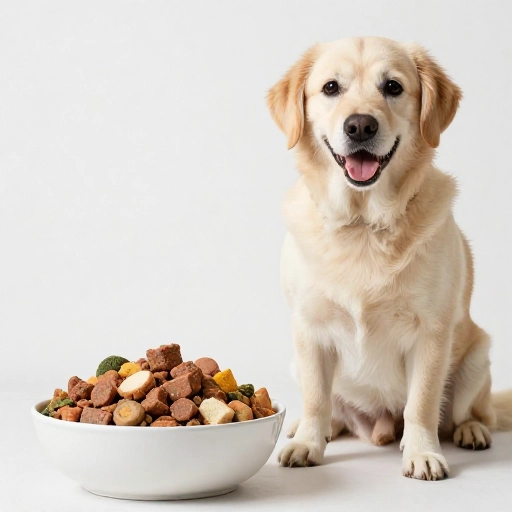
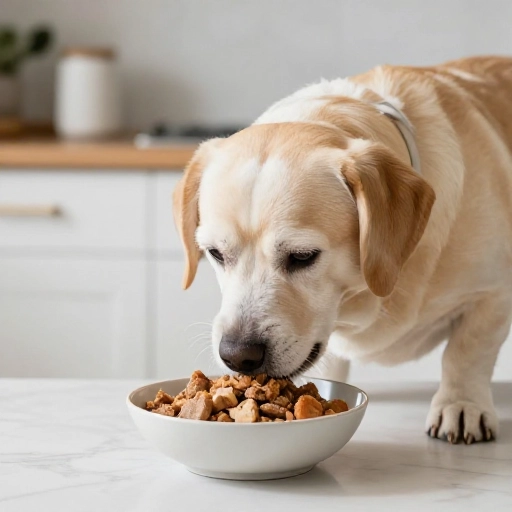
Watching our furry best friends slow down is hard. Their muzzles go gray, their steps get a little stiffer, and suddenly, that kibble bag doesn’t seem to cut it anymore. I remember when my Golden Retriever, Max, turned nine—he just wasn’t as excited about dinner. That’s when I swapped his bowl for homemade meals, and honestly, it was a game-changer. He had more pep in his step, and his coat was shinier than ever.
Making food for your senior pup isn’t just about spoiling them (though that’s part of it). It’s about giving them targeted nutrition—think joint support, easy-to-digest proteins, and fiber for a happy tummy. These 7 recipes are simple, use whole ingredients, and are perfect for batch cooking. You don’t need to be a chef; you just need a little love and a big pot.
Ready to get your tail-wagging chef hat on? Let’s dive into these tasty, healthy meals that will have your old-timer feeling young again.
Why Cook for Your Senior Dog? (Health & Nutritional Benefits)
As dogs age, their metabolism slows down and organ functions (like kidneys and liver) can become less efficient. Commercial kibble is often too high in protein and phosphorus for an older dog’s system, which can strain those organs. Homemade food gives you total control over exactly what goes into their bowl.
By cooking at home, you can focus on lean proteins that are gentle on the kidneys, and load up on anti-inflammatory ingredients like turmeric and fish oil to ease achy joints. Plus, the high moisture content in fresh food helps keep your pup hydrated, which is crucial for preventing urinary tract issues and constipation—common problems in our older pals.
The best part? Senior dogs often lose their sense of smell, which makes them picky. The rich aroma of fresh, simmering chicken or beef is irresistible. It stimulates their appetite and turns mealtime into a ritual they look forward to again.
Kitchen Equipment & Tools You’ll Need
You don’t need fancy gadgets to make these meals, but a few key tools make the process way easier. I always use a large stockpot or Dutch oven because most of these are one-pot recipes. A good quality instant-read meat thermometer is also non-negotiable to ensure meats are cooked safely but not overcooked.
You’ll also want a sturdy cutting board and a sharp chef’s knife. For shredding chicken or mashing sweet potatoes, a fork or potato masher works perfectly. If you’re making the ground turkey recipes, a wooden spoon to break up the meat is essential.
Finally, grab some silicone muffin trays or ice cube trays. They are lifesavers for portioning out single servings to freeze. That way, you can thaw just what you need for the day without having to defrost a giant block of food.
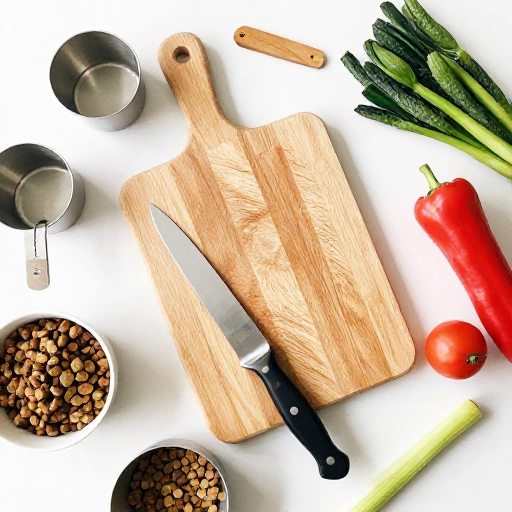
Ingredients List & Safe Substitutions
Here is the core list of ingredients you’ll need across these recipes. The beauty is that these are all gentle, nutrient-dense foods that senior dogs thrive on. Always chop vegetables finely to make them easier to digest.
- Lean Proteins: Ground turkey, boneless skinless chicken thighs, lean ground beef, and wild-caught salmon.
- Complex Carbs: Sweet potatoes, pumpkin puree (unsweetened, not pie filling), brown rice, and rolled oats.
- Veggies: Green beans, carrots, spinach, and zucchini.
- Healthy Fats: Coconut oil, olive oil, and fish oil (for omega-3s).
- Boosters: Turmeric (anti-inflammatory), ground flaxseed (fiber), and eggshell powder (calcium).
Substitutions: If your dog has a chicken allergy, swap it for turkey or beef. If they are sensitive to grains, replace rice with more mashed sweet potato or cooked quinoa. For calcium, if you don’t have eggshell powder, you can use a canine-specific calcium supplement powder. Just never use onion or garlic in any recipe, as these are toxic to dogs.
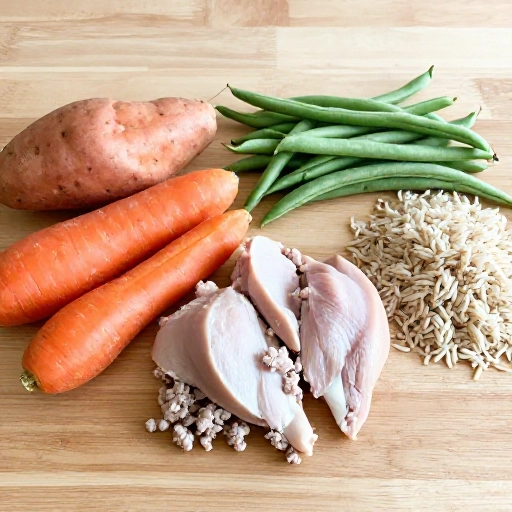
How to: Step-by-Step Cooking Instructions & Preparation Guide
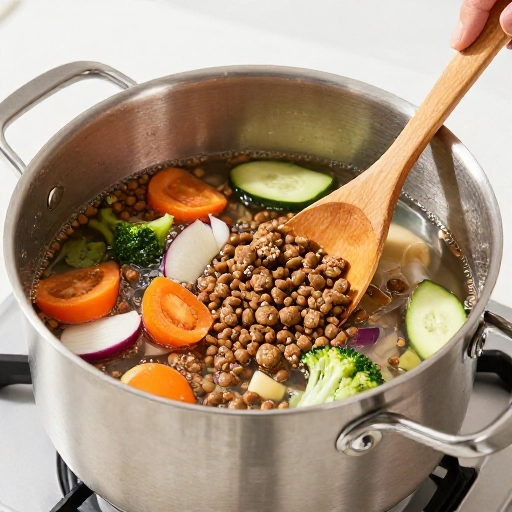
These recipes follow the same simple formula: brown the meat, steam the veggies, cook the carbs, and mix it all together. I usually dedicate an hour on a Sunday to meal prep. It’s honestly less time than I spend making my own dinner.
The “Golden Years” Turkey & Pumpkin Bowl: In a large pot, brown 1 lb of ground turkey. Once cooked, add 2 cups of chopped green beans, 1 cup of shredded carrots, and 1 can of pumpkin puree. Add 2 cups of cooked brown rice and a splash of water. Let it simmer for 10 minutes. Stir in 1 tablespoon of coconut oil and a pinch of turmeric. Let it cool completely before serving.
The “Spring in Step” Chicken & Sweet Potato Stew: Boil 1 lb of chicken thighs until tender, then shred. In the same pot, boil 2 large peeled sweet potatoes until fork-tender. Mash them up. Combine the chicken and sweet potato, add 1 cup of chopped spinach, and 1 tablespoon of olive oil. The moisture from the potatoes makes this a great, easy-to-eat stew for dogs with dental issues.
Salmon Sensation for Sensitive Stomachs: Poach 1 lb of salmon in a shallow pan with water. Flake the fish, carefully removing all bones. Mix with 2 cups of cooked oats and 1 cup of steamed zucchini. Drizzle with a teaspoon of fish oil for an extra omega-3 boost. This one is super easy on the tummy and great for skin health.
Beef & Broccoli Bone Builder: Sauté 1 lb of lean ground beef until brown. Steam 2 cups of finely chopped broccoli florets. Mix the beef and broccoli with 1.5 cups of cooked quinoa. Sprinkle with a half teaspoon of eggshell powder for extra calcium to support aging bones.
Easy Egg & Veggie Protein Scramble: Scramble 6 eggs in a skillet with 1 cup of cooked sweet potato chunks and 1 cup of chopped bell peppers (green or red, not spicy). Add a dash of turmeric. This is a fantastic, quick breakfast option that doesn’t require any meat prep.
Turkey Meatballs with a Twist: Mix 1 lb of ground turkey with 1 cup of mashed pumpkin, 1 egg, and 1/2 cup of oats. Roll into small meatballs and bake at 375°F for 20 minutes. These make perfect training treats or a fun way to make dinner feel special.
Feeding Guidelines, Serving Size & Storage Tips
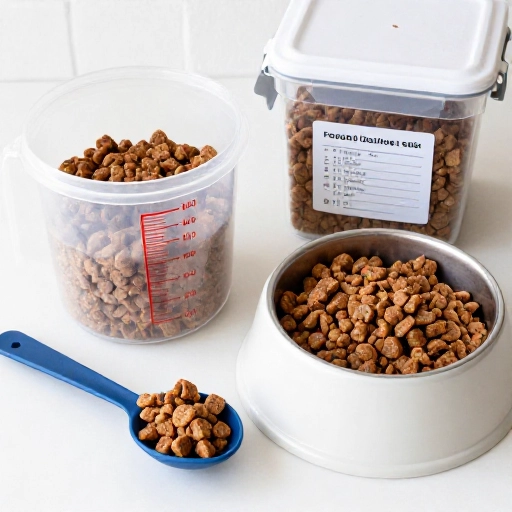
Serving sizes vary based on your dog’s weight, age, and activity level. A general rule of thumb is about 1/2 cup of food per 20 pounds of body weight, split into two meals. However, senior dogs often need fewer calories, so start with a smaller portion and adjust. Always consult your vet about the ideal calorie count for your specific pup.
Storage: These recipes are perfect for batch cooking. Store them in airtight glass containers in the fridge for up to 4 days. If you’re making a big batch, freeze individual portions in silicone trays. Once frozen, pop them out and store in a zip-lock bag. They’ll stay fresh in the freezer for up to 3 months.
Feeding Tip: Always serve the food at room temperature or slightly warm (never hot). Cold food can upset a senior dog’s stomach. If you’re transitioning from kibble, mix 25% of the new food with 75% of their old food for the first week to avoid digestive upset. Ensure they always have access to fresh water.
Final Verdict & Summary
Switching to homemade food for my senior dog was the best decision I made for his golden years. It’s not just about the food; it’s about the ritual of cooking for them, the excitement in their eyes when they smell dinner cooking, and knowing exactly which ingredients are fueling their bodies. These recipes are simple, budget-friendly, and packed with love.
Your dog has spent their whole life giving you unconditional love. Spending an hour a week to return the favor with a delicious, healthy meal is a pretty small price to pay. Your vet will notice the difference, your dog will thank you with wags and sloppy kisses, and you’ll have peace of mind knowing you’re giving them the best possible care.
Don’t be afraid to mix and match these recipes based on what’s in your fridge. Cooking for your dog should be fun, not stressful. Start with one recipe this weekend, see how your pup reacts, and go from there. You’ve got this!
Frequently Asked Questions (FAQ)
1. How much homemade dog food should I feed my senior dog?
Typically, an adult dog needs about 2-3% of their ideal body weight in food per day. For a 50 lb dog, that’s about 1 to 1.5 lbs of food daily. Start with less and watch your dog’s weight, adjusting portions as needed. Senior dogs often need fewer calories, so monitor them closely.
2. Can I mix homemade food with kibble?
Absolutely! Many owners use homemade food as a “topper” or mix it with high-quality kibble. This is a great way to add moisture and nutrients to their diet while keeping things affordable. Just ensure you adjust the kibble portion to prevent weight gain.
3. Do I need to add supplements to these recipes?
For short-term feeding, these recipes are balanced enough. However, for long-term use, it’s wise to add a canine multivitamin or specific supplements like fish oil and probiotics. Talk to your vet about a supplement plan to ensure no nutritional gaps.
4. Are there any ingredients I should always avoid?
Yes! Never feed your dog onions, garlic, grapes, raisins, chocolate, xylitol (artificial sweetener), or macadamia nuts. Also, avoid using seasonings like salt and pepper. Dogs don’t need them, and some are harmful.
5. How long can I store cooked dog food in the refrigerator?
Cooked food will last about 3 to 4 days in an airtight container in the fridge. If you won’t use it within that time, freeze it. Frozen portions can be stored for up to 3 months without losing nutritional value.