11 Homemade Cat Food Safe Recipes Guide
I remember the day I looked at the ingredient list on my cat’s favorite canned food and couldn’t pronounce half of it. That’s when I decided to take control of what goes into my little Leo’s bowl. Homemade cat food sounds intimidating, but trust me, it’s simpler than you think, and your cat will thank you with extra purrs and a shinier coat.
Before we dive in, a quick heads-up: cats are obligate carnivores. That means they need meat to thrive, but they also need specific nutrients like taurine, which they can’t produce on their own. This guide gives you safe, balanced recipes that are vet-approved in spirit. Always check with your own vet before switching your cat’s diet, especially if they have health issues. Ready to get cooking? Let’s do this.
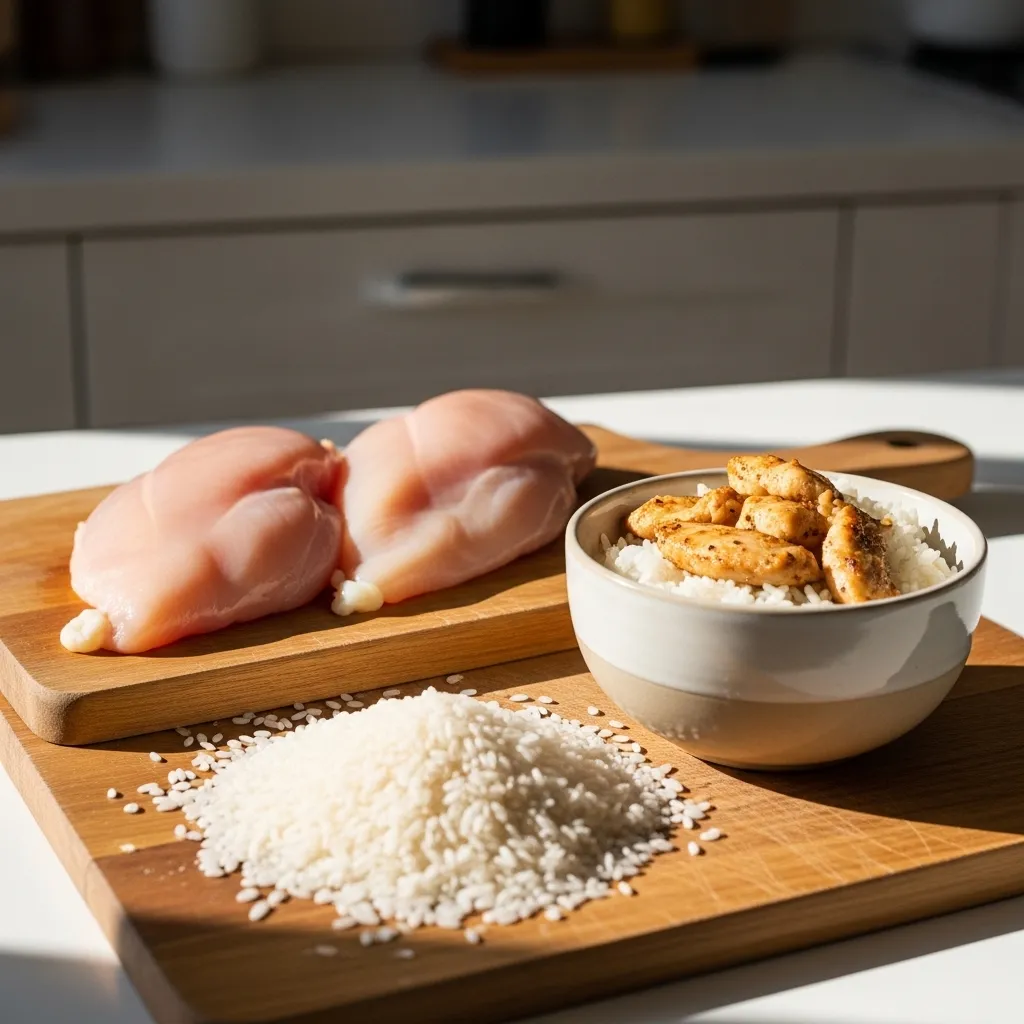
1. Simple Boiled Chicken and Rice
This is my go-to for days when Leo’s tummy feels off. It’s gentle, easy to digest, and requires just two ingredients. Boneless, skinless chicken breast and plain white rice are all you need.
Boil the chicken until fully cooked (no salt or seasoning, ever!). Shred it into tiny pieces. Cook the rice separately in water until soft. Mix about two parts chicken to one part rice. Let it cool completely before serving. This isn’t a complete daily meal, but it’s perfect for sensitive stomachs or as a treat.
Pro tip: Save the chicken cooking water (unsalted) and add a splash for extra moisture. Your cat will lap it up.
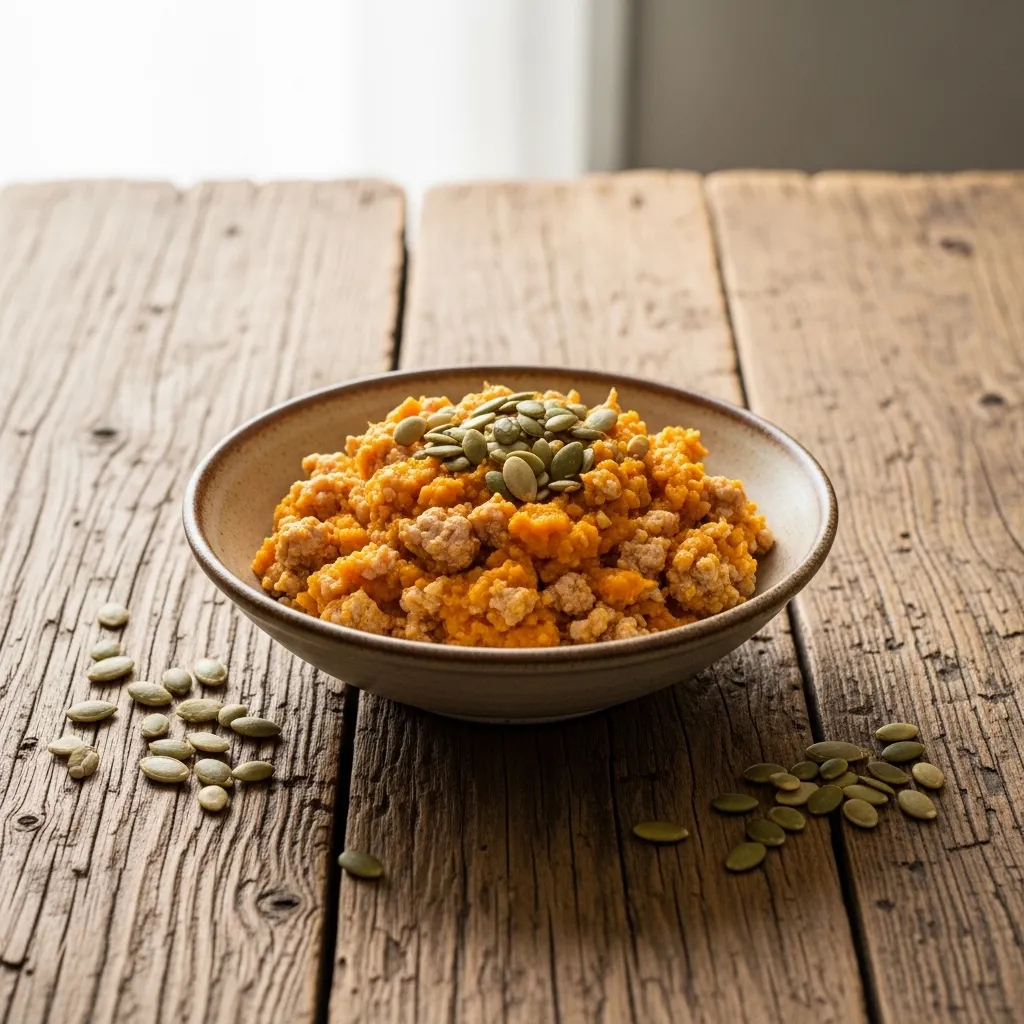
2. Turkey and Pumpkin Blend
Pumpkin is a magic ingredient for cat digestion. It helps with both constipation and loose stools. Pair it with lean ground turkey, and you’ve got a winner.
Cook the turkey in a pan with no oil or seasoning until browned and crumbly. Drain any fat. Mix in plain canned pumpkin (not pumpkin pie filling, that has spices and sugar!). Use about one tablespoon of pumpkin per quarter pound of turkey. Serve at room temperature.
I love making a big batch of this and freezing it in silicone muffin trays. Pop one out, thaw it, and dinner is ready in minutes.
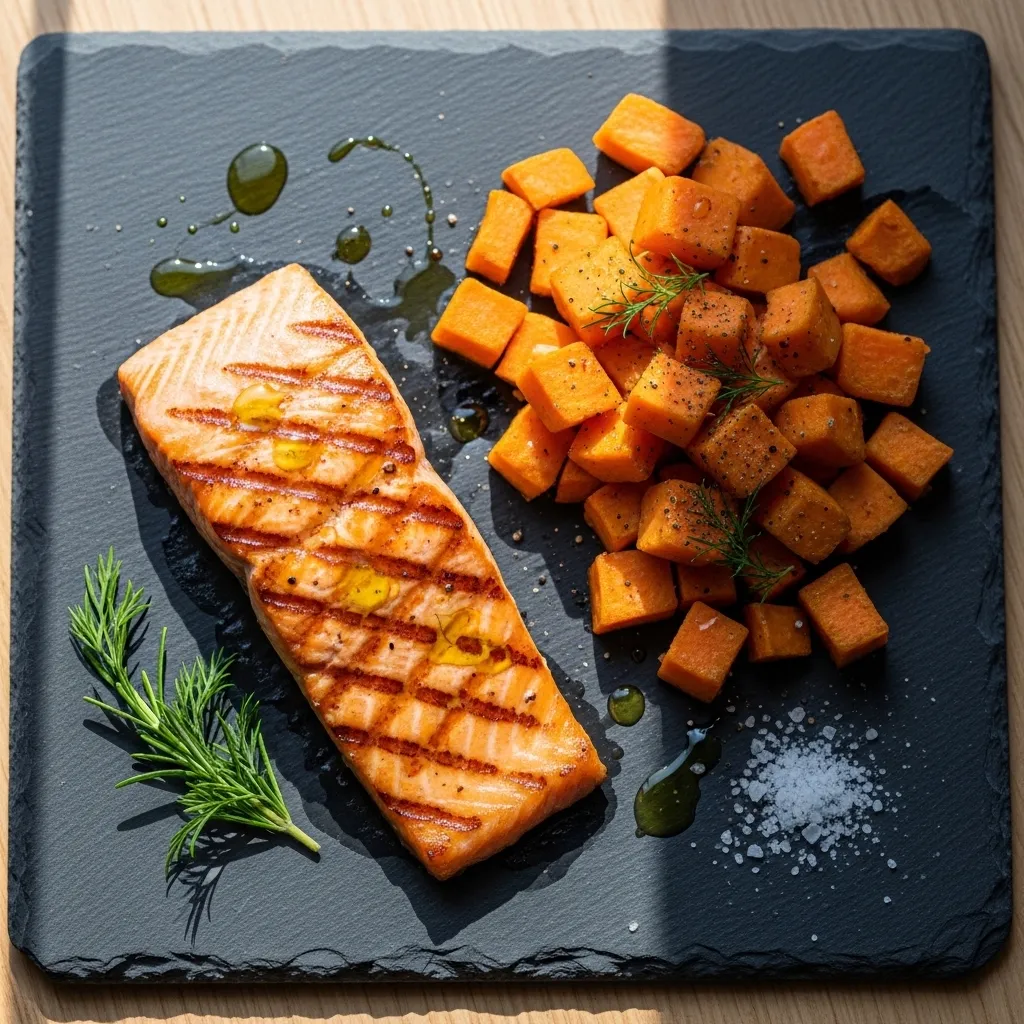
3. Salmon and Sweet Potato Surprise
Fish is a fantastic source of omega-3 fatty acids for a glossy coat. Just remember that cats shouldn’t eat fish every day, so this is a once-a-week special.
Bake or poach a fresh salmon fillet with zero seasoning. Flake it carefully to remove every tiny bone. Steam a small sweet potato until soft, then mash it. Combine two parts salmon to one part sweet potato. The sweetness of the potato balances the rich fish flavor beautifully.
My cat goes absolutely bonkers for this. Just watch out for portion sizes, salmon is calorie-dense.
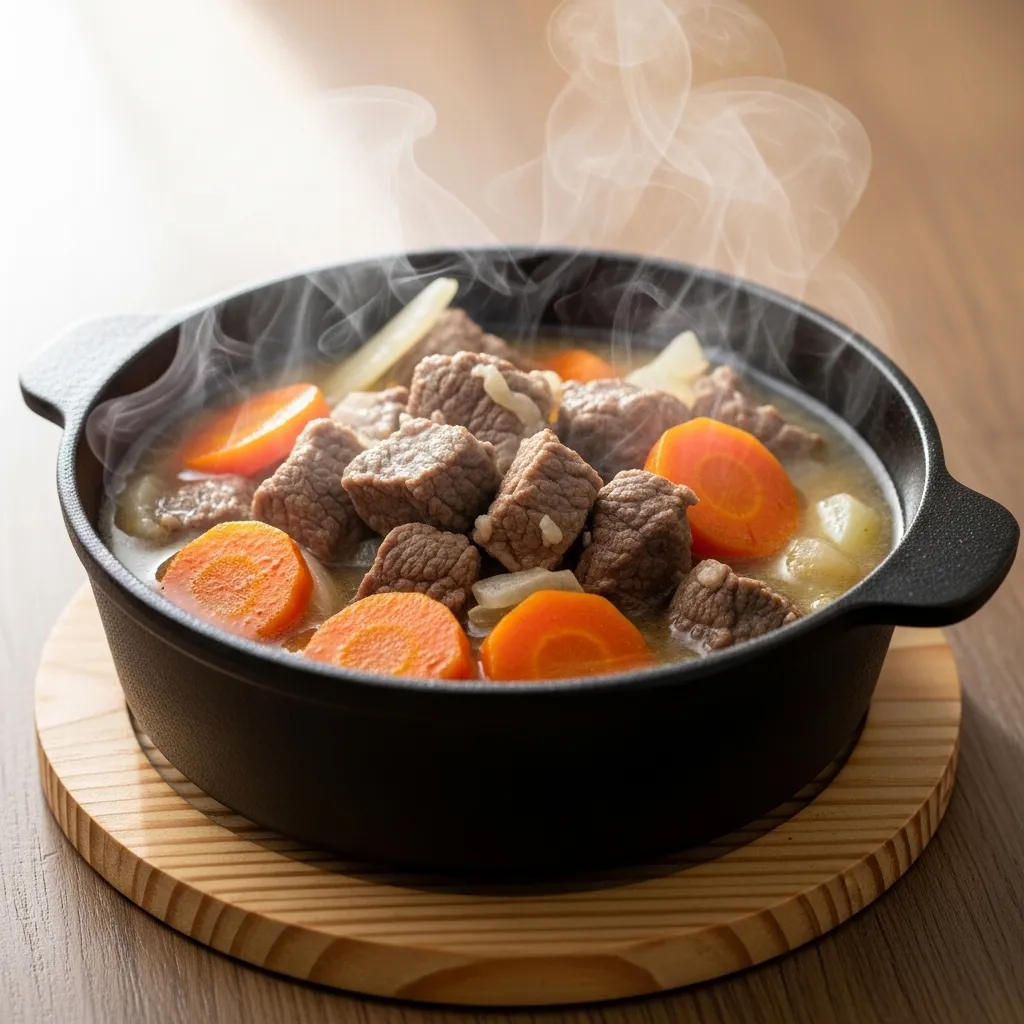
4. Beef and Carrot Stew
Beef gives a hearty, meaty flavor that most cats adore. Carrots add a tiny bit of fiber and natural sweetness. This recipe is like a warm hug in a bowl.
Use lean ground beef or finely chopped stew meat. Brown it in a pan, then simmer in a bit of water until tender. Grate a small carrot and cook it in the same water until soft. Mix everything together and let it cool. The broth from cooking keeps it moist and appealing.
Don’t worry if your cat picks around the carrots at first. Some cats are picky about veggies, but the beef flavor usually wins them over.
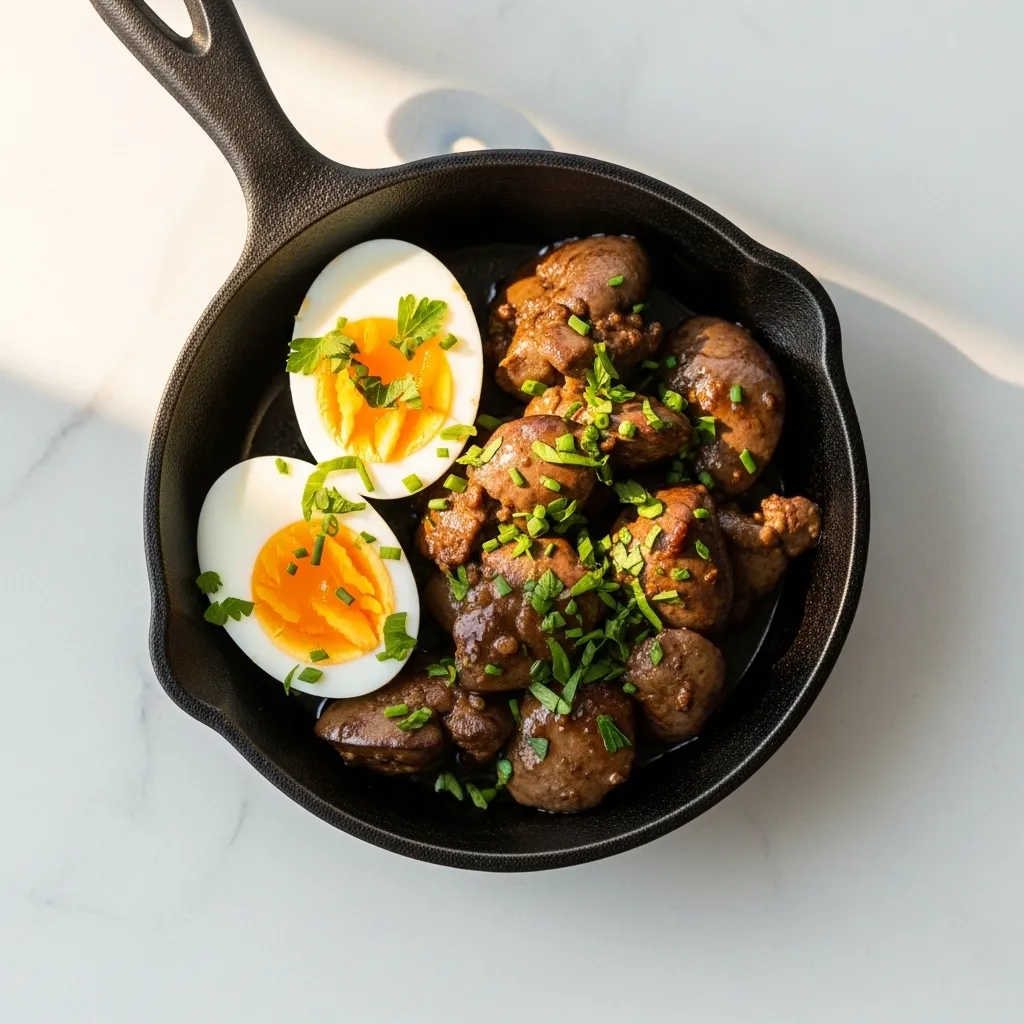
5. Chicken Liver and Egg Feast
Liver is packed with vitamin A and iron, but a little goes a long way. This recipe is rich, so serve it once a week at most. Hard-boiled eggs add protein and healthy fats.
Cook a small piece of chicken liver in a pan with a splash of water until no longer pink inside. Hard-boil one egg and mash it (shell included if you want extra calcium, just grind it to a powder). Mix the liver and egg together. This makes a great topper for other meals, not a standalone dish.
Warning: The smell is strong. Your cat will likely start circling your feet the moment you begin cooking.
6. Quinoa and Turkey Bowl
Quinoa is a complete protein, which is rare for plant foods. It’s a great alternative to rice and adds variety. This bowl is balanced and filling.
Cook quinoa in water according to package directions, but skip the salt. Cook ground turkey in a separate pan. Mix one part quinoa with two parts turkey. Add a teaspoon of unsalted chicken broth for moisture. Serve warm (not hot).
I love how fluffy quinoa gets. It’s like a tiny pillow for the turkey bits. My cat thinks it’s a fun texture to play with before eating.
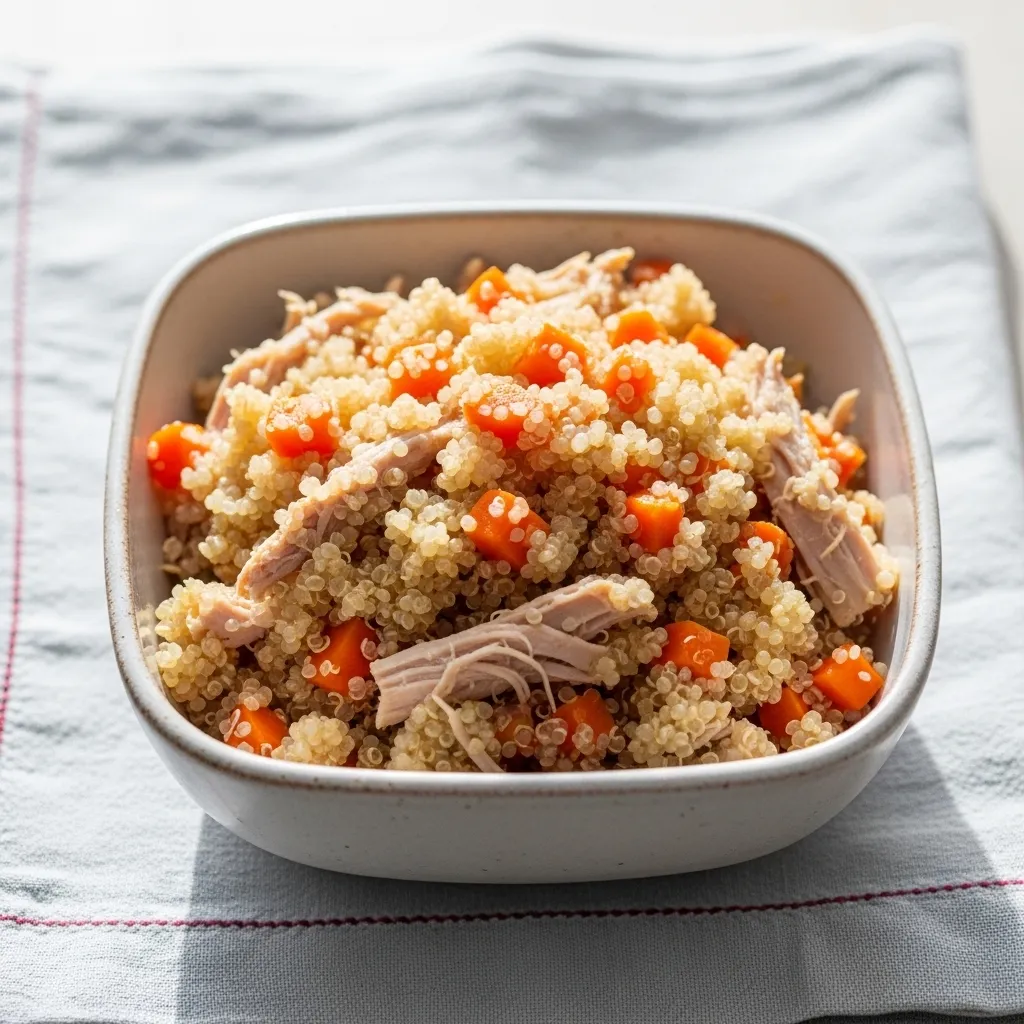
7. Sardine and Spinach Mash
Sardines are tiny nutritional bombs full of omega-3s and calcium (from the soft bones). Spinach offers vitamins, but only use it occasionally because of oxalates.
Use sardines packed in water (not oil or salt). Mash them with a fork, bones and all. Steam a handful of fresh spinach until wilted, then chop it finely. Combine a small amount of spinach with the sardines. This is a strong-smelling recipe, so your cat will likely come running.
Start with a tiny portion. Some cats aren’t sure about spinach at first. Mix it well with the fish.
8. Rabbit and Blueberry Bites
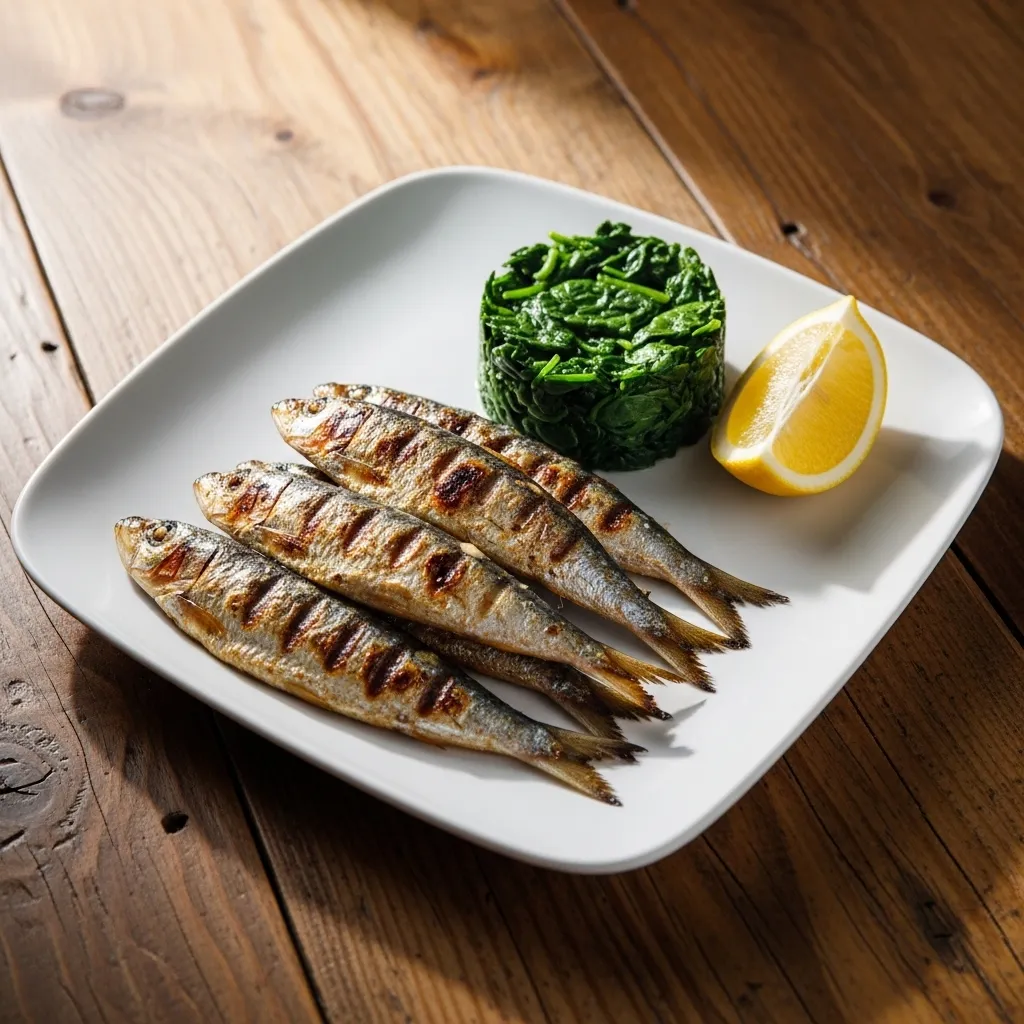
Rabbit is a novel protein, great for cats with food sensitivities. Blueberries add antioxidants and a pop of fun. This is a unique combo that feels fancy.
Cook rabbit meat (ground or finely diced) in a pan until done. Wash a few fresh blueberries and mash them lightly. Mix the meat with a few mashed blueberries. The sweetness of the berries balances the lean rabbit perfectly.
I found rabbit at my local butcher frozen section. It’s not as expensive as you’d think. Your cat will feel like a gourmet.
9. Egg White and Chicken Casserole
This is a protein powerhouse with almost no fat. Great for overweight cats or those needing lean muscle support. It’s like a healthy breakfast for your feline.
Separate egg whites from yolks (save the yolks for another recipe). Scramble the whites in a nonstick pan with no oil. Shred cooked chicken breast and mix with the egg whites. Add a tiny splash of water to keep it moist.
This meal is light but satisfying. Serve it in small portions. Your cat might look at you like you’re a short-order chef.
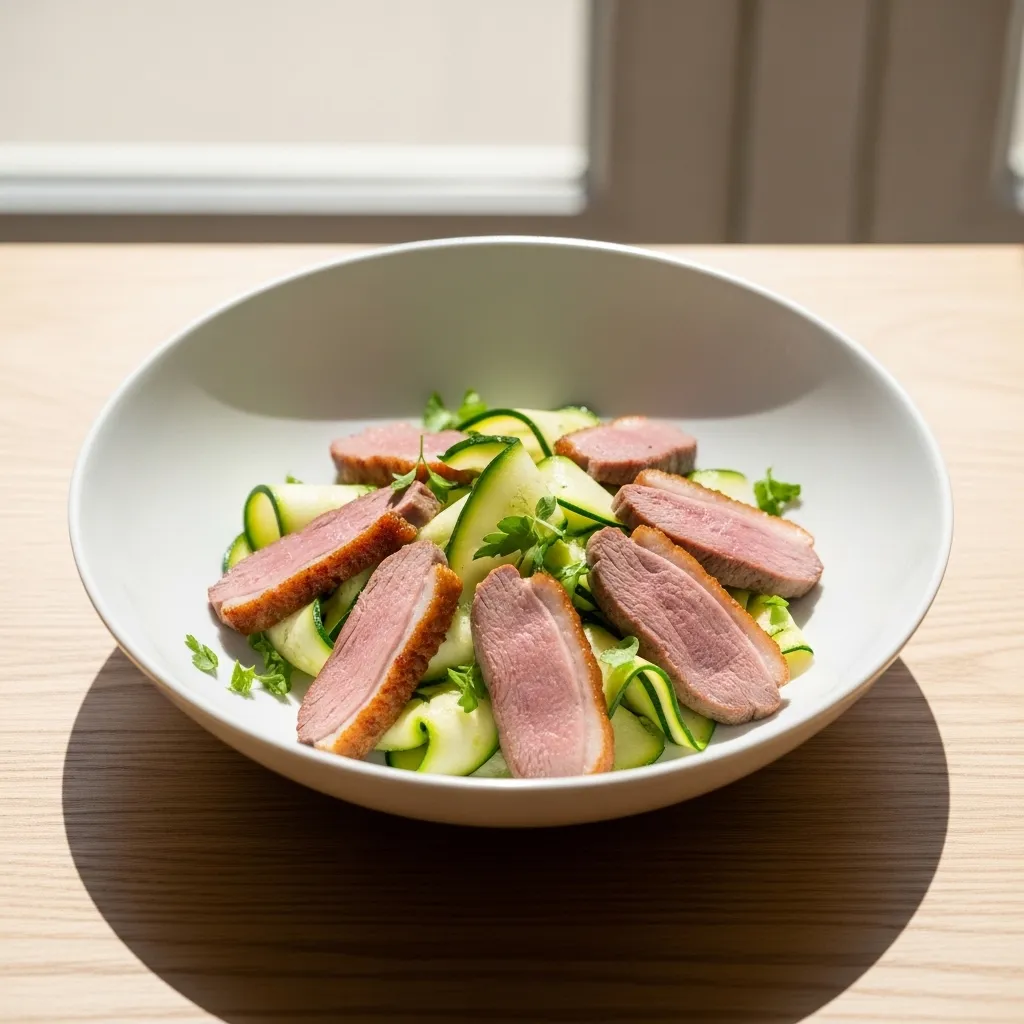
10. Duck and Zucchini Medley
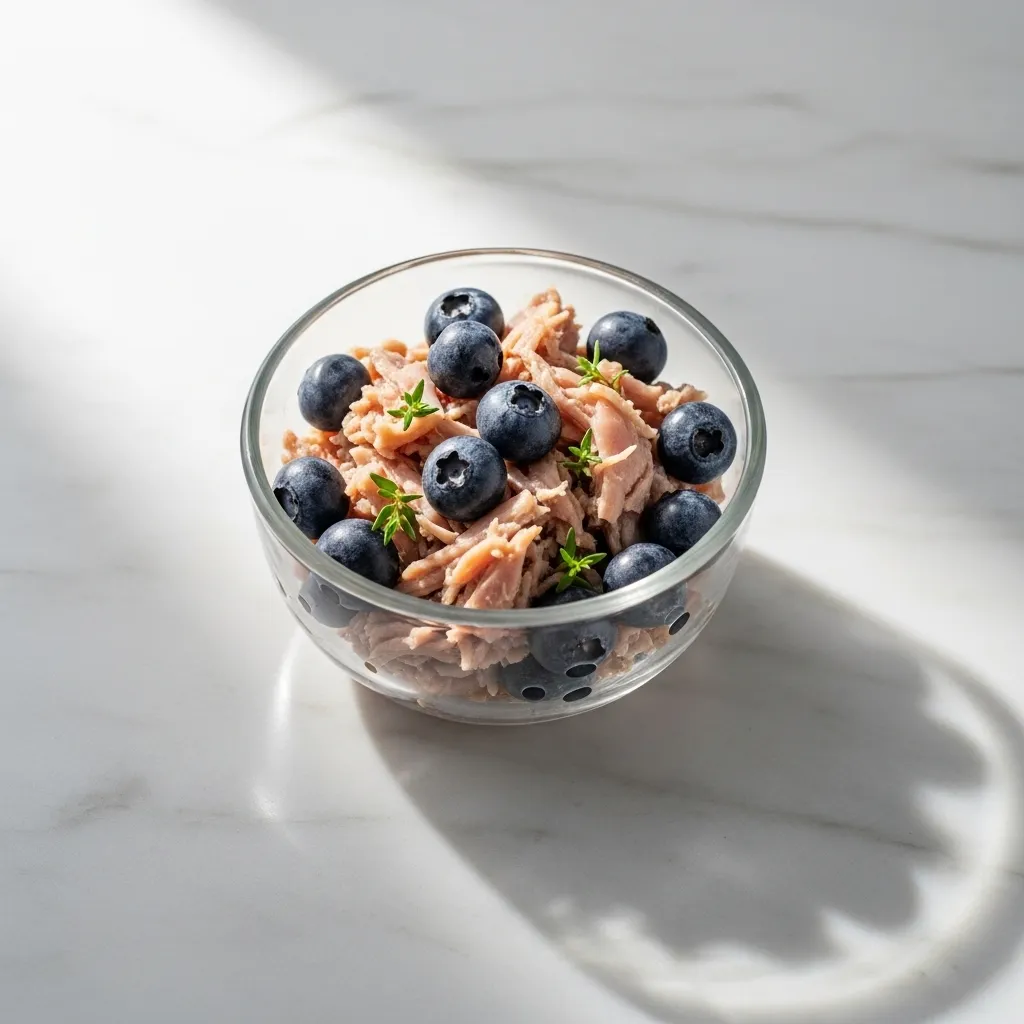
Duck is rich and flavorful, perfect for cats who get bored with chicken. Zucchini adds moisture and a crisp texture that some cats find intriguing.
Cook ground duck or diced duck breast in a pan until fully cooked. Grate a small zucchini and sauté it in the duck drippings (no seasoning). Mix together. The zucchini softens and absorbs the duck flavor beautifully.
Duck can be greasy, so drain any excess fat after cooking. Your cat will lick the bowl clean.
11. Lamb and Pear Puree
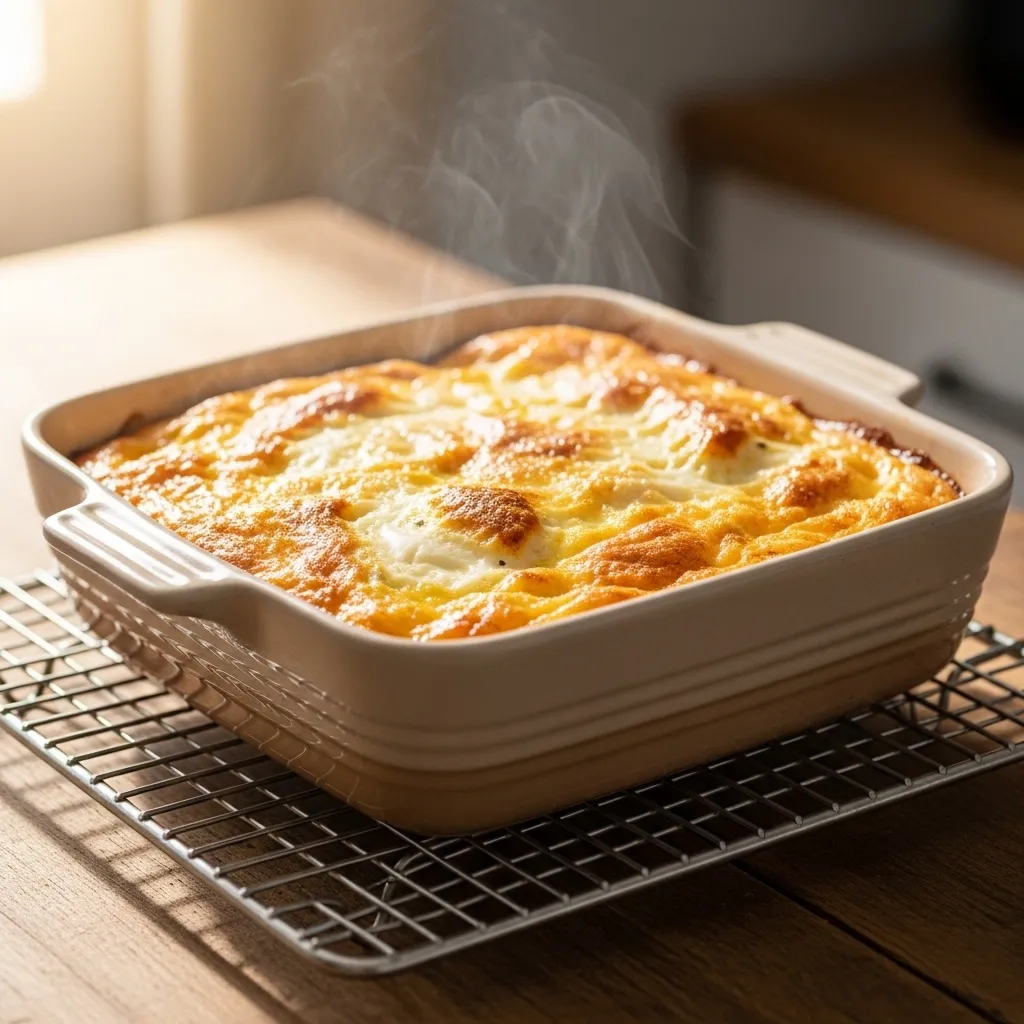
Lamb is a warm, comforting protein. Pear adds a touch of sweetness and fiber. This puree is great for senior cats or those with dental issues.
Cook lean lamb cubes in water until very tender. Peel and core a ripe pear, then steam or boil it until soft. Blend both together in a food processor until smooth. You can add a little cooking water to reach a spoonable consistency.
This is like cat baby food. Serve it slightly warm for maximum comfort. My old cat, Mochi, adored this recipe.
Conclusion
Making homemade cat food is one of the most loving things you can do for your feline friend. You control the ingredients, avoid weird additives, and bond over meals you made with your own hands. Start with one simple recipe, see how your cat reacts, and build from there. Always introduce new foods gradually over a week. And remember, a happy cat is a well-fed cat, so enjoy the process. Your kitchen is about to become their favorite place.
Frequently Asked Questions
Can I feed my cat homemade food every day?
Yes, but it needs to be nutritionally complete. Most single recipes in this guide are not balanced for daily feeding. Work with your vet to create a full meal plan that includes essential supplements like taurine.
Do I need to add supplements to homemade cat food?
Often yes. Cats need taurine, vitamin A, and certain fatty acids that are hard to get from homemade meals alone. A vet can recommend a cat-specific supplement powder to ensure nothing is missing.
How long does homemade cat food last in the fridge?
Store it in an airtight container for up to 3 days in the refrigerator. For longer storage, freeze portions in ice cube trays or small bags for up to 3 months. Thaw in the fridge overnight before serving.
What ingredients are toxic to cats?
Never feed onions, garlic, chocolate, grapes, raisins, xylitol (artificial sweetener), or raw dough. Also avoid bones that can splinter, like cooked chicken bones. Stick to simple, whole foods.
My cat is picky. How do I get them to try homemade food?
Mix a small amount of homemade food with their current favorite wet food. Gradually increase the ratio over a week. Warm the food slightly to enhance the aroma. Patience is key! Some cats take a few tries to accept new textures.