Improve Your Dog’s Heart Health in 1 Easy Step (Yes, Really!)
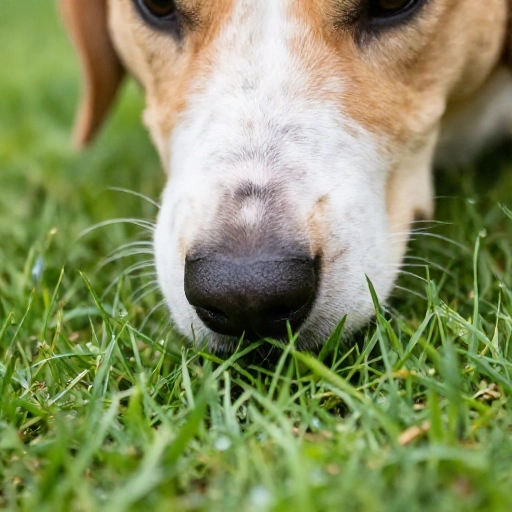
Let’s be honest—when we think about heart health for our dogs, we usually picture expensive supplements, complicated diets, or long runs that leave us both panting. But what if I told you the absolute best thing you can do for your pup’s ticker is something you both already love? It’s not a pill, and it’s not a fancy grain-free kibble. It’s something so simple that you might brush it off at first. But trust me, once you see the research and feel the difference in your dog, you’ll be hooked.
I’m talking about the power of purposeful sniffing. Not just a quick pee break, but a real, nose-to-the-ground, tail-wagging adventure where your dog gets to read the world like a fascinating novel. This single, easy step changes everything about how their body handles stress, movement, and even their daily calorie burn. Stick with me—I’m going to show you exactly how to make this work for your dog, even if you live in a tiny apartment or have a senior pup with creaky joints.
Why Sniffing Is a Cardio Workout (Without the Running)
When your dog sniffs deeply, their heart rate actually changes. It’s not the same as sprinting, but it’s a unique form of interval training for their nervous system. Deep nasal breathing activates the vagus nerve, which is the master switch for the “rest and digest” state. This lowers cortisol (the stress hormone) and allows the heart to work more efficiently, even at a resting pace.
Think of it this way: a stressed heart beats fast and hard. A relaxed heart beats steady and strong. By simply letting your dog sniff for 10 extra minutes a day, you are literally telling their body to calm down. Over time, this reduces the wear and tear on their heart muscle and blood vessels. It’s the closest thing we have to a natural beta-blocker, and it costs nothing.
Plus, a sniffing dog is a mentally tired dog. And a mentally tired dog is less likely to pace, bark, or get anxious, which are all silent stressors that strain the heart over time.
The “One Easy Step” That Changes Everything
Here is the step: Trade one daily walk for a “Sniffari.” That’s it. Instead of dragging your dog along a sidewalk at a brisk pace, you let them lead. You pick a new route (even a small patch of grass counts) and you slow your pace down to a crawl. Let them stop at every bush, every fire hydrant, and every interesting leaf. For 20 minutes, you are not walking; you are exploring.
For most of us, this feels wrong. We think, “But I need to exercise my dog!” You do, but physical exercise for a dog isn’t just about distance. It’s about variety and engagement. A Sniffari gets their heart rate up in short, natural bursts as they pull toward a scent, stop, and then move again. This mimics the natural hunting behavior their hearts were designed for.
Start small. If your dog is used to fast walks, do 5 minutes of sniffing and 15 minutes of walking. Gradually flip the ratio. You’ll notice your dog starts to yawn (a sign of relaxation) and their body looks looser. That is the magic working.
How Sniffing Lowers Blood Pressure Naturally
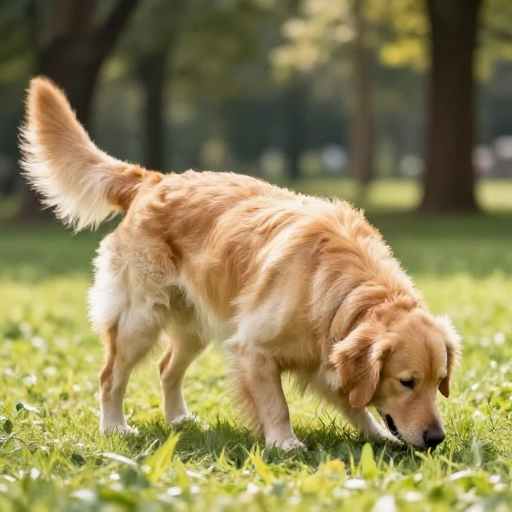
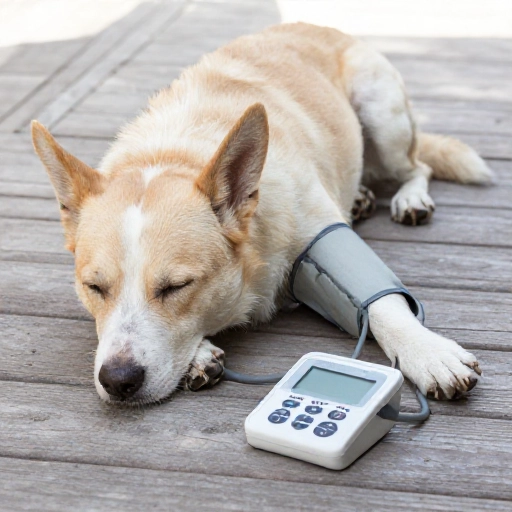
We can’t check our dog’s blood pressure at home easily, but we can observe their breathing. When a dog is on a mission to sniff, their breathing becomes rhythmic and deep. This is the exact opposite of the shallow, rapid panting they do when they’re stressed or overheated. Deep breathing sends a signal to the brain to release nitric oxide, which relaxes the inner muscles of your dog’s arteries.
As those arteries relax, blood flows more freely, and the heart doesn’t have to pump as hard. It’s a domino effect of health. For dogs prone to anxiety or reactivity, this is a game-changer. You are essentially giving them a mini meditation session every time you go outside.
Try this: next time your dog is sniffing intensely, watch their shoulders. They should be relaxed, not hunched. That visual cue is your proof that their cardiovascular system is getting a break from the daily grind.
Turning a Quick Pee Break Into a Heart-Healthy Ritual
We all have those rushed morning bathroom breaks—coffee in one hand, leash in the other, hoping they just do their business. I get it. But try to designate at least one walk a day (maybe the evening one) as a “no-rush” zone. Leave your phone in your pocket. Don’t check the time. Your only job is to follow your dog’s nose.
When you do this, you’ll notice your dog’s body language shifts. They start to sniff the air, not just the ground. They might even lie down and roll in the grass. This is them engaging their senses fully, which burns mental energy and lowers their heart rate. It’s a better workout for their heart than running because it doesn’t spike adrenaline.
Make this ritual non-negotiable. Even 15 minutes of this focused time is enough to make a measurable difference in their stress levels and, consequently, their heart health. It’s the easiest habit you’ll ever form, and your dog will remind you if you forget.
Why Mental Exercise Beats Physical Exercise for the Heart
We have been taught that a tired dog is a good dog, but we usually achieve that through fetch or running. However, a dog that is physically exhausted but mentally bored is a recipe for anxiety. That anxiety spikes cortisol, which directly damages the heart over a lifetime. Mental exercise—like sniffing—tires the brain out completely, which is what actually lowers the resting heart rate.
When your dog uses their nose, they are solving puzzles. “Who was here? When? Are they a friend?” This cognitive effort is exhausting in the best way. A dog that has done a 30-minute Sniffari will sleep more deeply than a dog that ran for an hour. Deep sleep is when the heart repairs itself.
So, stop feeling guilty about not jogging with your dog. You are doing something better. You are giving them a job to do, and that job is making their heart stronger, beat by beat.
The Hidden Danger of High-Intensity Fetch
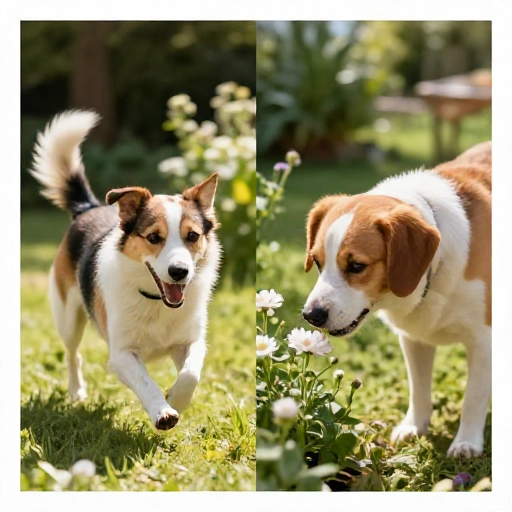
I love playing fetch as much as the next person, but those sudden sprints and hard stops are intense on a dog’s cardiovascular system, especially for brachycephalic breeds (like pugs or frenchies) or senior dogs. The sudden spike in heart rate can be risky. Sniffing, on the other hand, is a low-impact, steady-state activity that builds cardiovascular endurance without the spikes.
That doesn’t mean you should never play fetch again. But it means you should balance it. For every 10 minutes of fetch, give them 15 minutes of sniffing. This balances the adrenaline with the calming parasympathetic response. Your dog’s heart will thank you by not having to work so hard to recover after play.
Think of sniffing as the “cool-down” that every athlete needs. You wouldn’t run a marathon and just stop dead. Sniffing is the perfect cool-down for your dog’s heart after any excitement.
How to Sniffari in a Tiny Apartment or City
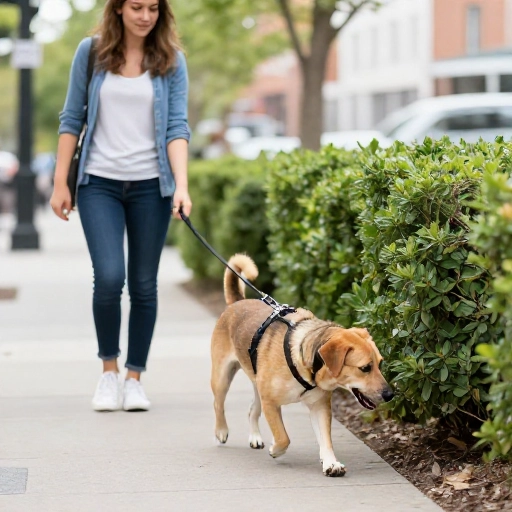
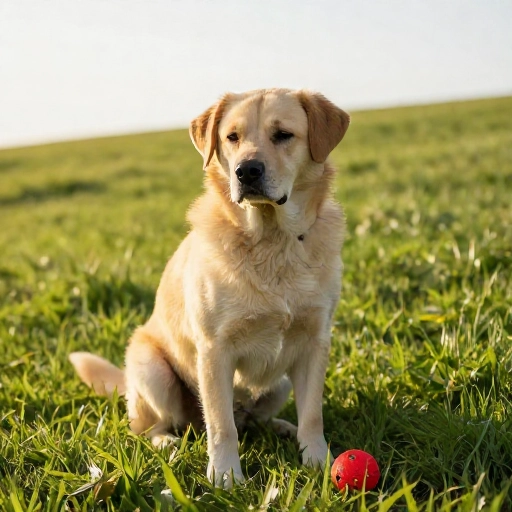
Don’t have a big backyard? No problem. The beauty of a Sniffari is that it doesn’t require space, only time. A small strip of grass between the sidewalk and the road is a treasure trove of scents for your dog. A fire hydrant is like a social media feed for them. Even a walk around the block at a snail’s pace counts.
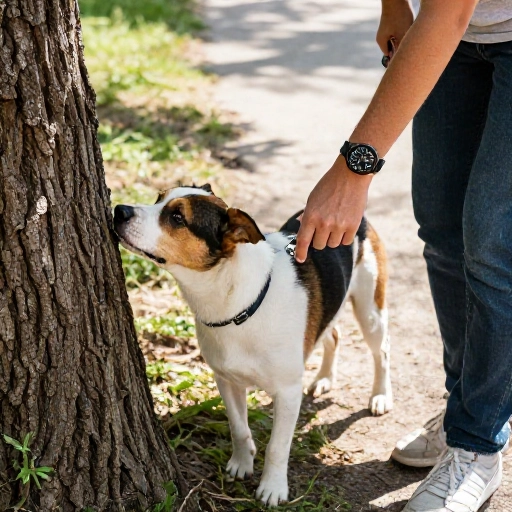
If you are in a concrete jungle, find a planter box or a tree base. Let your dog circle it for five minutes. The key is to let them take their time. Do not pull the leash. Just stand there and let them work. You might look a little odd standing still, but your dog’s heart is getting a workout.
For rainy days, you can mimic this indoors by scattering treats in the grass or on a rug. It’s not exactly the same, but the sniffing motion is what matters. The goal is to engage that nose for a sustained period to trigger the relaxation response.
Signs Your Dog’s Heart Is Thanking You
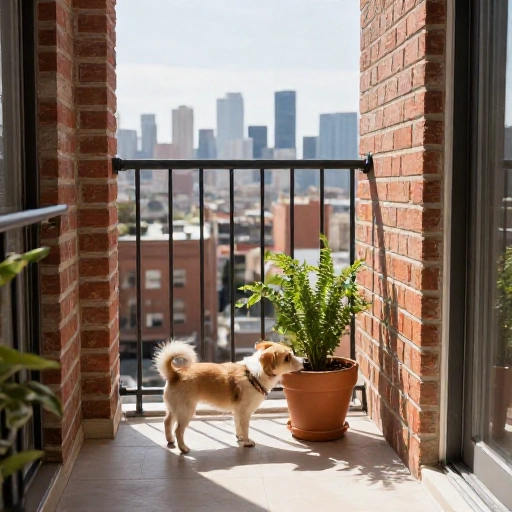
After a few weeks of regular Sniffaris, you’ll start to see the results. First, you’ll notice they are calmer indoors. They won’t jump at every sound. Second, their breathing will be slower and deeper when they sleep. Third, they will have more energy for the things they love because they aren’t spending all their energy on stress.
You might also notice they stop pulling on the leash as much. When a dog knows they will get time to sniff, they are less frantic about it. They learn to savor it. This reduction in leash tension is a physical sign that their blood pressure is lower and their heart is not in overdrive.
Listen to their heart when you cuddle. A healthy resting heart rate feels like a steady, strong drum. You want to hear that calm thump, not a racing flutter. The Sniffari will get you there.

Combining Sniffing with Gentle Movement for Senior Dogs
If you have a senior dog with arthritis, running or long walks are off the table, but sniffing is still perfect. In fact, it’s more important for them. Older dogs often get stressed because they can’t move as fast as they used to. Giving them a Sniffari restores their confidence and keeps their heart healthy without stressing their joints.
For these dogs, you can do a “sniff spot.” Find a quiet bench, sit down, and just let them explore a 10-foot radius for 20 minutes. They will hobble around, sniff, and come back to you. That gentle movement, combined with the mental stimulation, is excellent for their circulation.
Never underestimate the power of the nose for an old dog. It keeps them young. It gives them purpose. And it protects their heart from the stress of aging.
Making Sniffing a Daily Habit (Without It Taking Over Your Life)
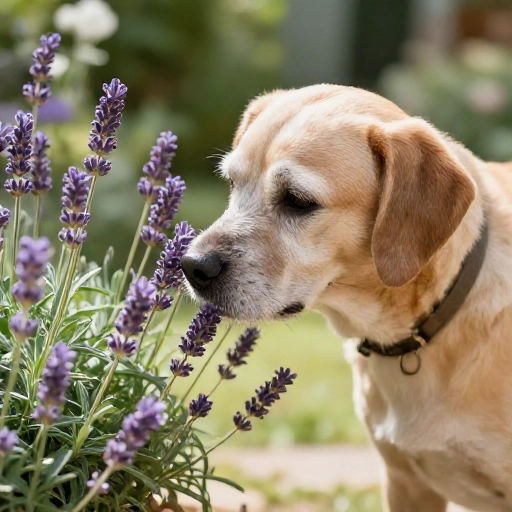
The best way to make this work is to attach it to an existing routine. For example, after your morning coffee, you take the dog out for a Sniffari. Or, you turn your evening walk into a sniffing session. You don’t have to do it twice a day. Once is enough if you do it right.
Set a timer on your phone for 15 minutes. When the timer goes off, you can start walking briskly back home. This gives your dog a clear boundary and prevents you from getting frustrated. It’s a win-win: they get the time, and you get the structure.
Remember, this is not a chore. It’s a chance for you to disconnect too. Watch your dog’s joy. You will find that your own heart rate slows down as you watch them. It’s a beautiful, mutual benefit.
Conclusion: The One Step That Keeps on Giving
So there it is. The one easy step to improve your dog’s heart health isn’t a supplement or a surgery—it’s simply letting them be a dog. It’s slowing down and letting them sniff the world. This tiny shift in your daily walk will lower their stress, improve their blood pressure, and strengthen their heart in a way that no treadmill ever could.
Start today. Even if it’s just for five minutes. Your dog’s heart will literally beat for you because of it. And honestly, isn’t that the best reward? Give it a try, and watch the magic of the sniff. Your vet will be amazed at your dog’s next check-up.
Frequently Asked Questions
How long should a sniffing walk be to help the heart?
Just 15 to 20 minutes of focused, purposeful sniffing is enough to trigger the relaxation response and lower heart rate. You don’t need hours; you just need to let them set the pace.
Is sniffing better than running for my dog?
For heart health, yes. Running spikes adrenaline, which is fine in short bursts, but sniffing builds a steady, calm cardiovascular baseline. It’s the balance of both that’s ideal, but if you have to choose one, sniffing is safer and more sustainable.
Can I do this if my dog is a high-energy breed like a Border Collie?
Absolutely! High-energy dogs need this even more. A Sniffari can tire them out mentally, which is often more exhausting than physical exercise. Start with a short walk, then a long sniff, and you’ll see them settle down faster.
What if my dog pulls to walk and won’t sniff?
This is common if they are used to fast walks. Try walking to a bench and just standing there. Wait for them to calm down and sniff. Reward the sniff. Once they realize they get to sniff, they will slow down on their own.
Does sniffing help with heart problems like murmurs?
Sniffing won’t cure a structural issue like a murmur, but it will help manage the stress and blood pressure, which reduces the workload on the heart. Always follow your vet’s advice, but adding sniffing is a wonderful, safe complement to any treatment plan.