7 Puppy Enrichment Ideas That Actually Work
Bringing a new puppy home is pure joy, but it also comes with a lot of energy and curiosity. You might notice your little one chewing on furniture, digging in the yard, or barking for no reason. That is often a sign of boredom. A tired puppy is a happy puppy, but physical exercise alone isn’t enough. You need to challenge their growing brain too.
Puppy enrichment is not about fancy toys. It is about giving your pup the right kind of mental and sensory stimulation. These activities help prevent destructive habits and build confidence. I have tried many things with my own pups, and these seven ideas are the ones that truly made a difference. They are simple, affordable, and easy to fit into your day.
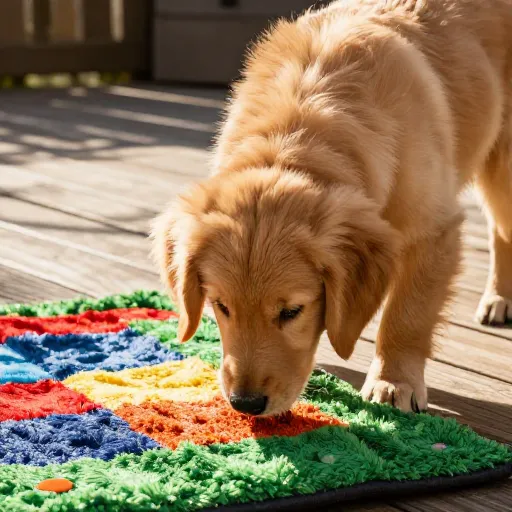
1. The Classic Snuffle Mat Game
A snuffle mat is a simple piece of fabric with lots of strips and folds. You hide small treats or a bit of their kibble deep inside the fabric. Your puppy has to use their nose to sniff and find every piece. This taps into their natural foraging instinct.
You do not even need to buy one. You can make a DIY version by rolling treats into an old towel. Let your pup unroll it. It takes about ten minutes and wears them out more than a long walk. Start with easy hiding spots so they don’t get frustrated.
This game builds focus and calms an anxious puppy. It is perfect for rainy afternoons or when you need a quiet moment.
2. Frozen Treats for Hot Days
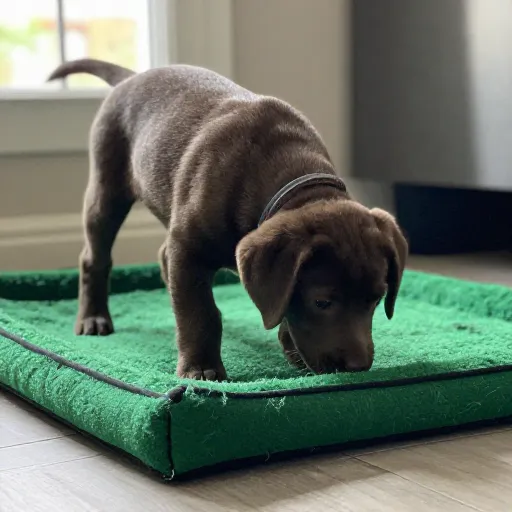
Freezing food is one of the easiest ways to add enrichment. You can freeze plain yogurt, pumpkin puree, or soaked kibble inside a Kong toy or a silicone mold. The cold keeps your puppy busy for a long time as they work to lick and chew the treat out.
I like to layer ingredients. A little peanut butter on the bottom, then some blueberries, and finally kibble mixed with water. Freeze it overnight. The next day, you get at least twenty minutes of quiet, focused licking.
Licking is a calming behavior for dogs. It releases feel-good hormones. This is great for teething puppies who need something cool and soothing on their gums.
3. Simple DIY Puzzle Boxes
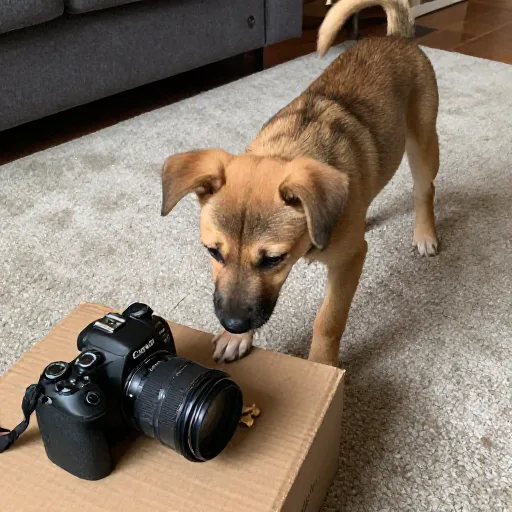
You do not need expensive puzzle toys. A cardboard box with a few holes cut into it works perfectly. Place a few treats inside, close the flaps, and let your puppy figure out how to open it. You can also use a muffin tin with a tennis ball covering each treat cup.
The key is to keep it safe. Remove any tape or staples from the cardboard. Supervise your puppy in case they try to eat the box. Most pups learn quickly and get so proud when they solve the puzzle.
This type of problem-solving builds mental muscles. It teaches persistence and patience. Plus, it is a great way to reuse your recycling bin.
4. Scent Work for Beginners
Dogs experience the world through their nose. Scent work is simply hiding a treat or a toy and letting your puppy find it. Start easy. Let them see you place a treat under a cup. Once they get that, hide it behind your back or under a blanket.
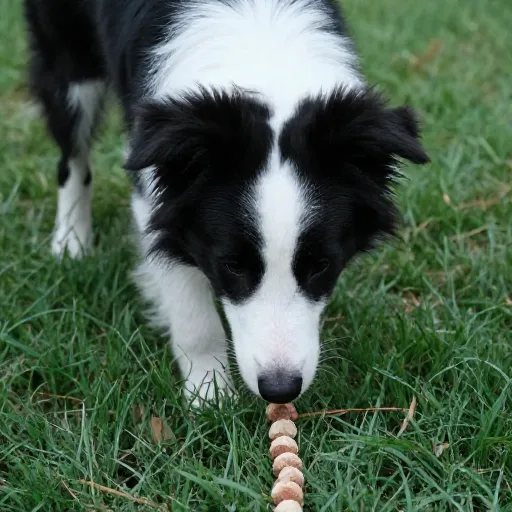
You can also play the “find it” game in your yard. Drop a few treats in the grass and let your pup search. It taps into their natural hunting skills. This is low-impact exercise that builds confidence, especially for shy puppies.
I love doing this before a nap. It helps them settle down faster because their brain has worked hard.
5. Novel Textures and Surfaces
Puppies learn a lot through their paws and mouths. Give them a chance to explore different surfaces. You can lay down a yoga mat, a piece of aluminum foil (supervised), a towel, or a pile of leaves. Let them walk on it, sniff it, and investigate.
Another fun idea is a “digging box.” Fill a shallow plastic bin with shredded paper, fabric strips, or child-safe sand. Hide treats and toys inside. Your puppy can dig to their heart’s content without ruining your garden. It gives them a safe outlet for a very natural behavior.
Rotate the textures every few days to keep things fresh. It is amazing how curious puppies can be about something as simple as a crinkly bag.
6. The Art of Chewing
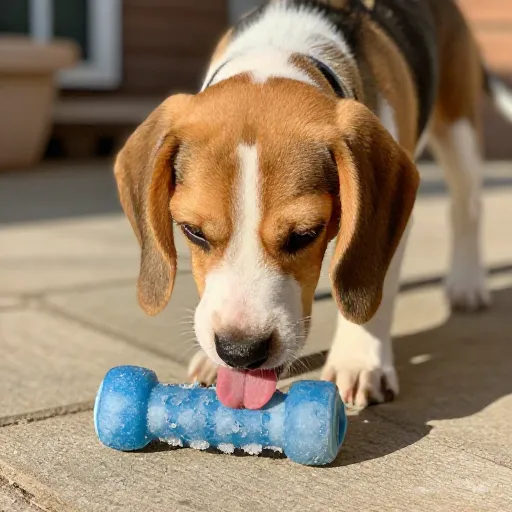
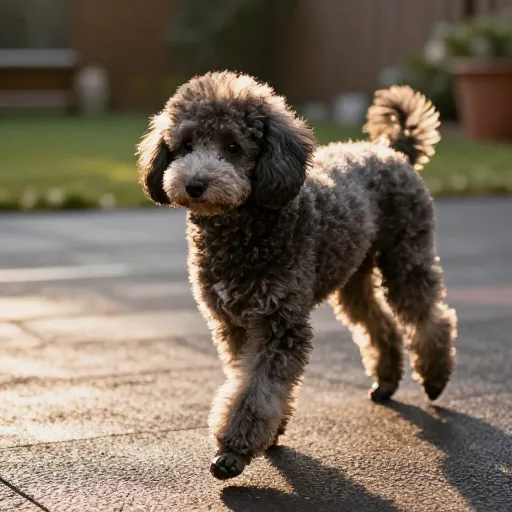
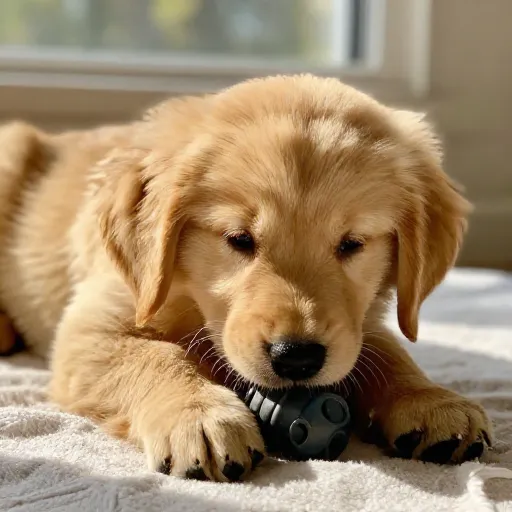
Chewing is not just a bad habit. It is a necessary activity for puppies. It relieves teething pain and provides deep mental focus. The trick is to offer the right things to chew. Avoid hard bones or antlers that can crack baby teeth. Instead, use rubber toys, bully sticks, or frozen carrots.
I always keep a rotation of three or four different chew items. When my puppy gets bored with one, I swap it for another. This keeps the novelty alive. You can also dip a rope toy in chicken broth and freeze it for a tougher challenge.
Set your puppy up for success. If they start chewing your shoe, calmly replace it with a good chew toy. Praise them when they take it. Over time, they learn what is theirs.
7. Social Walks with a Twist
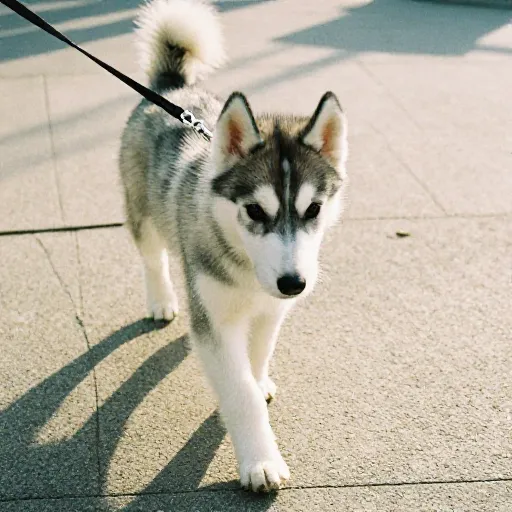
A walk is more than just exercise. It is a sensory buffet for your puppy. Instead of walking the same route every day, change it up. Let them stop and sniff a bush for two minutes. Walk on a different surface like gravel or grass. Let them watch a squirrel from a distance.
I sometimes bring a handful of treats on our walk. I scatter them on a patch of grass and let my puppy search. This turns a boring sidewalk into a fun treasure hunt. It also teaches them to focus on me even with distractions around.
Keep walks short and slow. The goal is mental stimulation, not miles. A fifteen-minute sniffy walk can be more tiring than a thirty-minute power walk.
Conclusion
Puppy enrichment does not have to be complicated or expensive. The best activities are the ones that fit naturally into your day. A frozen treat here, a cardboard box there, and a few minutes of sniffing can transform your puppy’s behavior. They will be calmer, more confident, and less likely to get into trouble.
Start with one or two ideas and see what your pup loves most. Every puppy is different, and that is part of the fun. The more you engage their brain, the stronger your bond becomes. Enjoy the messy, wonderful process of raising a happy dog.
Frequently Asked Questions
How much enrichment does a puppy need per day?
Aim for two to three short enrichment sessions daily. Each session can be as short as five to ten minutes. The quality matters more than the length.
Can I overdo enrichment?
Yes. Too much stimulation can overwhelm a puppy. Watch for signs like yawning, turning away, or hiding. If you see these, give your pup a quiet break.
What if my puppy doesn’t like a certain activity?
That is totally normal. Just try something else. Not every puppy loves puzzles or snuffle mats. Find what excites your individual dog.
Are store-bought puzzle toys worth it?
They can be, but DIY options work just as well. Start with homemade versions to see if your puppy enjoys puzzles before spending money.
How do I keep enrichment safe?
Always supervise your puppy during any activity. Remove small pieces, sharp edges, or anything they could swallow. Safety comes first while they learn.