10 Dog Mental Stimulation Activities That Will Tire Out Your Pup
Does your dog ever seem bored, restless, or maybe just a little too destructive? I’ve been there. You take them on a long walk, play fetch until your arm aches, and yet they still have endless energy. The truth is, physical exercise alone isn’t always enough. Dogs need mental stimulation just as much as we do. A tired dog is a happy dog, but a mentally tired dog is an angel.
Over the years, I’ve tried dozens of activities with my own high-energy pup. Some worked wonders, some were total flops. After plenty of trial and error, I’ve narrowed down ten of the best mental stimulation activities that actually keep dogs engaged, calm, and satisfied. And the best part? Most of them don’t require fancy equipment—just a little creativity and some everyday items you already have at home.
Whether you have a curious puppy, a clever adult dog, or a senior who still loves a good puzzle, these ideas will help you build a stronger bond while giving your dog’s brain a fantastic workout. Let’s dive in.
1. The Classic Snuffle Mat
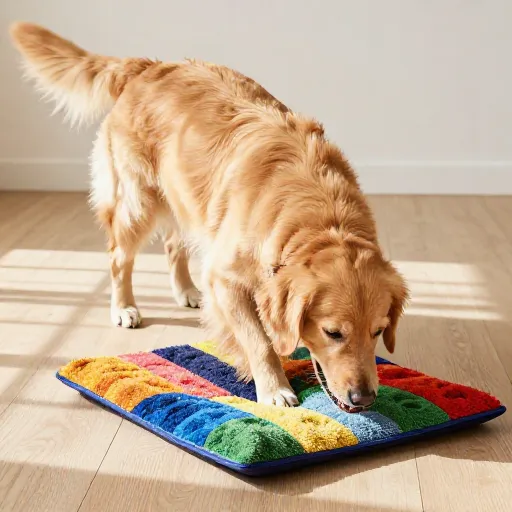
A snuffle mat is basically a foraging toy made from strips of fleece or fabric. You hide small treats or kibble deep inside the mat, and your dog has to use their nose to sniff them out. It’s like a treasure hunt for their nose.
I love this activity because it slows down fast eaters and taps into your dog’s natural scavenging instincts. It’s also incredibly calming after about ten minutes of sniffing. If you don’t have a snuffle mat, you can make one easily with a rubber mat and fleece strips. Or just scatter treats in a towel and roll it up for a similar effect.
Start simple with just a few treats, then hide more as your dog gets the hang of it. Most dogs find this deeply satisfying and will nap soundly afterward.
2. Frozen Treat Puzzles
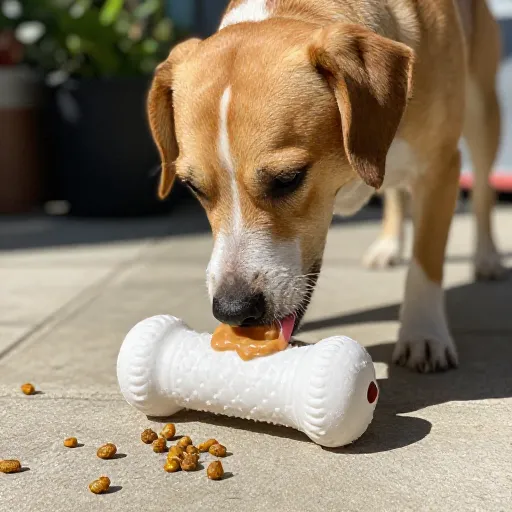
Nothing beats a good frozen puzzle on a warm day. Take a Kong, a silicone lick mat, or even an old muffin tin, and fill it with dog-safe ingredients like plain yogurt, peanut butter, pumpkin puree, or soaked kibble. Then pop it in the freezer for a few hours.
Your dog will spend a solid 20 to 40 minutes licking, chewing, and figuring out how to get every last bit of good stuff. Licking is naturally soothing for dogs, so this activity works wonders for anxious pups too. I always keep a few prepped in the freezer for busy days or when I need some quiet time.
Just make sure the ingredients are safe for your dog—no xylitol, no chocolate, and no grapes. Simple and healthy is best.
3. Hide and Seek (With You or Toys)
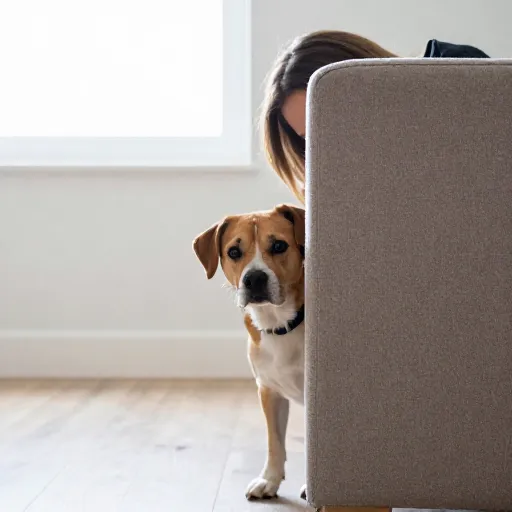
This game is an absolute favorite in my house. Start by having your dog stay in one room, then go hide somewhere else in the house. Call their name excitedly and let them find you. When they do, celebrate like they just won an Olympic medal.
You can also hide their favorite toy or a treat and say “find it!” This teaches them to use their nose and brain to search, which is incredibly tiring. The best part is that you don’t need any special tools—just your voice and a little enthusiasm.
For beginners, hide in easy spots. As your dog gets better, make it harder by hiding things under pillows or behind doors. My dog loves this so much that sometimes I just hide a treat under a cup and watch her figure it out.
4. Puzzle Toys and Interactive Games
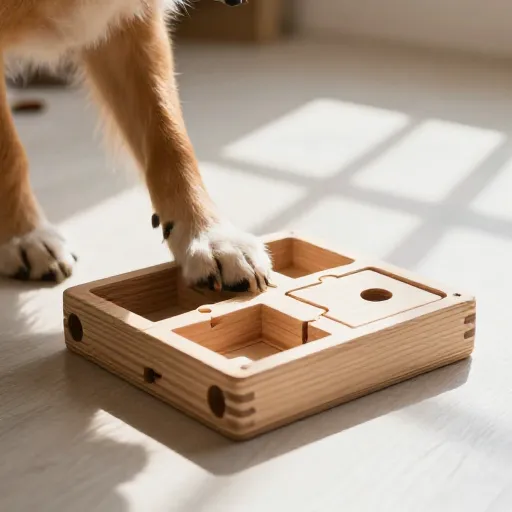
There are so many dog puzzle toys out there, from simple sliding drawers to more complex multi-step puzzles. These toys reward your dog with a treat when they solve a small challenge, like sliding a piece or lifting a lid.
I recommend starting with a level one puzzle to avoid frustration. You want your dog to feel successful, not confused. Some of my favorites are the Nina Ottosson puzzles, but even a simple muffin tin with tennis balls hiding treats works great.
Watching your dog problem-solve is honestly fascinating. It’s a great way to build their confidence and give them a healthy outlet for their brainpower. Just supervise the first few times to make sure they don’t try to chew the toy apart.
5. Trick Training for Mental Workouts
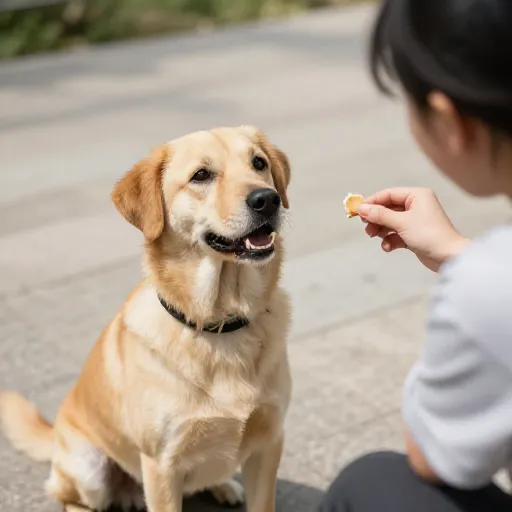
Teaching your dog new tricks isn’t just impressive at parties—it’s a fantastic mental workout. Tricks like “spin,” “play dead,” “high five,” or “touch” require focus and memory. Even five minutes of training can be more tiring than a 20-minute walk.
I like to break tricks into tiny steps and use high-value treats. For example, to teach “play dead,” I lure my dog onto her side with a treat, say the cue, and reward. Once she gets it, I add the hand signal. It’s all about patience and positivity.
The key is to keep sessions short (under 10 minutes) and end on a high note. You’ll be amazed at how quickly dogs pick up new skills when they’re having fun.
6. The Cup Game (Shell Game)
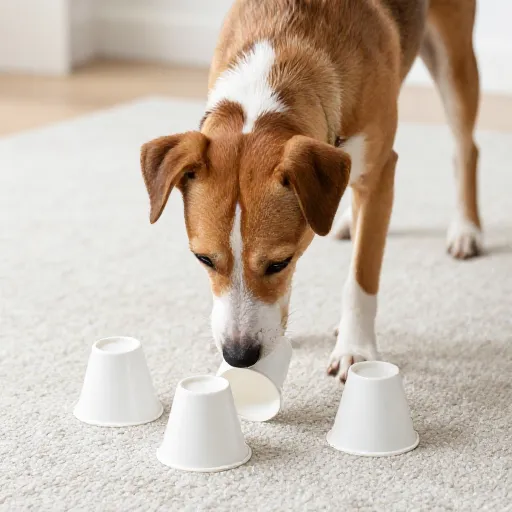
This is a simple brain game that your dog will love. Place three cups upside down on the floor. Show your dog a treat, then hide it under one cup while they watch. Shuffle the cups around a little (or just leave them) and let your dog sniff out the treat.
Start with just two cups and no shuffling. Once they understand the game, you can make it harder by moving the cups around. My dog gets so focused during this game—it’s like watching a detective at work.
Make sure you use cups that are wide enough so your dog can’t accidentally knock them over too easily. And always reward them when they pick the right one.
7. Scent Work at Home
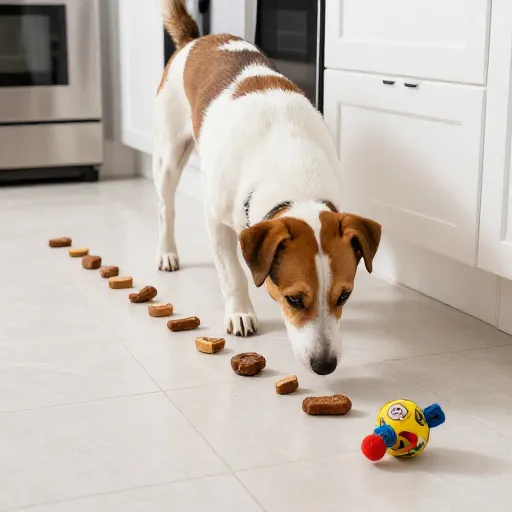
Dogs have an incredible sense of smell, and scent work taps directly into that superpower. You can start by hiding a treat or a toy in an easy spot and saying “find it.” As your dog gets better, hide things in harder places—under a rug, behind a curtain, or even in another room.
I sometimes hide a few treats around the living room before I leave for work. When I come back, it’s like a mini scavenger hunt for my pup. It keeps her busy and uses up mental energy without needing any physical exertion.
You can also buy scent kits with essential oils like birch or clove, but honestly, using treats works just fine for most dogs.
8. DIY Obstacle Course Indoors
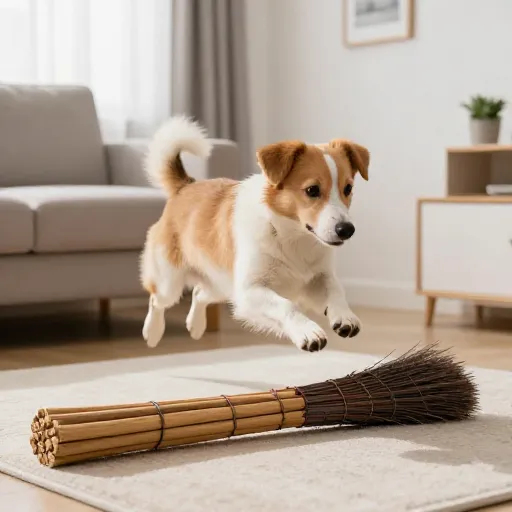
You don’t need a huge backyard for an obstacle course. Use pillows, blankets, chairs, and cardboard boxes to create a mini agility course in your living room. Have your dog weave between chair legs, jump over a broomstick laid on the floor, or crawl under a low table.
Guide your dog through the course with treats and praise. The mental part comes from them having to pay attention and remember the sequence. Plus, it’s hilarious watching them figure out how to navigate your setup.
Keep it simple and safe. If your dog seems confused, just guide them with a treat and lots of encouragement. The goal is fun, not perfection.
9. Food Dispensing Balls and Slow Feeders
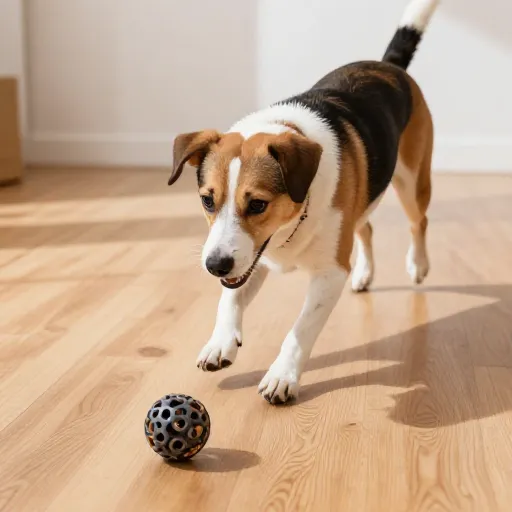
Instead of feeding your dog from a regular bowl, use a food dispensing ball or a slow feeder bowl. These toys make your dog work for every piece of kibble, turning mealtime into a brain game. My dog has to roll her ball around to get the food to fall out—it’s both mentally and physically engaging.
There are tons of options: wobble toys, puzzle bowls, or even a simple plastic bottle with holes cut in it (just watch for sharp edges). It slows down fast eaters and gives your dog a job to do.
For an extra challenge, you can freeze the food inside the toy. That makes it last even longer and adds a cooling element.
10. Learning New Commands in a New Place
Sometimes all it takes is a change of scenery to challenge your dog’s brain. Practice basic commands like sit, stay, and come in a different environment—like the backyard, a park, or even a friend’s house. The distractions make it harder for your dog to focus, which is a great mental workout.
I like to take my dog to a quiet park and practice “stay” while I walk a few feet away. It’s a simple exercise, but in a new place, it’s surprisingly challenging for them. You can also practice “leave it” with interesting smells or objects around.
This activity builds impulse control and strengthens your bond. Plus, it’s a wonderful way to reinforce training in real-world settings.
Conclusion
Adding mental stimulation to your dog’s routine doesn’t have to be complicated or expensive. Even just fifteen minutes a day of puzzle games, scent work, or training can make a huge difference in your dog’s behavior and happiness. A mentally tired dog is less likely to chew furniture, dig holes, or bark out of boredom.
I’ve seen my own dog transform from a restless whirlwind into a calm, content companion simply by including brain games in our daily life. Start with one or two activities that sound fun to you and your pup. You might discover that your dog is smarter than you ever realized—and that’s a beautiful thing.
Frequently Asked Questions
How much mental stimulation does my dog need each day?
Most dogs benefit from at least 15 to 30 minutes of mental stimulation per day. High-energy or intelligent breeds may need more. You can break it into short sessions throughout the day.
Can mental stimulation replace physical exercise?
Not entirely, but it can complement it. A good mix of physical and mental exercise is best for most dogs. Mental games are especially helpful on rainy days or when your dog can’t get a full walk.
What if my dog loses interest in puzzle toys quickly?
Try rotating toys so they feel new again. You can also make puzzles harder by hiding treats deeper or using higher-value rewards. Sometimes a simple change in the toy’s location or setup reignites their interest.
Are there any mental stimulation activities for senior dogs?
Absolutely. Gentle activities like snuffle mats, scent games, and easy trick training are great for older dogs. Just keep sessions short and avoid anything that requires jumping or hard physical effort.
How do I know if my dog is mentally tired?
A mentally tired dog will often lie down, relax, or even fall asleep after a brain game. They may also seem calmer and less demanding. If your dog is still wired, you might need to increase the difficulty or try a different activity.