14 Vet-Backed Tips To Calm Your Dog’s Skin Fast (So You Both Can Finally Sleep)

There’s nothing worse than watching your best friend scratch, bite, and lick themselves raw. You try everything—the cone of shame, distractions, even begging—but that relentless itch just won’t quit. I’ve been there, sitting on the floor at 2 AM, trying to soothe a miserable pup while feeling totally helpless.
The good news? You don’t need a magic wand. You need a game plan. These 14 vet-backed tips are the exact strategies I’ve gathered from trusted veterinarians and dermatology specialists to calm angry skin fast. They’re practical, gentle, and most importantly—they actually work. Let’s get your furry friend some relief, starting right now.
1. Start With A Cool (Not Cold) Oatmeal Soak
When your dog is scratching like crazy, a quick bath can be a lifesaver. But skip the hot water—it strips natural oils and makes things worse. Fill the tub with lukewarm water and add finely ground, plain oatmeal (the kind you eat, not the flavored packets). Let your pup soak for 5–10 minutes. The colloidal oatmeal forms a protective barrier and pulls out the heat.
Pat them dry with a soft towel. Don’t rub! Rubbing stimulates the skin and triggers more itching. This is my go-to first step because it offers almost instant relief while you figure out the root cause.
2. The Magic Of A Cold Compress (Seriously, It Works)
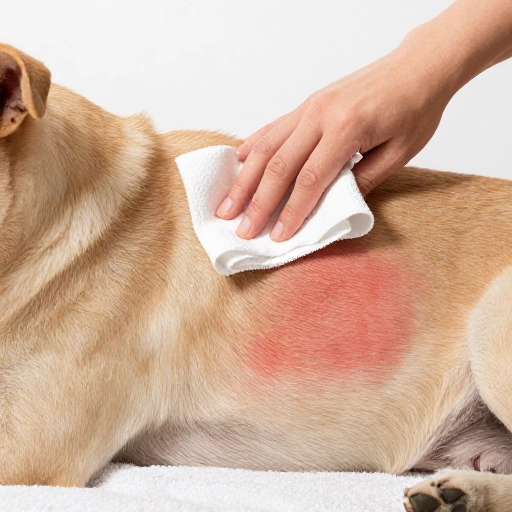
If a full bath feels like too much, grab a clean washcloth, run it under cold water, and wring it out. Hold it gently on the itchy spots—hot spots, belly, paws—for 5 to 10 minutes. The cold numbs the nerve endings and reduces the blood flow to the area, which lowers inflammation.
Make it a team effort. Give your dog a lick mat smeared with peanut butter while you hold the compress. They’ll start associating the cold sensation with something positive. Do this two or three times a day, especially after walks when pollen and dust are at their worst.
3. Whip Up A DIY Chamomile Spray
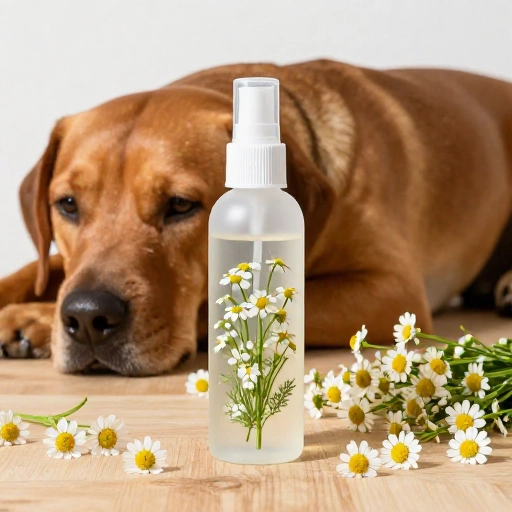
Chamomile isn’t just for tea and sleepy humans. It’s a natural anti-inflammatory and antibacterial powerhouse. Brew a strong cup of pure chamomile tea (make sure it’s 100% chamomile and nothing else), let it cool completely, and pour it into a spray bottle.
Spritz it directly onto the itchy areas. The cool liquid feels amazing on hot skin, and the compounds help calm the flare-up. Keep it in the fridge for an extra-cooling effect. Just avoid the eye area and always do a tiny patch test first.
4. Don’t Over-Bathe—But Use The Right Shampoo
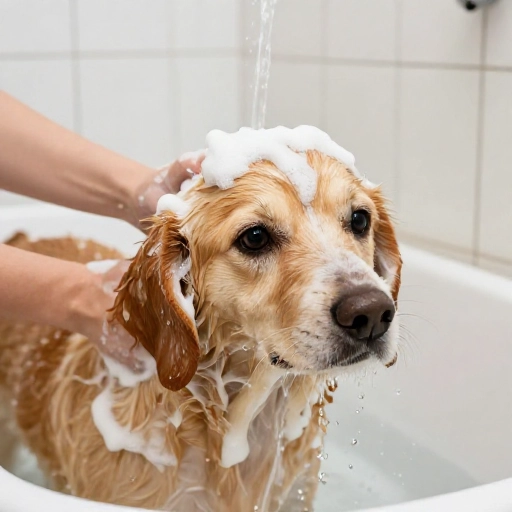
Here’s the tricky part: bathing too often dries out skin, but not bathing enough lets allergens sit there. The sweet spot is usually once a week during a flare-up, then every 2–4 weeks for maintenance. The real game-changer is the shampoo itself.
Look for shampoos with chlorhexidine, ketoconazole, or phytosphingosine. These ingredients fight yeast and bacteria while repairing the skin barrier. Avoid anything with heavy perfumes or sulfates. Lather, let it sit for 5–10 minutes (yes, set a timer), then rinse thoroughly. Leftover residue is a huge itch trigger.
5. Omega-3 Supplements Are Your Best Friend
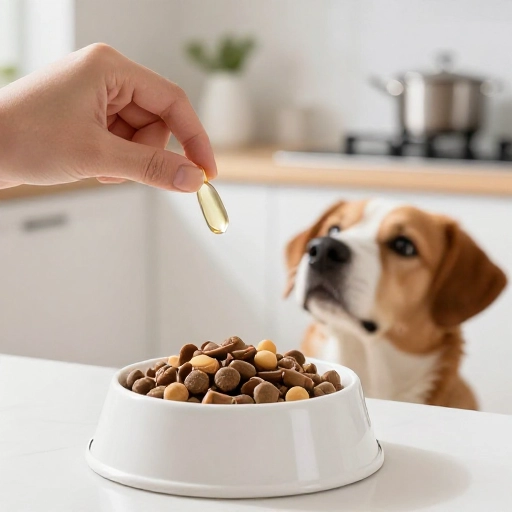
If I had to pick one supplement to recommend for itchy dogs, it’s omega-3 fatty acids. These healthy fats reduce inflammation from the inside out. They don’t work overnight, but within 2–4 weeks, you’ll notice a major difference in coat shine and scratch frequency.
Fish oil, krill oil, or algae-based options are all great. Always check with your vet for the right dosage—it depends on your dog’s weight. And don’t just poke a hole in a capsule and squeeze it on food; buy a liquid formulated for pets so it absorbs properly.
6. A Spoonful Of Coconut Oil (Yes, Really)
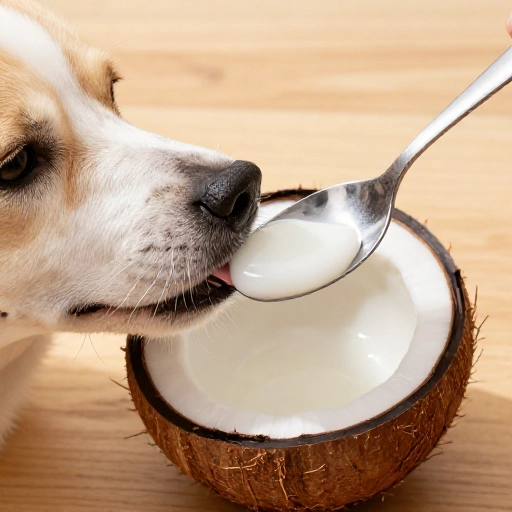
Plain, unrefined coconut oil is a fantastic topical and dietary helper. It contains lauric acid, which has antimicrobial and anti-inflammatory properties. Start with a tiny amount—like ¼ teaspoon for a small dog—mixed into their food. Too much too fast can cause an upset stomach.
You can also rub a small amount directly onto dry, flaky patches. It soothes and moisturizes. Just use it sparingly on the coat, or your dog will look greasy. And if your dog is prone to pancreatitis, skip the oral route entirely and stick to topical only.
7. Switch To A Novel Protein Diet (Temporarily)
Food allergies are a top cause of skin issues. The most common culprits are chicken, beef, and dairy. If you suspect food is the problem, your vet might suggest a “novel protein” diet—something your dog has never eaten before, like rabbit, duck, or kangaroo.
You’ll need to feed this exclusively for 8–12 weeks to see improvement. No treats, no table scraps, no flavored chews. It’s strict, but it tells you definitively if food is the trigger. If the skin clears up, you’ve found your answer.

8. Invest In A Pet-Safe Air Purifier
You can’t control what’s in the air outside, but inside? That’s your domain. Dust mites, mold spores, and pollen floating around your home can land on your dog’s skin and cause havoc. A HEPA air purifier in your main living area captures these particles before they settle on your pup.
Run it in the bedroom at night, too. It’s not a direct cure, but it removes the constant background irritation. Think of it as giving your dog’s skin a break from invisible attackers.

9. Wash Their Bedding Weekly (Hot Water!)
Your dog’s bed is a cozy haven—and a breeding ground for allergens. Saliva, dander, dust mites, and pollen all collect in those fibers. If you’re not washing it weekly, you’re basically letting them sleep in a pile of itch triggers.
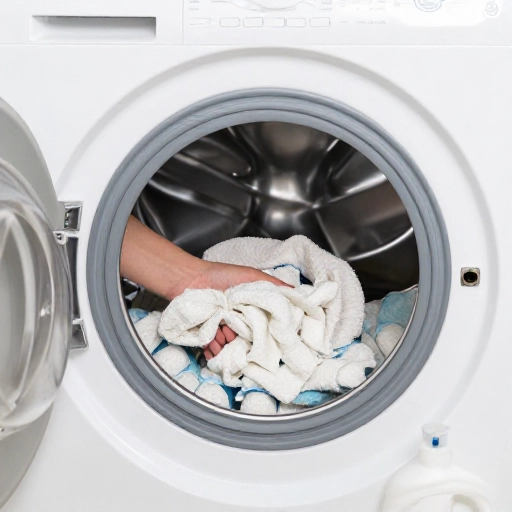
Wash the bed cover and any blankets in hot water (130°F or higher) with a fragrance-free, hypoallergenic detergent. Dry on high heat. Do the same for your own bedding if your dog sleeps with you. It’s a simple step with huge payoff.
10. Wipe Their Paws After Every Walk
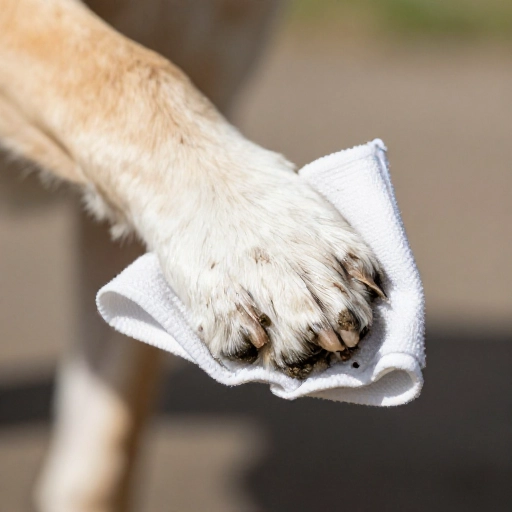
Your dog’s paws are like sponges for everything on the ground—pollen, grass, road salt, pesticides. They walk in it, then lick their paws, spreading allergens all over their face and body. The fix? A quick paw wipe after every single outing.
Keep a stack of damp microfiber cloths by the door. Or use pet-safe wipes made with aloe or chlorhexidine. Just a 30-second wipe can prevent hours of licking and chewing later. Don’t skip this even on quick potty breaks in the yard.
11. The E-Collar Isn’t Cruel—It’s Necessary
I know, the cone is the worst. But here’s the hard truth: if your dog is licking a hot spot, they are making it worse, even if it hurts. The constant moisture from licking prevents healing and encourages bacteria. You have to break the cycle.
Instead of the bulky plastic cone, try an inflatable donut collar or a soft fabric recovery suit. They’re way more comfortable. Your dog will hate it for the first day, then they’ll get used to it. Keep it on until the area is completely healed, not just until it looks better.
12. Ask Your Vet About Antihistamines
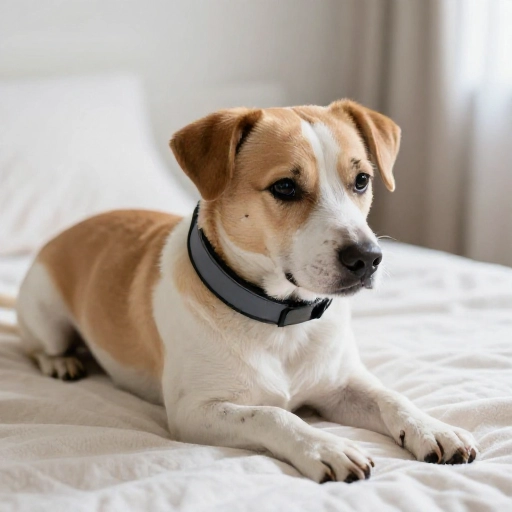
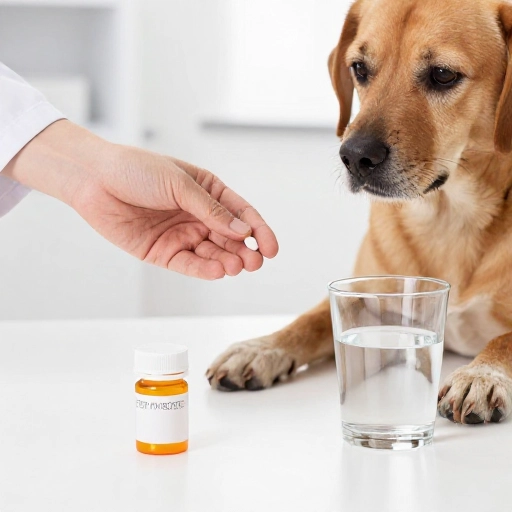
For environmental allergies, antihistamines can be a godsend. But—and this is a big but—you cannot just give them your own meds. Dogs react differently to human drugs. Benadryl (diphenhydramine) is commonly used, but the dose depends on weight, and some dogs need a different type entirely.
Call your vet and ask for a specific recommendation for your dog’s size and symptoms. They might suggest Zyrtec (cetirizine) or Claritin (loratadine) instead. Always confirm the exact dosage and check for drug interactions. Never guess.
13. Try A Hypoallergenic Wipe Down (Not A Shower)
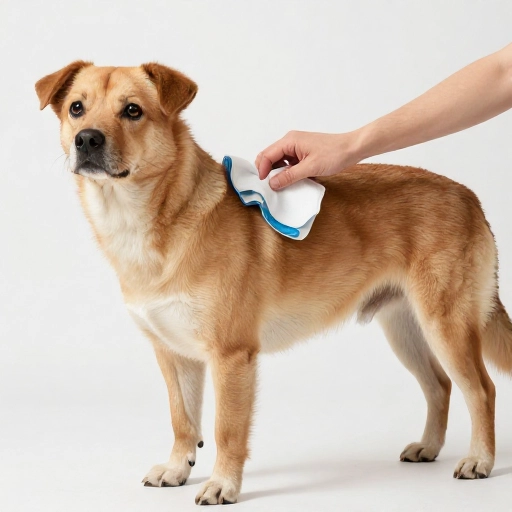
Sometimes a full bath is too stressful, especially for a dog that hates water. That’s where medicated wipes come in. These are pre-moistened cloths with ingredients like chlorhexidine, ketoconazole, or aloe that you wipe directly on the affected areas.
They’re perfect for spot-cleaning hot spots, belly rashes, and paw folds. They also work great between baths during allergy season. Keep a pack in your car for after park visits. It’s a low-stress way to manage flare-ups before they explode.
14. Know When To See The Vet (Don’t Wait Too Long)
Here’s the thing: you can do everything right, and sometimes the itch is still winning. If your dog has open sores, crusty patches, hair loss in patches, or the scratching is keeping them (and you) up at night—go to the vet. This is not a time to play detective.
Your vet can prescribe stronger treatments like Apoquel, Cytopoint injections, or prescription topical creams that work within hours. They can also do skin scrapings to rule out mange or fungal infections. Sometimes the fastest way to calm skin is to let a professional take the wheel.

Final Thoughts: You’ve Got This
Itchy skin is frustrating, but it’s also manageable. Start with the cooling and soothing methods for immediate relief, then work on identifying the root cause. Keep a journal of what triggers flare-ups—time of year, food changes, new cleaning products. Patterns will emerge.
And remember, you’re not a bad pet parent if it takes time to figure out. Skin issues are complex. Be patient, be consistent, and don’t hesitate to lean on your vet. Your dog just needs you to be their advocate, and you already are.
Frequently Asked Questions
Can I use human hydrocortisone cream on my dog?
In small amounts, over-the-counter hydrocortisone cream (1%) can be safe for short-term use on tiny patches. But dogs lick it off, and ingested steroids can cause stomach issues. It’s safer to use a pet-specific version or ask your vet for a dog-safe alternative.
How fast will these tips work?
Cooling methods (soak, compress, spray) give relief within minutes. Dietary changes and supplements like omega-3s take 2–4 weeks to show full results. If you don’t see improvement in 48 hours, or things get worse, call your vet immediately.
Is it okay to give my dog Benadryl every day?
For some dogs, yes, under veterinary guidance. But long-term daily use should be monitored. Your vet may recommend rotating antihistamines or switching to prescription options like Apoquel for better long-term management without side effects.
What’s the difference between a hot spot and a regular rash?
A hot spot (acute moist dermatitis) is a rapidly spreading, wet, painful sore caused by licking, biting, or scratching. A rash is usually flatter and less intense. Hot spots need immediate treatment—usually shaving the area and prescription medication—so see a vet fast.
Should I change my dog’s food if they have itchy skin?
Only if you suspect a food allergy. Talk to your vet first. An elimination diet trial is the only reliable way to diagnose it. Switching randomly to a “grain-free” food often doesn’t help because grains aren’t the usual culprit—proteins like chicken and beef are.