How to Train Your Cat at Home (Without Losing Your Mind)
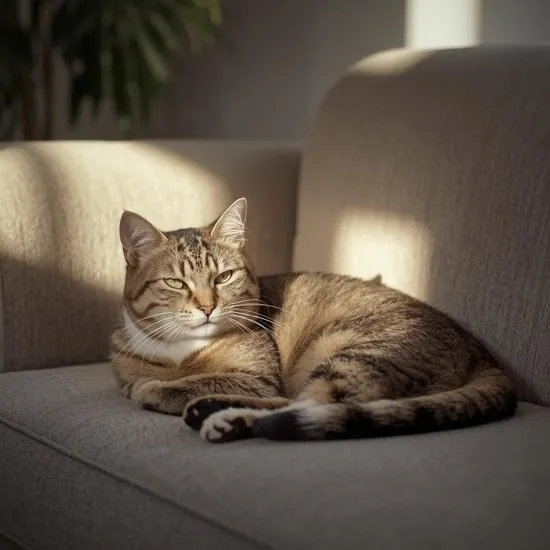
I remember when I first brought my kitten home. I had big dreams of a perfectly behaved cat who would sit, stay, and maybe even fetch. Reality? She knocked over every plant and scratched my favorite couch. But here’s the thing: cats are smart. They just need a little patience and the right approach.
Training your cat at home isn’t about turning them into a circus performer. It’s about building a bond, keeping them safe, and making your shared space more peaceful. You don’t need fancy equipment or professional lessons. Just treats, consistency, and a calm vibe. Let’s get started.
Whether you have a shy rescue or a confident lap cat, these tips will help you train without stress. I promise, your cat will thank you—maybe with a purr or a slow blink.
Start with a Simple “Sit” Command
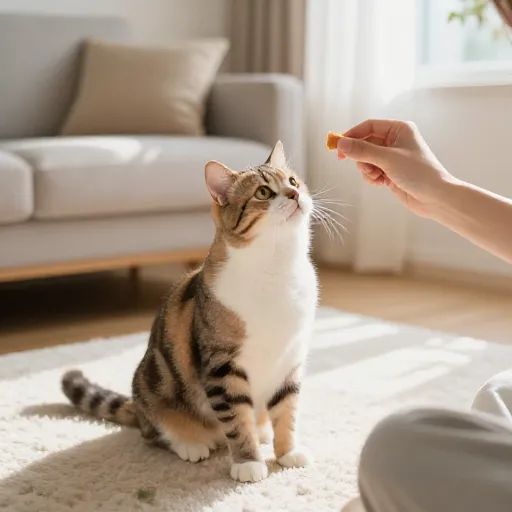
This is the trick that builds trust. Hold a treat close to your cat’s nose, then slowly move it up and back over their head. Their butt should naturally lower to the ground. The moment they sit, say “sit” and give them the treat.
Repeat this two or three times a day, for just a few minutes each session. Cats have short attention spans. If you push too hard, they walk away.
Some cats catch on in a day. Others take a week. That’s okay. The goal is connection, not speed.
Teach Your Cat to Come When Called
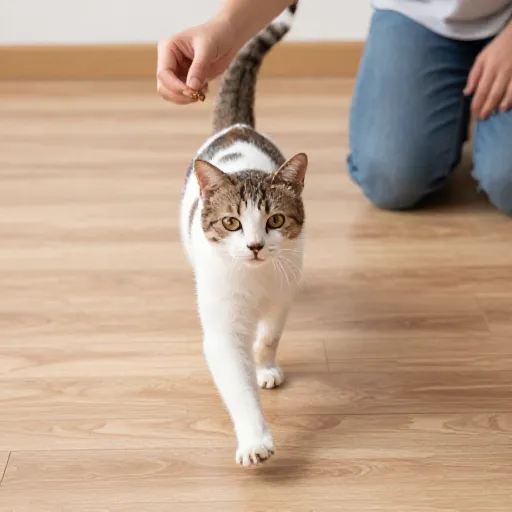
Start by using a specific sound—a click, a whistle, or just their name. Say it right before you feed them or offer a favorite treat. After a few days, they’ll associate the sound with something good.
Practice in a quiet room first. Then try it from another room. When they come running, reward them immediately. Never call them for something they dislike, like a bath or a vet visit.
This command can be a lifesaver. I once used it to call my cat away from an open door. It works better than chasing.
Master the Art of the High Five
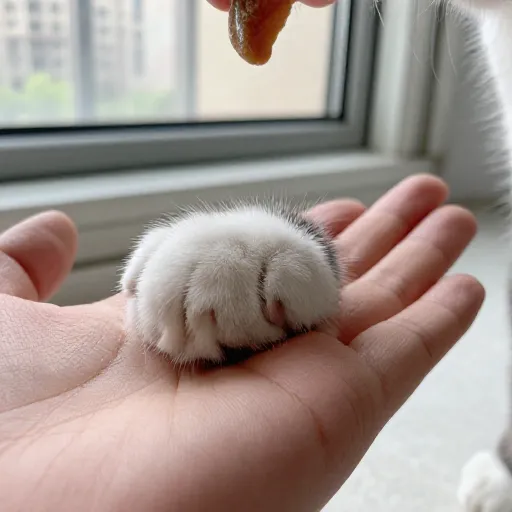
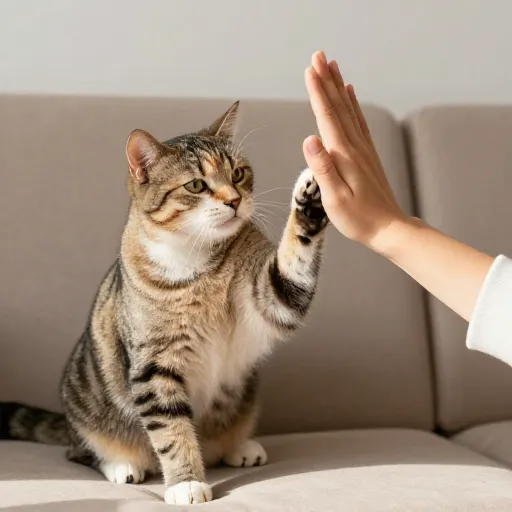
This one is pure fun. Start with your cat in a sitting position. Hold a treat between your fingers and lift it just above their paw. Most cats will lift a paw to touch your hand. The second they do, say “high five” and reward.
If they don’t lift a paw, gently tap their paw with your finger. Then give the treat. They’ll connect the touch with the treat.
Once they get it, try moving your hand slightly higher. Soon you’ll have a cat who greets you with a paw bump.
Stop Scratching Furniture with a Simple Redirect
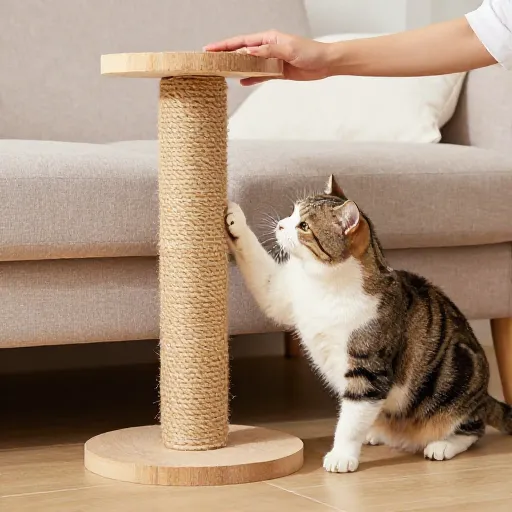
Scratching is natural, but your couch doesn’t have to suffer. Place a scratching post near the furniture they target. Rub it with catnip or hang a toy from it. When they scratch the furniture, calmly pick them up and put them on the post.
Reward them when they use the post. Never yell or spray water. That just makes them scared of you.
You can also cover the furniture with double-sided tape or a soft blanket. Most cats dislike sticky textures and will choose the post instead.
Teach Your Cat to Walk on a Leash
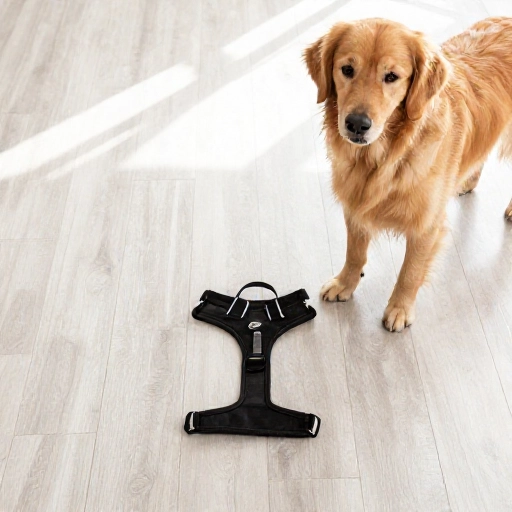
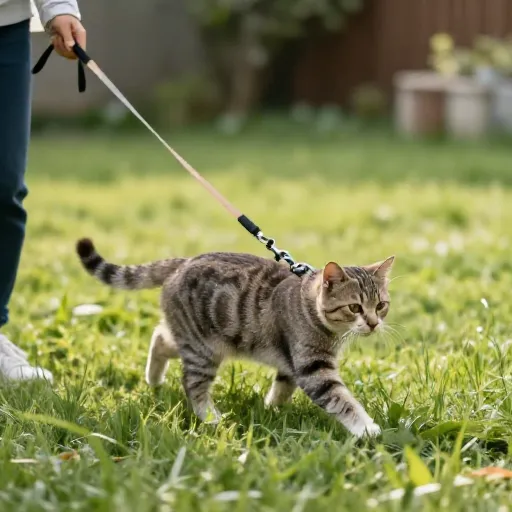
Yes, cats can walk on a leash. Start indoors. Let them wear the harness for short periods without going outside. Give treats and praise. Once they’re comfortable, attach the leash and let them drag it around the house.
After a few days, hold the leash loosely and follow them. Don’t pull. Let them lead. When they seem relaxed, try a quiet outdoor spot.
Some cats love it. Others prefer being carried. That’s fine. The point is safe exploration, not a forced hike.
Curb Biting and Nipping Gently
Kittens bite to play. Adult cats bite when overstimulated. If your cat bites during play, stop moving immediately. Freeze your hand. Then say “ouch” softly and walk away for a minute.
This teaches them that biting ends the fun. Redirect their energy to a toy instead. Wand toys or feather teasers work great.
Never use your hands as toys. If you do, you’re teaching them that hands are for biting. Keep play focused on objects.
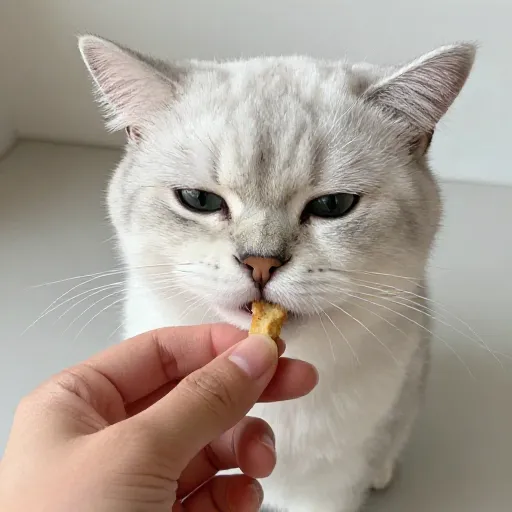
Use a Clicker for Faster Learning
Clicker training is simple. You click a small device the exact second your cat does something you want. Then you give a treat. The click becomes a clear signal: “Yes, that’s right!”
Start by clicking and treating for any small action—looking at you, sitting, or touching a target. Keep sessions under five minutes.
Clicker training works because cats learn from precise timing. It’s faster than using your voice alone. Plus, it’s fun for both of you.
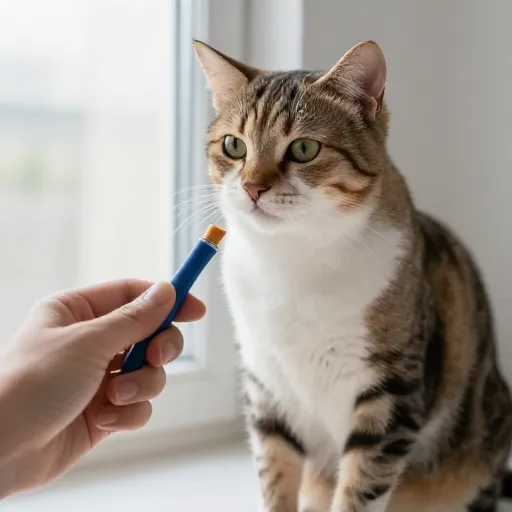
Teach Your Cat to Stay Off Counters
First, make counters less appealing. Remove food scraps and wipe down surfaces. Then, create a better spot nearby—like a cat tree or a window perch. Put treats or toys there.
When you see your cat on the counter, say “off” calmly and point to the floor. Don’t shout. If they jump down, reward them. Consistency is key. Everyone in the house must use the same word.
You can also use double-sided tape on the counter edge. Cats hate sticky paws. They’ll learn quickly that counters aren’t comfortable.
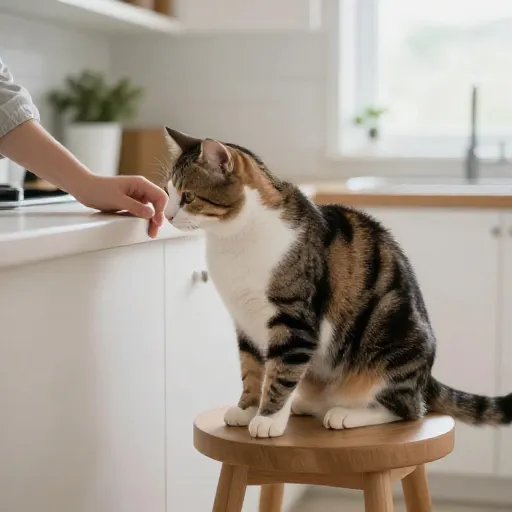
Build a Reliable “Go to Your Bed” Cue
Choose a cozy bed or mat. Lure your cat onto it with a treat. Say “go to bed” as they step on. Reward. Repeat until they go to the bed on their own.
Gradually increase the distance. Start with the bed right next to you. Then move it across the room. Practice with distractions, like a toy or a visitor.
This cue is great for keeping your cat calm during meals or when guests arrive. It gives them a safe spot to relax.
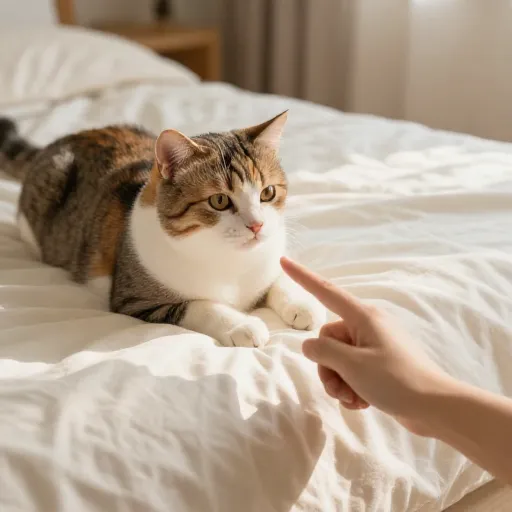
End Each Session with a Positive Note
Training should always end with a win. Even if it’s just a simple “sit” or a look. Always reward the last good behavior, then give a gentle pet or a favorite toy.
If your cat is tired or grumpy, skip the session. Forcing it creates bad feelings. Training is about trust, not pressure.
I always finish with a treat and a few minutes of quiet play. It leaves us both happy. And that’s the whole point.
Conclusion
Training your cat at home is a journey, not a race. You’ll have good days and silly days. Your cat might ignore you sometimes. That’s normal. Keep sessions short, rewards high, and your tone calm.
Remember, every cat learns at their own pace. Celebrate small wins. A paw bump, a redirected scratch, a calm walk—those are victories. Over time, you’ll build a deeper bond and a happier home.
Frequently Asked Questions
1. Can older cats learn new tricks?
Absolutely. Older cats can learn just as well as kittens. They may be a bit less energetic, but they’re often more focused. Start with simple commands and use high-value treats.
2. How long should each training session be?
Keep it between 2 and 5 minutes. Cats have short attention spans. Multiple short sessions spread through the day work better than one long one.
3. What’s the best treat for training?
Soft, smelly treats work best. Freeze-dried chicken or fish is a hit. Cut treats into tiny pieces so you can reward many times without overfeeding.
4. My cat bites when I try to train. What do I do?
Stop training immediately. Give your cat a break. Try a different time or a calmer approach. Use a toy to redirect the biting. Never punish.
5. Do I need a clicker, or can I use my voice?
You can use your voice alone. A clicker just adds precision. If you prefer, say “yes” or “good” in the same tone every time. Be consistent.