Does My Cat Get Lonely Without Another Cat?
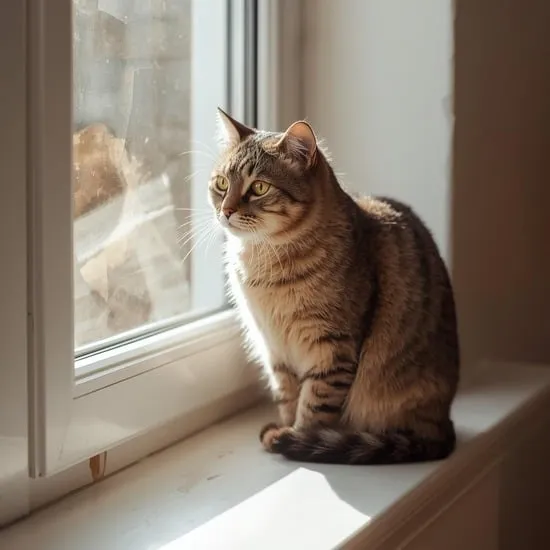
As a cat owner, I’ve often watched my solo feline nap in a sunbeam and wondered: is she truly content, or is she secretly lonely? It’s a question that tugs at the heart. We project our own social needs onto our pets, but cats are famously complex creatures with independent streaks.
Understanding feline loneliness isn’t about human emotions. It’s about reading their unique language—their behavior, their habits, and the subtle signs they give us. A cat can be perfectly happy as an “only child,” but some truly thrive with a companion. The key is knowing your cat.
Let’s explore the signs, the solutions, and how to make sure your beloved cat feels secure and stimulated, whether they’re flying solo or waiting for a potential new friend.
1. The Independent Myth: Are Cats Really Solitary?
We often label cats as lone wolves, but that’s not the full story. While they are not pack animals like dogs, their social structure is flexible. In the wild, female cats often raise kittens together, and some feral cats form loose colonies, especially when resources are plentiful.
Domestication has further shaped this. Our house cats have evolved to live with us, and many develop strong social bonds—with humans and sometimes with other cats. So, labeling all cats as “solitary” does them a disservice. Their need for companionship exists on a spectrum.
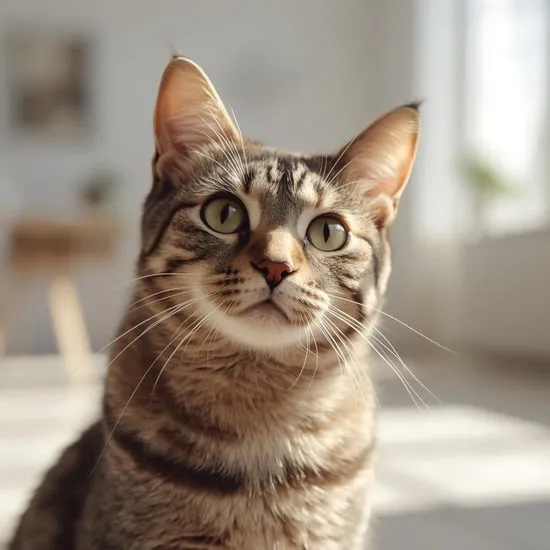
2. Decoding the Signs of a Lonely Cat
Your cat won’t sigh and look out the window dramatically. Loneliness manifests in behavior changes. Here’s what I look for in my own cat:
- Excessive Vocalization: More meowing, yowling, or crying, especially when you’re out of sight.
- Clinginess: Following you from room to room, demanding constant lap time.
- Destructive Habits: Scratching furniture, knocking things over, or other attention-seeking mischief.
- Changes in Grooming: Over-grooming (creating bald spots) or, conversely, neglecting their coat.
- Lethargy or Loss of Appetite: A general disinterest in play, food, or their favorite spots.
If you see a cluster of these behaviors, it might be a cry for more interaction.
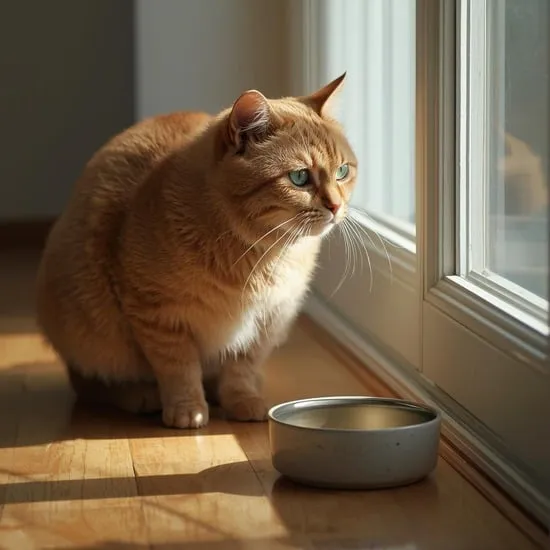
3. The Content Solo Cat: Signs of True Happiness
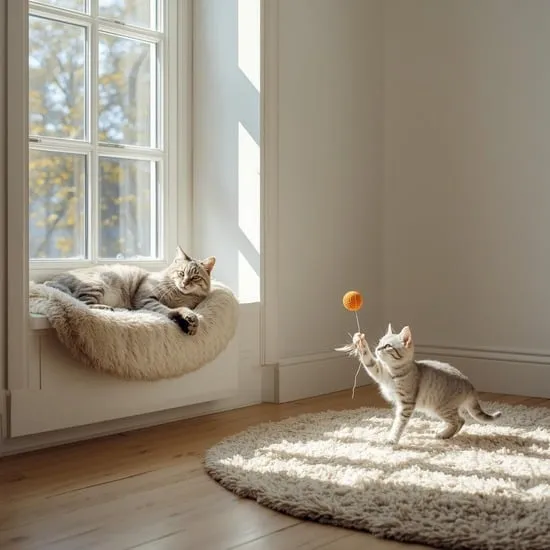
On the flip side, a happily independent cat is a joy. They are confident and relaxed in their territory. You’ll notice they have a steady routine of eating, playing, grooming, and napping. They enjoy your company but don’t panic when you leave.
They engage confidently with toys and enrichment you provide, showing they can self-entertain. A content solo cat owns their space, moving through it with a calm, assured demeanor. They seek you out for affection on their terms and are easily comforted.

4. Your Role: Are You Enough Social Interaction?
For many cats, yes—you are their whole world! I’ve found that dedicated, interactive playtime is the cornerstone. It’s not just about having toys around; it’s about engaging their hunting instincts with wand toys for 15-20 minutes twice a day.
Combine that with consistent, gentle affection (chin scratches, quiet talking) and routine. You become their colony. If your lifestyle allows for this quality time, a single cat can be deeply fulfilled by your companionship alone.
[[IMG:IMG05]]
5. The Case for a Feline Friend
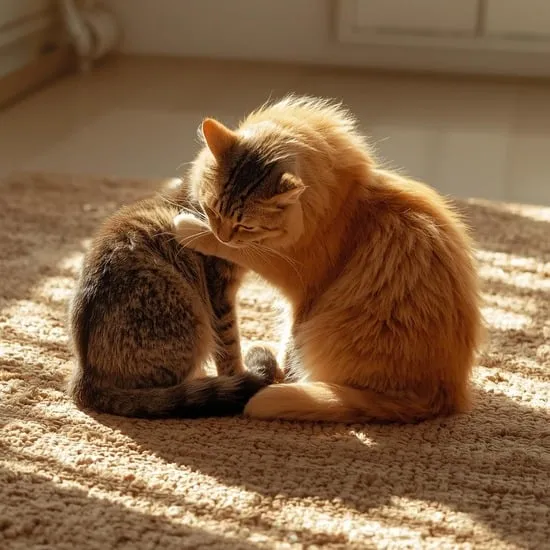
Consider a second cat if your current one shows signs of loneliness and you have the resources. A well-matched companion can provide:
- Constant, species-specific interaction (play, grooming, sleeping curled up).
- Mental stimulation and exercise you can’t always provide.
- Companionship during your work hours or trips.
This works best with proper, slow introductions. It’s not a quick fix, but a long-term investment in their social well-being.
6. Enrichment is Everything for the Solo Cat
If a second cat isn’t possible, don’t worry. Environmental enrichment is your superpower. Think vertically: cat trees, shelves, and perches by windows create a stimulating territory.
Rotate different types of toys—puzzle feeders, crinkle balls, motorized mice—to prevent boredom. Even simple things like cardboard boxes or a bird feeder outside the window can provide hours of mental engagement. A stimulated cat is far less likely to feel lonely.

7. The Importance of Predictable Routine
Cats are creatures of habit. Uncertainty can fuel anxiety, which feels a lot like loneliness. I stick to a predictable schedule for feeding, play, and even cuddle times.
This routine creates a framework of security. Your cat knows what to expect and when to expect it, which minimizes stress. A secure cat is a confident, happy cat, whether they live alone or with others.

8. When a New Cat Might Not Be the Answer
Bringing home a new cat can backfire if your resident cat is truly a solitary soul. This is especially true for older cats who have been alone for years. The stress of a new animal in their territory can cause more problems than it solves.
Watch for signs of extreme territorial aggression or hiding. Sometimes, doubling down on your one-on-one time and enrichment is the kinder, more effective path.

9. Considering Age & History
A cat’s background matters. A kitten raised with siblings often learns crucial social skills and may adapt better to a companion later. An adult cat from a multi-cat home might miss that dynamic.
Conversely, a cat who was found alone or has always been an “only child” might be perfectly set in their ways. There’s no one-size-fits-all rule. Let your cat’s personality and past guide you.
10. Trust Your Bond & Observe
You know your cat better than anyone. I spend time just observing mine—her body language, her daily rhythms. Is she relaxed? Is she engaging with her world? The answers are in the details.
Trust that bond. Whether you decide to enrich her solo life or open your home to another, your attentive love is the most important factor in her happiness. There is no universal right answer, only the right answer for your unique feline friend.

Conclusion: It’s About Their Quality of Life
The question isn’t just “do cats get lonely?” but “what does *my* cat need to thrive?” Loneliness is possible, but it’s not a given. By providing love, engagement, security, and careful observation, we can ensure our cats lead full and content lives. Their happiness is a beautiful mix of our care and their unique, wonderful individuality.
Your Cat Loneliness FAQ
Q: How can I tell if my cat is bored or actually lonely?
A: Boredom often leads to short bursts of mischief (attacking your ankles). Loneliness tends to involve more persistent, vocal, or clingy behavior aimed at getting your constant attention.
Q: Will getting a second cat stop my first cat’s bad behavior?
A> Not necessarily, and it could make things worse if not done carefully. Address the root cause first. A new cat should be for companionship, not a behavioral band-aid.
Q: Is it cruel to have just one cat?
A> Absolutely not. For many cats, it’s the ideal situation. Cruelty comes from neglect—lack of play, affection, or mental stimulation. A loved and engaged solo cat is a happy cat.
Q: My cat follows me everywhere. Does that mean she’s lonely?
A> Not always! Some cats are just naturally velcro-pets and very social with their humans. It’s only a concern if it’s paired with anxious behaviors (crying at closed doors, destructiveness).
Q: What’s the best way to introduce a second cat if I decide to?
A> Slowly! Keep them separated at first, swap scents with blankets, feed on opposite sides of a door, and use baby gates for visual introductions. Rushing this process is the most common mistake.