Gentle Homemade Cat Food Recipes for Sensitive Stomachs
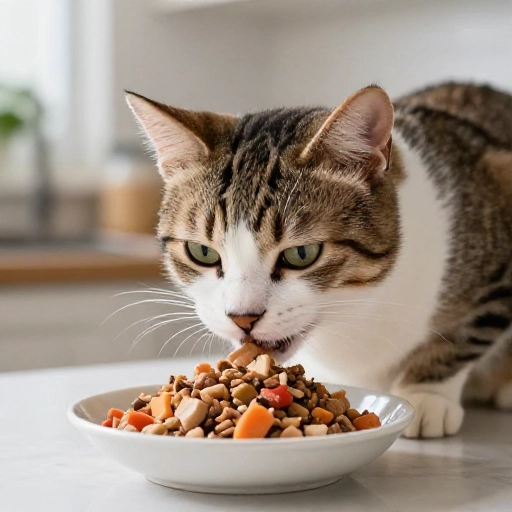
If your cat has a sensitive stomach, you know the struggle all too well. The vomiting, the loose stools, the constant worry about what’s triggering their discomfort. I’ve been there with my own picky tabby, and after countless vet visits and expensive food trials, I decided to take matters into my own hands. Making homemade cat food for sensitive stomachs changed everything.
These recipes are simple, gentle, and made with whole ingredients that are easy on digestion. No fillers, no mystery by-products, just real food that helps your cat feel their best. Whether your kitty has allergies or just a delicate tummy, these meals are a game-changer. Let me walk you through exactly how to make them.
Essential Equipment for Homemade Cat Food
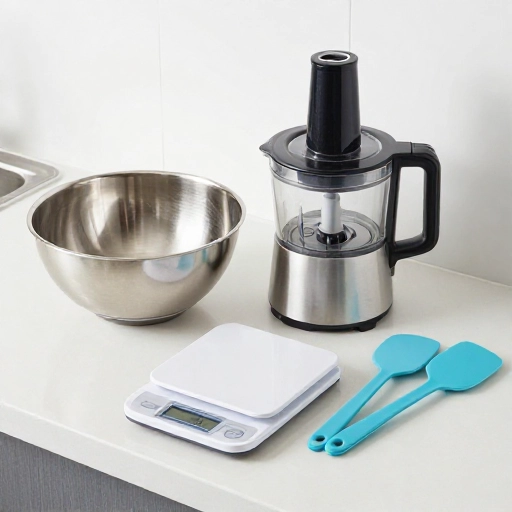
Before we start cooking, you’ll need a few basic tools. Don’t worry—nothing fancy here. A good kitchen scale is important because accurate portions matter for your cat’s health. You’ll also need a large pot or slow cooker, a sharp knife, and a cutting board dedicated to meat prep.
I recommend having storage containers too. Small glass jars or silicone freezer trays work perfectly for portioning out meals. A food processor or blender helps if you want a smoother texture, but it’s not required. That’s really it—simple tools for simple, wholesome food.
Ingredients That Soothe a Sensitive Stomach
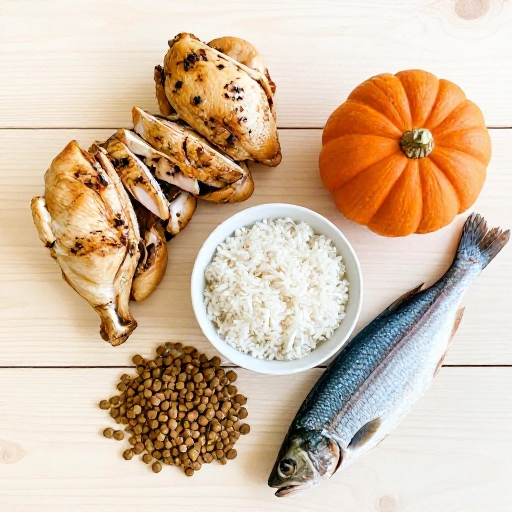
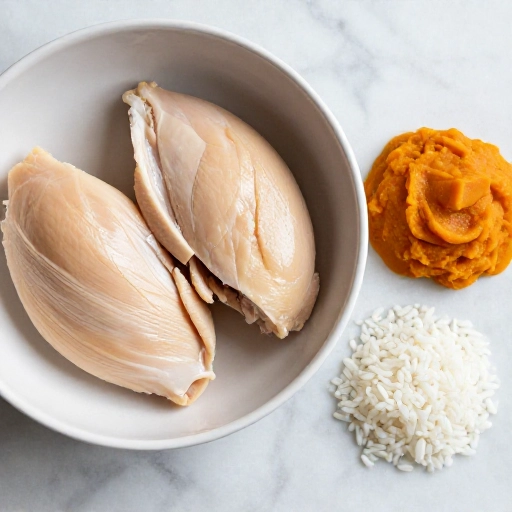
The key to these recipes is choosing ingredients that are low in fat and easy to digest. Start with a lean protein like boneless, skinless chicken breast or turkey. White fish like cod or tilapia also work well for cats who need something extra mild.
Add a small amount of cooked white rice or plain pumpkin puree—both are gentle on the gut and help firm up stools. A tiny splash of bone broth (make sure it’s onion and garlic free) adds flavor and moisture. For essential nutrients, include a cat-safe taurine supplement, which you can find at most pet stores. That’s your base: protein, a gentle carb, hydration, and supplementation.
Simple Chicken and Rice Recipe
This is the recipe I start with for any cat having tummy trouble. It’s bland, nourishing, and almost always a hit. Boil one pound of boneless, skinless chicken breast in water until fully cooked—about 15 minutes. Reserve the cooking liquid.
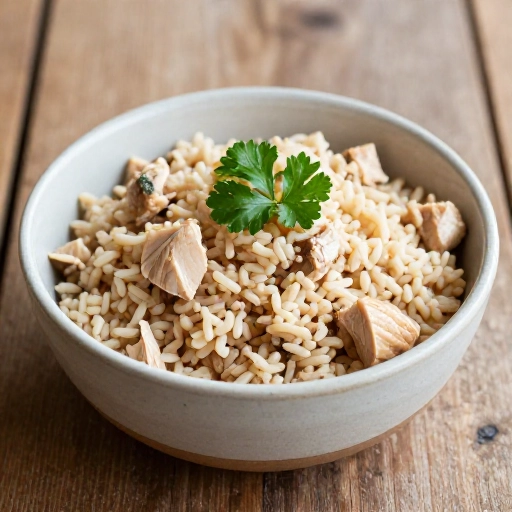
Shred or dice the chicken into tiny, cat-friendly pieces. In a separate pot, cook a quarter cup of white rice in two cups of water until soft and sticky. Mix the chicken with the rice, then add a quarter cup of the reserved cooking liquid to keep it moist. Let everything cool completely before serving.
Stir in a taurine supplement according to the package directions. This makes about five to six servings for an average cat. Store extras in the fridge for up to three days or freeze for later.
Gentle Fish and Pumpkin Blend
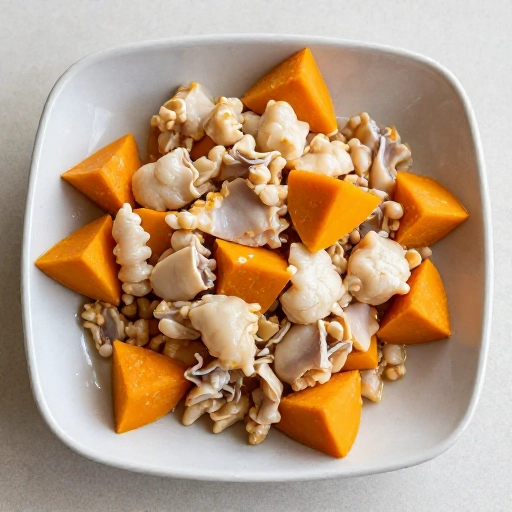
For cats who prefer seafood or need a change, this recipe is wonderfully soothing. Steam one cup of white fish fillet until it flakes easily. Be sure to remove any tiny bones. Mash the fish with a fork until it’s very fine.
Mix in two tablespoons of plain canned pumpkin—not pumpkin pie filling, just pure pumpkin. Add a tablespoon of the steaming liquid to reach a soft, pâté-like consistency. Sprinkle in the recommended amount of taurine and stir well.
This recipe is especially good for cats who are dehydrated or have loose stools. The pumpkin adds fiber that helps regulate digestion, while the fish is super easy on a sore stomach. Serve at room temperature for best results.
Why Homemade Works for Sensitive Stomachs
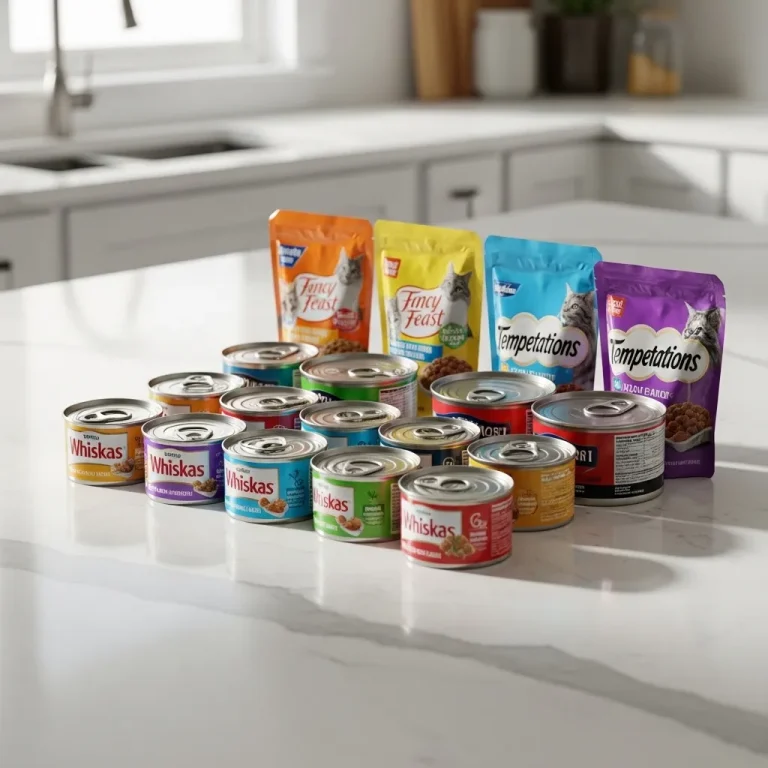
Commercial cat foods often contain multiple protein sources, artificial preservatives, and fillers that can trigger reactions. When you make food at home, you control every single ingredient. You can eliminate common irritants and tailor meals to what your cat tolerates best.
I’ve seen my own cat go from vomiting daily to thriving on these simple recipes. The freshness matters too—homemade food hasn’t been sitting on a shelf for months. Plus, the gentle cooking process preserves nutrients that can be lost in high-heat processing. It’s not complicated; it’s just real food made with love.
Conclusion
Switching to homemade cat food for sensitive stomachs doesn’t have to be overwhelming. Start with one simple recipe, see how your cat responds, and adjust from there. Always consult your vet before making dietary changes, especially if your cat has underlying health conditions.
Your cat deserves meals that comfort rather than upset their tummy. With a little prep and the right ingredients, you can give them that relief. I promise, seeing your happy, healthy cat is worth every minute in the kitchen.
Frequently Asked Questions
Can I use chicken thighs instead of breast?
It’s better to stick with lean breast meat. Thighs have more fat, which can be harder for a sensitive stomach to handle and may cause loose stools.
How long does homemade cat food last in the fridge?
Store it in an airtight container for up to three days. For longer storage, freeze portions in small containers or ice cube trays for up to two months.
Do I really need to add taurine?
Yes, absolutely. Cats cannot produce enough taurine on their own and need it for heart and eye health. Always add a cat-safe supplement to homemade meals.
What if my cat won’t eat the homemade food?
Try warming it slightly to bring out the aroma. You can also mix a tiny bit of their old food in at first, then gradually increase the homemade portion over a week.
Can I feed these recipes as a complete diet?
These recipes are designed for short-term use or as a base. For a long-term complete diet, work with your vet to ensure all nutritional needs are met, including additional supplements like calcium.