15 Modern Cat Cafe Design Tips That Work
I have spent more hours than I care to count in cat cafes around the world. Some feel like a dream, others feel like a waiting room with fur. The difference? Smart design. A great cat cafe balances feline comfort with human experience, and it is trickier than it looks.
Whether you are opening a new space or refreshing an existing one, these fifteen tips come from real places that get it right. No fluff, just practical ideas that make cats happy and customers return.
1. Create Vertical Highways Along the Walls
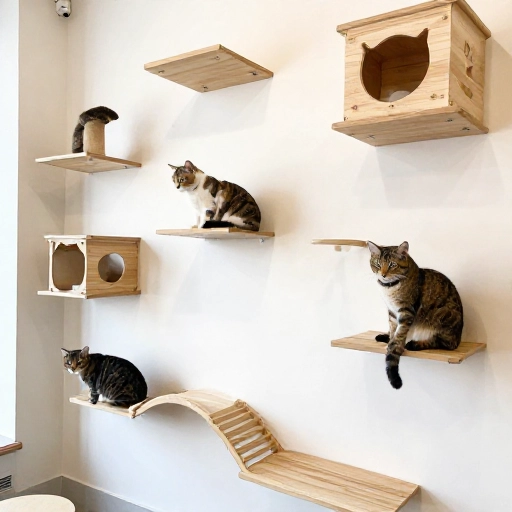
Cats crave height, but not all cat cafes use walls well. Install floating shelves, wall-mounted perches, and climbing bridges that let cats move from one end of the room to the other without touching the floor. This reduces territorial disputes and gives shy cats escape routes.
Use materials like unfinished wood or sisal rope so cats can grip easily. Place shelves at different heights to accommodate both adventurous climbers and cautious observers.
2. Use Soft, Diffuse Lighting
Bright overhead lights stress cats and make humans squint. I have seen the best cat cafes use warm, indirect lighting from floor lamps, wall sconces, or dimmable pendant fixtures. Natural light is wonderful, but make sure there are shaded corners for cats who want to nap.
Consider adding a few small task lights near seating areas for customers who want to read or work. The cats will appreciate the calm atmosphere, and your photos will look softer and more inviting on social media.
3. Build Hidden Nooks for Shy Cats
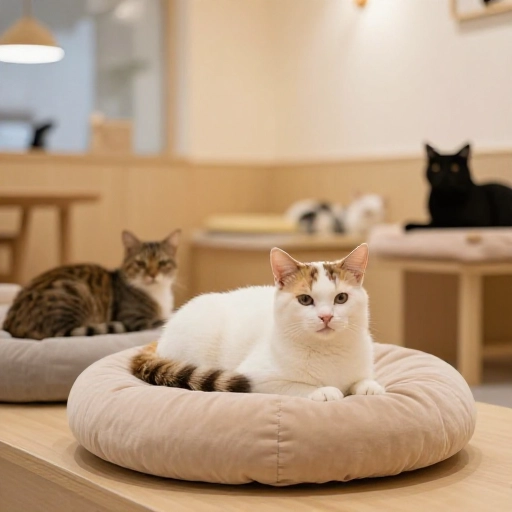
Not every cat wants to be pet. Design cubbies, tunnel systems, and enclosed cubbies that allow cats to disappear completely. Use materials like felt, wood, or cardboard. Place these nooks away from high-traffic areas and near windows if possible.
I always recommend adding a small sign that says “cat resting” near these spots. It teaches guests to respect boundaries and makes the cafe feel more thoughtful.
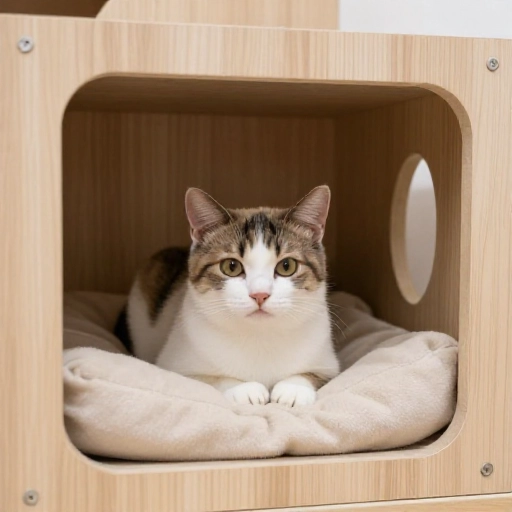
4. Choose Washable, Scratch-Resistant Fabrics
This is non-negotiable. Upholstery should be performance-grade fabric or outdoor-rated material that wipes clean. Avoid velvet and loose weaves. Leather or faux leather works well for accent chairs, but make sure cats cannot sink claws into it.
Provide scratching posts near every seating area. This trains cats to scratch appropriate surfaces and saves your furniture. Trust me, your customers will notice the difference.
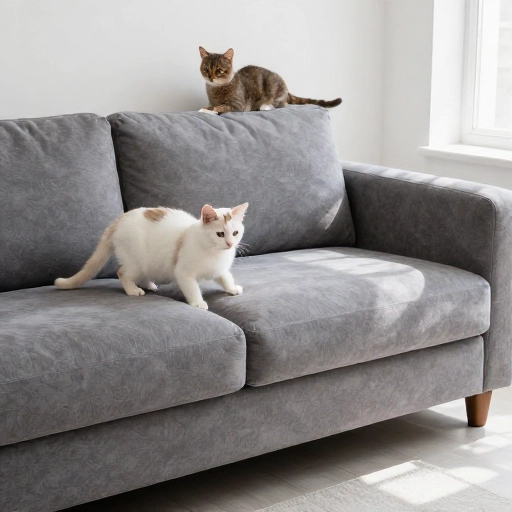
5. Separate the Coffee Zone from the Cat Zone
Health codes aside, a physical barrier between food prep and cat areas keeps everything cleaner and less chaotic. Use a glass wall or half-wall with a door. Customers can still see the cats from the coffee area, which builds anticipation.
This also allows staff to prepare food without cat hair floating into pastries. Your barista will thank you, and your health inspector will too.
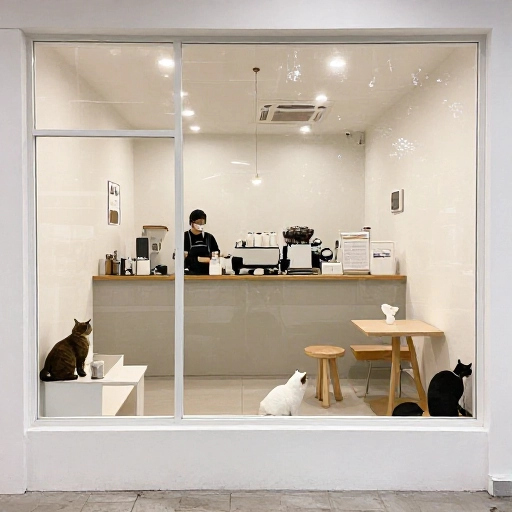
6. Install Floor-to-Ceiling Window Perches
Cats love watching the outside world, and customers love watching cats watch the outside world. Install wide window perches with cushions that attach securely. Place them near bird feeders or a busy street for natural entertainment.
Make sure windows have UV protection to prevent fading and overheating. A sunny spot is great, but cats need the option to move away if it gets too warm.
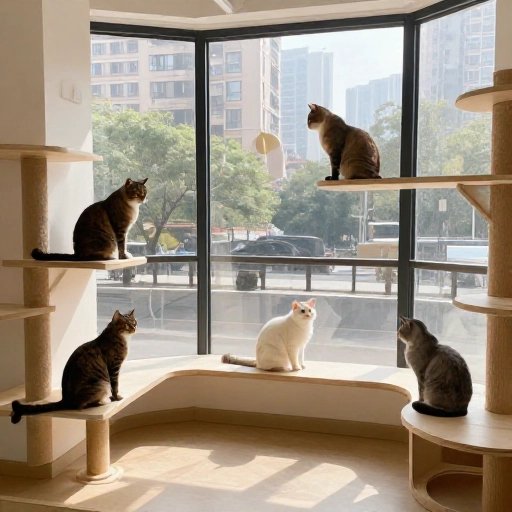
7. Use Neutral Tones with Pops of Color
White walls and beige furniture feel clean but can look sterile. I recommend warm neutrals like soft gray, beige, or sage green as a base. Add color through cushions, rugs, and wall art. This keeps the space calm for cats while still feeling playful.
Choose colors that photograph well. Instagram-friendly corners are free marketing. A velvet mustard cushion or a teal accent wall can become a signature look.
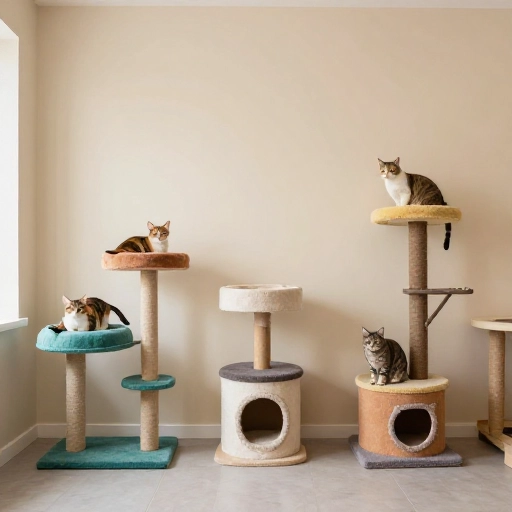
8. Design a Seamless Entry and Exit System
Every cat cafe needs an airlock or double-door system to prevent escapes. Design this space to feel welcoming, not like a holding cell. Add a bench for putting on shoe covers or washing hands. Use a small shelf for personal items.
Make the transition clear with signage and a bell or chime. This ritual helps guests shift into calm mode before they meet the cats.
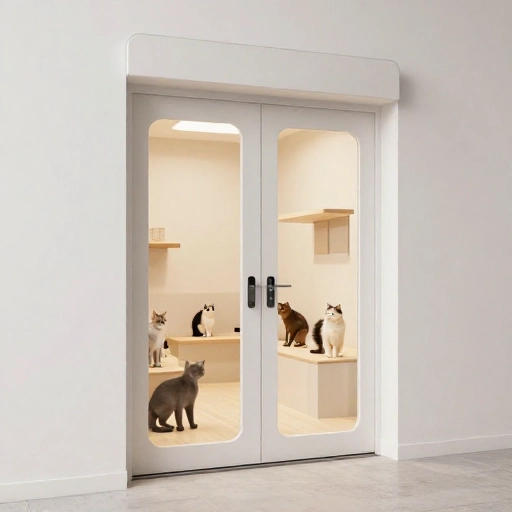
9. Provide Multiple Litter Box Stations in Discreet Locations
One litter box is never enough. Place three to four stations in quiet, low-traffic spots. Use enclosed cabinets or decorative screens to hide them. Ventilation is critical, so install a small exhaust fan near each station.
Choose self-cleaning boxes if budget allows. Otherwise, assign a staff member to check boxes every hour. Clean litter boxes mean happy cats and odor-free spaces.
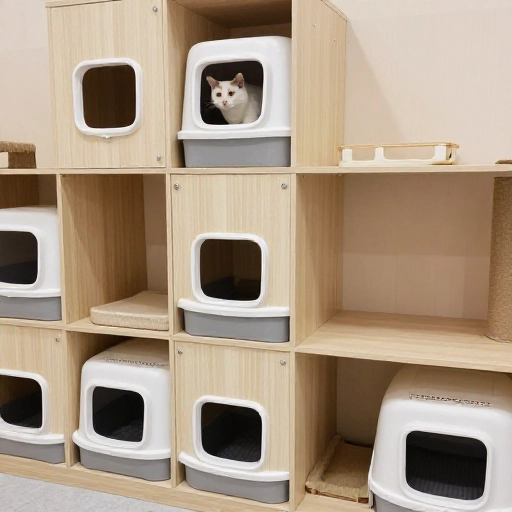
10. Incorporate Interactive Wall Elements
Wall-mounted cat furniture can be more than shelves. Add tunnels that run along the ceiling, circular perches, or even a small cat wheel attached to a wall frame. These elements become conversation starters and keep active cats entertained.
Rotate interactive toys every few weeks to prevent boredom. A bored cat in a cafe can become a disruptive cat. Keep them engaged and they will be your best ambassadors.
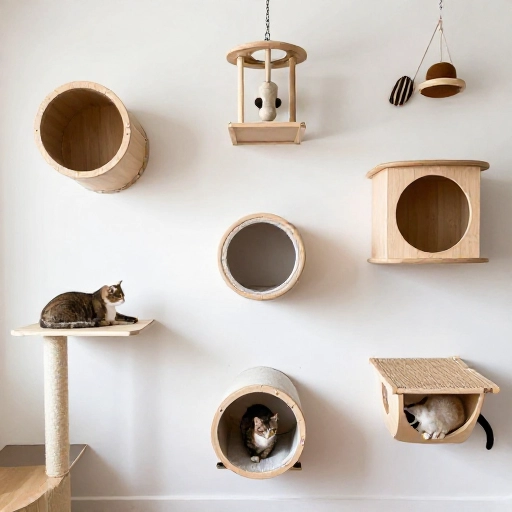
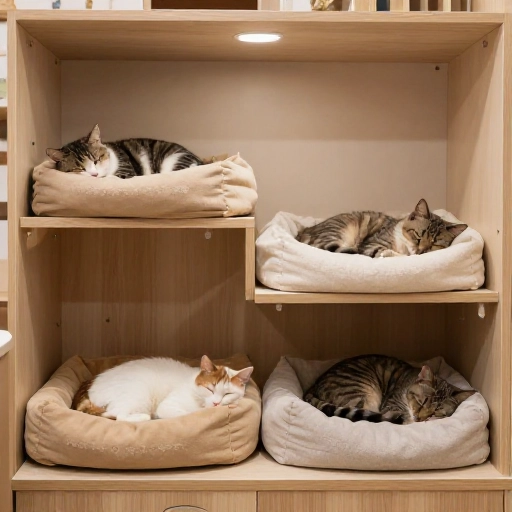
11. Create Quiet Zones for Napping Cats
Not every part of the cafe needs to be social. Dedicate one corner or room to quiet time. Use sound-absorbing panels, soft rugs, and low lighting. Place cat beds and hammocks here. Allow cats to come and go freely.
Post a sign that says “quiet zone” and ask guests to whisper. This gives cats a sanctuary and teaches customers to read feline body language.
12. Use Scent Control Strategically
Cat cafes can smell. Combat this with a combination of good ventilation, air purifiers, and scent-neutralizing plants like spider plants or areca palms. Avoid strong essential oils or candles, which can harm cats.
Place activated charcoal bags near litter areas and in corners. Change HVAC filters monthly. Your nose will know if it is working.

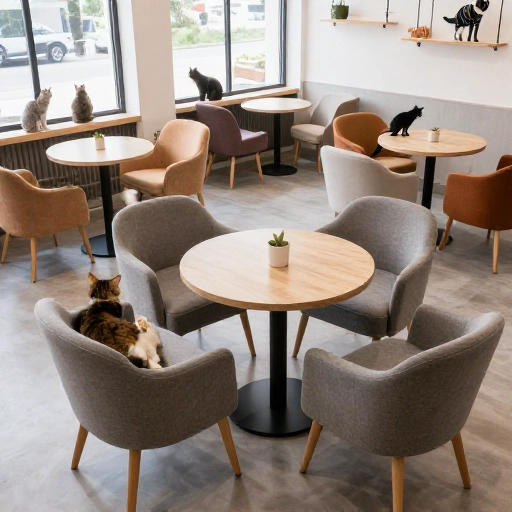
13. Design Flexible Seating for Groups and Solos
Mix of bench seating, small tables, and cozy armchairs. Groups of four need space to chat, but solo visitors want a corner to observe. Avoid long communal tables that make shy guests uncomfortable.
Use lightweight furniture that can be rearranged for events or adoptions. Casters on chairs make cleaning easier too.
14. Include a Small Retail Corner
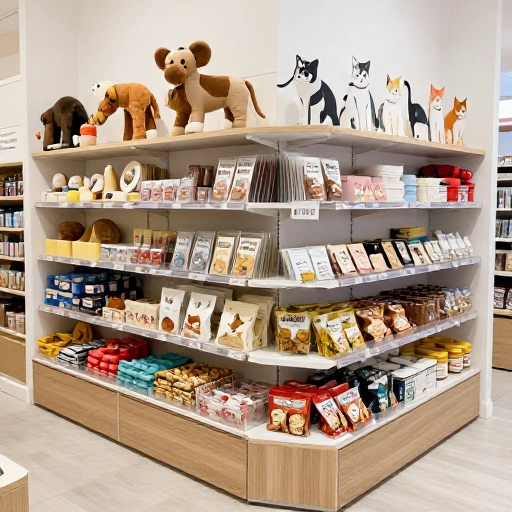
Sell cat-themed merchandise, toys, or locally made treats. Keep it small and intentional. A shelf near the exit works well. This adds revenue without cluttering the main space.
Feature items that match your cafe’s aesthetic. If your design is modern and minimal, sell simple ceramic bowls or linen cat beds. It feels cohesive and encourages impulse buys.
15. Plan for Adoption-Friendly Features
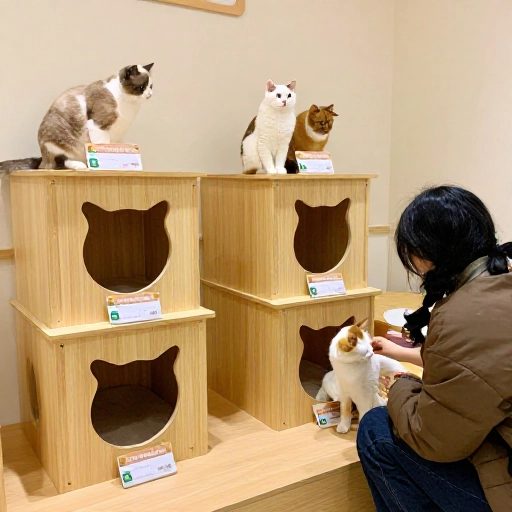
If you partner with a rescue, design with adoption in mind. Include a small bio card next to each cat’s favorite spot. Create a cozy corner where potential adopters can sit and bond with a cat one-on-one.
Have a simple paperwork station with pens, forms, and a small printer. Make the process easy and stress-free for everyone involved.
Conclusion
Designing a cat cafe is about creating a space where both species feel at home. The best cafes I have visited feel intentional, not cluttered. They respect the cats’ needs while still delivering a memorable human experience. Start with these fifteen ideas, adapt them to your space, and watch your cafe become a place people return to again and again.
FAQ
1. How many cats should a cat cafe have?
It depends on square footage, but a good rule is one cat per 100–150 square feet. Too many cats causes stress, too few feels empty.
2. Do cat cafes need special insurance?
Yes. Standard business insurance often excludes animals. Look for pet-friendly liability coverage and check local regulations carefully.
3. How often should cat furniture be replaced?
Scratching posts every 6–12 months. Soft furnishings every 2–3 years or when they show wear. Replace perches if they wobble.
4. Can I use real plants in a cat cafe?
Yes, but only cat-safe plants like spider plants, Boston ferns, or cat grass. Avoid lilies, pothos, and philodendrons.
5. What is the biggest design mistake in cat cafes?
Not enough vertical space. Flat, open rooms cause territorial issues and bored cats. Always prioritize height in your layout.