Stop the Scratch: How to Soothe Your Dog’s Itchy Skin Naturally – 6 Proven Tips

If you’ve ever been woken up by the thump-thump-thump of your dog scratching at 2 a.m., you know how desperate that sound makes you feel. I’ve been there too. Itchy skin can turn the sweetest pup into a miserable, restless mess, and as a dog mom, all I wanted was to give my girl some relief without reaching for harsh chemicals every single time.
After months of trial and error, vet checkups, and reading every label in the pet store, I found a few natural remedies that genuinely helped calm her skin. These six tips are easy to try at home, use simple ingredients, and are gentle enough for most dogs. Always keep an eye on how your pup responds, and if the itch looks raw, open, or infected, call your vet before trying anything new.
1. Run a Soothing Oatmeal Bath
When my dog’s skin flares up, plain oatmeal is my first line of defense. Oats contain natural compounds called avenanthramides that help calm redness and itching. It sounds too simple, but it works wonders for dry, flaky skin.
Here’s my go-to method:
- Grind one cup of plain, unsweetened oats in a blender until it forms a fine powder.
- Sprinkle the powder into lukewarm water (never hot) and stir until it looks milky.
- Let your dog soak for 10 to 15 minutes while you gently pour the water over itchy spots.
After the bath, pat your dog dry instead of rubbing. I try to do this once a week during allergy season, and my pup always seems much more comfortable afterward.
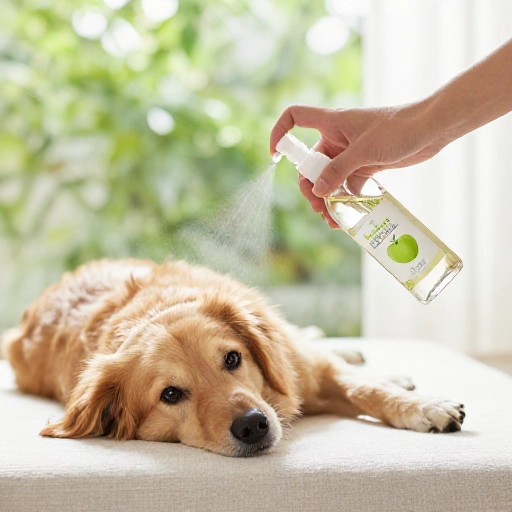
2. Try a Diluted Apple Cider Vinegar Spray
Raw, unfiltered apple cider vinegar can help balance the pH of your dog’s skin and discourage yeast overgrowth, which is often behind that musty, itchy smell. I use it as a light spray on irritated areas, but only if the skin is not broken or raw.
Mix equal parts water and apple cider vinegar in a spray bottle. Stay away from the face, ears, and any open wounds. After a light mist, let it air dry. The smell fades quickly, and my girl stopped licking her paws as much after just a couple of days.
A quick reminder: if your dog has very sensitive skin, do a tiny patch test first. It’s also smart to ask your vet if you’re unsure.
3. Add Omega-3 Fatty Acids to Every Meal
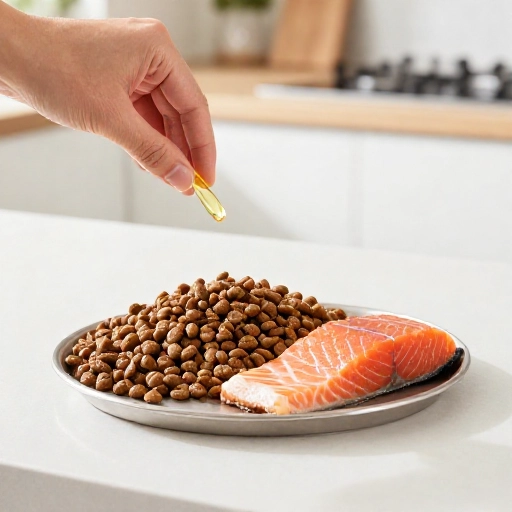
Sometimes itchy skin starts from the inside out. Adding omega-3s to your dog’s food can reduce inflammation and improve the skin barrier over time. I noticed a real difference after a few weeks of consistently adding fish oil to my dog’s bowl.
You have a few natural options:
- Wild-caught salmon oil or sardine oil (my dog loves it).
- Ground chia seeds or flaxseed (start small to avoid tummy upset).
- Fresh cooked salmon or sardines packed in water.
Always check the dose with your vet, especially if your dog has a sensitive stomach or takes other supplements. This is one of those slow and steady remedies that pays off big time.
4. Massage in Organic Coconut Oil
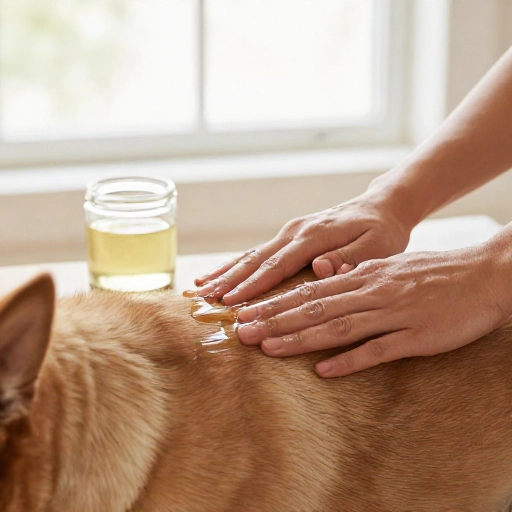
Coconut oil is a multitasker I always keep in the cabinet. It moisturizes dry patches, has mild antibacterial properties, and can soothe flaky spots almost on contact. Plus, a little lick here and there is usually safe.
I warm a small scoop between my hands and massage it into the itchy zones, like elbows, belly, and behind the ears. Leave it on for about 10 minutes, then wipe away any excess so your floors don’t turn into a grease trap.
If your pup tends to lick everything off, you can also add a tiny amount to their food. Start with a quarter teaspoon for small dogs and work up slowly.
5. Dab on Pure Aloe Vera Gel
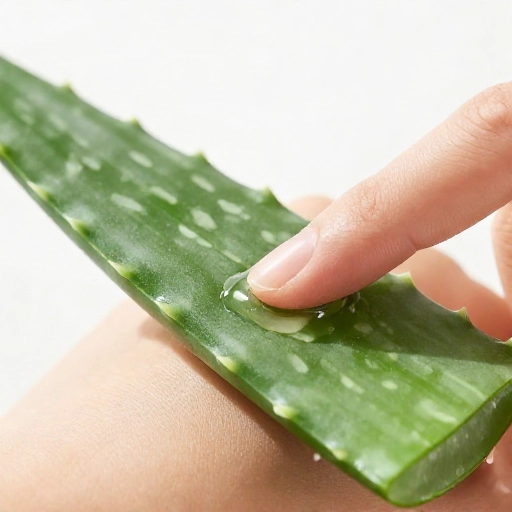
Aloe vera is one of the most cooling, natural remedies for hot, irritated skin. It’s especially helpful after a day of rolling in the grass or when you notice a small red patch starting to form. Just make sure you’re using pure aloe with no added alcohol or artificial preservatives.
I keep a small bottle of food-grade aloe gel in the fridge. The cool feeling seems to give instant relief, and it dries quickly without leaving a sticky mess. Apply a thin layer to the itchy spot two or three times a day.
Because aloe can cause stomach upset if eaten in large amounts, I only use it on areas my dog can’t easily reach, or I distract her with a chew for a few minutes while it sinks in.
6. Cool It Down with an Herbal Tea Compress
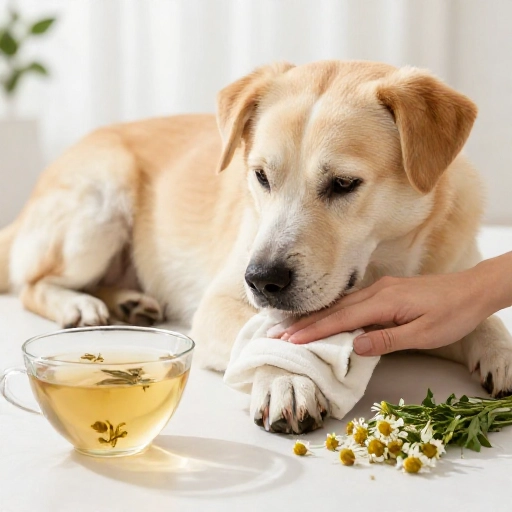
This trick saved us during hot summer nights. Chamomile and green tea both contain natural antioxidants and calming properties that can take the heat out of angry skin. I brew a strong cup, let it cool completely, and soak a clean washcloth in it.
Place the cool compress on the itchy area for 5 to 10 minutes. For paw itching, I pour the cooled tea into a shallow bowl and let my dog stand in it for a few minutes. It’s gentle enough to do daily.
Chamomile tea bags are also great to keep in the fridge. If your dog has a small hot spot, placing a cold, wet tea bag on it can feel incredibly soothing.
Conclusion
Natural itch relief is not about finding one miracle cure – it’s about creating a routine that supports your dog’s skin from the outside and the inside. These six tips have made a huge difference in my home, and I hope they bring your pup some much-needed comfort too. Start with one or two, watch how your dog reacts, and give it time. Healthy skin doesn’t change overnight, but every small step helps.
FAQ
Q: How often can I give my dog an oatmeal bath?
A: Once or twice a week is usually safe for most dogs. If your pup has very dry skin, once a week works well. Too many baths can strip natural oils, so keep an eye on the coat’s condition.
Q: Can I use these natural remedies on puppies?
A: Some are gentle enough for puppies, but young dogs have extra-sensitive skin. Always ask your vet before using apple cider vinegar or essential oil-based products on puppies under six months old.
Q: What if my dog licks the coconut oil or aloe vera?
A: Small amounts of pure coconut oil are usually fine if licked. Aloe can cause stomach upset in larger amounts, so apply it to hard-to-reach spots or distract your dog while it dries. Call your vet if your dog eats a large amount.
Q: How long before natural remedies start working?
A: Some things, like a cool oatmeal bath or tea compress, can give almost instant relief. Others, like omega-3s, can take three to six weeks to show a real change. Consistency matters more than speed.
Q: What are the signs a natural treatment is making things worse?
A: Increased redness, swelling, raw skin, more scratching, or any discharge means stop the treatment and call your vet. Natural doesn’t always mean allergy-proof, and every dog can react differently.