Nutrient-Packed Homemade Food for GSDs: 6 Easy Recipes Your German Shepherd Will Drool Over
If you have a German Shepherd, you already know they are basically four-legged athletes with a heart of gold. They need real, whole-food nutrition to keep those hips strong, that coat shiny, and that brain sharp. Over the years, I’ve moved away from heavily processed store-bought treats and started making nutrient-packed homemade food and snacks for my own GSD, Max. The difference in his energy, digestion, and overall glow has been incredible.
In this roundup, I’m sharing six of my go-to homemade recipes that are packed with lean proteins, healthy fats, fiber, and joint-loving ingredients. Each one is simple to make, uses dog-safe whole foods, and works perfectly as a training treat, meal topper, or everyday snack. Whether you’re a seasoned home cook for your pup or just dipping your toes into the world of DIY dog food, these recipes are designed to be easy, affordable, and wildly popular with even the pickiest German Shepherd.
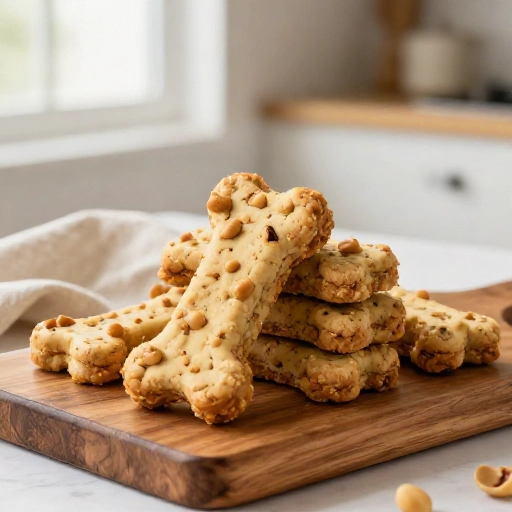
1. Peanut Butter & Banana Crunchy Biscuits
These crunchy biscuits are a classic for a reason! The natural sweetness of ripe banana combined with creamy peanut butter creates a flavor dogs go nuts for, while the oats and whole wheat flour provide slow-release energy and fiber.
- 1 ripe banana, mashed
- 1/2 cup unsalted, xylitol-free peanut butter
- 1 1/2 cups whole wheat flour (or oat flour for grain-sensitive pups)
- 1/2 cup rolled oats
- 1 large egg
- Preheat your oven to 350°F (175°C) and line a baking sheet with parchment paper.
- In a large mixing bowl, mash the banana and stir in the peanut butter, egg, and oats until well combined. Gradually add the flour until a stiff dough forms.
- Roll out the dough to about 1/4 inch thickness and cut with cookie cutters. Bake for 18–20 minutes until golden and crisp, then cool completely before serving.
2. Salmon & Sweet Potato Omega-Rich Bites
Packed with omega-3 fatty acids from salmon and beta-carotene from sweet potato, these soft bites are amazing for your German Shepherd’s skin, coat, and joint health. The natural fish oils help reduce inflammation, which is a big deal for this breed’s hips and elbows.
- 1 can (6 oz) wild-caught salmon in water, drained
- 1 cup cooked and mashed sweet potato
- 1/2 cup coconut flour (or oat flour)
- 1 large egg
- 1 tablespoon ground flaxseed
- Preheat oven to 325°F (160°C). In a bowl, flake the drained salmon and remove any tiny bones.
- Add the mashed sweet potato, egg, coconut flour, and flaxseed. Mix until a thick, slightly sticky batter forms.
- Drop small spoonfuls onto a parchment-lined baking sheet and flatten slightly. Bake for 15–18 minutes until firm. Store in the fridge for up to 5 days.

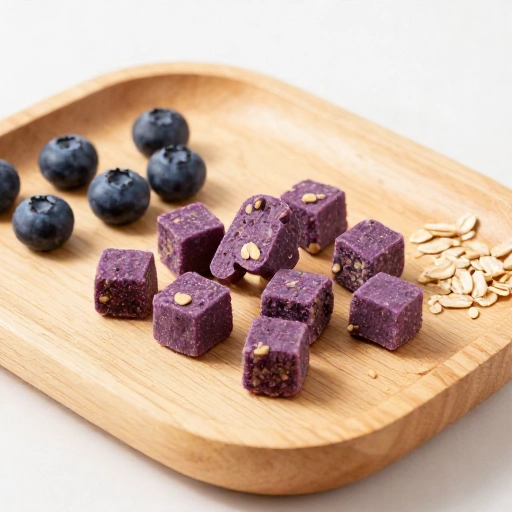
3. Blueberry & Oat Antioxidant Training Treats
These tiny, soft-baked training treats are low in calories but high in antioxidants from fresh blueberries. Perfect for rewarding good behavior during long training sessions without overfeeding your active GSD.
- 1 cup fresh or frozen blueberries (thawed if frozen)
- 1 cup rolled oats, ground into flour
- 1/2 cup unsweetened applesauce
- 1 egg white
- 1 tablespoon coconut oil, melted
- Preheat oven to 350°F (175°C). Lightly mash the blueberries with a fork to release their juice.
- In a bowl, combine the oats, applesauce, egg white, and coconut oil. Fold in the mashed blueberries until evenly distributed.
- Spoon tiny dime-sized portions onto a baking sheet lined with parchment paper. Bake for 10–12 minutes. Cool completely, then break into smaller pieces for training.
4. Turkey & Pumpkin Digestive Health Meatballs
Lean ground turkey and pure pumpkin puree team up to create gentle, protein-rich meatballs that are easy on sensitive German Shepherd stomachs. Pumpkin is a superstar for both firming up loose stools and soothing digestive upset.
- 1 lb lean ground turkey (93% lean or higher)
- 1/2 cup canned pure pumpkin puree (not pie filling)
- 1/2 cup cooked quinoa or brown rice
- 1 egg
- 1 teaspoon ground turmeric (optional, for anti-inflammatory benefits)
- Preheat your oven to 375°F (190°C). In a large bowl, combine all ingredients and mix gently with your hands until just combined—overmixing makes tough meatballs.
- Roll into 1-inch balls and place on a greased baking sheet or silicone mat.
- Bake for 20–25 minutes until cooked through. Cool and serve as a meal topper or high-value treat. Refrigerate leftovers for up to 4 days.

5. Spinach & Chicken Joint-Support Chews
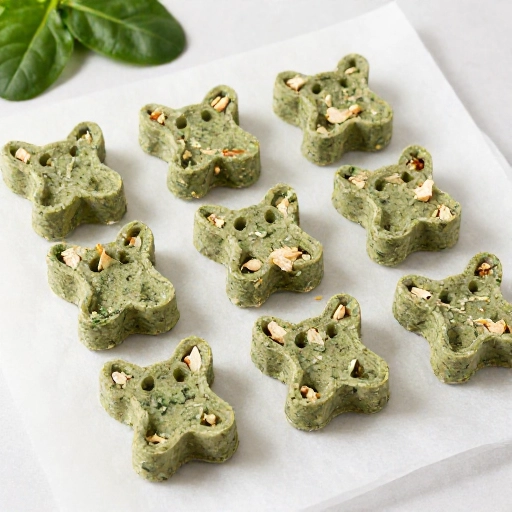
These savory, gelatin-based chews are loaded with lean chicken, iron-rich spinach, and bone broth for natural collagen and glucosamine support. They’re soft enough for older German Shepherds but still satisfying for younger chewers.
- 1 cup cooked, shredded chicken breast
- 1 cup fresh spinach, finely chopped
- 1/2 cup low-sodium bone broth (make sure no onion or garlic)
- 2 tablespoons unflavored gelatin powder
- 1 tablespoon nutritional yeast (optional, for B vitamins and cheesy flavor)
- Warm the bone broth in a small saucepan over low heat—do not boil. Whisk in the gelatin powder until fully dissolved.
- In a mixing bowl, combine the shredded chicken, chopped spinach, and nutritional yeast. Pour the warm broth mixture over and stir well.
- Press the mixture into a silicone mold or a small parchment-lined dish. Refrigerate for at least 3 hours until set, then cut into bite-sized chews. Keep refrigerated.
6. Apple & Carrot Dental Crunch Sticks
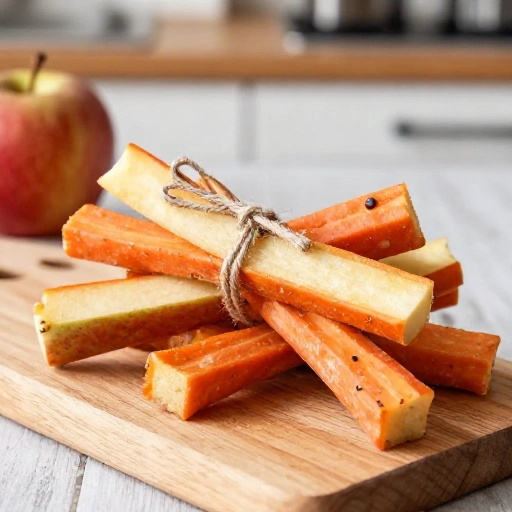
These crunchy sticks are my secret weapon for keeping Max’s teeth clean between brushings. The coarse texture of the oat flour and the natural crunch from apple and carrot help scrape away plaque, while parsley freshens breath naturally.
- 1 medium apple, cored and finely grated (no seeds)
- 1 medium carrot, peeled and finely grated
- 1 1/2 cups oat flour (plus extra for rolling)
- 1/4 cup fresh parsley, finely chopped
- 2 tablespoons coconut oil, melted
- 1 egg
- Preheat oven to 325°F (160°C). In a bowl, mix the grated apple, grated carrot, parsley, melted coconut oil, and egg until combined.
- Gradually add the oat flour until a dough forms. If it’s too sticky, add a little more flour. Roll into thin ropes about 4–5 inches long.
- Place the sticks on a parchment-lined baking sheet and bake for 25–30 minutes, flipping halfway, until very hard and crunchy. Cool completely before storing in an airtight container.
Tips & Safe Baking Guidelines
When it comes to making homemade food for German Shepherds, safety always comes first. I’ve learned a few non-negotiables over the years that I want to pass along to you.
Storage advice: Most baked treats with meat or high moisture should be stored in the refrigerator and used within 4–5 days. For longer storage, freeze them in a single layer on a baking sheet, then transfer to a zip-top bag—they’ll keep for up to 3 months. Crunchy, dry biscuits (like the dental sticks or PB banana biscuits) can be kept at room temperature in an airtight container for up to 2 weeks, but I still prefer the fridge for freshness.
Safe ingredient tips: Always check your peanut butter for xylitol—this artificial sweetener is extremely toxic to dogs. Avoid onions, garlic, chives, raisins, grapes, macadamia nuts, chocolate, and anything with caffeine. When using bone broth, look for versions made for pets or check labels to ensure no added onion or garlic. If your German Shepherd has a known grain sensitivity, swap whole wheat flour for oat flour, coconut flour, or chickpea flour. And always introduce new foods gradually to watch for any tummy upset.
One more thing: these recipes are meant as treats or meal toppers, not complete and balanced meals. For a full homemade diet, please work with a veterinary nutritionist to make sure your GSD is getting the right balance of calcium, phosphorus, and vitamins.
I hope these recipes become as big a hit in your kitchen as they are in mine. There’s something deeply satisfying about watching your German Shepherd’s tail wag the moment they smell homemade goodness coming out of the oven. Plus, you know exactly what goes into every bite—no mystery meat meals, no artificial preservatives, just real food made with love.
Frequently Asked Questions
Can I use these recipes as my German Shepherd’s only food?
No. These recipes are designed as treats, training rewards, or meal toppers. They do not provide complete and balanced nutrition on their own. If you want to cook all your dog’s meals, please consult a veterinary nutritionist to create a properly balanced homemade diet tailored to your GSD’s age, weight, and health needs.
How long do these homemade treats last?
It depends on the moisture content. Soft treats and meatballs should be refrigerated and used within 4–5 days. Crunchy, dry biscuits can stay at room temperature in an airtight container for up to 2 weeks but last longer in the fridge. For best results, freeze any extras—most treats freeze beautifully for up to 3 months.
My German Shepherd has a sensitive stomach. Which recipe is gentlest?
The Turkey & Pumpkin Digestive Health Meatballs are your best bet. Lean turkey is easy to digest, and pumpkin is well known for soothing upset stomachs and regulating digestion. Start with a small amount and see how your dog reacts. Avoid the spicy or high-fat ingredients in other recipes until your pup’s tummy settles.
Can I substitute the flours in these recipes?
Absolutely. Oat flour, coconut flour, chickpea flour, and brown rice flour are all great alternatives to whole wheat flour. Keep in mind that coconut flour absorbs much more liquid, so you may need to reduce the amount or add extra moisture. Experiment slowly and watch the dough consistency.
Are these recipes safe for German Shepherd puppies?
Generally yes, but with caution. Puppies have delicate digestive systems and specific nutritional needs for growth. Treats like the blueberry training bites or small pieces of the peanut butter biscuits are fine in moderation. Avoid the dental sticks until your puppy has adult teeth, and always supervise chewing. As always, check with your vet before introducing new foods to a growing pup.