10 Tips for Raising a Happy Dog
There’s nothing quite like the feeling of coming home to a wagging tail. I’ve learned that a truly happy dog isn’t just about treats and belly rubs—it’s about building a life together that feels safe, exciting, and full of love. Over the years, I’ve picked up a few habits that make a real difference in my pup’s joy.
These tips come straight from my own daily routine. They’re simple, practical, and designed to fit into real life. Whether you’re a new dog parent or have shared your home with a furry friend for years, these ideas will help you create a deeper bond and a happier home.
1. Start the Day with a Purposeful Walk
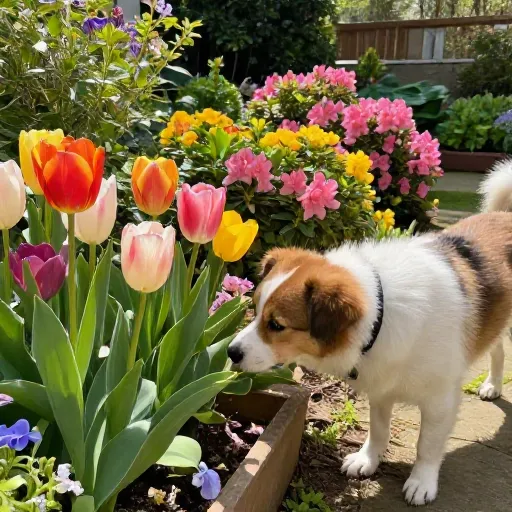
I’ve found that the first walk of the day sets the tone for everything. It’s not just about bathroom breaks—it’s about sniffing, exploring, and connecting. A slow, sniff-filled walk lets your dog use their brain and burn off energy in a calm way.
Try to let your dog lead for a few minutes. Let them choose the direction or stop to investigate a interesting smell. This small act of freedom builds confidence and reduces anxiety.
Even a 15-minute morning walk can make your dog feel more settled and happy for the rest of the day.

2. Create a Cozy Den Space
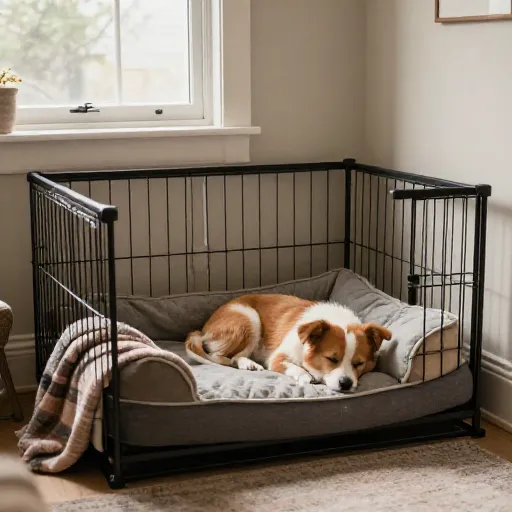
Dogs need a place that feels like their own. I set up a soft bed in a quiet corner, away from foot traffic and noise. It’s not a punishment zone—it’s a retreat.
I add a few of my dog’s favorite toys and a blanket that smells like me. This becomes their safe spot when they need a break from the chaos of daily life.
When your dog chooses to go there on their own, it’s a sign they feel secure and content.
3. Use Food Puzzles and Snuffle Mats
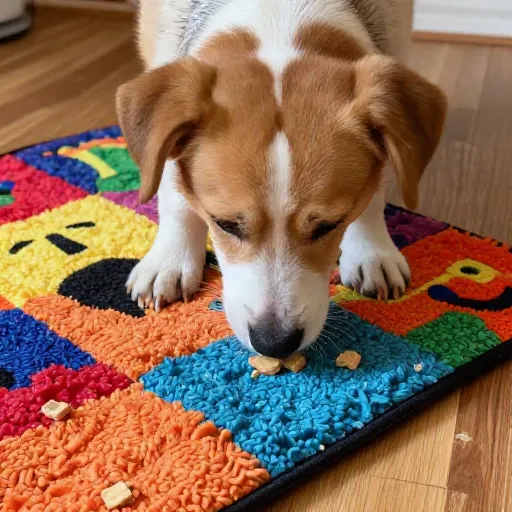
Eating from a bowl is boring for most dogs. I switched to puzzle toys and snuffle mats for meals, and it changed everything. It turns eating into a game that engages their nose and brain.
Start with easy puzzles and work up to harder ones as your dog gets the hang of it. This mental stimulation is just as tiring as a long walk.
It also slows down fast eaters and makes mealtime last longer, which is great for digestion and happiness.
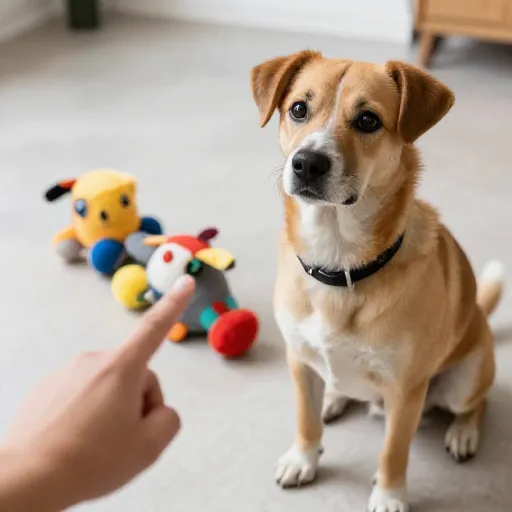
4. Teach New Tricks Often
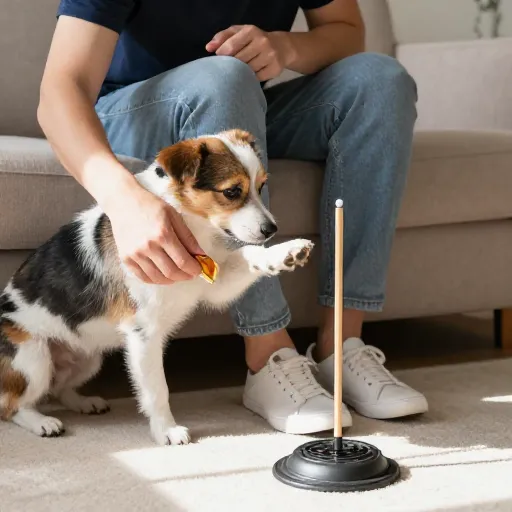
Learning never stops for a happy dog. I set aside five minutes a day to teach something new—even simple things like “spin” or “touch.” It keeps their mind sharp and strengthens our communication.
Use high-value treats and keep sessions short and playful. The goal is fun, not perfection. When they figure it out, celebrate like it’s the best thing ever.
This regular practice builds confidence and makes your dog more eager to learn and engage with you.
5. Prioritize Off-Leash Sniff Time
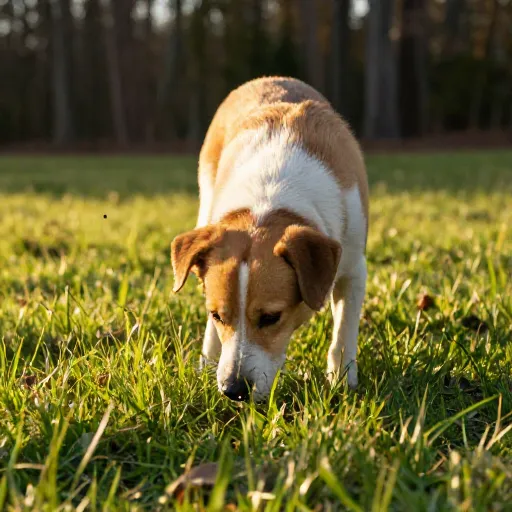
If you have a safe, fenced area, let your dog sniff to their heart’s content. Sniffing is how dogs read the world—it’s like reading a newspaper for them. It’s deeply satisfying and calming.
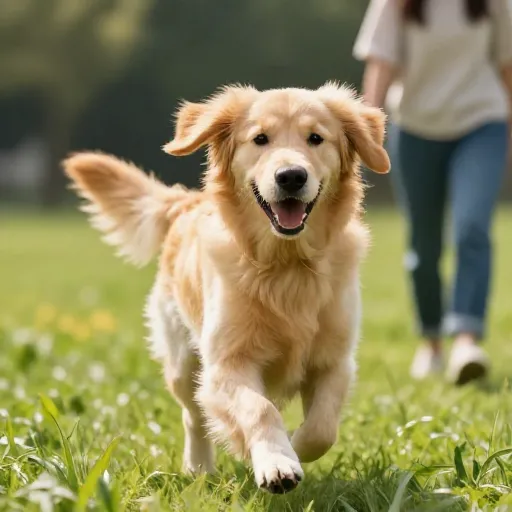
I take my dog to a quiet field and just let her wander. I don’t call her back constantly. I just watch her explore, sniff, and roll in the grass.
This unstructured time reduces stress and fills their need for exploration. It’s one of the simplest gifts you can give.
6. Stick to a Predictable Routine
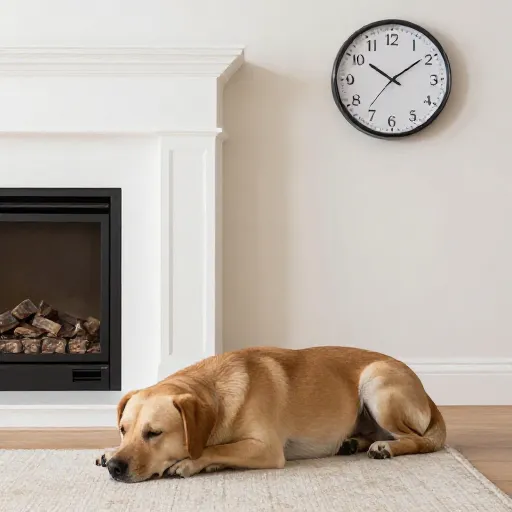
Dogs thrive on knowing what comes next. I feed my dog at the same times each day, walk her on a regular schedule, and keep bedtime consistent. This predictability makes her feel safe.
When life gets chaotic, the routine becomes an anchor. It helps dogs manage their energy and emotions better.
Even small rituals—like a treat after a walk or a cuddle before bed—create a sense of security and belonging.
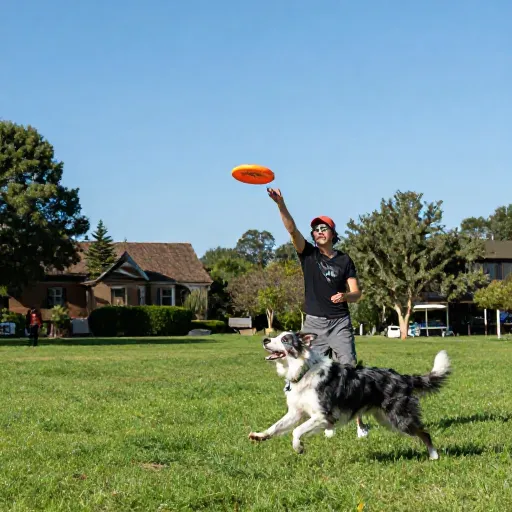
7. Play with Purpose
Not all play is created equal. I’ve learned that interactive play—like tug-of-war or fetch with rules—builds trust and teaches impulse control. It’s not just about wearing them out.
Set clear boundaries during play. Teach “drop it” and “take it” so the game stays fun and safe. End the session on a positive note, before your dog gets overstimulated.
This kind of play deepens your bond and leaves your dog feeling satisfied, not just tired.
8. Give Gentle Massages
Touch is a powerful way to show love. I give my dog a gentle massage after a walk or before bed. I start at her neck and work down her back, using slow, firm strokes.
Watch for signs of relaxation—a soft sigh, droopy eyes, or a wiggly tail. This is quality time that requires no toys or treats.
Regular massage lowers cortisol levels and releases oxytocin for both of you. It’s a simple, free way to boost happiness.

9. Let Them Make Choices
I started giving my dog small choices throughout the day. Which toy to play with? Which path to walk? Which treat to eat first? It sounds tiny, but it builds confidence and reduces frustration.
Offering choices respects your dog as an individual. It shows them that their opinion matters, which strengthens trust.
You can even let them choose between two safe options during training. This simple shift makes them more engaged and willing to participate.
10. End the Day with Calm Connection
Evenings are for winding down together. I dim the lights, put away toys, and sit quietly with my dog. Sometimes we share a chew bone, sometimes just a gentle pet.
This quiet time signals that the day is over and everything is safe. It helps your dog settle into a deep, peaceful sleep.
A consistent, calm ending to the day builds a sense of closure and contentment. It’s the perfect way to say “I love you” without words.

Conclusion
Raising a happy dog isn’t about being perfect. It’s about showing up every day with kindness, patience, and a willingness to learn together. These small habits have made a big difference in my home, and I hope they bring you and your pup closer too.
Remember, happiness looks different for every dog. Pay attention to what makes your dog’s tail wag the hardest, and do more of that. You’re doing a great job—keep going.
Frequently Asked Questions
How do I know if my dog is truly happy?
A happy dog often has a relaxed body posture, soft eyes, a wagging tail (not a stiff one), and a healthy appetite. They seek you out for play and affection, and they rest peacefully.
Can I spoil my dog too much?
Yes, if spoiling means no boundaries or structure. Dogs feel safest when they have clear rules. Love them deeply, but also guide them with consistency and kindness.
How much exercise does a happy dog need?
It depends on breed, age, and energy level. Most dogs benefit from at least 30 minutes of purposeful activity a day, plus mental stimulation. Quality matters more than quantity.
What if my dog seems bored or sad?
Try adding more sniffing opportunities, new toys, or changing your walking route. Sometimes a simple change in routine can spark joy. If sadness persists, check with your vet.
Is it okay to leave my dog alone during the day?
Yes, as long as they are gradually accustomed to it and have a safe space with toys and comfort. Most adult dogs can handle 4-6 hours alone. Longer periods may need a dog walker or daycare.