Keep Your Dog Entertained Indoors with These 11 Brain Games
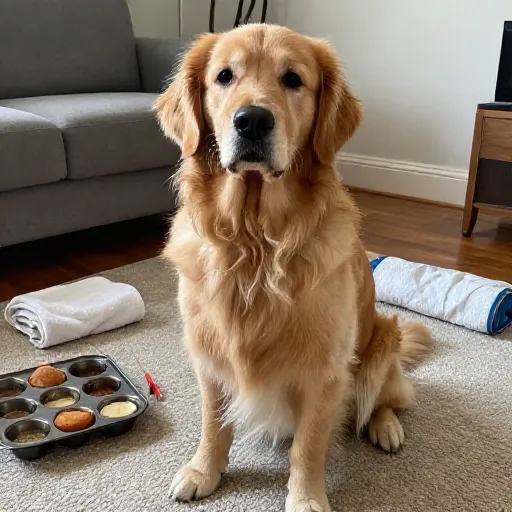
It’s raining outside, or maybe it’s just too hot to head out for a long walk. Either way, your dog is staring at you with those big “I’m bored” eyes. We all know that a tired dog is a happy dog, but physical exercise isn’t the only way to burn off that endless puppy energy. Mental stimulation can be just as exhausting—in the best way possible.
Brain games are a fantastic way to keep your pup’s mind sharp, strengthen your bond, and prevent destructive chewing or barking. The best part? You don’t need fancy toys or a big backyard. Most of these games use items you already have around the house. Let’s dive into some simple, fun ways to turn a boring afternoon into a mental workout for your furry friend.
From snuffle mats to hide-and-seek, these 11 ideas are perfect for rainy days, busy evenings, or anytime your dog needs a little extra something. Grab some treats, clear a little floor space, and get ready to see your dog’s tail wag with excitement.
1. The Classic Muffin Tin Game
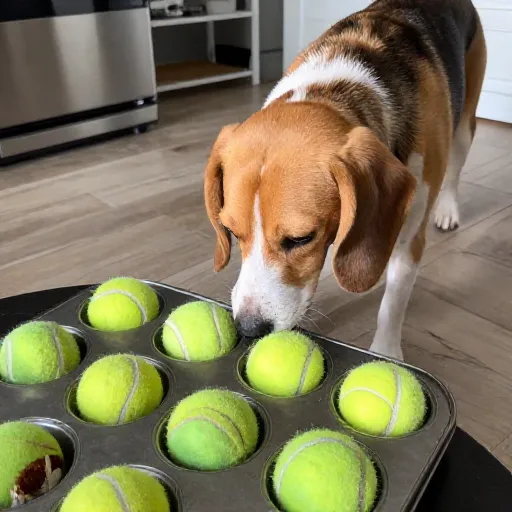
This is one of the easiest games to set up, and it’s a great starter puzzle. Grab a standard 12-cup muffin tin and drop a single treat into a few of the cups. Cover every cup with a tennis ball.
Your dog has to figure out how to nudge the balls out of the way to get to the goodies. It’s a fantastic lesson in problem-solving. Start with just one or two balls to make it easier, then increase the difficulty as they get the hang of it.
If you have a small breed, use a mini muffin tin or even an ice cube tray. This game also helps build confidence because the treats are visible but slightly out of reach.
2. The Towel Roll-Up
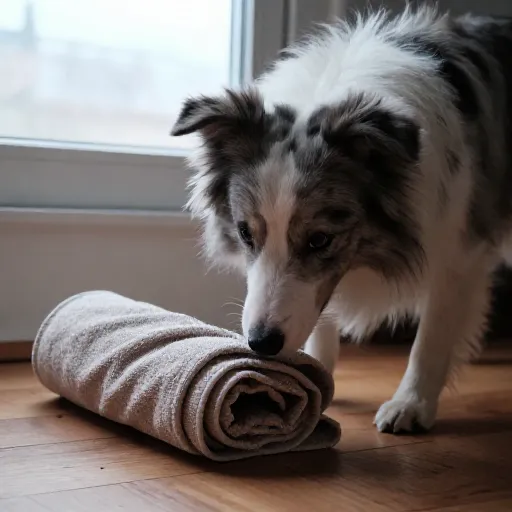
This is a zero-cost game that uses a simple kitchen towel. Lay the towel flat on the floor and sprinkle some kibble or treats along one edge. Roll the towel up into a tight log from that edge.
Hand the rolled towel to your dog and let them go to town. They’ll use their nose and paws to unroll it and find every single crumb. It’s messy, but it’s incredibly satisfying for them.
For a bigger challenge, tie the rolled towel in a loose knot. This forces them to use their paws and teeth to manipulate it. It’s a fantastic way to use up their meal if they are a gulper, slowing down their eating speed significantly.
3. Hide and Seek (The Treat Version)
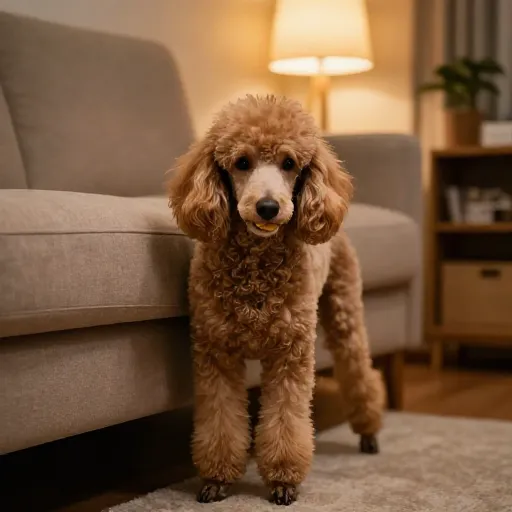
This game taps into your dog’s natural foraging instincts. Ask your dog to stay in a sit or down position, or put them in another room. While they wait, hide a few high-value treats around the living room.
Start with easy spots—like on the edge of a rug or right next to a couch leg. Then, release your dog with a “Find it!” command. Watch as they sniff around the room, their tail wagging as they discover each hidden prize.
As they get better, hide treats in more challenging spots, like under a cushion or behind a door. This game is all about using their nose, which is incredibly tiring and rewarding for them. It’s a great way to build a strong “find it” cue.
4. The Shell Game
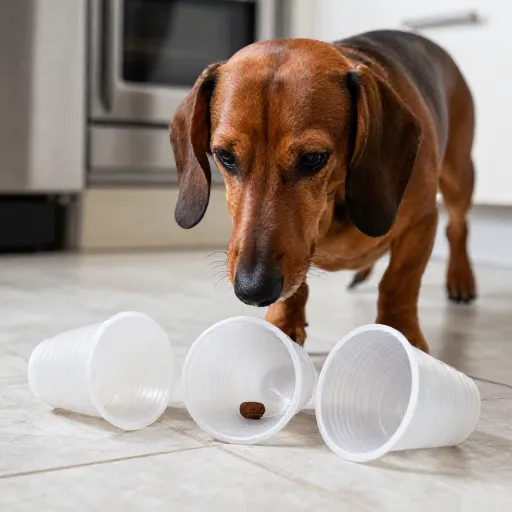
You might remember this from street performances, but it’s a great logic game for dogs. Take three plastic cups or empty yogurt containers and place a treat under one of them. Let your dog watch you do it.
Encourage them to tap or nose the correct cup. When they get it right, lift the cup and let them have the treat. This teaches them object permanence and patience.
Once they master the basic version, try shuffling the cups around before letting them choose. This is a more advanced step that really makes them think. Just be patient—some dogs get frustrated easily, so keep sessions short.
5. DIY Snuffle Mat
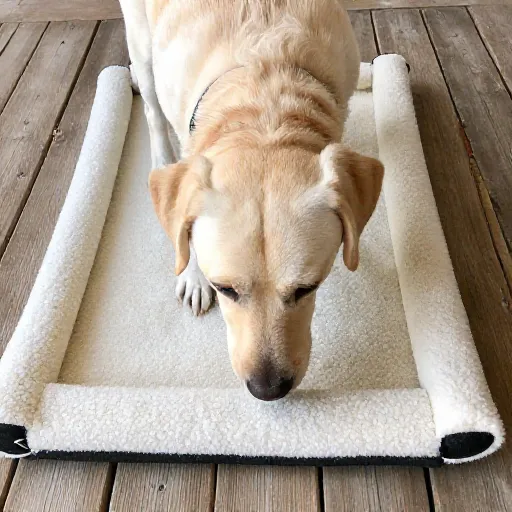
If you don’t want to buy one, you can easily make a snuffle mat at home. Take a rubber sink mat with holes and cut strips of fleece fabric. Tie the strips through the holes until the mat is completely covered.
Scatter treats or kibble deep into the fabric strips. Your dog will have to use their snout to root around and dig out the food. This is excellent for fast eaters and provides a great sniffing workout.
This is a low-impact activity that is perfect for senior dogs or pups recovering from surgery. It gets them moving and thinking without putting stress on their joints. If you don’t have a sink mat, a cardboard egg carton works in a pinch!
6. The “Which Hand?” Trick
This is a classic and one of the quickest games to play. Put a treat in one hand and close both of your fists. Present both closed fists to your dog.
Let them sniff, paw, or nose at your hands. When they indicate the correct hand (usually by nudging it), open your palm and reward them. This game is all about impulse control and reading signals.
You can mix it up by switching hands behind your back. It’s a fantastic way to bond without any equipment. Plus, it reinforces the idea that patience pays off, which is a great foundation for other training.
7. The Box Maze Challenge
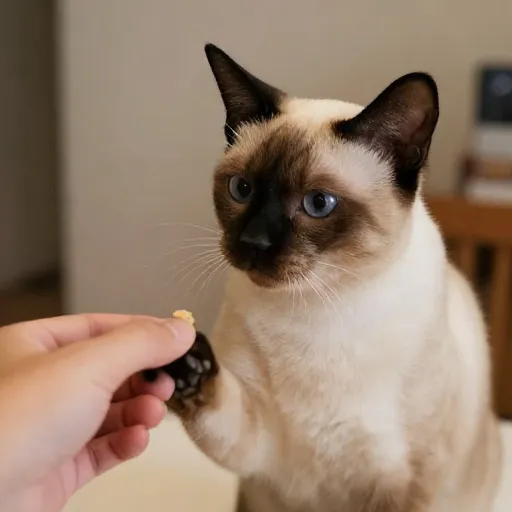
Before you recycle those Amazon boxes, put them to good use. Take a few small boxes and tape them open. Place them on the floor with treats hidden inside some of them.
Arrange them in a maze-like pattern or just scatter them around. Your dog has to navigate the boxes to sniff out which ones hold the prize. This is a great way to encourage exploration.
You can make it harder by crumpling up paper inside the boxes. This creates a mini “excavation” site. Just make sure there are no staples or tape that could be harmful. Supervise this game to ensure they don’t try to eat the cardboard.
8. The Cup Stack
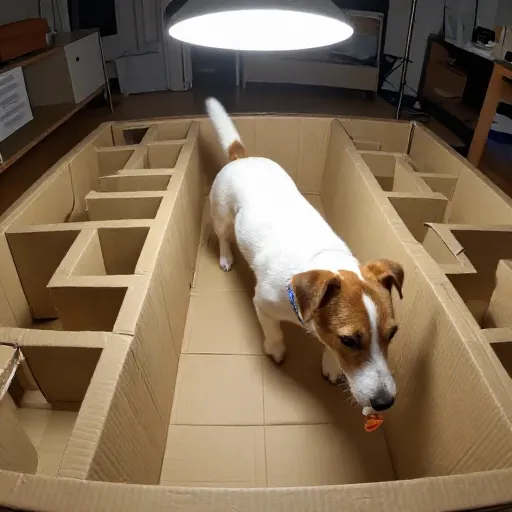
Similar to the shell game, but with a tower twist. Stack three to five plastic cups upside down in a pyramid. Hide a treat under one of the cups in the stack.
Let your dog figure out how to knock the cups over to get the treat. This encourages them to use their paws and snout to solve a physical puzzle.
This is a bit more active than the shell game, as it involves knocking things over. It’s a great way to let out some energy. Use lightweight plastic cups so they don’t hurt their nose when knocking them down.
9. Learn a New Trick (The “Touch” Game)
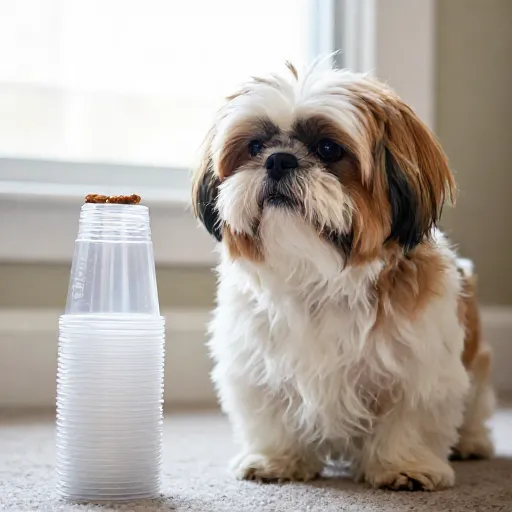
Mental stimulation isn’t just about puzzles; it’s also about learning. Spend ten minutes teaching your dog a new trick, like “touch.” Hold out your palm and say “touch” while they boop your hand with their nose.
This is a simple foundation trick that can lead to more complex behaviors. The focus required to learn a new command is incredibly tiring for a dog. It’s pure mental exercise.
Try teaching “spin” or “play dead” next. The process of figuring out what you want is exhausting for them. Always use high-value treats and keep the sessions positive and short.
10. The Flirt Pole (Indoor Version)
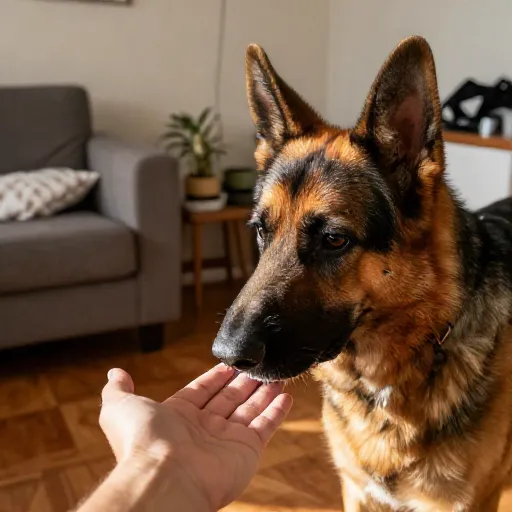
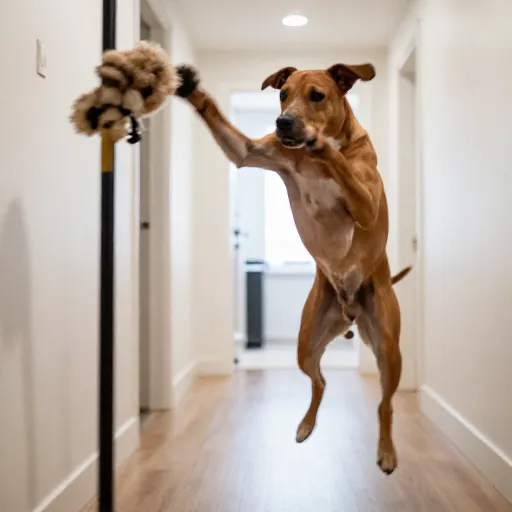
You might think of flirt poles as outdoor toys, but they work great indoors if you have a little space. A flirt pole is just a stick with a rope and a toy attached. You can use a sturdy wooden spoon and a ribbon with a plush toy.
Drag the toy along the floor like a mouse, encouraging your dog to chase and “catch” it. This taps into their prey drive and provides both mental and physical exercise. It’s a great way to teach impulse control—they have to wait for the “get it” command.
Be careful not to hit furniture or lamps. Use a soft toy so it doesn’t damage your walls. This is a high-energy game, so keep sessions to just a few minutes to avoid overstimulation.
11. The Bubble Chase
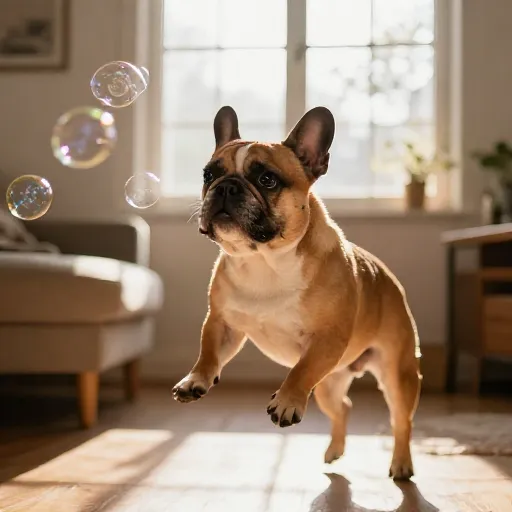
Did you know there are dog-safe bubbles? They are made with a peanut butter or bacon flavoring. You can buy them at most pet stores, or you can make your own with a little bit of dish soap and water (if your dog doesn’t ingest them).
Blow a few bubbles and let your dog chase and pop them. This is a fantastic visual and physical game. It encourages jumping, catching, and coordination.
Start by blowing bubbles high in the air and letting them float down. Some dogs are initially scared, so you can pop a few with your hand first to show them it’s safe. This is a great way to burn off pent-up zoomies in a small space.
Conclusion
Keeping your dog entertained indoors doesn’t have to be a chore. These brain games are not only fun, but they also provide the mental enrichment that your dog craves. You’ll find that a 15-minute session of puzzle-solving is often more exhausting than a 30-minute walk.
Remember to always supervise your dog during these activities, especially with items like cardboard or paper. The goal is to have fun and build a stronger bond. Rotate these games so your dog doesn’t get bored of them, and always end on a positive note with a win. Your dog will thank you for it with a happy, relaxed sigh.
FAQ
How long should I play brain games with my dog?
It depends on the dog, but generally, 10 to 15 minutes is plenty. You want to stop before they get frustrated. If they are still engaged and having fun, you can go a bit longer, but always leave them wanting more.
What if my dog gives up easily?
Start with easier versions of the games. Make sure the treats are high-value (like chicken or cheese). You can also help them by pointing or nudging the puzzle to show them how it works. Build their confidence slowly.
Are these games suitable for puppies?
Absolutely! Just keep it simple. Start with the towel roll-up or the “which hand” game. Puppies have short attention spans, so keep sessions to just a few minutes. It’s a great way to start building their problem-solving skills early.
Can I use my dog’s regular kibble instead of treats?
Yes, absolutely. Using their breakfast or dinner kibble is a great way to add enrichment to their meal. It’s healthier and prevents overfeeding. Just make sure the kibble is smelly enough for them to find it easily.
My dog is destructive. Will these games help?
Yes, they can. Destructive behavior is often a sign of boredom or excess energy. Mental stimulation redirects that energy into a positive outlet. If your dog is chewing furniture, try giving them a puzzle toy instead to channel that chewing instinct into something appropriate.