13 Dog Gates for Stairs Ideas That Actually Look Good
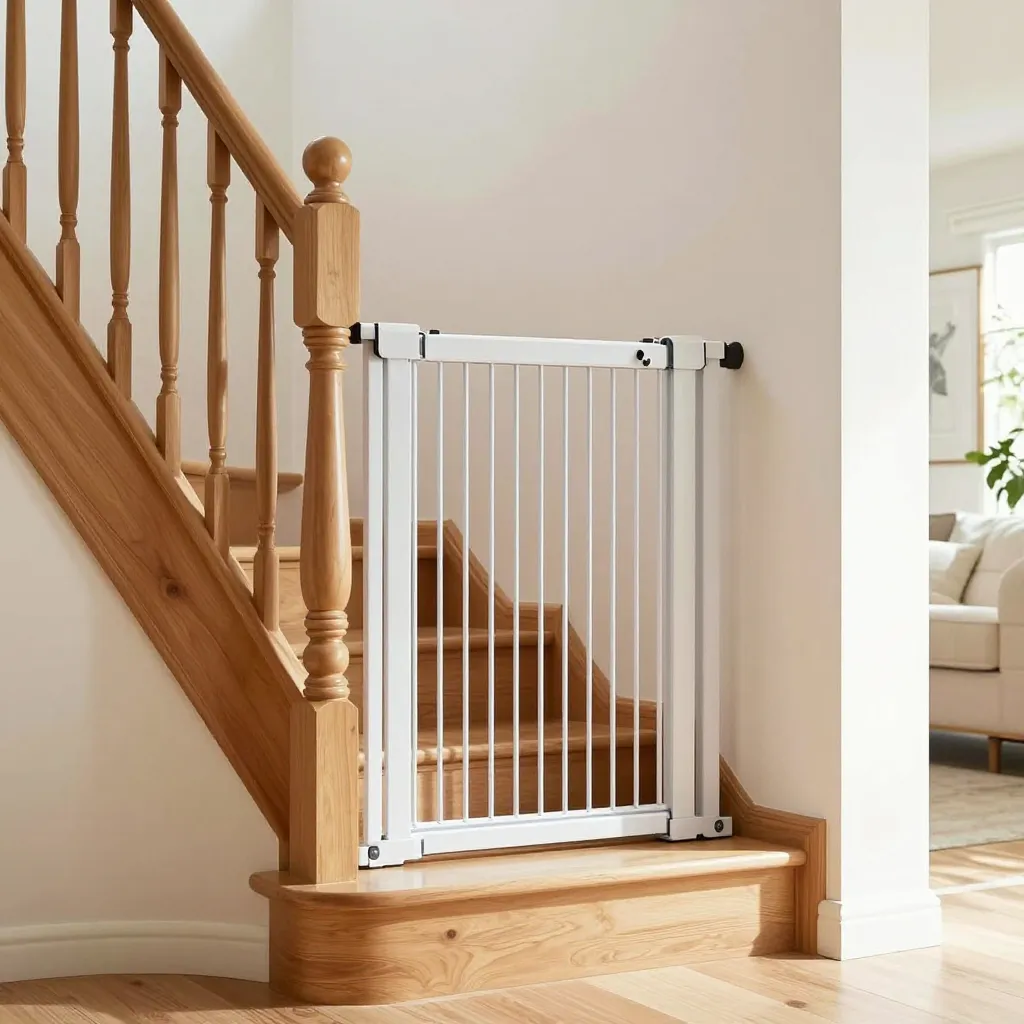
When I first got my puppy, I thought a baby gate would solve all my stair problems. Turns out, most standard gates are either too short, too flimsy, or just plain ugly. After testing more gates than I care to admit, I’ve gathered the best ideas that keep your dog safe without making your home look like a daycare center.
Whether you have a tiny escape artist or a big dog who leans on everything, these 13 dog gate ideas will help you find the perfect fit for your stairs. Let’s get into the ones that actually work.
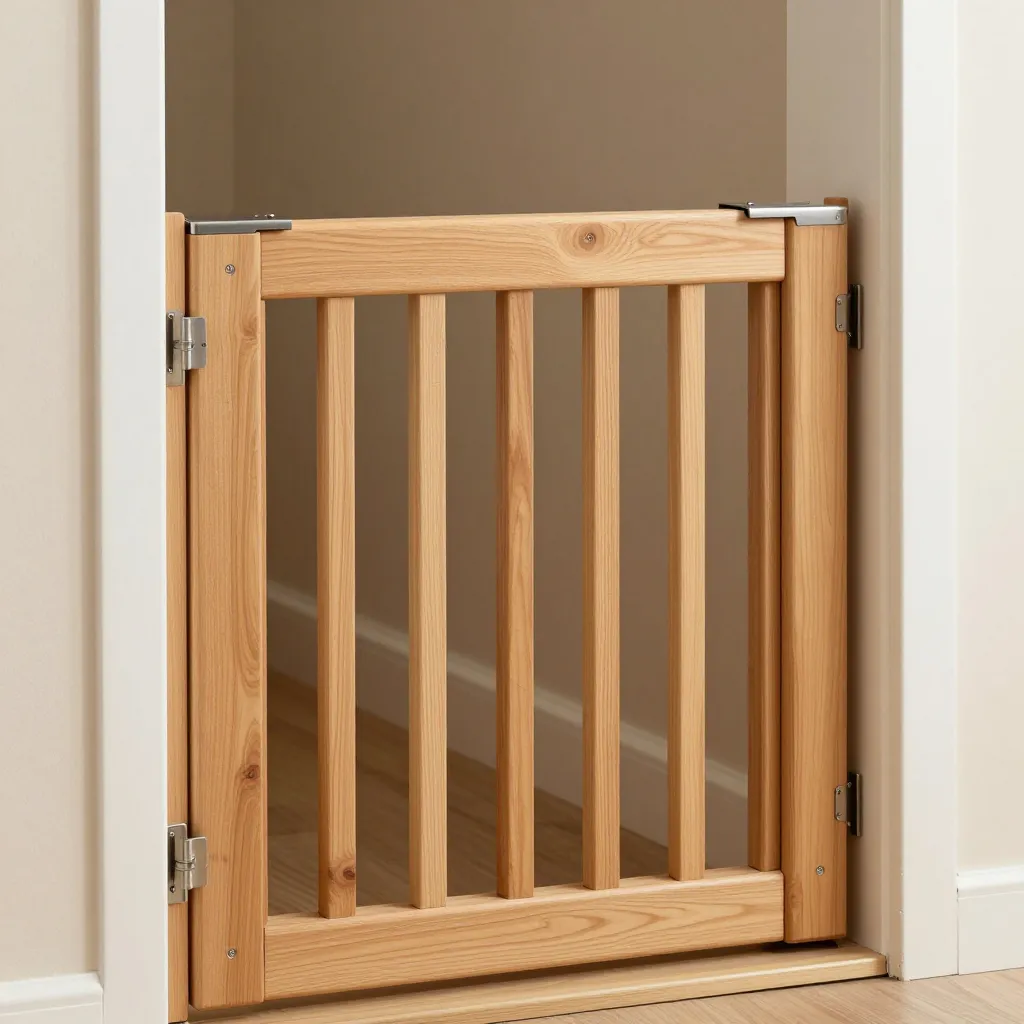
1. The Wooden Pressure-Mounted Gate
This is my go-to for renters. No drilling, no holes, just twist it into place between your wall and stair post. It’s sturdy enough for medium dogs and blends in with most wood trims.
I love that you can take it down in seconds when guests come over. Just make sure your stair railing can handle the pressure—some thin spindles might flex a bit.
Tip: Look for one with a walk-through door so you don’t have to climb over it twenty times a day.
2. The Extra-Tall Metal Gate
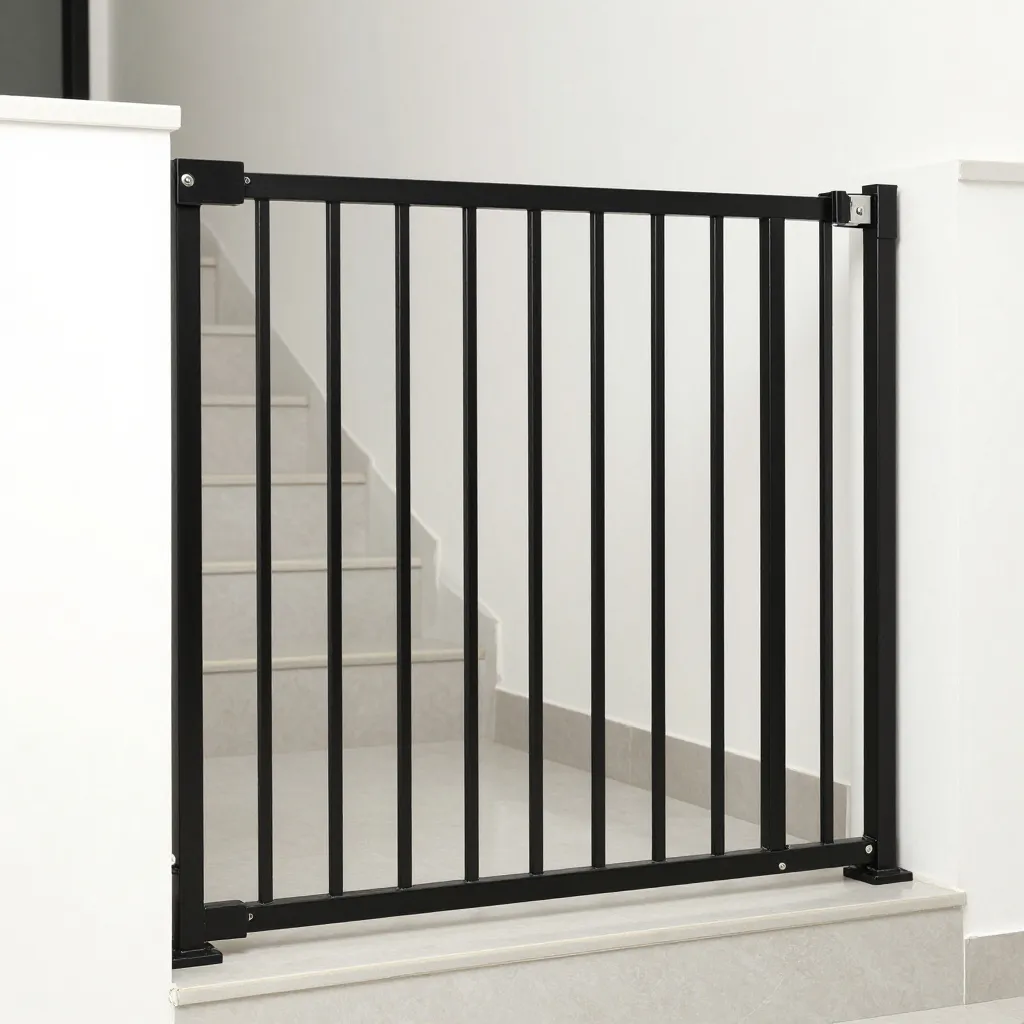
If you have a jumper or a big dog that could easily clear a standard gate, go tall. I’m talking 36 inches or more. These are usually made of metal and feel super solid.
They’re not the prettiest, but they get the job done. I painted mine with matte black spray paint to match my stair railing, and now it actually looks intentional.
Just be careful with the bar spacing—no wider than 2 inches for small dogs or puppies.
3. The Retractable Mesh Gate
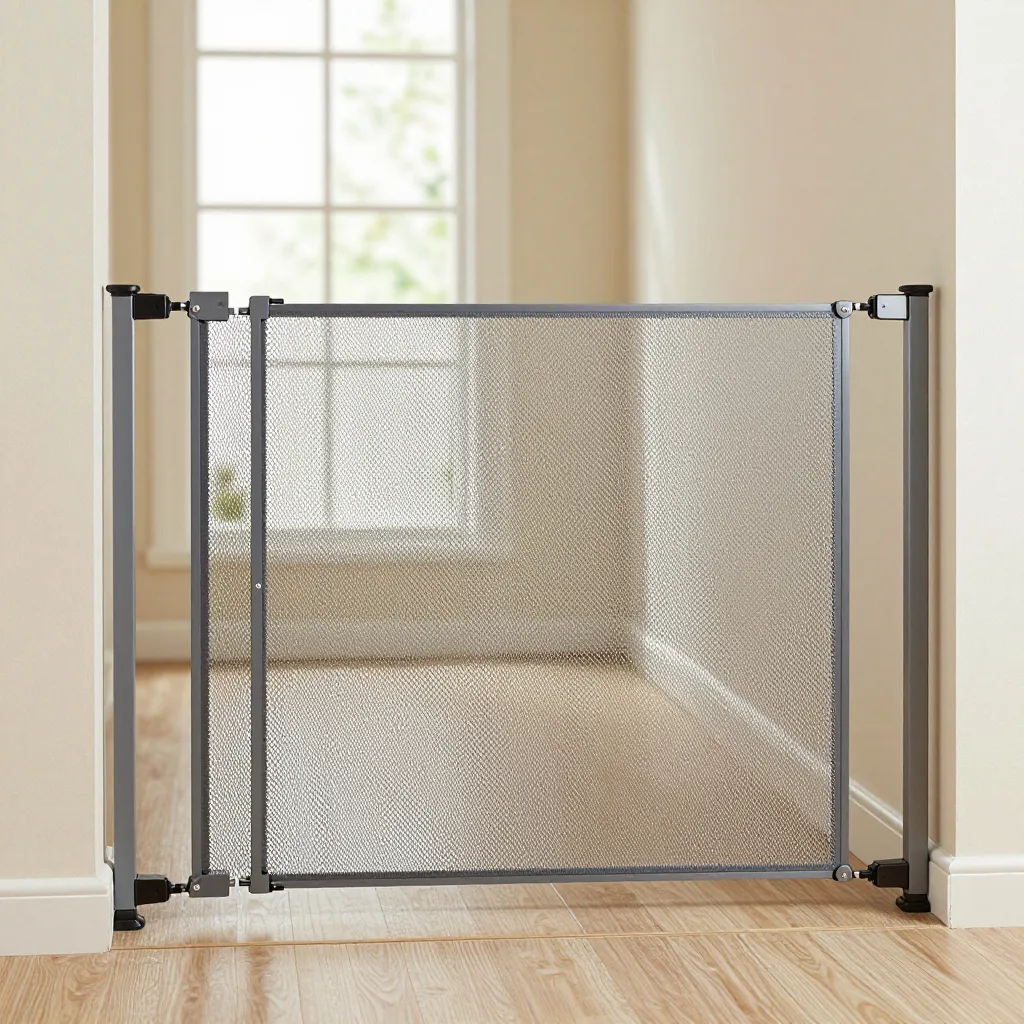
This one is perfect for narrow staircases or oddly shaped openings. It rolls up like a window shade and attaches with hooks or tension mounts. No swinging door to trip over.
I use this at the top of my basement stairs because the opening is wider than standard gates. It’s lightweight but surprisingly sturdy. Not for strong dogs who push hard, but great for calm pups.
Plus, it disappears when you don’t need it. That’s a win in my book.
4. The Freestanding Accordion Gate
No hardware, no tools, just unfold and place. These are fantastic for temporary setups or if you travel with your dog. I’ve used one at my parents’ house when I visit.
They’re not as secure as mounted gates, so I wouldn’t rely on them for a determined dog. But for blocking off stairs during a party or when the cleaning crew comes, they’re perfect.
Look for one with rubber feet so it doesn’t slide on hardwood floors.
5. The Custom Fit Wood Gate
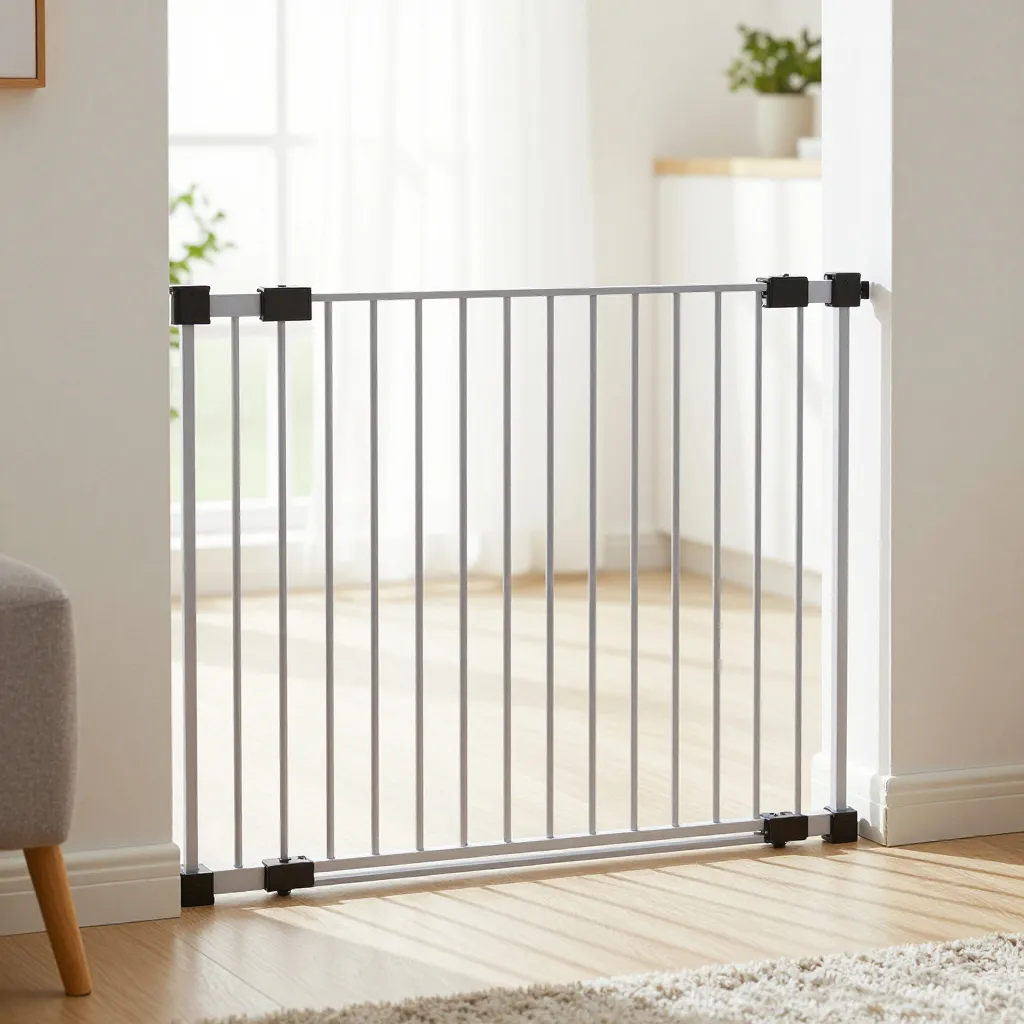
If your staircase is a weird width or you want something that matches your trim, custom wood gates are worth the splurge. You can order them online or have a local carpenter build one.
I had one made for my angled stair opening, and it fits like a glove. It’s painted the same white as my baseboards, so it barely registers as a gate.
Yes, it costs more. But if you’re going to have it up for years, the look is worth it.
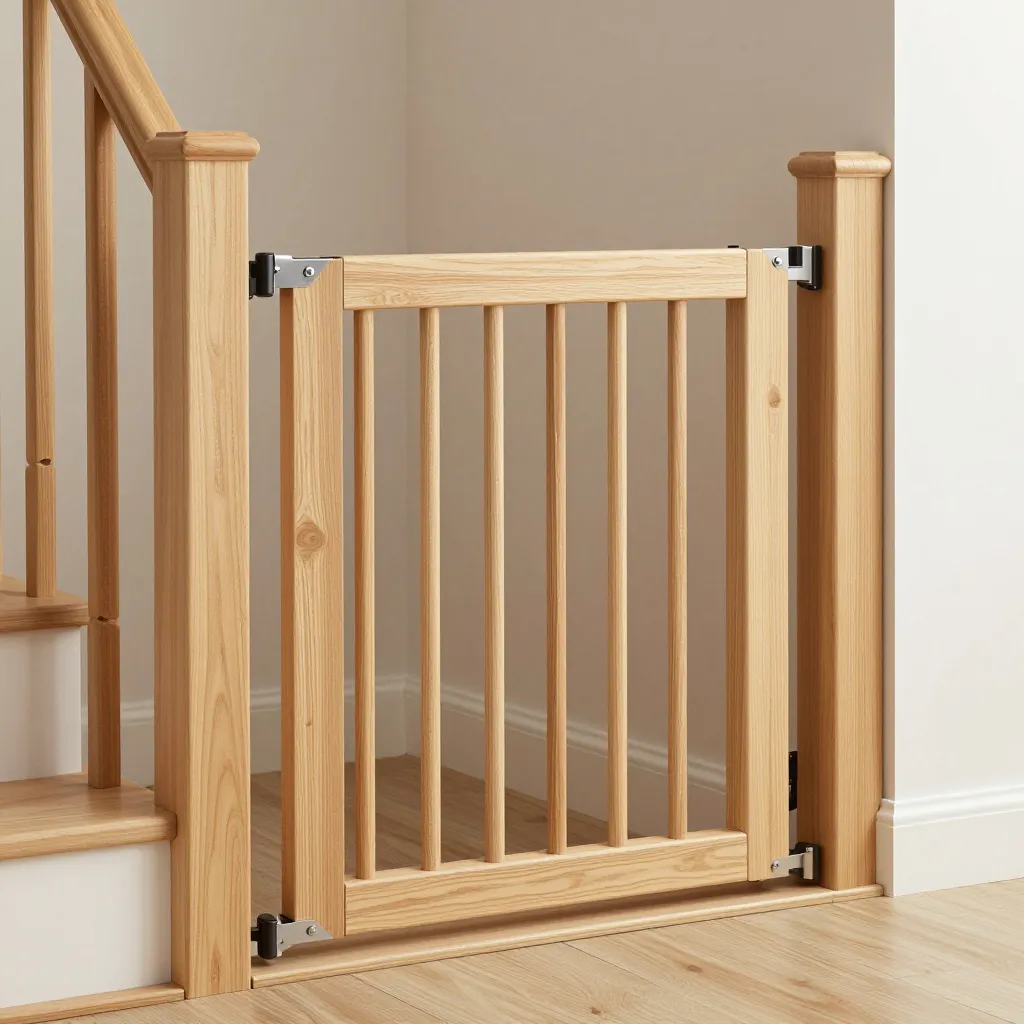
6. The Gate with a Pet Door
This is a lifesaver if you have a cat that needs to use the stairs but a dog that shouldn’t. The main gate keeps the dog out, but there’s a small built-in door for your cat or small dog.
I installed one between my upstairs hallway and the stairs. Now my cat can go down to her litter box without the puppy following. The flap is magnetic and closes quietly.
Just measure your pet’s height before buying. You want them to fit through comfortably.
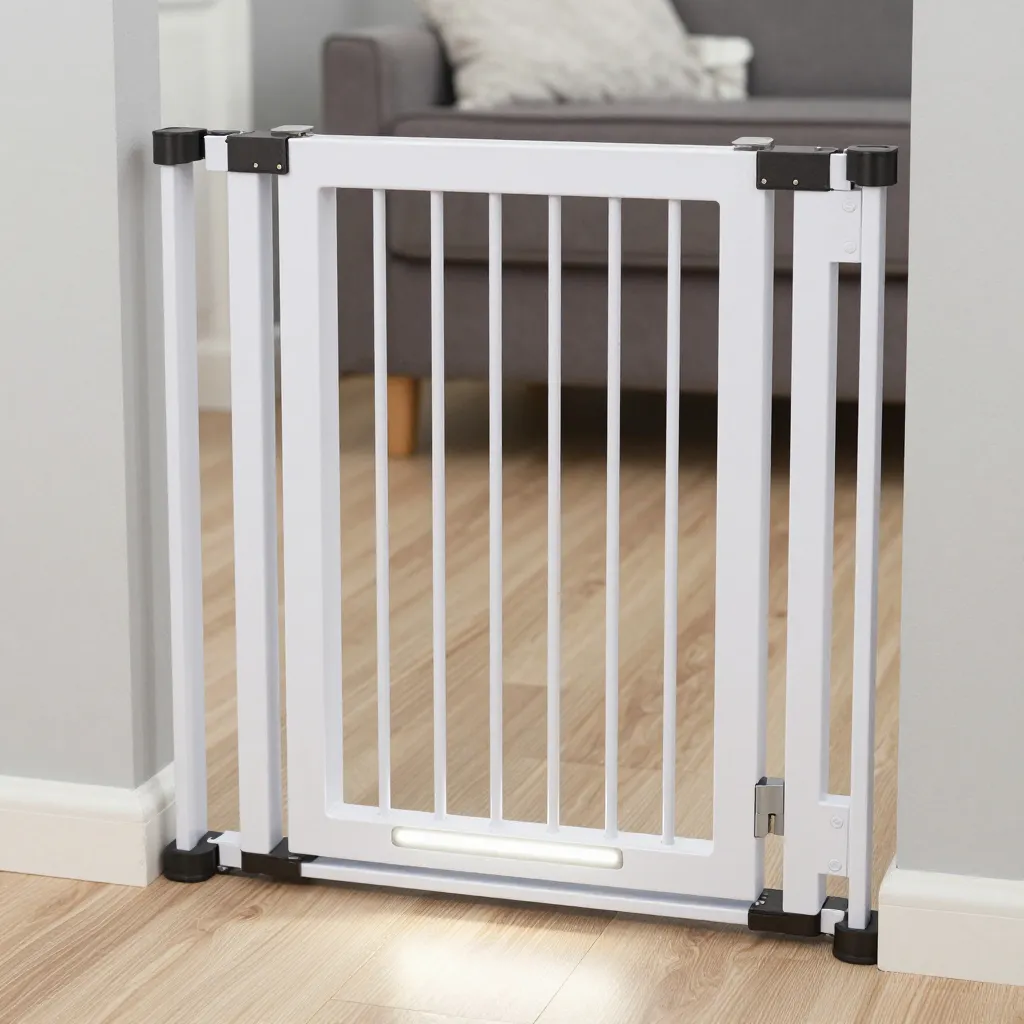
7. The Outdoor Stair Gate
If you have exterior stairs leading to a deck or porch, you need something weather-resistant. Look for gates made of aluminum or coated steel. Wood gates warp in the rain.
I use one at the top of my back porch stairs. It has a latch that locks, so my dog can’t nose it open. The UV coating keeps it from fading in the sun.
Make sure it’s rated for outdoor use, or you’ll be replacing it in a year.
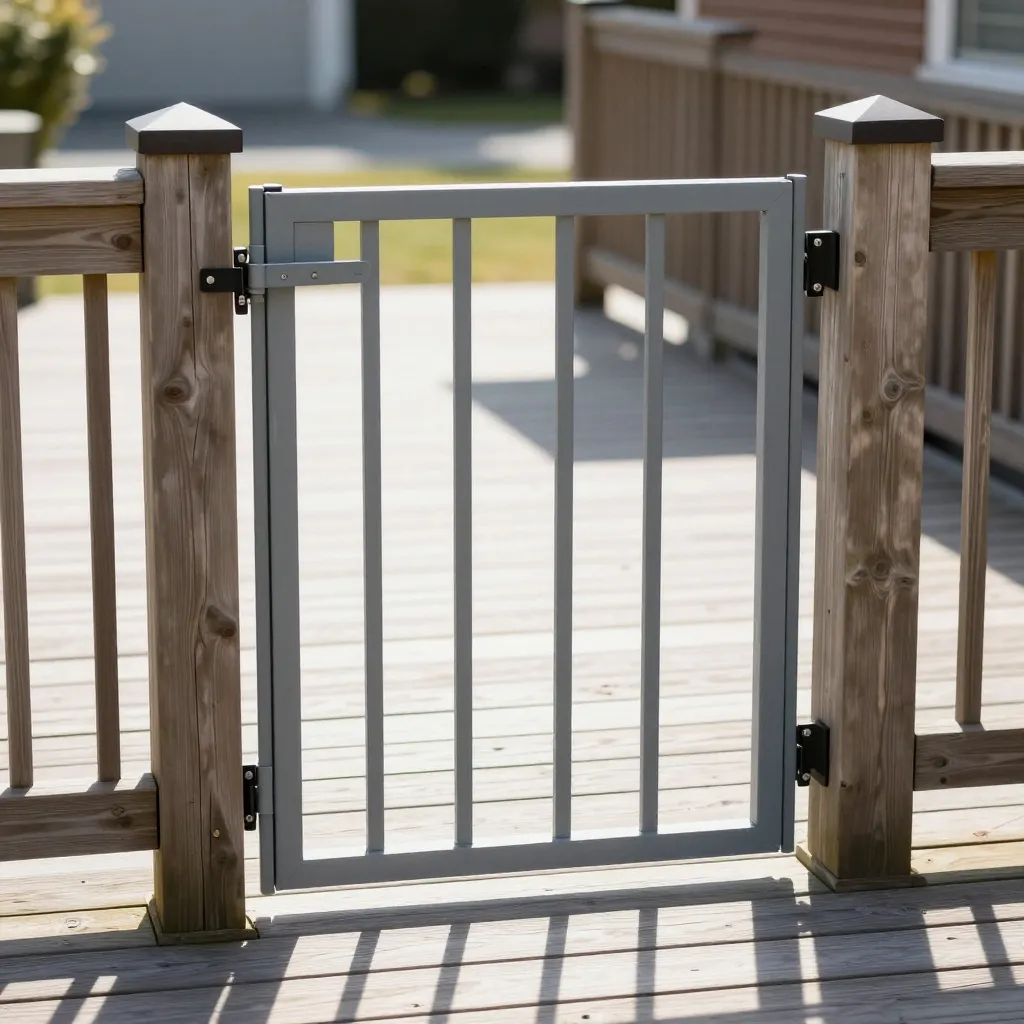
8. The Double-Wide Gate
Some stair openings are just too wide for a standard gate. Double-wide gates have two panels that fold or slide. They’re common at the bottom of split-level stairs or in open floor plans.
I helped a friend install one at the bottom of her wide entry stairs. It has a center latch that opens both panels, so you can walk through without squeezing.
They’re heavier and more expensive, but for big openings, there’s really no other option.
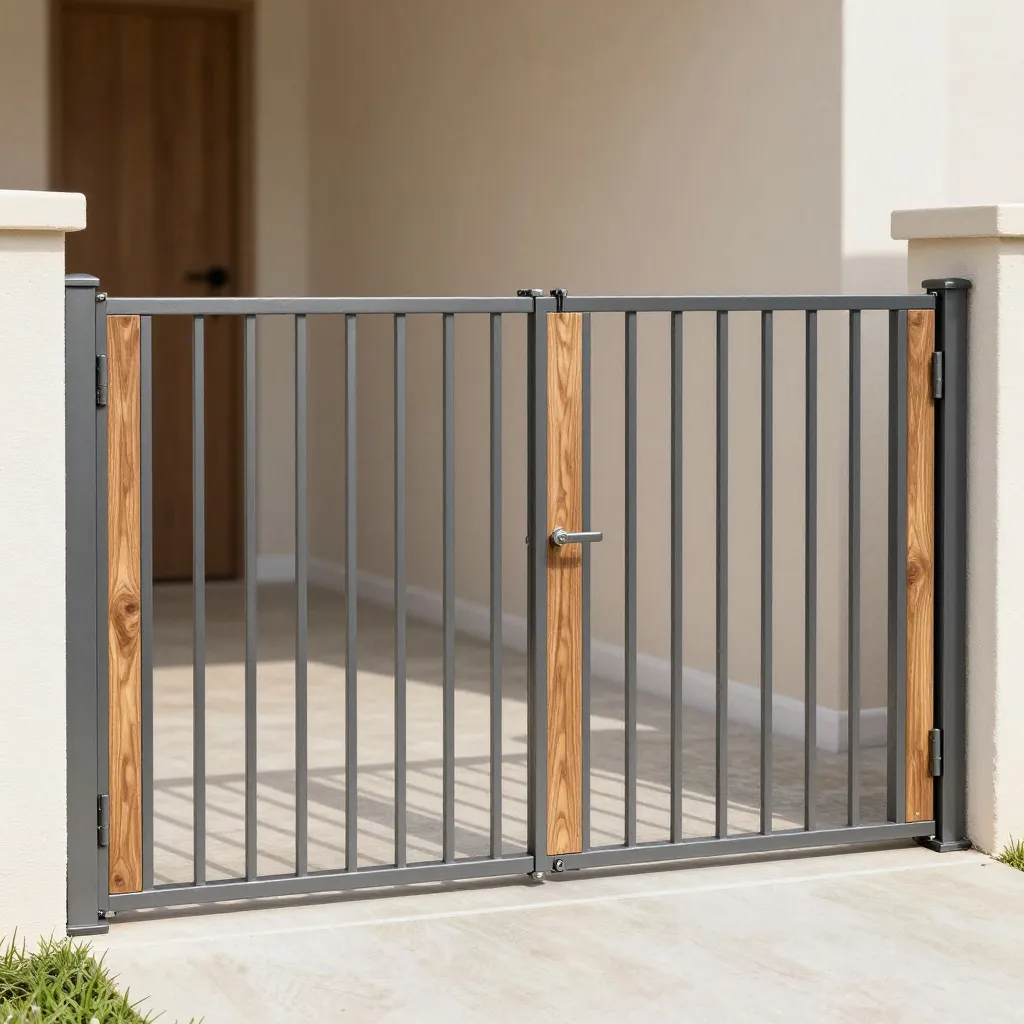
9. The Gate with a Swing-Open Door
This is the classic. A gate with a door that swings open in one direction. I prefer these over climbing over because my coffee doesn’t spill. Look for one with a self-closing mechanism so you never leave it open by accident.
Install it so it swings away from the stairs. That way, if your dog pushes, they’re pushing into the wall, not down the steps.
I have one at the top of my main stairs, and it’s been going strong for two years.
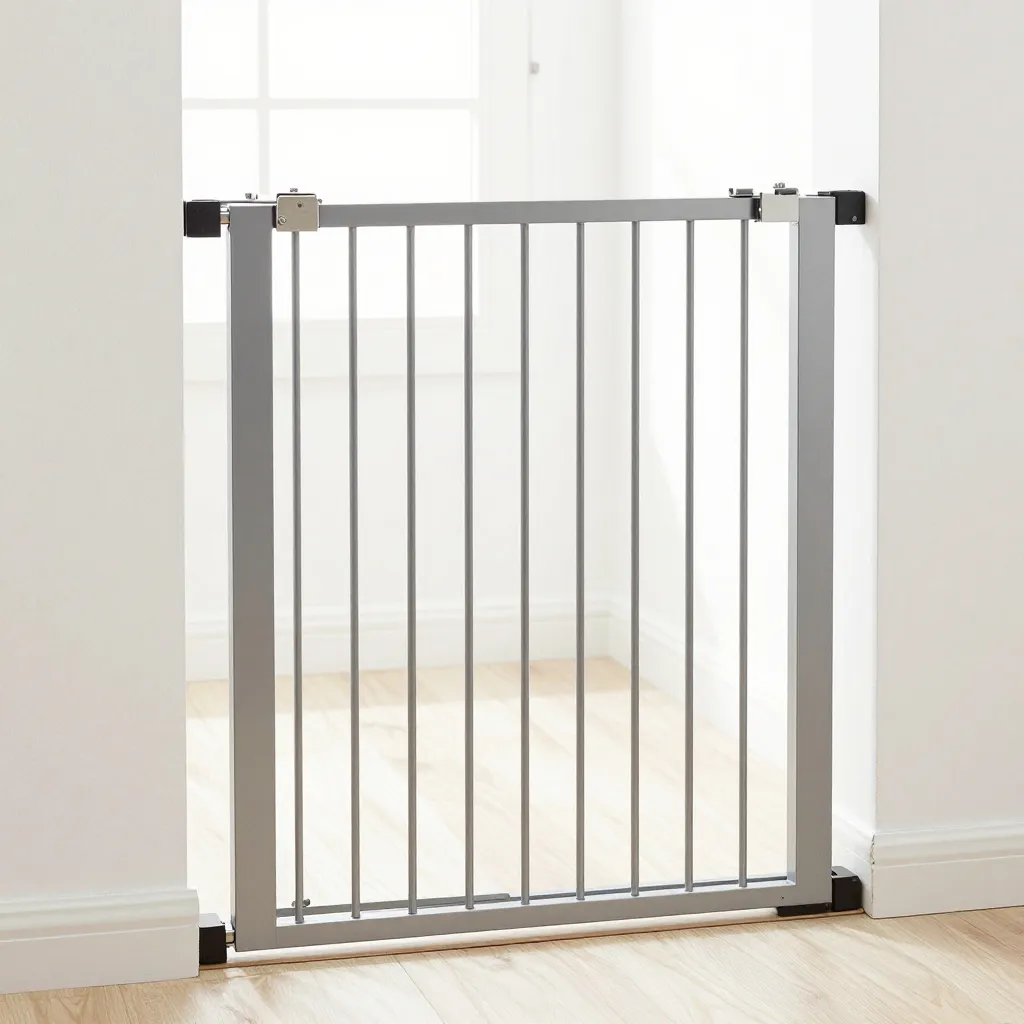
10. The No-Drill Tension Gate for Odd Shapes
Not every staircase has a flat wall on both sides. Some have banisters, newel posts, or uneven surfaces. Tension gates with adjustable mounts can handle these weird spots.
I used one at the bottom of my spiral stairs. It attaches with rubber stoppers that grip the banister and the wall. No holes needed. It’s not as rock-solid as a mounted gate, but it works fine for my small dog.
Check the tension every few weeks. They can loosen over time.
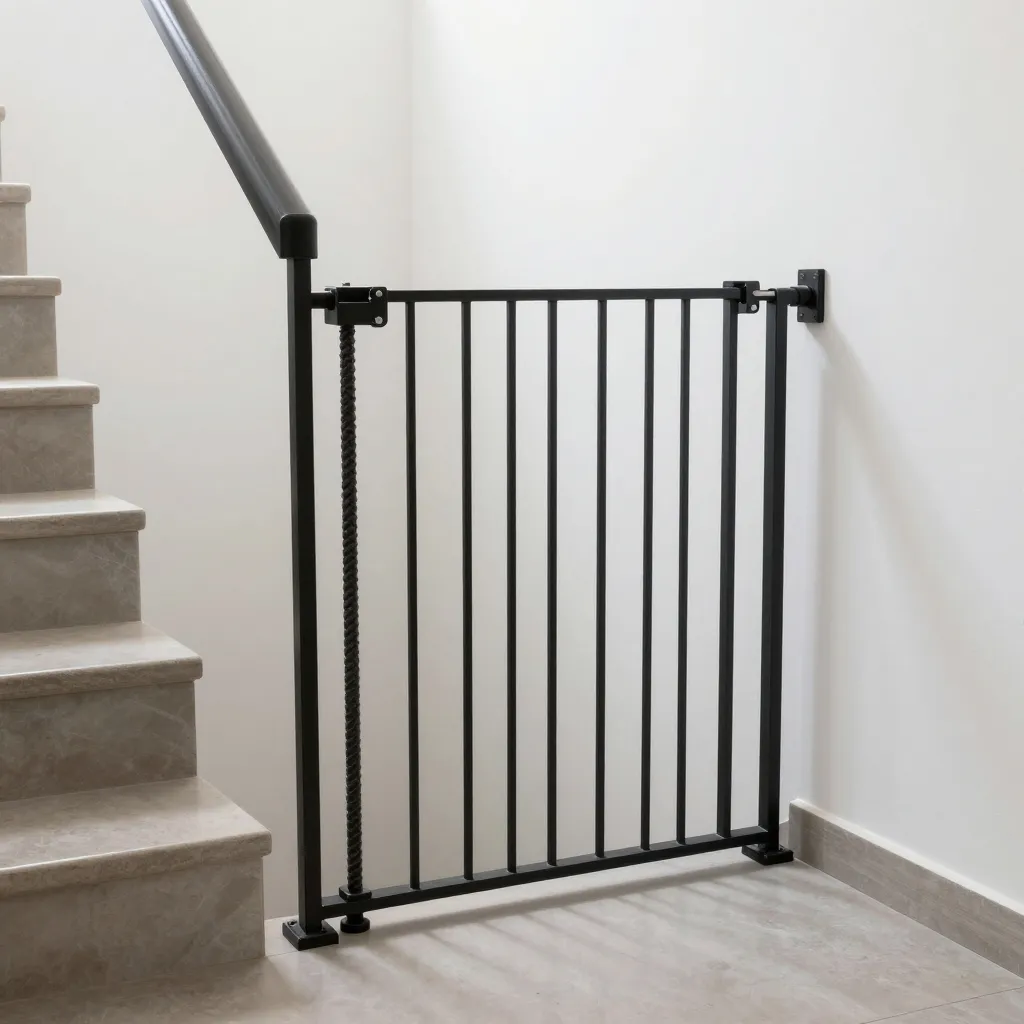
11. The Gate with a Latch Lock
If you have kids or a clever dog that can figure out simple latches, get one with a lock that requires two hands to open. Some dogs learn to lift a latch with their nose. Not mine, but I’ve seen videos.
I upgraded to a gate with a sliding lock that clicks into place. It takes me an extra second to open, but I know my dog won’t escape. Peace of mind is worth it.
Look for a lock that is easy for adults but hard for tiny paws.
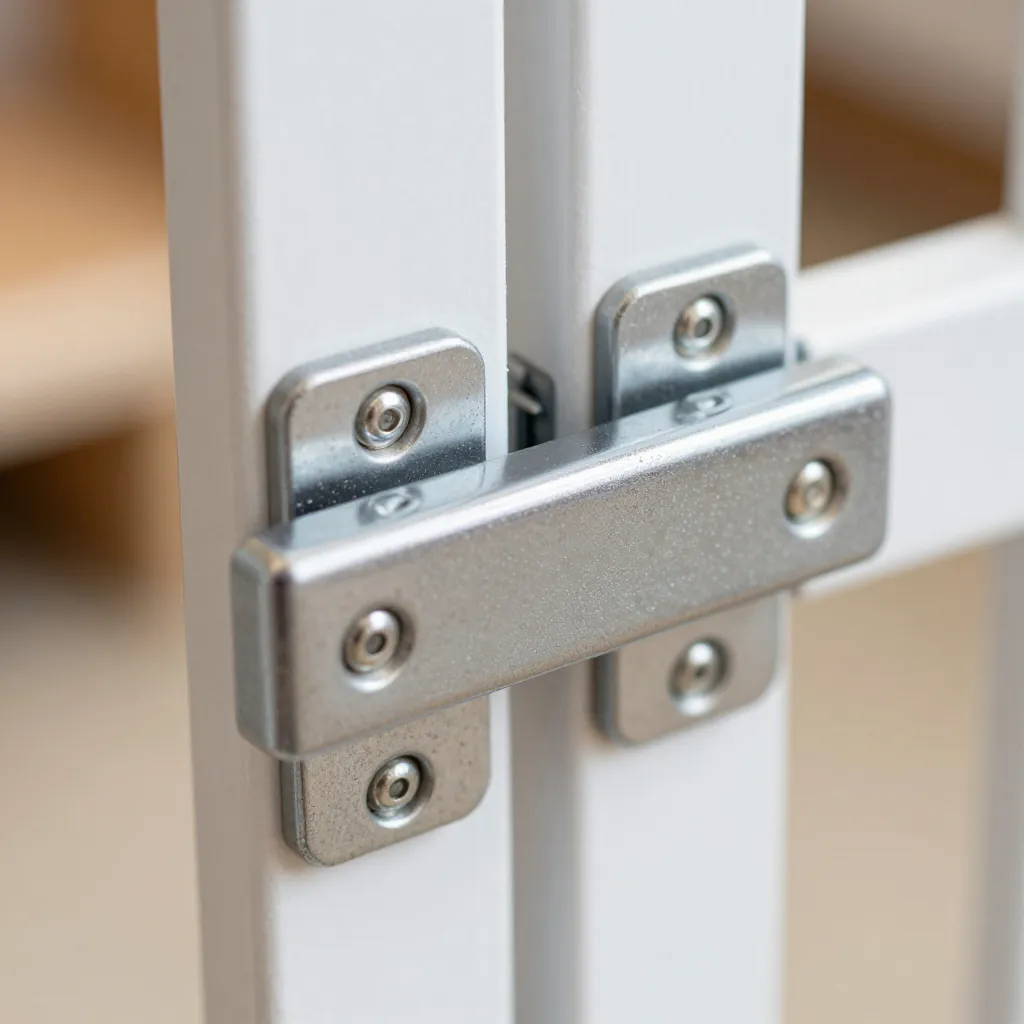
12. The Gate That Mounts to the Wall
For maximum security, skip pressure mounts and screw directly into the wall or stair frame. This is the only option for strong, large dogs that might push through a tension gate.
I installed one at the bottom of my basement stairs after my 70-pound lab decided to charge through a pressure gate. The hardware-mounted gate doesn’t budge. It’s permanent, but it’s also bulletproof.
Use wall anchors if you’re not hitting a stud. You want that thing solid.
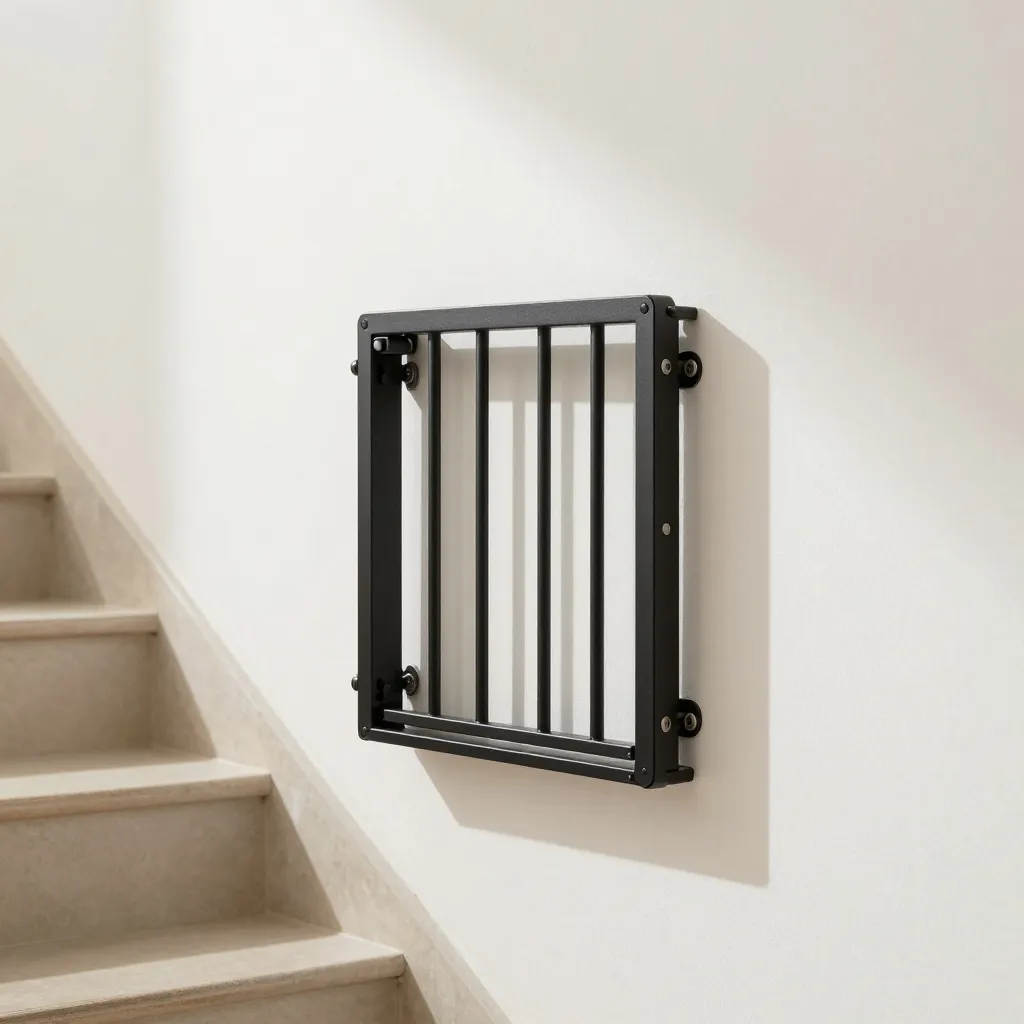
13. The Decorative Metal Gate
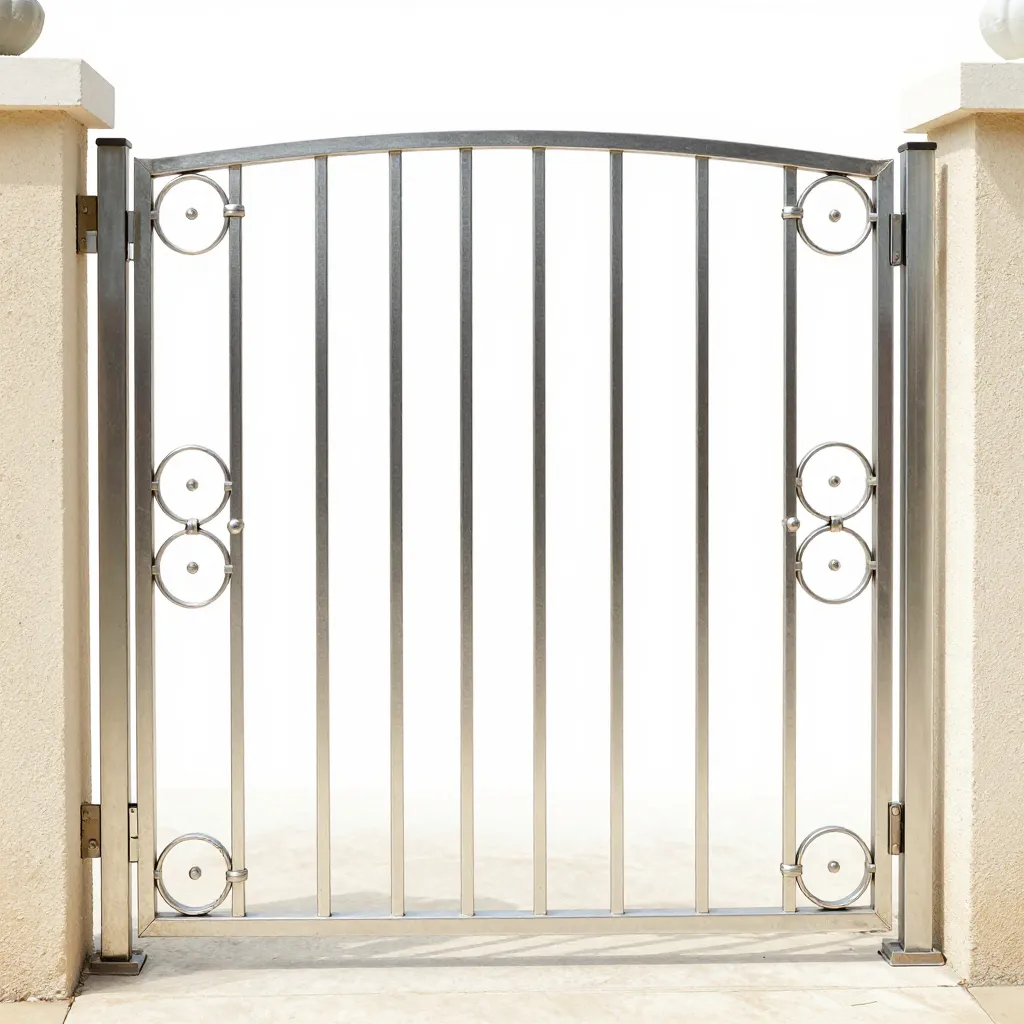
Who says a gate has to look like a safety device? There are beautiful wrought-iron style gates that look like they belong in a fancy house. They’re expensive, but they add character.
I saw one in a friend’s Victorian home. It had scrollwork and a dark bronze finish. It looked like it had always been there. Her dog stayed downstairs, and her guests complimented the gate.
If you care about aesthetics and have the budget, this is the way to go.
Conclusion
Choosing a dog gate for your stairs doesn’t have to be a headache. Start by measuring your opening and thinking about your dog’s size and determination. Then pick a style that fits your home and your lifestyle.
I’ve used half of these myself, and the others I’ve seen work for friends and family. The right gate makes your home safer and your life easier. Take your time, find the one that fits, and you’ll both be happier.
Frequently Asked Questions
How do I measure my stairs for a dog gate?
Measure the width of the opening between the walls or banisters. Measure at the top and bottom because openings can be slightly different. Also measure the height you need—usually 30 to 36 inches.
Can I use a baby gate for my dog?
Yes, but check the bar spacing. Small dogs can slip through wide bars. Also, baby gates are often shorter, so a tall dog might jump over. Look for gates specifically designed for pets if you have a jumper or a tiny breed.
What is better: pressure-mounted or hardware-mounted?
Pressure-mounted is easier to install and remove, great for renters. Hardware-mounted is more secure and better for strong dogs or top-of-stairs use. For safety at the top of stairs, always go hardware-mounted.
How do I keep my dog from jumping over the gate?
Get a gate that is at least 36 inches tall. For persistent jumpers, you can add a second gate above the first or use a gate with a curved top that makes it harder to grip. Some dogs also respond to training.
Can I install a gate on a banister or railing?
Yes, but you may need adapter kits or zip ties to attach the gate securely. Many gates come with hardware for flat walls, but banisters need extra support. Look for gates that include banister mounting options.