13 Best Plants for a Dog Sensory Garden
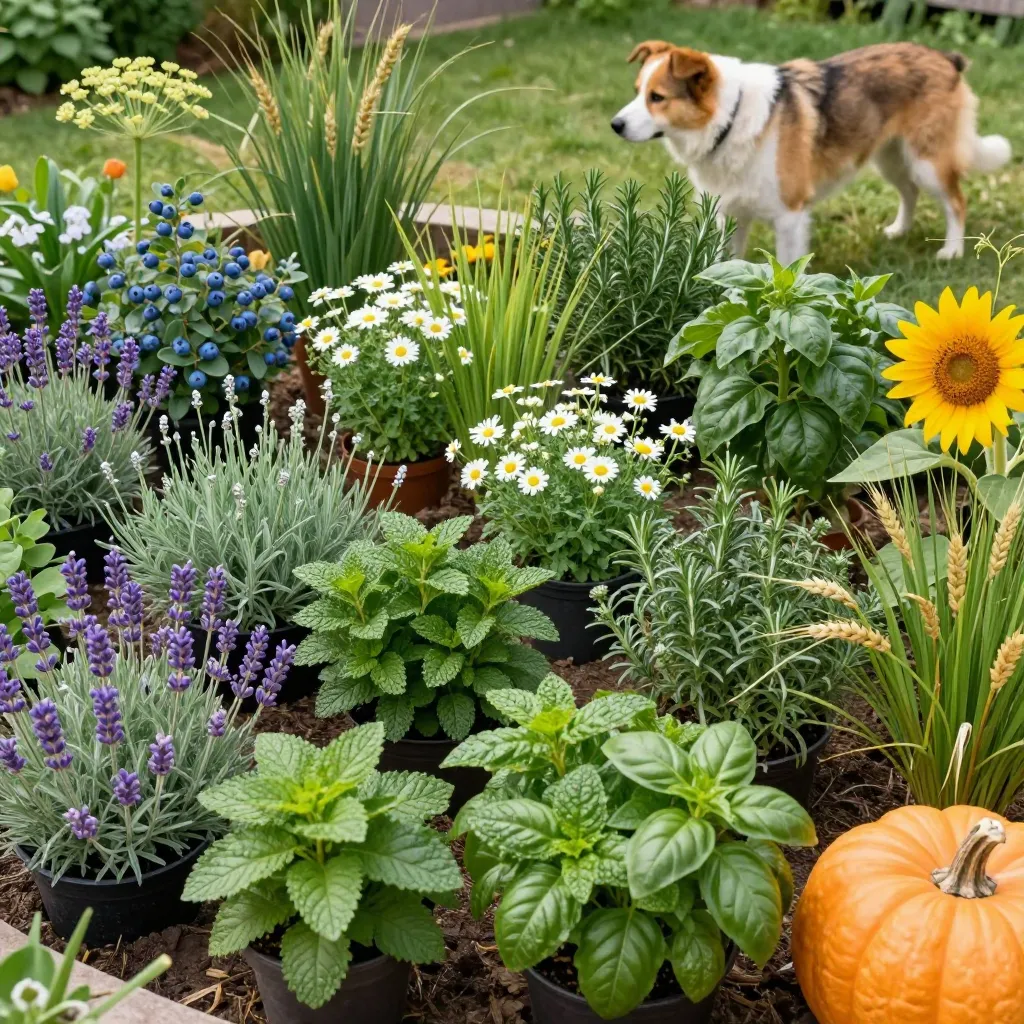
I’ll be honest—when I first started gardening, my dog was more of a lawn ornament than a garden helper. He’d sniff around for a minute, then flop down in the sunniest spot. But everything changed when I planted a tiny patch of mint. Suddenly, my backyard became his personal playground. His nose twitched, his tail wagged, and he actually wanted to explore.
A sensory garden for dogs is all about engaging their natural instincts. Think of it as a living enrichment toy. Dogs experience the world through smell, touch, sight, and taste. A few well-chosen plants can turn a boring yard into a canine wonderland. The trick is picking plants that are safe, tough, and interesting. Here are 13 of my absolute favorites.
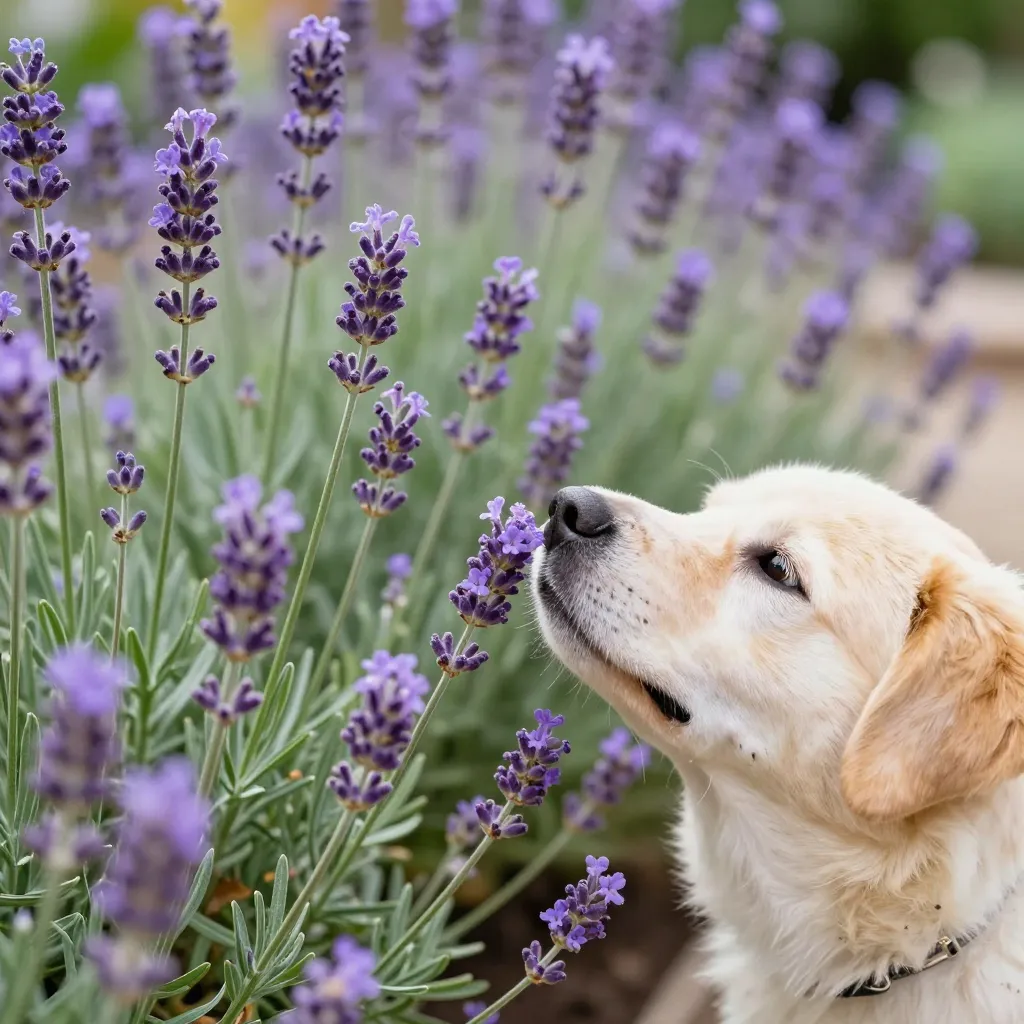
1. Lavender (Calming Sniffs)
Lavender is the ultimate chill-out plant for dogs. Its gentle scent is known to reduce anxiety and promote relaxation. I planted a row near my dog’s favorite napping spot, and he sleeps deeper there than anywhere else.
It’s also a hardy perennial that thrives in full sun. Just be sure to use English lavender—some hybrid varieties have stronger oils that can be irritating. Dogs love to rub against the flowers, so keep it trimmed and accessible.
Bonus: it repels fleas and mosquitoes. Your dog gets a calm mind and fewer bug bites.
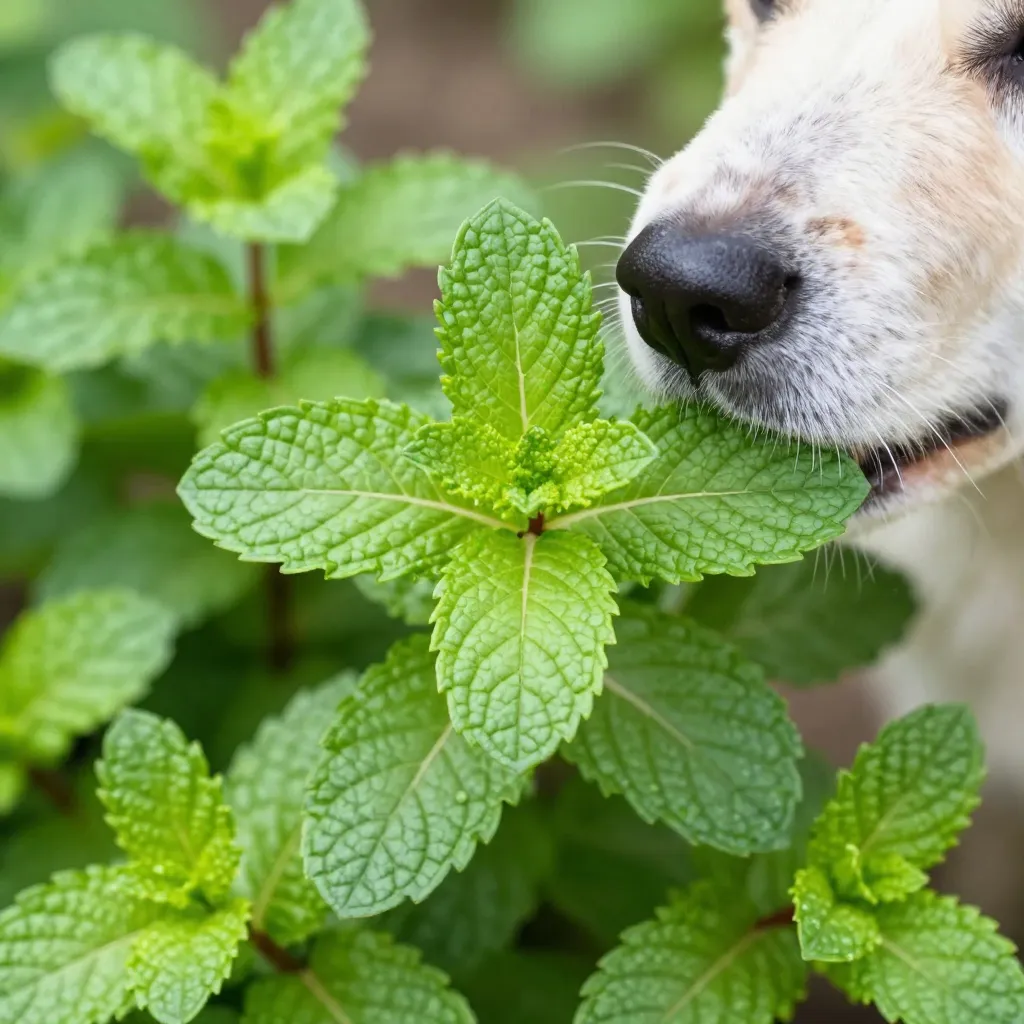
2. Mint (Invigorating Chews)
Mint is like a breath of fresh air for your dog’s nose. The strong, crisp scent is irresistible to most pups. My dog will actually seek out the mint plant and gently nibble a leaf—then walk away with minty breath.
It’s incredibly easy to grow. Mint spreads like crazy, so I keep it in a large container to stop it from taking over the garden. Dogs enjoy rolling on it, sniffing it, and occasionally tasting it.
Just avoid pennyroyal mint, which can be toxic. Stick to spearmint or peppermint.
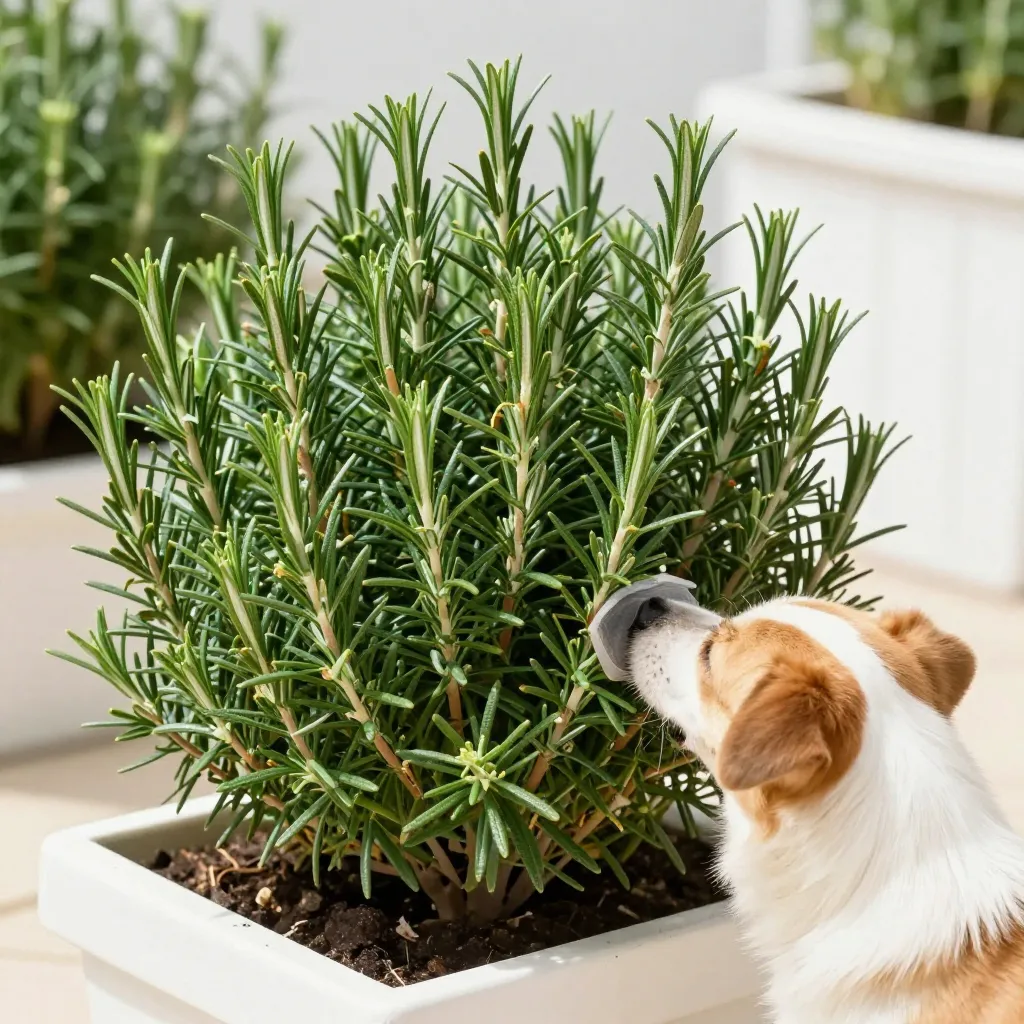
3. Rosemary (Aromatic Touch)
Rosemary is a sensory powerhouse. Its woody, pine-like scent is both stimulating and grounding. I love watching my dog weave through the bushes, brushing against the needles and releasing more fragrance.
It’s a drought-tolerant evergreen, so it looks good year-round. The texture is rough but not sharp, perfect for dogs who like to rub against plants. Rosemary is also safe if your dog takes a curious nibble.
Pro tip: plant it near a path or gate so your dog brushes past it every time they walk by.
4. Chamomile (Soft Steps & Calm)
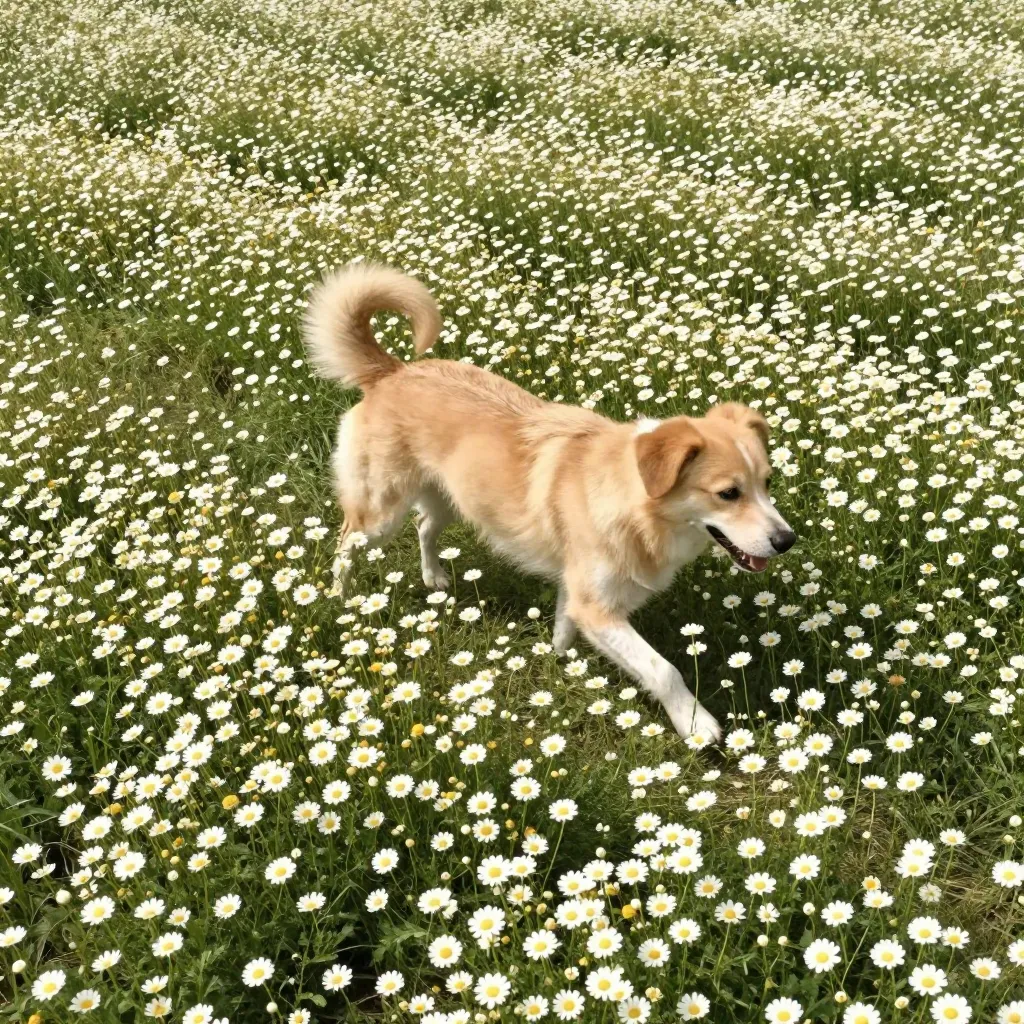
Chamomile is like a soft carpet for your dog’s paws. The feathery leaves feel gentle underfoot, and the apple-like scent is naturally calming. I planted a small patch near the water bowl, and my dog loves to stand on it while drinking.
It’s also safe to ingest in small amounts. Some dogs enjoy nibbling the flowers, which can soothe an upset stomach. Just don’t let them eat too much—moderation is key.
Chamomile prefers full sun and well-drained soil. It grows low to the ground, making it perfect for sensory paths.
5. Lemongrass (Citrus Zing)
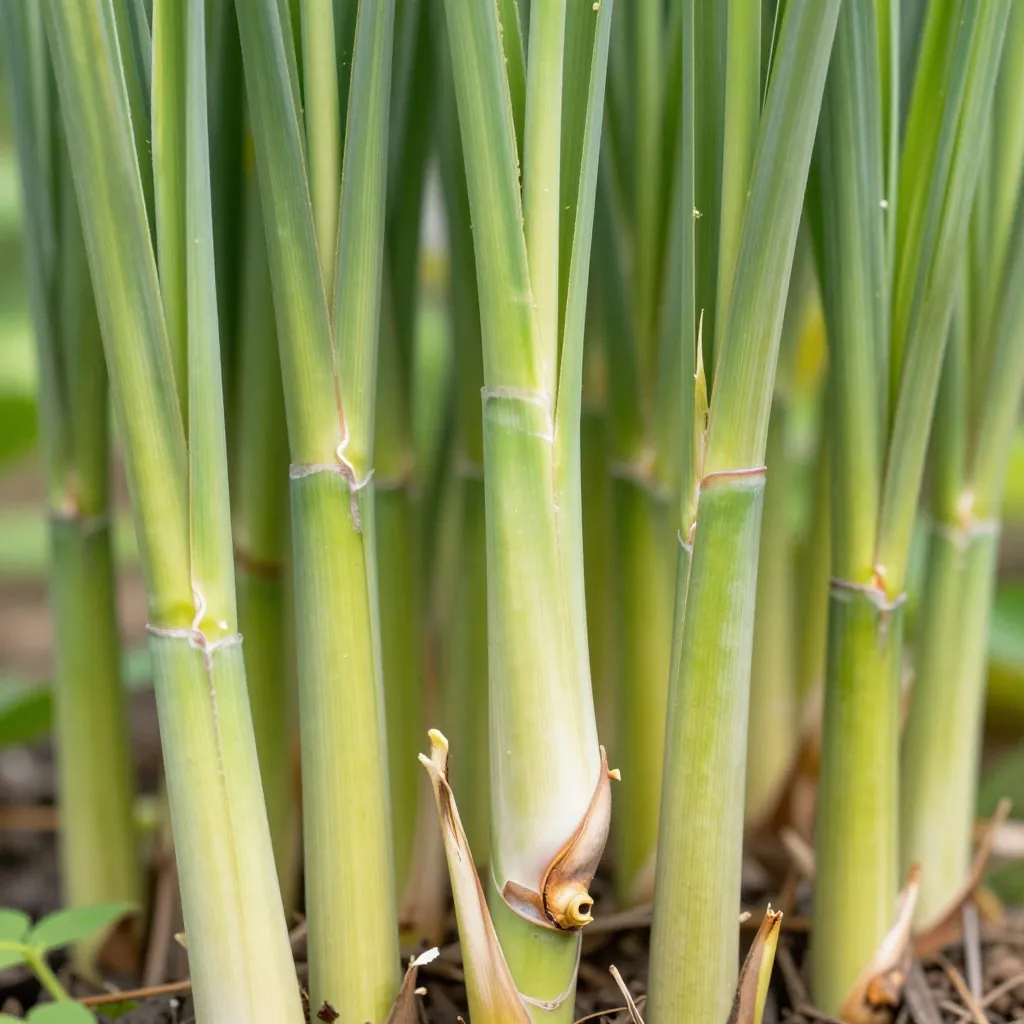
Lemongrass is a huge hit in my garden. The citrusy scent is sharp and exciting—it makes my dog perk up instantly. He loves to sniff the stalks and sometimes gives them a playful bat with his paw.
It grows tall and graceful, adding height to your garden. The leaves have a rough texture that feels interesting against a dog’s nose. Plus, lemongrass is a natural tick repellent.
Make sure you buy true lemongrass (Cymbopogon citratus), not lemon balm or lemon verbena, which can be toxic to dogs.
6. Thyme (Fragrant Ground Cover)
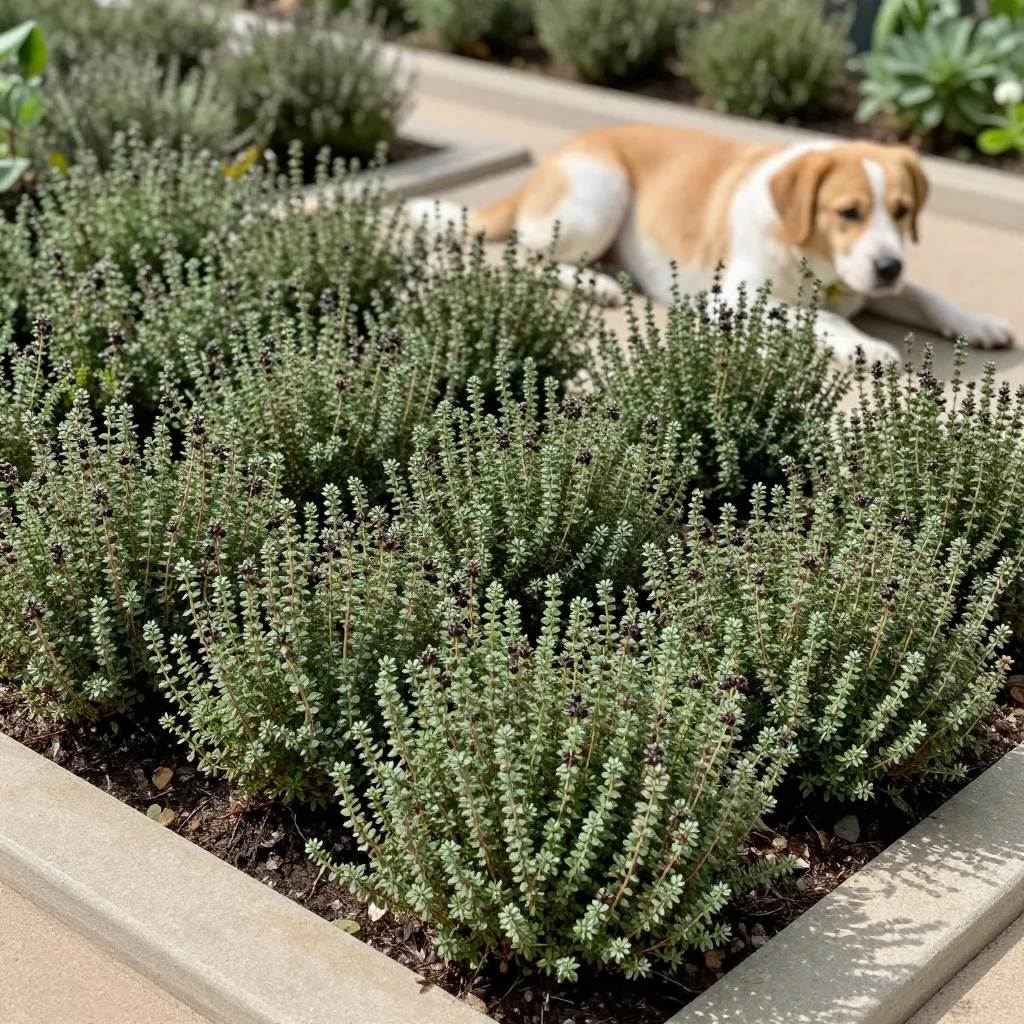
Thyme is the perfect plant for a dog who loves to explore low to the ground. It forms a dense, soft mat that smells amazing when stepped on. My dog will walk in circles just to crush the leaves and release the scent.
It’s incredibly durable—it can handle some paw traffic without dying. The tiny flowers attract bees, which adds another layer of sensory interest for curious dogs.
Thyme is also drought-tolerant and easy to grow. Plant it between stepping stones for a built-in aromatherapy path.
7. Sunflowers (Visual & Texture Fun)
Sunflowers aren’t just pretty—they’re a sensory adventure for dogs. The tall stalks create a natural tunnel or hiding spot. My dog loves to walk between the towering stems and look up at the big yellow heads.
The leaves are large and slightly fuzzy, perfect for sniffing and gentle mouthing. When the seeds drop, some dogs enjoy crunching them as a treat. Just make sure they don’t eat too many—the shells can be hard to digest.
Sunflowers grow fast and give your garden a cheerful, playful vibe.

8. Basil (Sweet & Savory)
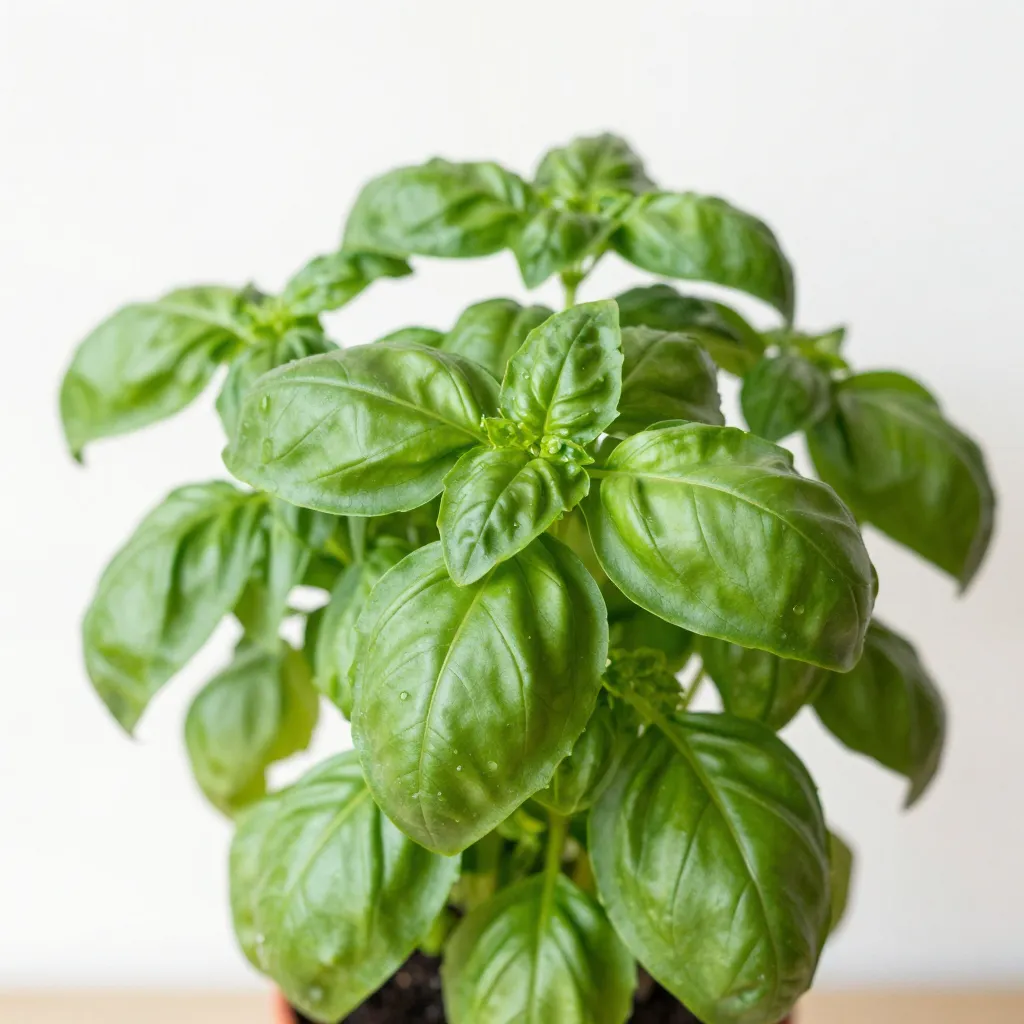
Basil is one of the safest herbs for dogs. The smell is sweet and slightly peppery, which many dogs find intriguing. My dog will sit next to the basil plant and just sniff for minutes at a time.
It’s also edible and non-toxic. Some dogs like to nibble the leaves, which is fine in small amounts. Basil has anti-inflammatory properties, so it’s a healthy little snack.
Grow it in a sunny spot and pinch off the flowers to keep the leaves coming. The more you harvest, the bushier it gets.
9. Catnip (Not Just for Cats)
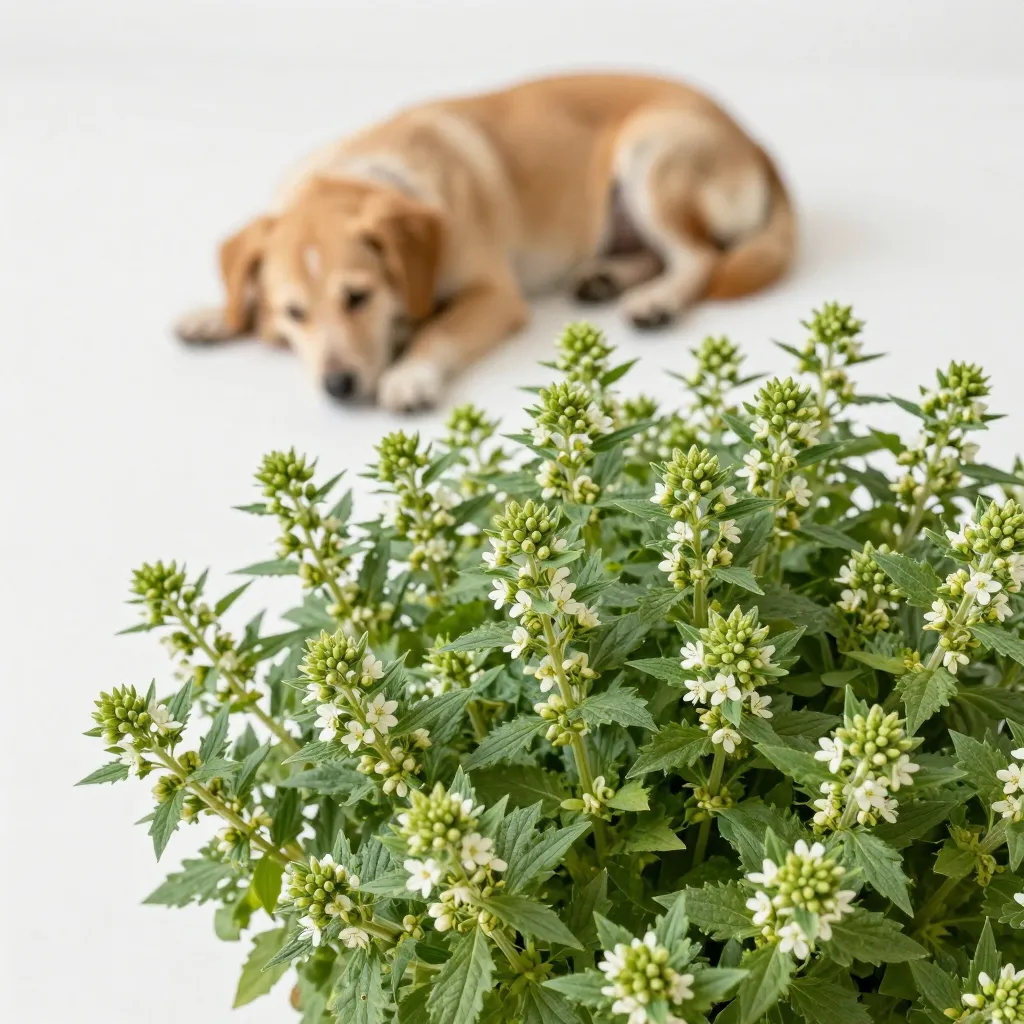
Yes, catnip is a member of the mint family, and many dogs love it too. It has a mild, relaxing effect on dogs—similar to how it affects cats, but usually less intense. My dog gets a dreamy, happy look after sniffing it.
It’s very easy to grow and spreads quickly. The leaves are soft and slightly fuzzy, which feels nice against a dog’s nose. You can also dry the leaves and use them as a calming treat.
Plant it in a container to control its spread. Your dog will thank you for this gentle natural relaxant.
10. Blueberry Bushes (Tasty Treasure Hunt)
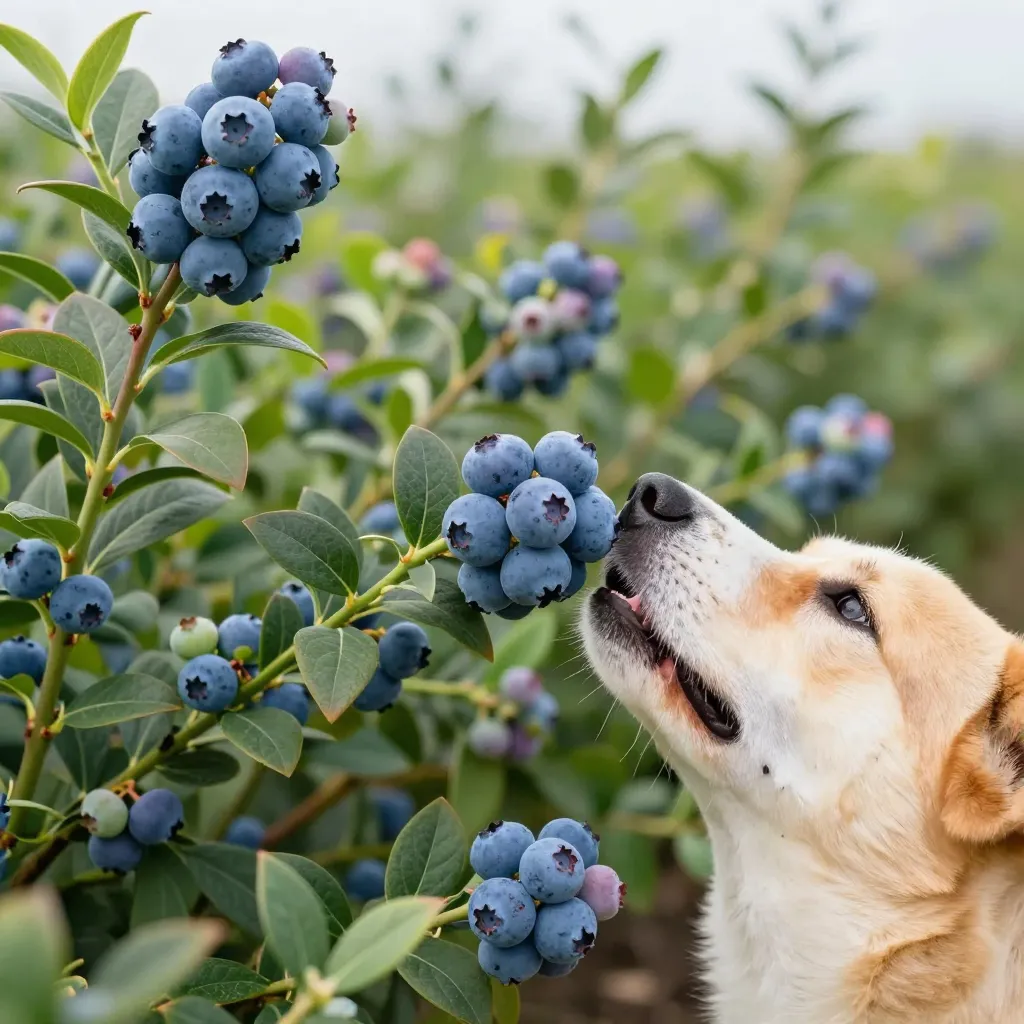
Blueberries are a sensory jackpot. The bushes have interesting bark to sniff, leaves that rustle in the wind, and sweet berries that dogs can eat. My dog learned to pick ripe berries right off the bush—it’s his favorite game.
The bushes grow slowly but provide years of enrichment. They also change color in autumn, adding visual interest. Blueberries are packed with antioxidants, so they’re a healthy treat.
Just make sure you don’t use chemical pesticides. Your dog will be eating straight from the plant.
11. Fennel (Crunchy & Anise-Scented)
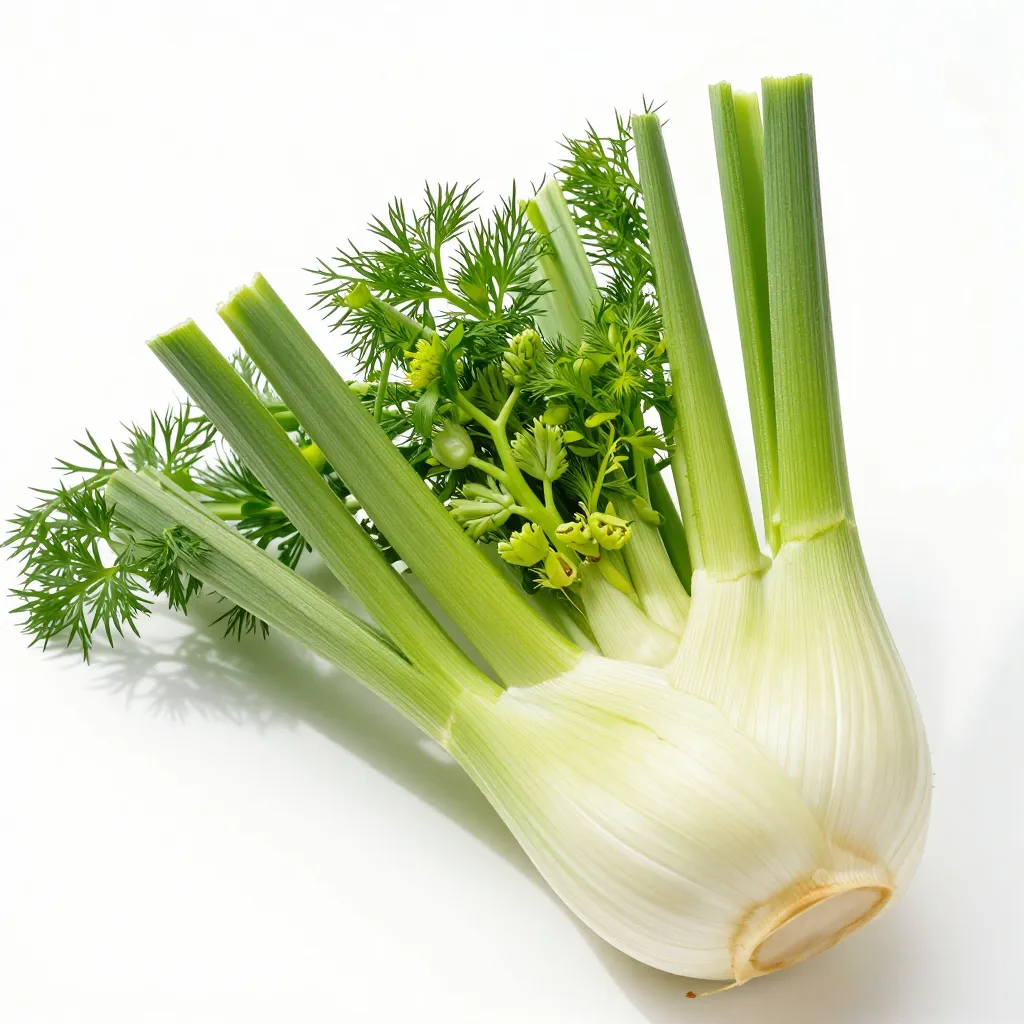
Fennel has a strong licorice scent that many dogs find fascinating. The feathery leaves are soft to touch, and the crunchy bulb is safe to eat. My dog loves to chew on the stalks—they’re like a natural dog toy.
It grows tall and airy, adding movement to your garden. The yellow flowers attract beneficial insects, which adds another layer of sensory stimulation. Fennel is also good for digestion.
Plant it in full sun and give it plenty of space. It can grow quite large, but that just means more enrichment.
12. Wheatgrass (Natural Chew Toy)
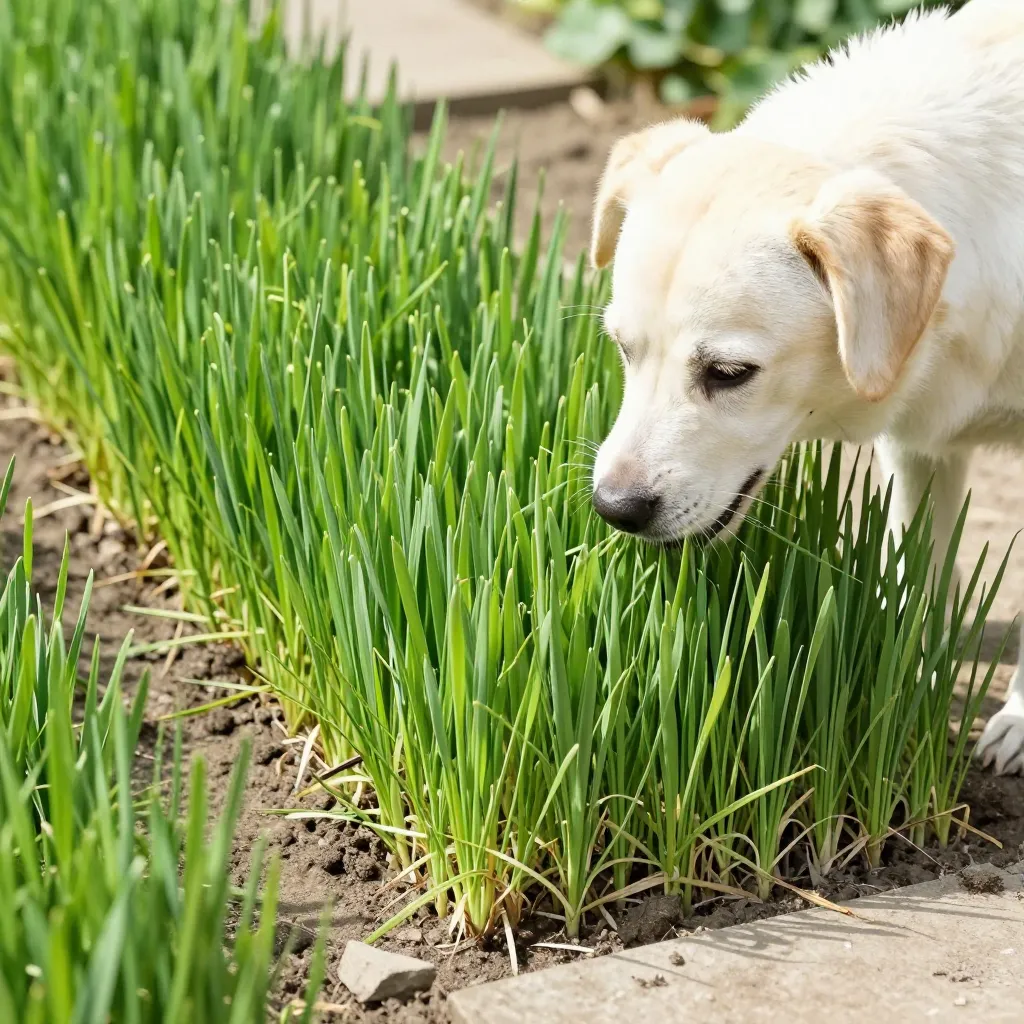
Wheatgrass is a simple but powerful sensory plant. Dogs love to nibble on the tender green blades. It’s a natural source of fiber and can help with digestion. My dog will graze on it like a tiny cow.
It grows very fast—you’ll see sprouts in just a few days. The texture is soft and satisfying to chew. You can grow it indoors or outdoors in shallow trays.
Wheatgrass is also great for dogs who like to dig. Plant a patch they’re allowed to dig in, and they’ll leave your flower beds alone.
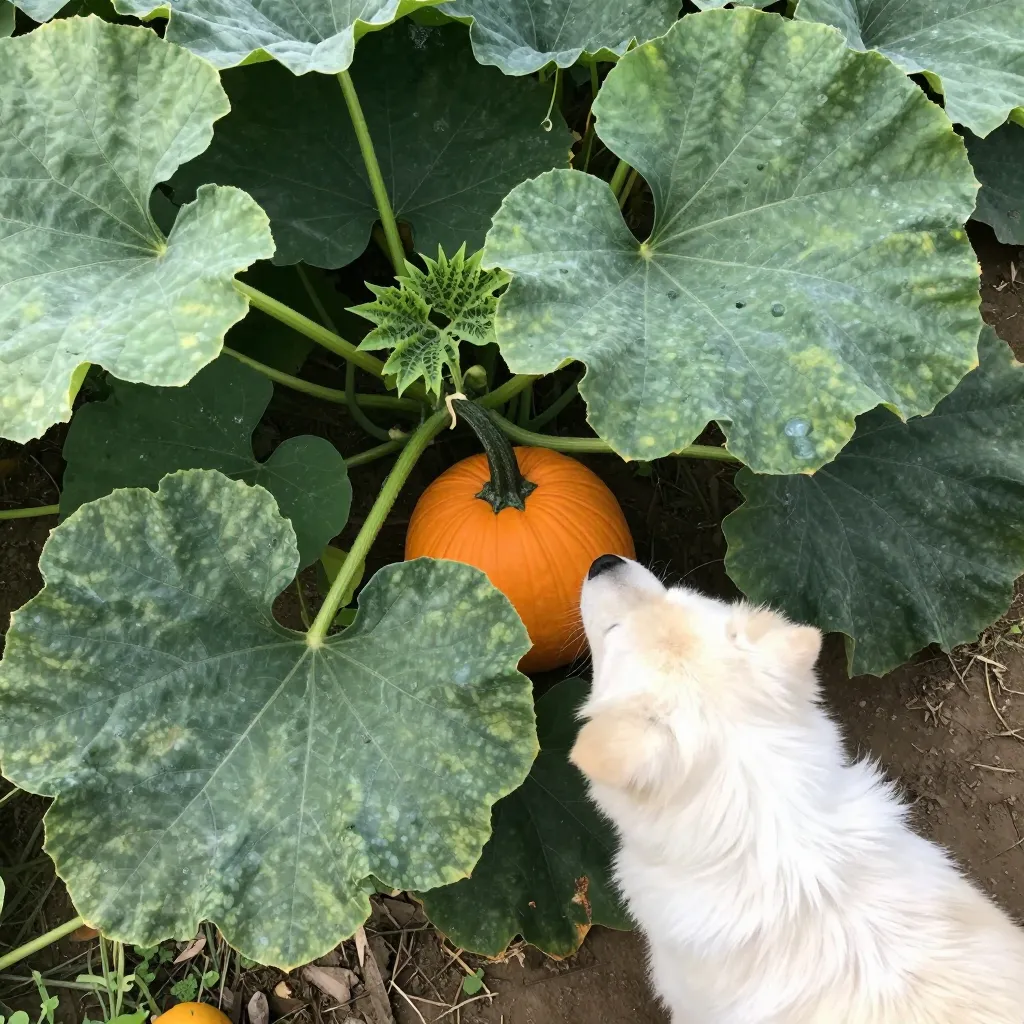
13. Pumpkin (Giant Leaves & Tasty Treats)
Pumpkin plants are a sensory delight for dogs. The huge, scratchy leaves are fun to sniff and paw at. The vines spread across the ground, creating a natural jungle gym. My dog loves to walk through the pumpkin patch and investigate every leaf.
When the pumpkins ripen, they become a tasty reward. Pumpkin is great for digestion and low in calories. You can let your dog nibble on small pieces of raw pumpkin, or cook it for a healthy snack.
Pumpkins need space and sun, but the payoff is huge. It’s like a whole sensory playground wrapped in one plant.
Conclusion
Creating a dog sensory garden doesn’t have to be complicated. Start with just two or three plants that appeal to your dog’s personality. Does your dog love to sniff? Go for mint and lavender. Do they like to chew? Add wheatgrass and fennel. Every garden is different, and your dog will tell you what they love.
Remember to always check that any plant you add is safe for dogs. Avoid toxic plants like lilies, azaleas, and sago palms. A sensory garden should be a safe, joyful place for your furry friend. Watching my dog explore his garden has been one of the most rewarding parts of being a dog owner. I hope these plants bring the same joy to your backyard.
Frequently Asked Questions
Can dogs eat lavender?
In very small amounts, lavender is safe for dogs. However, eating large quantities can cause stomach upset. Most dogs just enjoy sniffing and rubbing against it.
Is mint safe for dogs to eat?
Yes, spearmint and peppermint are safe for dogs in small amounts. They can freshen breath and soothe digestion. Avoid pennyroyal mint, which is toxic.
How do I stop my dog from digging up plants?
Provide a designated digging area, like a sandbox or a patch of soft soil. Plant robust herbs like thyme and rosemary that can handle some paw action. Always supervise until your dog learns the boundaries.
Can I grow these plants indoors?
Absolutely! Many of these plants, like mint, basil, and wheatgrass, grow well in pots on a sunny windowsill. Just make sure they get enough light and you have a safe spot away from electrical cords.
What plants should I avoid in a dog garden?
Avoid toxic plants like lilies, azaleas, rhododendrons, sago palms, tulip bulbs, and grapevines. Also avoid cocoa mulch, which can be poisonous if eaten. Always double-check before planting anything new.