How to Stop Your Puppy From Whining (Without Losing Your Mind)

I remember bringing my little fluffball home for the first time. Everything was perfect until the sun went down and the whining started. It broke my heart. I thought something was wrong, but I quickly learned this is totally normal puppy behavior.
Puppies whine to communicate. They can’t talk, so they use sounds to tell us they are scared, bored, lonely, or need to go potty. The key is learning to listen. You don’t have to live in a noisy house forever. With a little patience, you can teach your pup to settle down.
Let me walk you through ten simple, real-world strategies that actually work. I’ve tried them all with my own puppies, and they made a huge difference.
1. Rule Out the Potty Emergency First
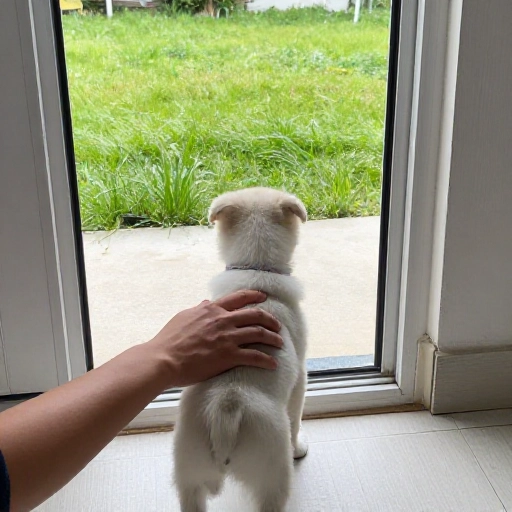
This is the number one reason puppies whine. Their bladders are tiny. If your puppy starts whining, especially after playing or napping, take them outside immediately.
Don’t wait. Just pick them up and go to their potty spot. Stay calm and quiet. If they go, give them a quiet treat. If they don’t go, bring them back inside and watch them closely.
You will learn their “potty whine” quickly. It usually has a little urgency to it. Trust your gut. It’s always better to take them out one time too many than to clean up a mess.
2. Create a Cozy Crate Space
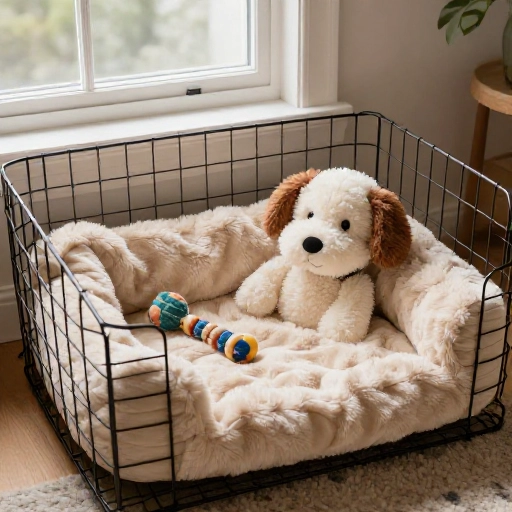
The crate should be a happy den, not a punishment. I made this mistake at first. I just put my puppy in a bare crate. No wonder he cried.
Now, I add a soft blanket, a safe chew toy, and a shirt that smells like me. Cover the crate with a light blanket to make it dark and quiet. This helps them feel secure.
Feed your puppy meals inside the crate with the door open. Toss treats in there for fun. When the crate feels like a good place, the whining stops much faster.
3. Tire Them Out Before Quiet Time
A tired puppy is a quiet puppy. I learned this lesson the hard way. I used to think a short walk was enough. Nope. Puppies have endless energy.
Before you put them in the crate or ask them to settle, play a good game of fetch or tug-of-war. Let them run in a safe yard. A five-minute training session also wears out their brain.
Just don’t overdo it. Puppies need lots of sleep. The goal is a gentle tiredness, not total exhaustion. A calm puppy will settle faster and whine less.
4. Ignore the Attention-Seeking Whine
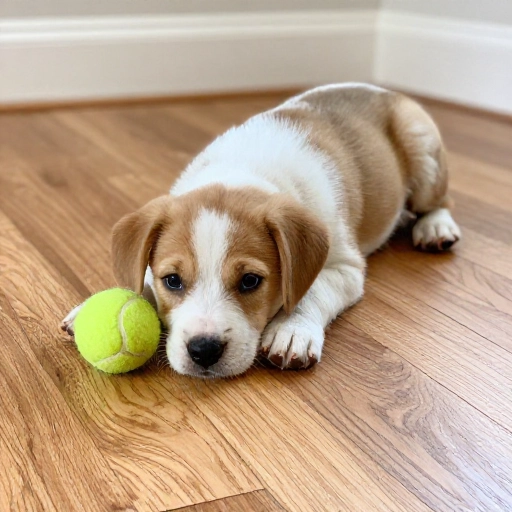
This is the hardest part. When your puppy whines because you walked away, your heart wants to run back. But if you do, you teach them that whining works.
I had to sit on my hands and wait. I would turn my back or leave the room for just a few seconds. The moment my puppy stopped whining, even for one breath, I came back and gave a treat.
Start with tiny moments of quiet. A second of silence gets a reward. Then two seconds. Then five. They learn very fast that being quiet brings you back, not whining.

5. Give Them a Job to Do
Puppies whine when they are bored. They don’t know what to do with themselves. Giving them a simple task keeps their mind busy.
I use a frozen Kong stuffed with peanut butter and kibble. It takes my puppy twenty minutes to get it all out. That is twenty minutes of pure silence.
You can also try a snuffle mat or a puzzle toy. Scatter some treats on the floor and let them sniff them out. A busy nose is a quiet mouth. This is my secret weapon for peaceful evenings.
6. Stick to a Predictable Routine
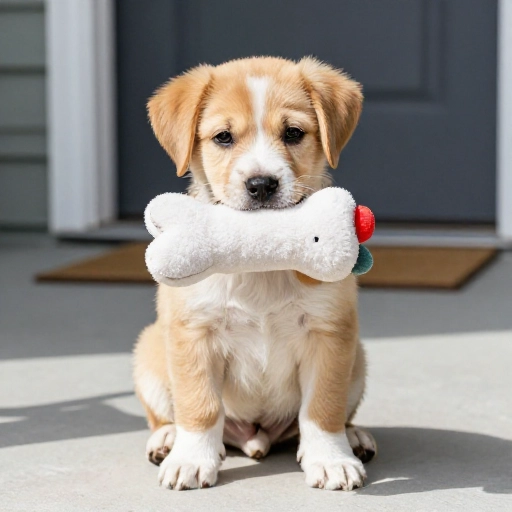
Puppies love knowing what comes next. When they feel unsure, they whine. My puppy used to cry every evening around 7 PM. I realized he was hungry and tired.
Now we have a simple daily schedule. Wake up, potty, breakfast, play, nap, potty, lunch, and so on. He knows what to expect. The whining dropped a lot once we got into a rhythm.
Post your schedule on the fridge. Try to keep meal times, potty breaks, and bedtimes the same every day. Consistency is magic for a whiny puppy.
7. Use a Calm Voice and Slow Movements
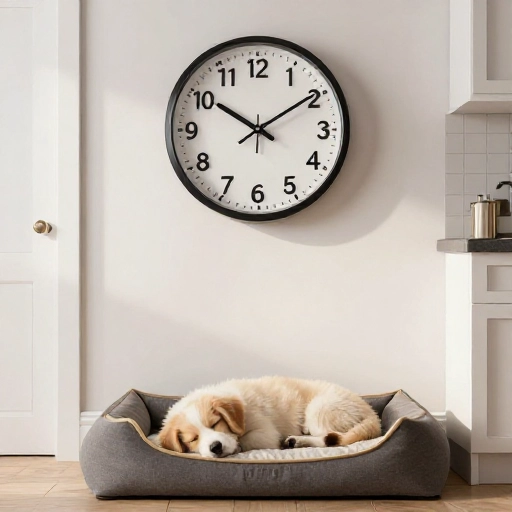
Your energy affects your puppy. If you rush around and talk loudly, your puppy gets excited or anxious. That can cause whining.
When I feel frustrated by the noise, I take a deep breath. I slow down my movements. I speak in a low, soft voice. It sounds silly, but it works.
Try it right now. If your puppy is whining, stop moving. Breathe. Say “good quiet” in a whisper. Sometimes they just need you to show them that everything is okay.
8. Teach a “Settle” or “Place” Cue
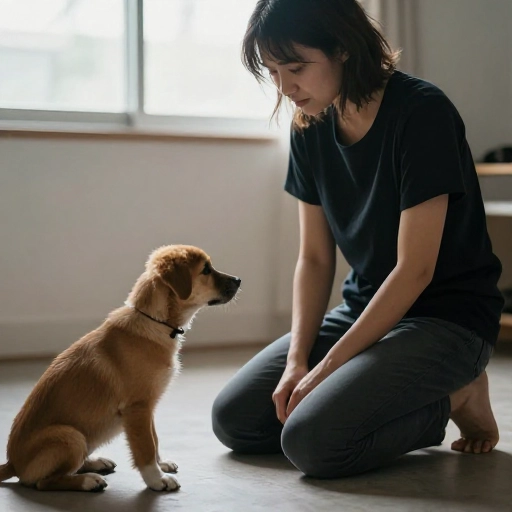
This is a game-changer. I taught my puppy to go to a specific mat and lie down. I started by luring him onto the mat with a treat. Then I rewarded him for staying for one second.
Slowly, I increased the time. Now when he starts to whine, I point to his mat. He walks over and lies down. It gives him a clear thing to do instead of just crying.
You don’t need fancy training. Just a mat, some treats, and patience. Practice a few times every day. Soon, your puppy will choose the mat on their own when they feel unsure.
9. Check for Hidden Discomfort
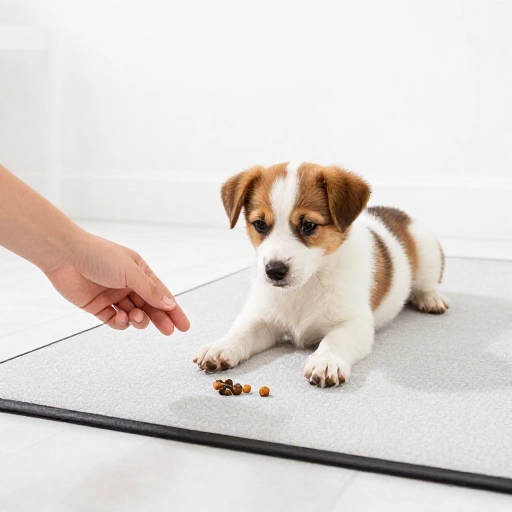
Sometimes whining is a sign of pain or discomfort. My puppy once whined all night. I thought it was just training. Turns out, he had a tiny burr stuck in his paw pad.
Check their body gently. Look at their paws, ears, and belly. Make sure their collar isn’t too tight. If they are chewing at one spot, there might be an issue.
If the whining is sudden, intense, and won’t stop, call your vet. It is always better to be safe. Most of the time it is nothing, but you want to catch problems early.

10. Be Patient and Kind to Yourself
This is the most important tip. You will have good days and bad days. Some nights your puppy will whine for twenty minutes. Some nights they will sleep like an angel.
I had a few nights where I almost cried too. It is okay to feel frustrated. Take a break. Put in earplugs if you need to. Your puppy is not doing this to bother you.
Every week gets a little easier. They are learning. You are learning. Give yourself grace. This phase is short. Soon you will have a quiet, happy dog who just wants to cuddle.
Conclusion
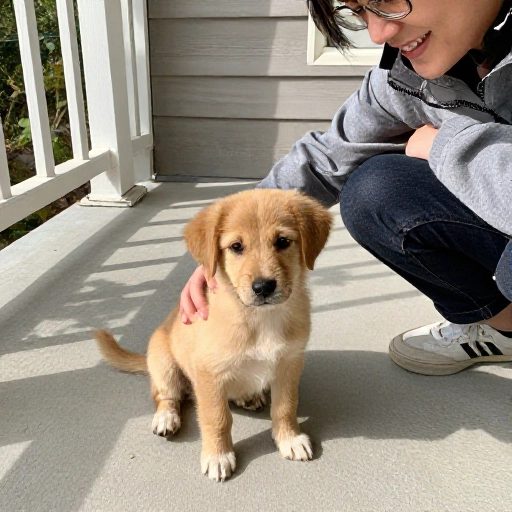
Stopping puppy whining is not about being strict. It is about understanding what your puppy needs and teaching them a better way to ask. You can do this.
Start with one or two tips from this list. Maybe focus on the potty routine first. Then add the crate training. Little by little, the whining will fade. Your bond will grow stronger.
Remember, you are building trust. Every time you respond calmly, you show your puppy that you are a safe person. That trust will last a lifetime. You’ve got this.
[[IMG:IMG12]]
Frequently Asked Questions
Q: Should I ignore my puppy’s whining at night?
It depends. If they just went potty and are safe, you can wait a few minutes to see if they settle. If they keep going, take them out quickly and quietly. Don’t play or talk. Just potty and back to bed.
Q: How long does it take for a puppy to stop whining in the crate?
Most puppies improve within a few days to a week. Some take two weeks. It depends on the puppy and how consistent you are. Stick with it. The first three nights are usually the hardest.
Q: Can I give my puppy something to chew to stop whining?
Yes! A safe chew toy like a bully stick or a frozen Kong can help a lot. It keeps their mouth busy and releases calming chemicals. Just watch them to make sure they don’t swallow big pieces.
Q: What if my puppy only whines when I leave the room?
That is separation anxiety. Start by leaving for just a few seconds. Come back before they whine. Slowly increase the time. Practice this many times a day. It teaches them that you always come back.
Q: Is it normal for my puppy to whine during playtime?
Yes, sometimes. Excited whining is normal. It can mean they are having fun or want you to throw the toy. If it gets too loud, pause the game. Wait for quiet, then start again. This teaches them calm play.