Why Do Cats Flick Their Tail? What Your Cat Is Really Saying
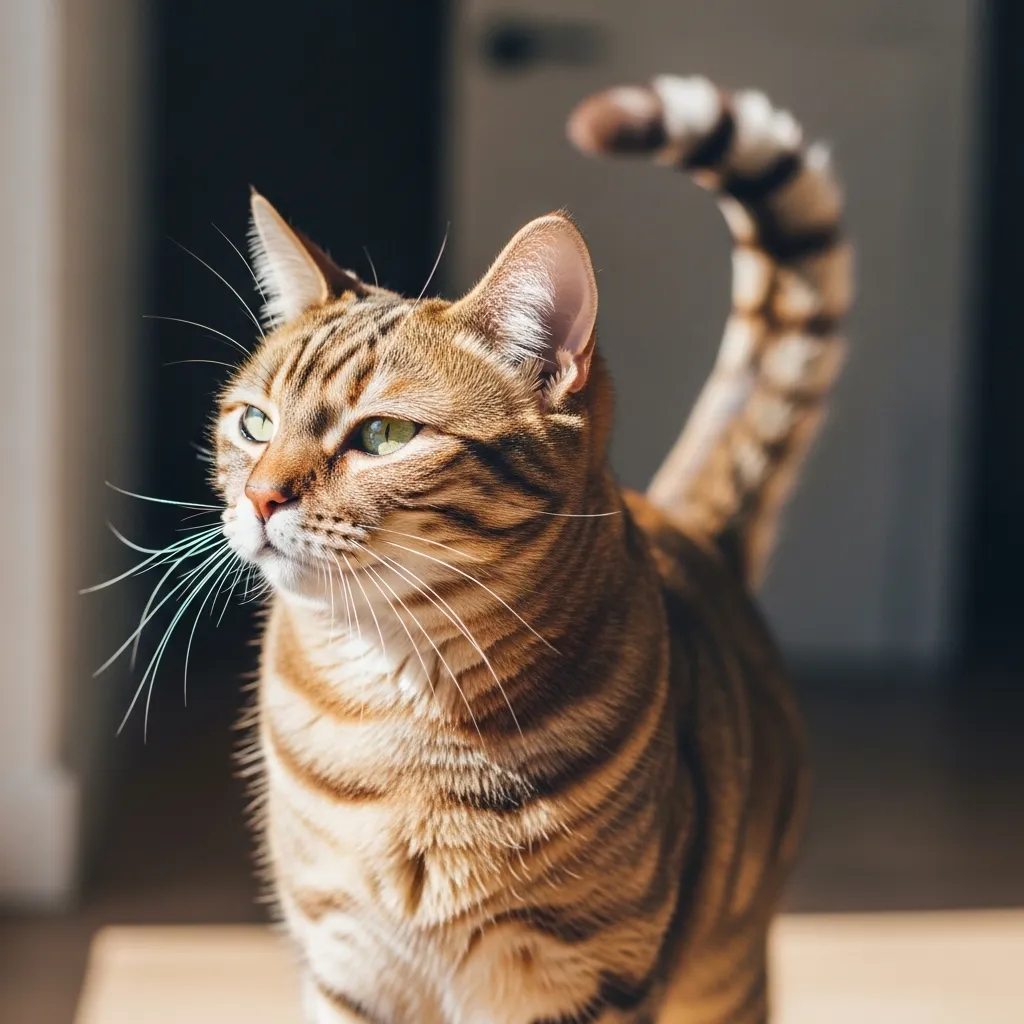
If you’ve ever watched your cat while they’re lounging on the windowsill or walking across the room, you’ve probably noticed that tail in constant motion. That flick, twitch, or gentle sway isn’t random—it’s a whole conversation happening right in front of you. Cats use their tails to express everything from pure joy to mild annoyance, and once you understand the signals, you’ll feel like you’re reading their mind.
I remember wondering for years if my cat was happy or just plotting something when her tail would whip back and forth. It turns out, the speed, position, and direction all matter. Learning to decode these movements has made me a better cat owner, and it’s honestly made our bond so much stronger. Let’s dive into the ten most common reasons your cat flicks their tail.
Before we go further, take a close look at your cat’s tail next time they’re near you. You might start spotting patterns you never noticed before.
1. They’re Feeling Playful and Excited
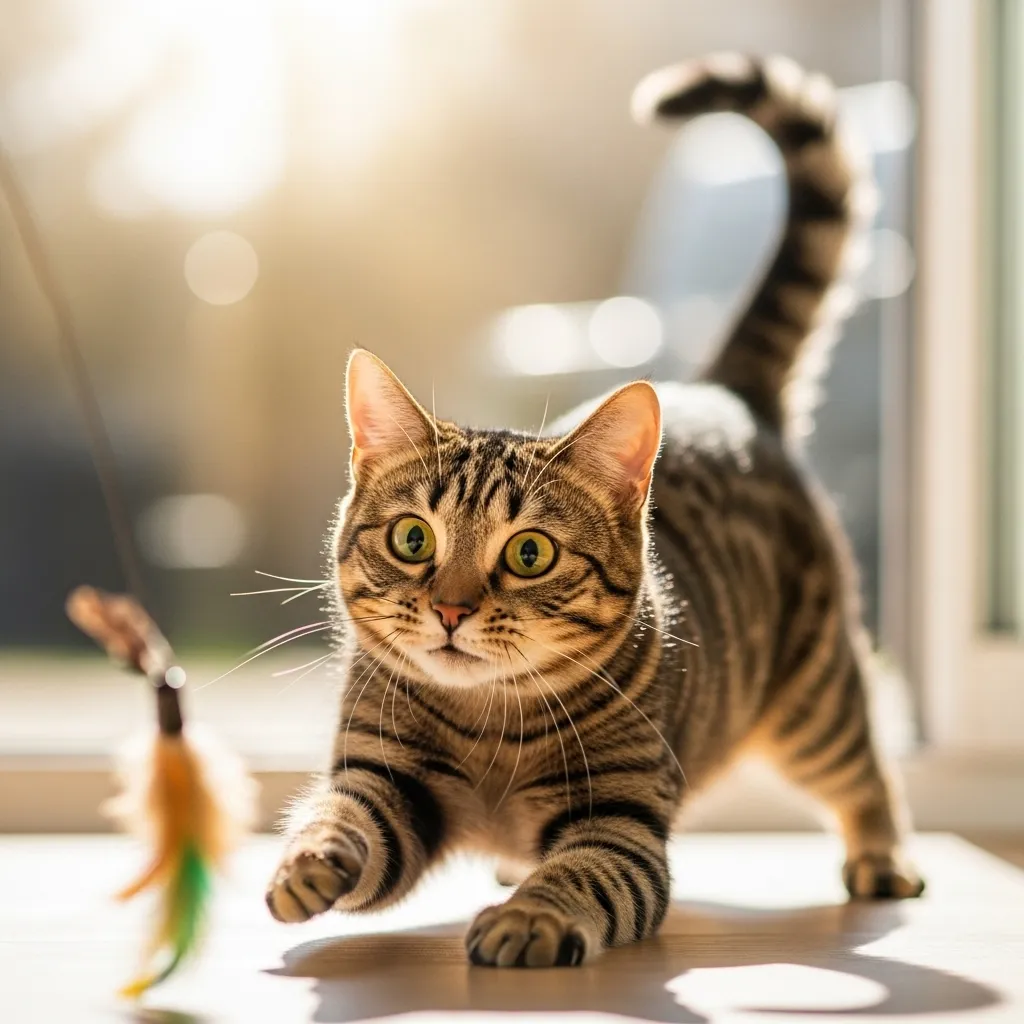
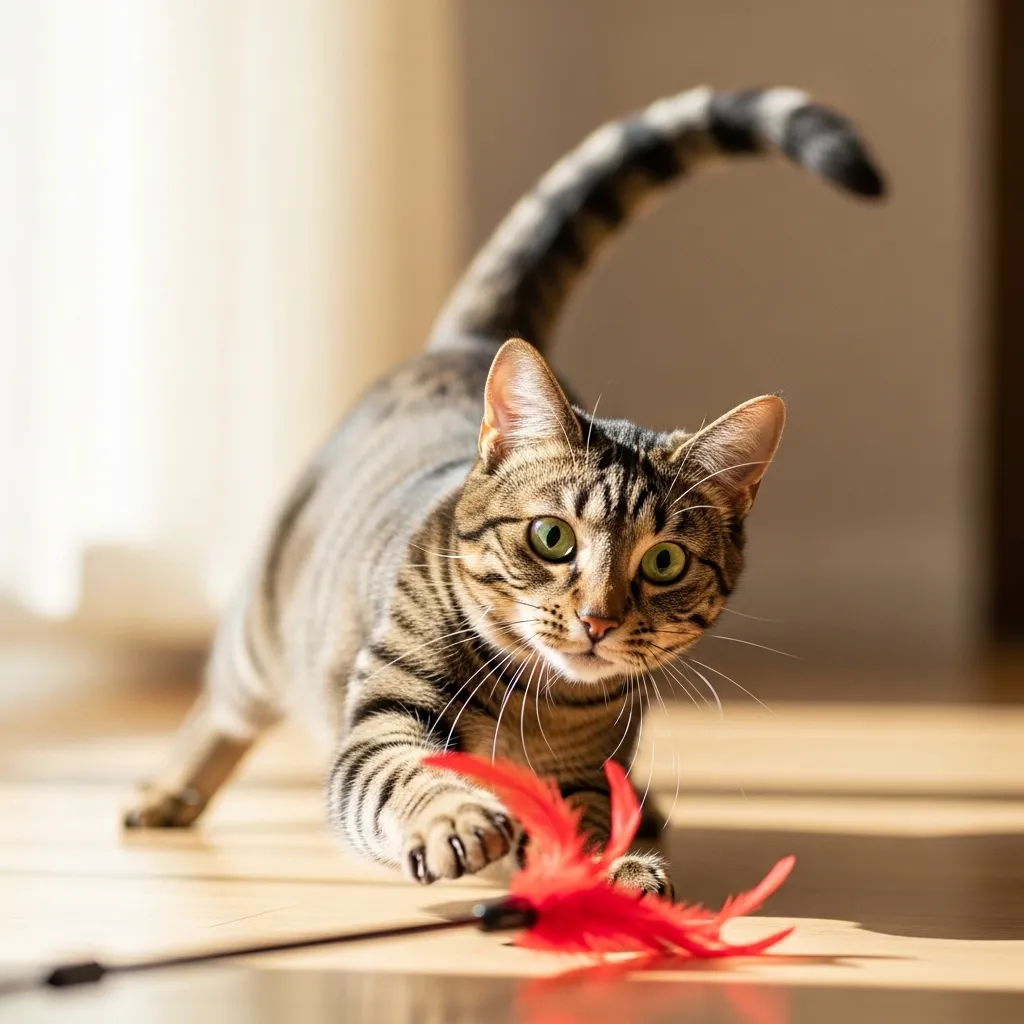
When your cat’s tail is flicking quickly from side to side while they’re crouched low or staring at a toy, that’s the hunting instinct kicking in. This is often paired with a little wiggle in their hindquarters. It’s like they’re revving up their engine before pouncing.
You’ll see this most often when you pull out a feather wand or dangle a string. The tail movement is fast and sharp, not slow and lazy. It’s a sign of focused energy, not anger.
If your cat does this while looking at you, they might be inviting you to play. Grab a toy and join the fun—they’re ready to go.
2. They’re Irritated or Annoyed
A tail that thumps against the floor or whips aggressively side to side is a clear warning sign. This is not the same as the playful flick. The movement is harder, more deliberate, and often accompanied by flattened ears or a tense body.
Maybe you’re petting them a little too long, or they’ve had enough of being held. That tail flick is saying, “Back off, please.”
- Slow, gentle flicks = curiosity or calm.
- Fast, hard thumps = irritation.
- Tail bristling = fear or anger.
Respect this signal. If you ignore it, you might get a gentle swat or a hiss.
3. They’re Deep in Concentration
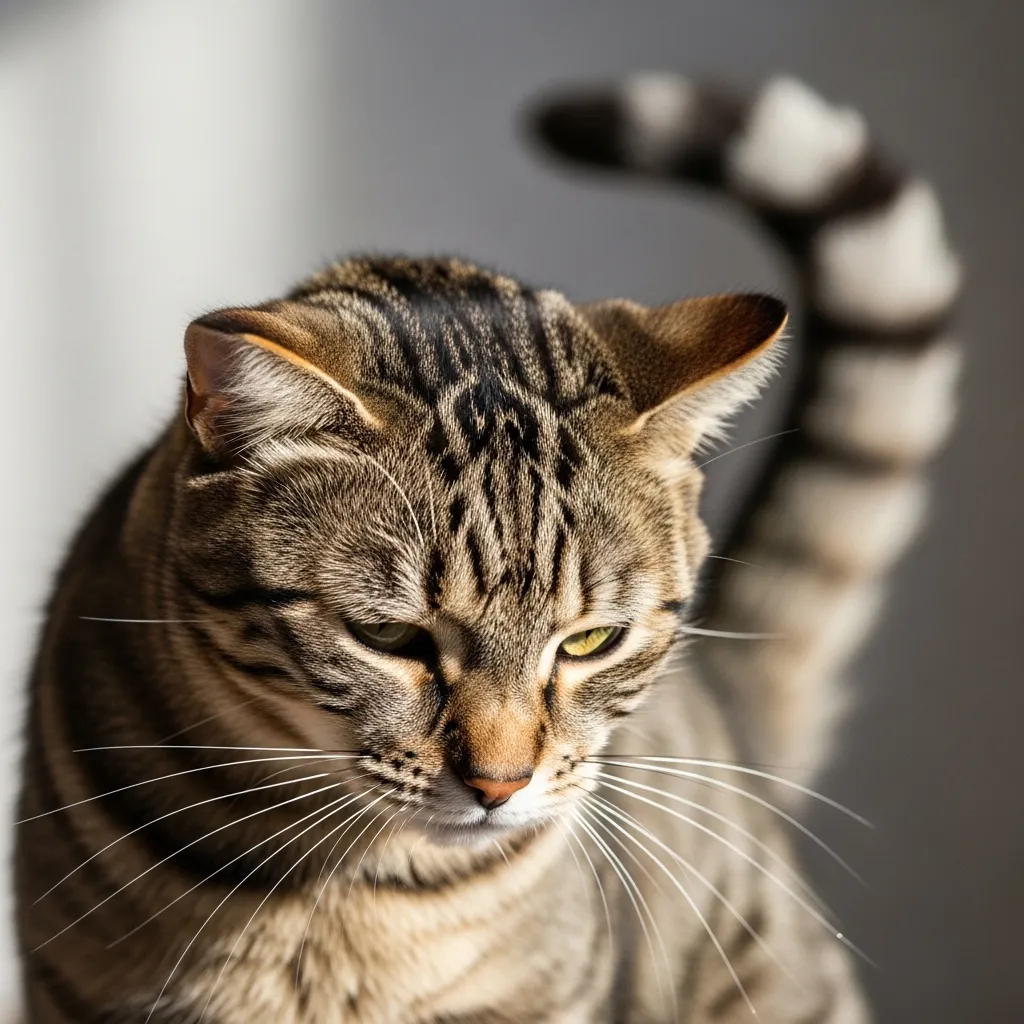
Ever notice your cat’s tail flicking while they stare out the window at a bird or squirrel? That’s their brain working hard. The twitching tail is linked to their focus and decision-making process.
It’s similar to how humans might tap a foot or bite a pen when thinking. Your cat is processing what they see and deciding if they should react. It’s a sign of a healthy, engaged mind.
Let them watch in peace. Interrupting might break their concentration and leave them frustrated.
4. They’re Greeting You with Affection
When your cat walks up to you with their tail held high and the tip curling or quivering slightly, that’s a happy hello. The little flick at the end is like a wave or a smile.
This tail position shows confidence and trust. It’s your cat’s way of saying, “I’m happy to see you.” Some cats even wrap their tail around your leg as a further sign of affection.
If you respond with a gentle chin scratch or a soft word, you’re reinforcing that bond. It’s one of the sweetest moments in cat ownership.
5. They’re Feeling Anxious or Nervous
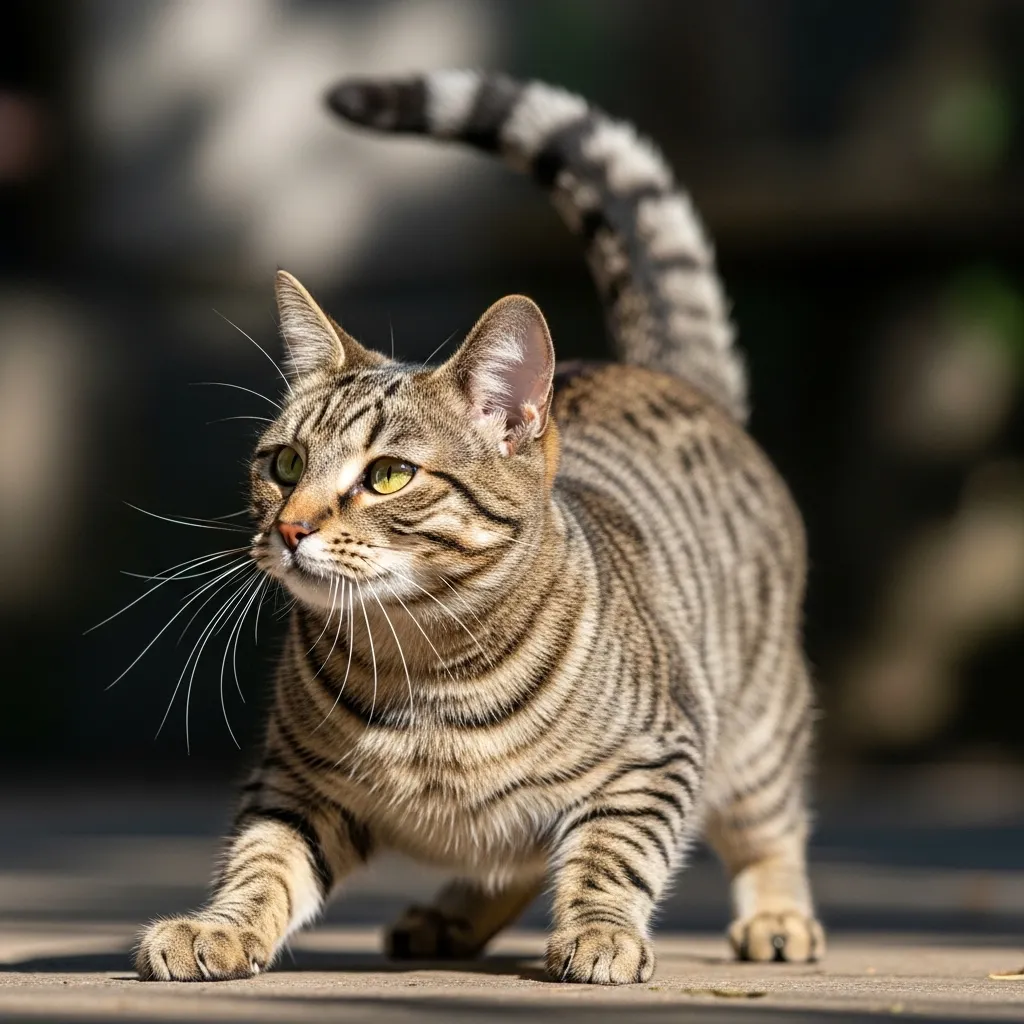
A tail that’s tucked low or flicking nervously near the ground suggests your cat is uneasy. They might be in a new environment, around unfamiliar people, or hearing a loud noise.
The movement is usually quick and jerky, not smooth. Their ears might be slightly back, and they may look for a hiding spot.
In these moments, give your cat space. Don’t force interaction. Let them come to you when they feel safe. A quiet room and a familiar blanket can work wonders.
6. They’re Marking Their Territory
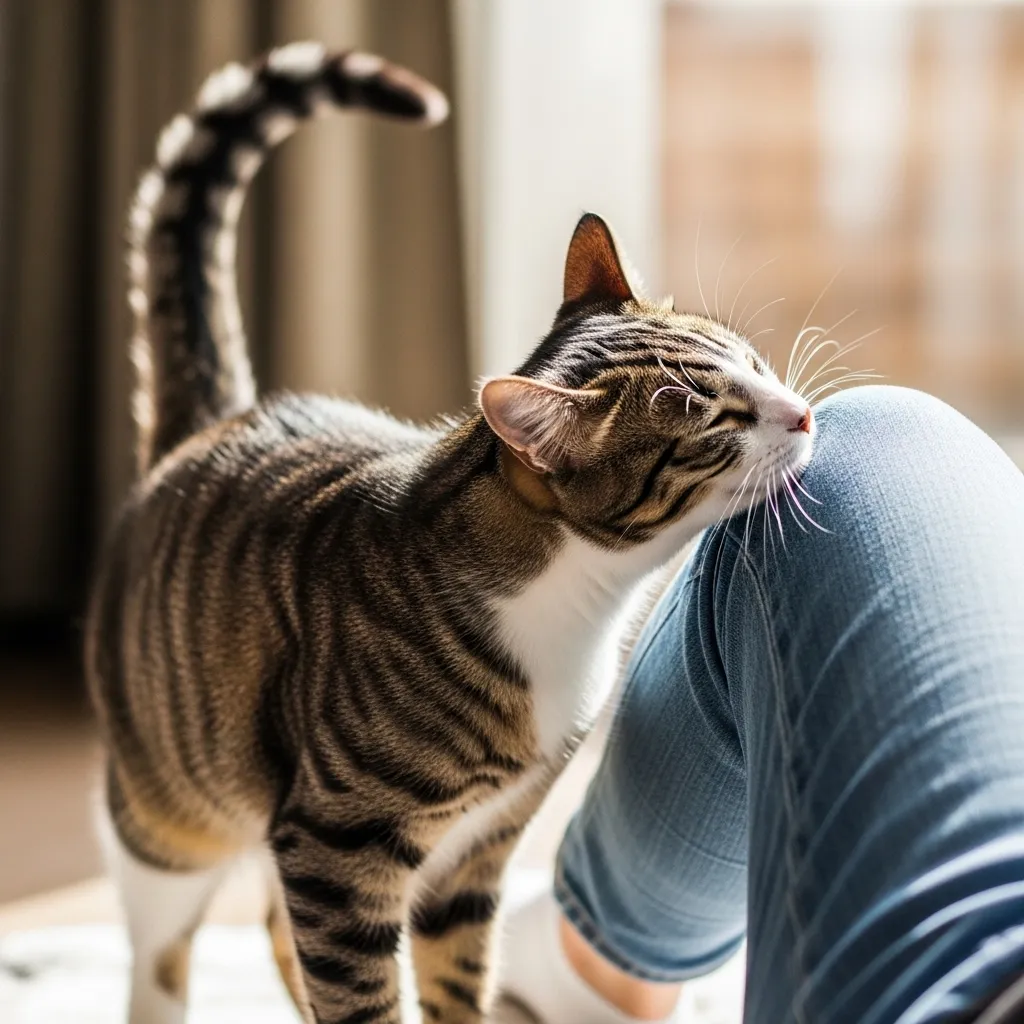
Yes, cats use their tails to spread scent. When your cat rubs their tail against furniture, walls, or even your legs, they’re leaving behind pheromones from glands near the base of their tail.
This flicking or rubbing motion is a way of claiming ownership. It’s a gentle reminder that this space—and you—belongs to them.
It’s not a bad thing. In fact, it’s a compliment. Your cat is saying you’re part of their safe zone.
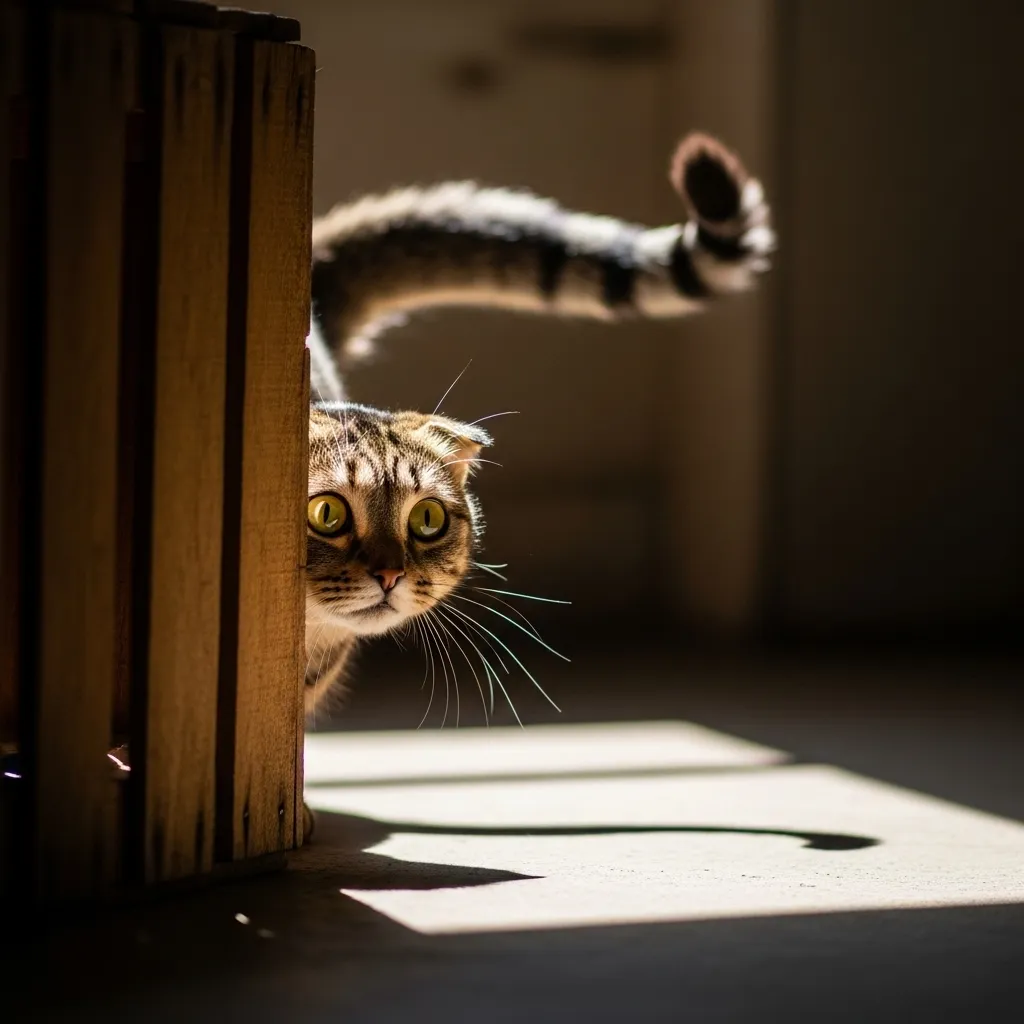
7. They’re Trying to Communicate Pain or Discomfort
If your cat’s tail flicking seems out of character—maybe they’re holding it stiffly or flicking only the tip while lying very still—it could be a sign of pain. Cats are masters at hiding discomfort, but the tail often gives them away.
Look for other clues like changes in appetite, hiding, or avoiding being touched. A tail that’s usually expressive but suddenly goes still or moves oddly is worth noting.
If you suspect something is wrong, a vet visit is always a good idea. Better safe than sorry when it comes to your furry friend.
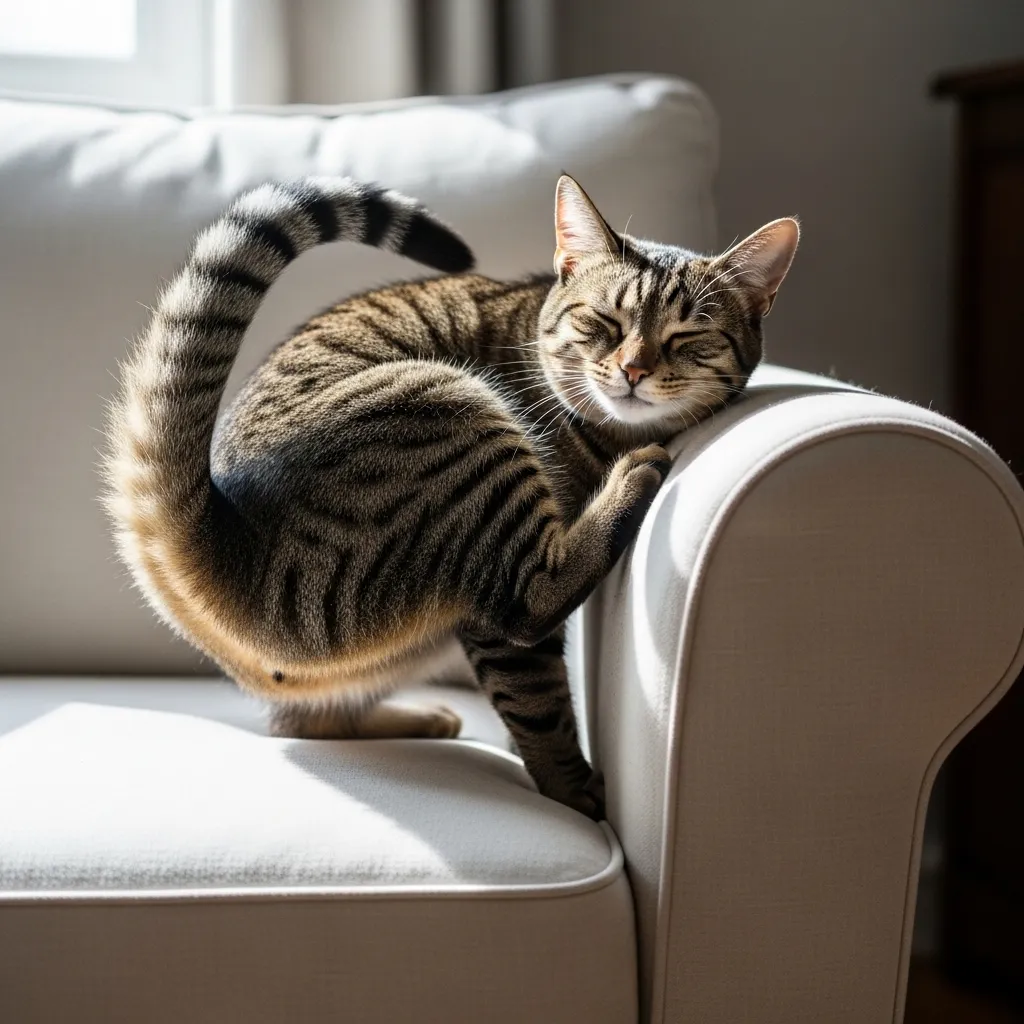
8. They’re Dreaming or Sleeping Lightly
Have you ever watched your cat sleep and seen their tail twitch? That’s usually a sign they’re in a light sleep or dreaming. Just like humans, cats have sleep cycles where their brains are active.
The tail flick is often accompanied by tiny paw movements or ear twitches. It’s completely normal and nothing to worry about.
Don’t wake them up during these moments. Let them finish their dream—they might be chasing a mouse or exploring a sunny meadow in their mind.
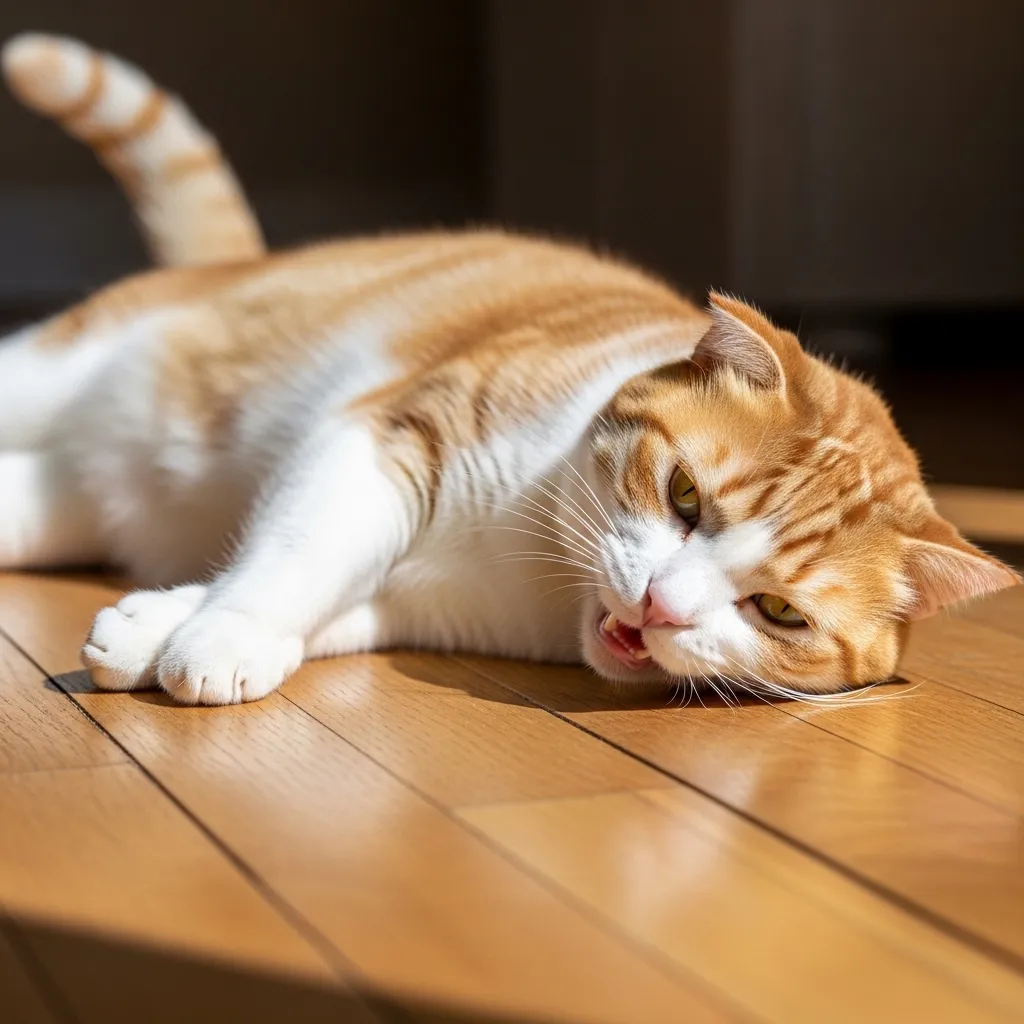
9. They’re Showing Excitement for Food
If your cat’s tail starts quivering or flicking when they hear the can opener or the crinkle of a treat bag, that’s pure anticipation. The tail movement is usually quick and upbeat.
Some cats even do a little “happy dance” with their back legs while their tail flicks. It’s one of those adorable behaviors that makes you smile every time.
This is a great time to reinforce positive behavior. Wait for them to sit calmly before serving their meal, and you’ll both feel good about the routine.
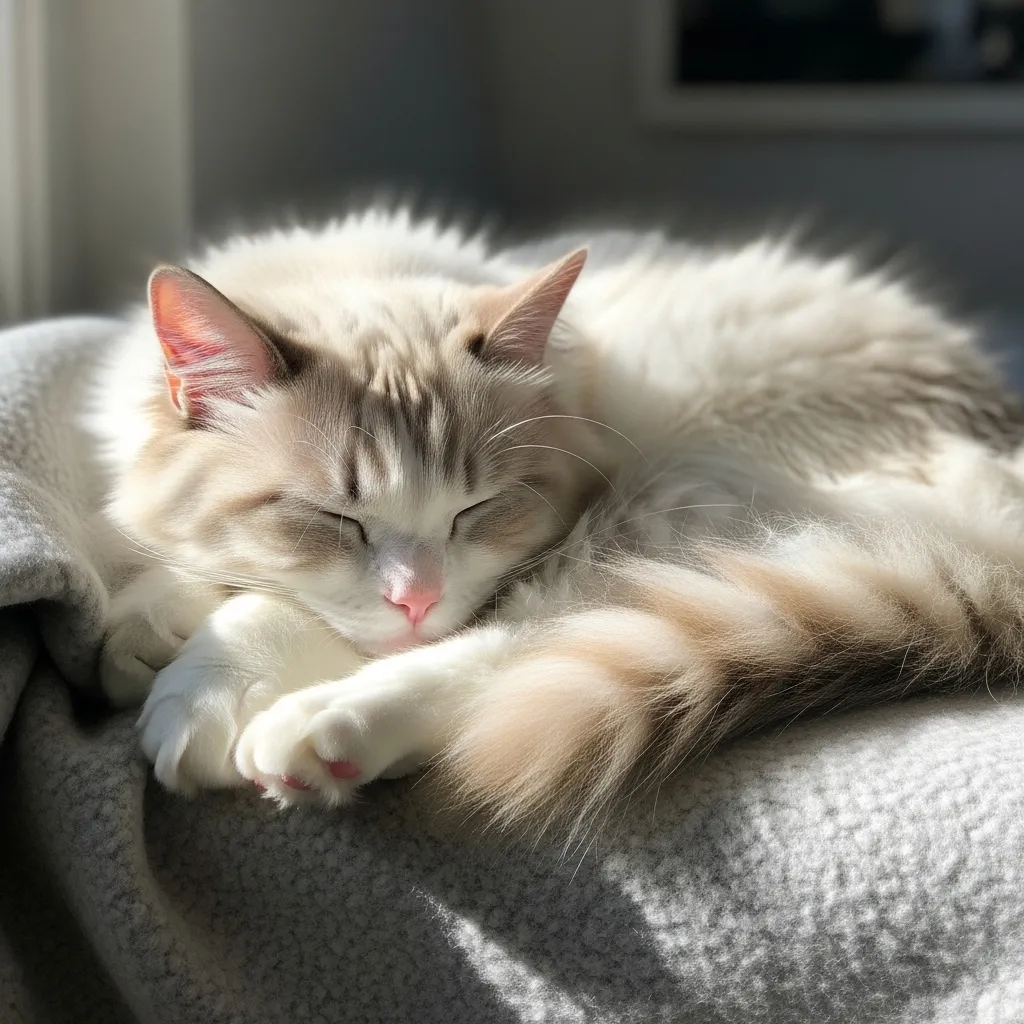
10. They’re Simply Relaxed and Content
Sometimes a tail flick is just a sign of a relaxed cat. A slow, gentle sway from side to side while they’re curled up on the couch means they’re comfortable and at ease.
This movement is soft and unhurried. Their eyes might be half-closed, and they may be purring softly. It’s the tail equivalent of a deep sigh.
Enjoy these moments. They’re a sign that your cat feels completely safe with you. Not much is better than that.
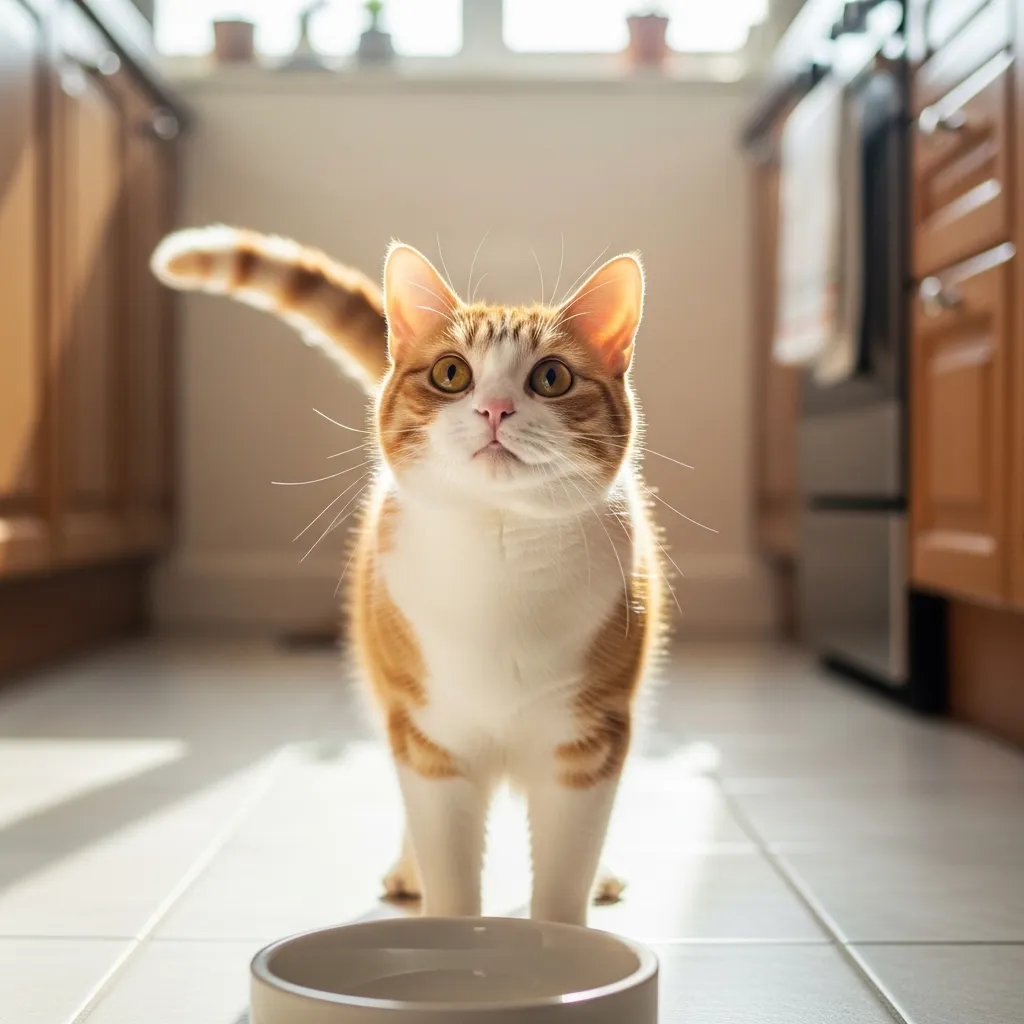
Conclusion
Your cat’s tail is like a little mood ring with fur. Once you start paying attention to the speed, position, and context of each flick, you’ll understand your cat on a whole new level. It’s not about memorizing every single tail movement—it’s about noticing patterns and responding with patience and love.
The more you observe, the more you’ll realize how much your cat is already communicating with you. They’re not mysterious or aloof. They’re just speaking a language you can learn, one tail flick at a time.
[[IMG:IMG12]]
Frequently Asked Questions
Why does my cat flick her tail when I pet her?
She might be overstimulated or telling you she’s had enough. Try petting her in shorter sessions and watch for other signs like ear twitching or skin rippling.
Is tail flicking always a bad sign?
No, not at all. It depends on the speed and context. Slow, gentle flicks can mean contentment, while fast, hard thumps often mean irritation.
Why does my cat’s tail quiver when I call her?
That quivering tail tip is often a happy greeting. It’s like your cat is saying, “I hear you and I’m coming.” Some cats also do this when they’re marking territory.
Should I be worried if my cat’s tail is flicking while sleeping?
Not usually. That’s just your cat dreaming or in a light sleep. If the twitching is very intense or your cat seems distressed when waking, check with your vet.
Can cats control their tail movements?
Yes, for the most part. While some movements are instinctive, cats can consciously position and move their tails to communicate. It’s a mix of reflex and intention.