14 Reasons Your Dog is Pawing at You (And What It Really Means)
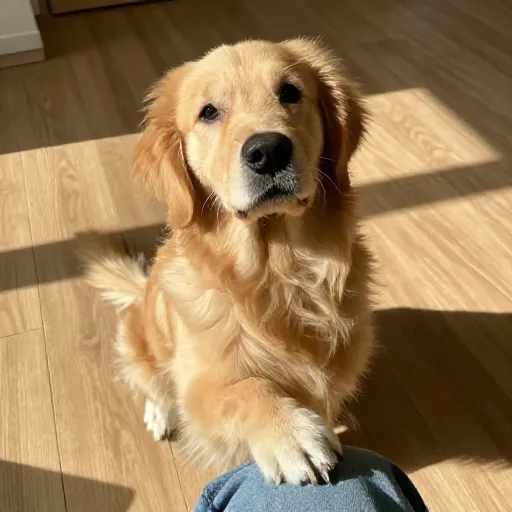
I remember the first time my little terrier mix, Pip, placed a single paw on my knee and stared at me with those big eyes. At first, I thought it was just a cute trick. But as the pawing became more frequent, I realized she was trying to tell me something. Dogs communicate through their bodies, and pawing is one of their most direct signals.
It can be easy to brush off a paw as just a request for attention. But the truth is, the context matters a lot. Is it a gentle tap, a persistent scratch, or a frantic dig? The speed and intensity of the pawing often reveal the message behind the motion. Let’s break down the fourteen most common reasons your dog is reaching out to you.
1. The Classic “I Want Attention” Paw
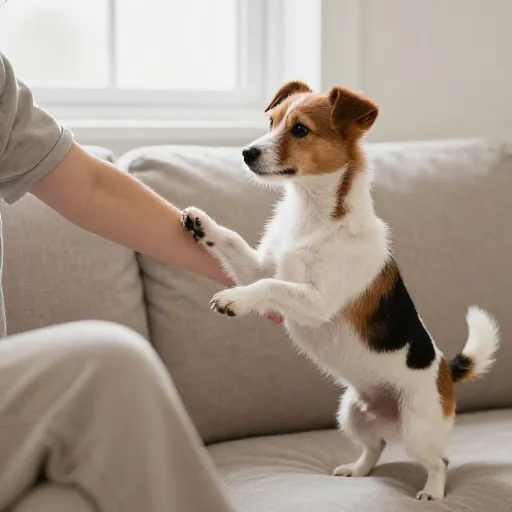
This is the most common reason. Your dog wants your focus, and they know a gentle paw on your arm usually works. It’s often accompanied by a soft whine or a wagging tail.
If you’ve been on your phone or laptop for a while, this paw is a polite reminder that they exist and would love a scratch behind the ears. Try giving them a quick pet or a game of tug to satisfy that need.
2. The “I’m Hungry” Nudge
Dogs have incredible internal clocks. If the pawing happens right around dinner time, it’s a clear sign their stomach is growling. They might even lead you towards the kitchen.
This paw is usually more persistent and direct. They might tap their bowl or stare at the pantry. Stick to your feeding schedule, and don’t fall for the guilt trip—they’re just good at reminding you!
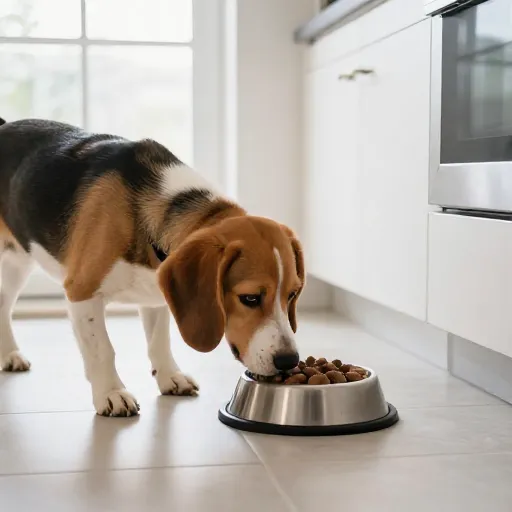
3. The “I Need to Go Out” Tap
Sometimes a dog will paw at you, then immediately walk to the door and look back. This is one of the clearest bathroom signals. It’s better than a bark because it’s quiet and direct.
If your dog is also pacing or giving you a worried look, it’s time to grab the leash. Responding quickly to this paw reinforces their good communication skills.
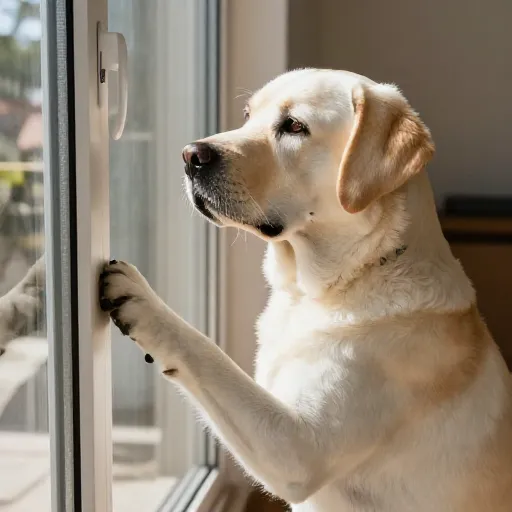
4. The “I’m Anxious” Cling
When a dog feels scared or insecure, they often seek physical contact. A paw that feels heavy or trembling can be a sign of stress. Loud noises, new environments, or even a tense family argument can trigger this.
If your dog is pawing you while hiding under the table, don’t scold them. Instead, offer a calm, reassuring voice and a safe space. Sometimes just having their paw on you helps them feel protected.
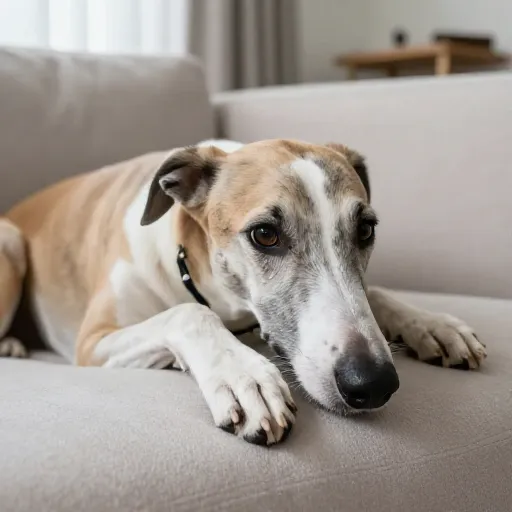
5. The “I’m Bored” Dig
This is less of a gentle tap and more of a persistent scratch or dig at your leg or the couch. Your dog is telling you they have pent-up energy and need an outlet.
A bored dog is often a destructive dog. Try a quick training session, a puzzle toy, or a short walk around the block. Engaging their brain is just as important as exercising their body.
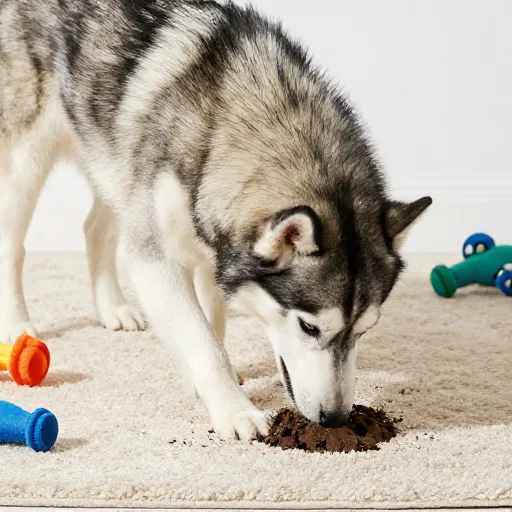
6. The “I Love You” Stroke
Yes, pawing can be a pure sign of affection. Some dogs learn that touching their human results in a warm, happy reaction. It’s a way of saying, “I like being close to you.”
This paw is usually soft and brief. It might be followed by a gentle lick or a sigh of contentment. Enjoy these moments—they’re the best kind of communication.
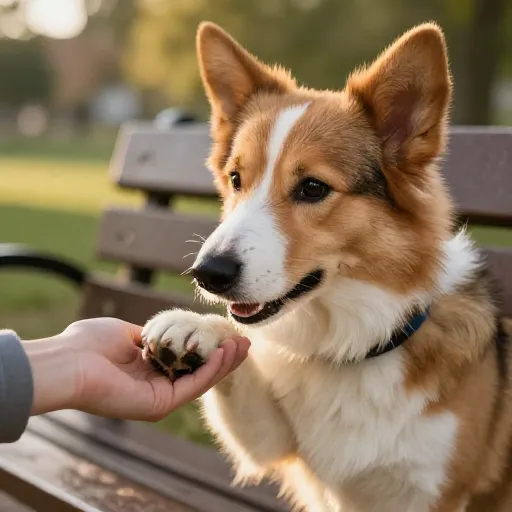
7. The “I Want to Play” Bounce
You’ll recognize this one easily. The paw is accompanied by a play bow (front legs down, rear end up), a wagging tail, and maybe a happy bark. It’s an invitation to have fun.
If you’re busy, this can be annoying, but ignoring it too often can make your dog feel rejected. Even five minutes of fetch or a quick chase around the yard can satisfy their playful spirit.
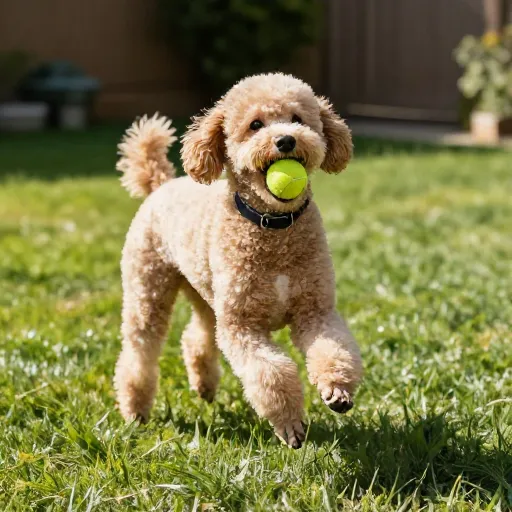
8. The “Check on Me” Paw
This happens when you’re lying down or sitting quietly. Your dog might place a paw on your chest or face and stare at you. They are checking your breathing or your mood.
Dogs are incredibly empathetic. If you’re feeling sad or unwell, they might paw at you to see if you’re okay. It’s a gentle reminder that they are watching over you.
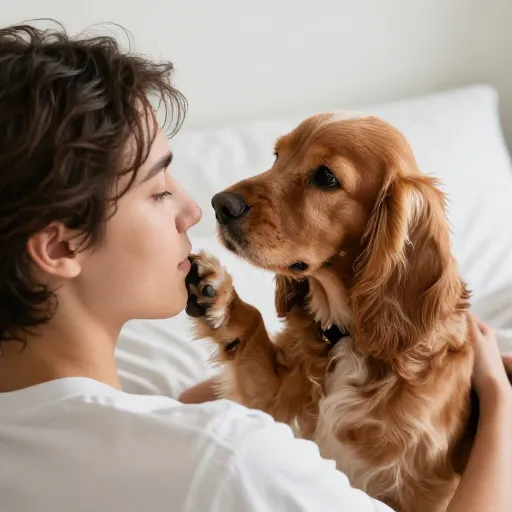
9. The “I Want Your Food” Grab
This is a very specific and often annoying paw. It happens when you’re eating something delicious. Your dog is using their paw to try and pull your hand—or the food—closer.
This is a learned behavior. If you’ve ever given them a bite from your plate, they’ll repeat the paw. The best way to stop it is to ignore it completely and never feed them from the table.
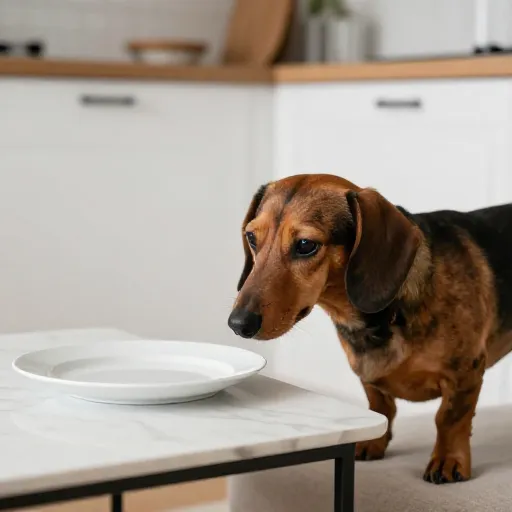
10. The “I’m Itchy” Scratch
Sometimes a paw isn’t a message for you—it’s a physical need. If your dog is pawing at their own face, ear, or body, they might have an itch, an allergy, or even a burr stuck in their fur.
Watch for repeated pawing at a specific spot. If they are also shaking their head or licking their paws excessively, a trip to the vet might be in order to rule out allergies or skin issues.
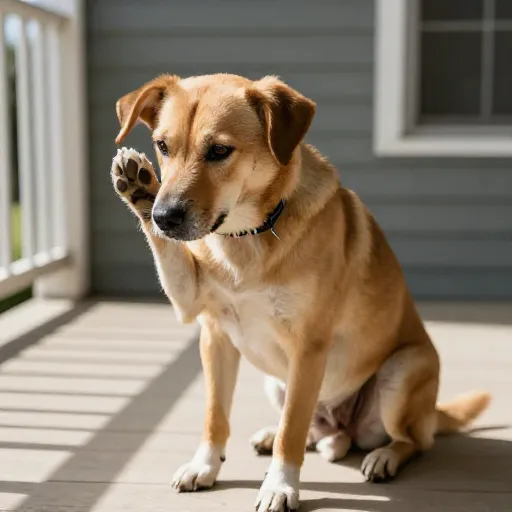
11. The “I Want Up” Request
If your dog isn’t allowed on the couch or bed, they might paw at your leg or the furniture to ask for an invitation. This is especially common with smaller breeds who need a boost.
Be consistent with your rules. If you let them up sometimes but not others, the pawing will get worse. Decide if they are allowed up, and stick to that decision every time.
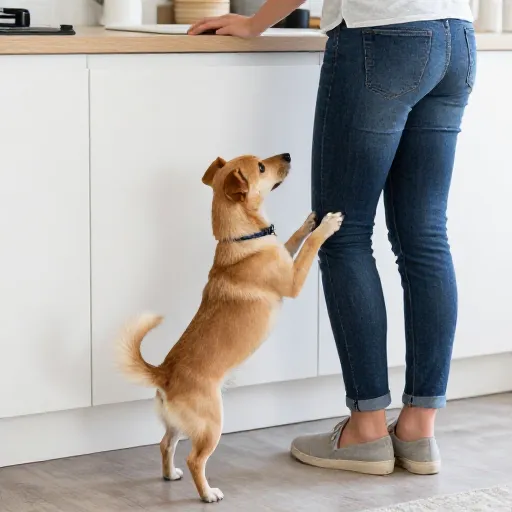
12. The “I’m Not Done” Persistence
You stopped petting them, and they immediately paw at your hand. This is a clear request to “keep going.” It’s their way of saying the massage session isn’t over yet.
While it’s cute, it can become demanding. If you want to stop petting, gently move their paw away and stand up. This teaches them that the interaction ends when you decide.
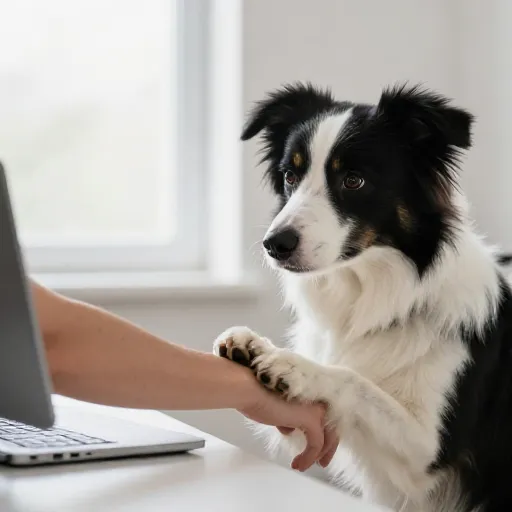
13. The “I’m Excited to See You” Greeting
When you walk through the door after being gone for a while, a pawing jump is common. It’s a burst of pure, unfiltered joy. They just can’t contain their happiness.
To prevent jumping, turn your back and ignore the pawing until they have all four paws on the floor. Then, give them a calm, happy greeting. It teaches polite manners without crushing their excitement.
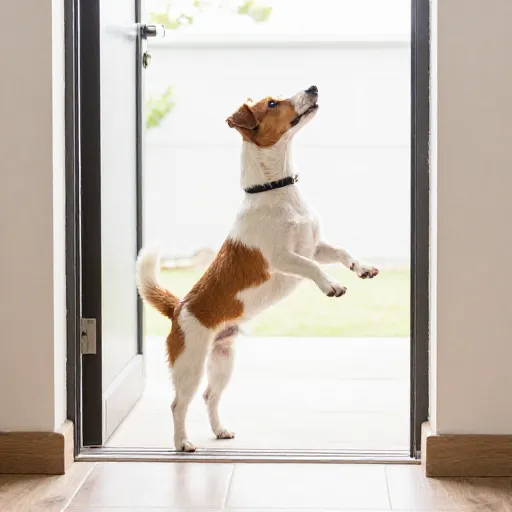
14. The “I’m in Pain” Signal
This is the most serious reason. If a dog is pawing at a specific part of their body, or pawing at you with a grumpy or withdrawn attitude, they could be in pain. This is different from a playful tap.
Look for other signs: limping, panting, hiding, or a change in appetite. If the pawing feels urgent or is accompanied by a whimper, don’t wait. A vet visit is the safest course of action.
Conclusion
Pawing is one of the most versatile tools in your dog’s communication toolbox. It can mean love, hunger, boredom, or even discomfort. The key is to look at the whole picture—the body language, the timing, and the environment.
By learning to read your dog’s specific pawing language, you build a stronger, more trusting bond. Next time that little paw reaches out, you’ll be ready to understand the message behind it.
Frequently Asked Questions
Is pawing always a sign of affection?
Not always. While it can be a sign of love, it’s more often a request for something—attention, food, or a bathroom break. Look at the context to know for sure.
How do I stop my dog from pawing me when I’m eating?
Ignore it completely. Don’t make eye contact, don’t push them away, and don’t talk to them. If you give them food during this behavior, it will become a habit.
Why does my dog paw at my face?
This is usually a very intimate gesture. They might be checking on you, showing affection, or trying to get you to wake up. Sometimes it’s just a way to get your full attention.
Should I punish my dog for pawing?
No. Punishment can confuse them and damage your trust. Instead, try to figure out what they need. If it’s a demand for attention, you can teach an alternative behavior, like sitting politely.
When should I be worried about pawing?
If the pawing is focused on one spot (like their ear or leg), is repetitive, or is accompanied by whining, limping, or changes in behavior, it’s time to consult your vet. It could be a sign of pain or illness.