13 Common Toxic Plants for Dogs You Need to Know About
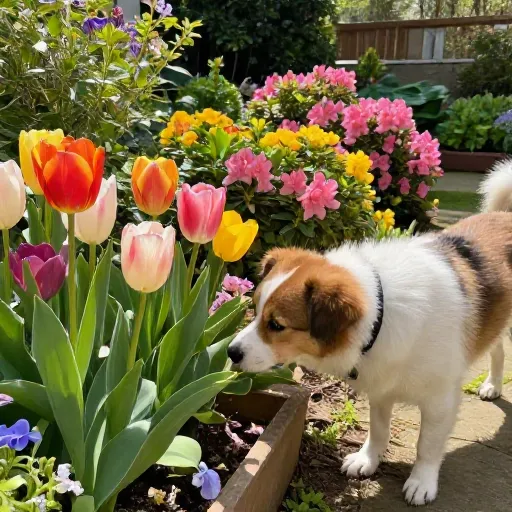
I love filling my home with greenery, but when I got my dog, I realized not all plants are pet-friendly. Some common house and garden plants can cause serious health issues for dogs, from mild stomach upset to organ failure. It’s not about living in a plant-free home—it’s about knowing which ones to avoid.
After researching this topic and talking to my vet, I put together a list of 13 toxic plants that are surprisingly common. If you have a curious pup who likes to sniff and nibble, this guide is for you. Let’s keep your dog safe without sacrificing your love for plants.
Remember: even if a plant is only mildly toxic, it’s better to be safe. If your dog eats any part of a questionable plant, call your vet immediately.
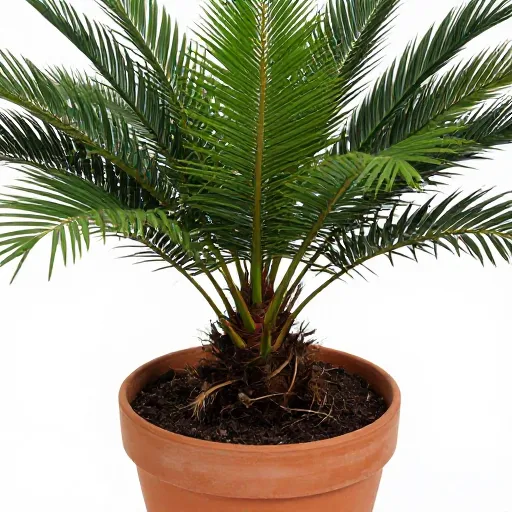
1. Sago Palm
This popular ornamental plant is extremely toxic to dogs. Every part of the sago palm is dangerous, but the seeds (nuts) are the most poisonous. Even a small amount can cause vomiting, diarrhea, and severe liver damage.
If your dog eats sago palm, symptoms can appear within hours. It’s one of the most dangerous plants on this list. Many dogs don’t survive without immediate veterinary treatment.
I recommend removing this plant entirely if you have a dog. It’s not worth the risk.
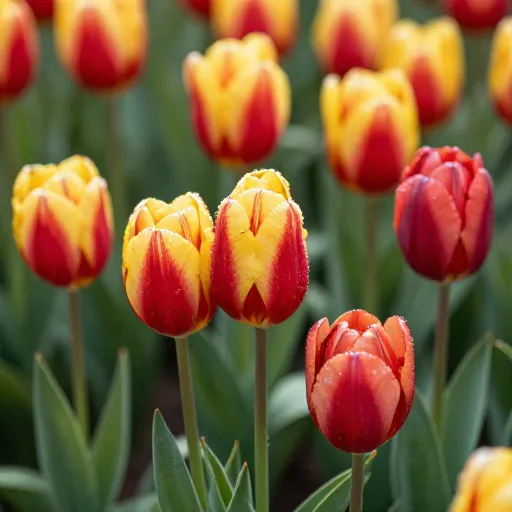
2. Tulips
Tulips are a spring favorite, but their bulbs contain toxins that can irritate your dog’s mouth and digestive system. If your dog digs up and eats a tulip bulb, expect drooling, nausea, and vomiting.
The highest concentration of toxins is in the bulb, so even a small nibble can cause problems. Keep tulips out of your garden if your dog loves to dig.
Cut flowers are generally safer since the bulb is removed, but still keep them out of reach.
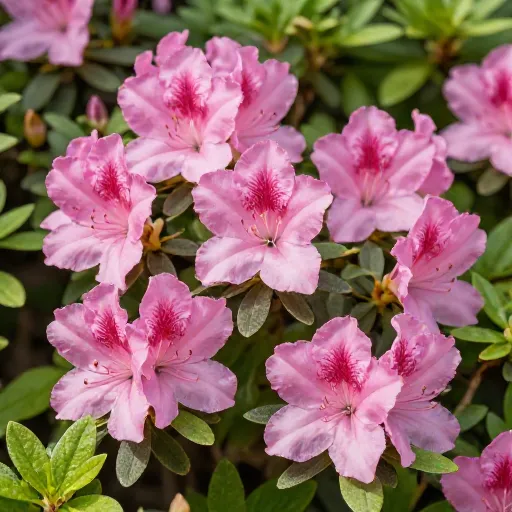
3. Azalea
Azaleas are beautiful flowering shrubs, but they contain grayanotoxins that affect your dog’s heart and nervous system. Eating just a few leaves can cause vomiting, weakness, and even coma.
I’ve seen dogs get sick from chewing on fallen azalea leaves. It’s best to avoid planting these if your dog spends time in the yard.
If you suspect ingestion, get to the vet fast. Symptoms can progress quickly.
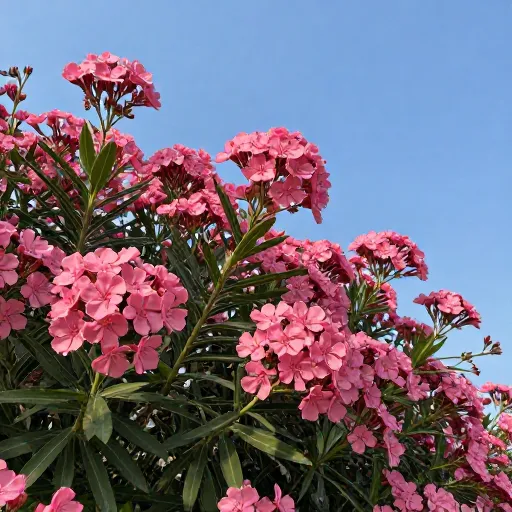
4. Oleander
Oleander is a common landscaping plant in warm climates, and it’s highly toxic. All parts of this plant contain cardiac glycosides, which can cause abnormal heart rhythms, tremors, and death.
Even a small amount can be fatal. I’ve heard horror stories of dogs chewing on oleander branches and not surviving. This is one plant I’d never have near my dog.
If you have oleander in your yard, consider replacing it with a safer alternative.
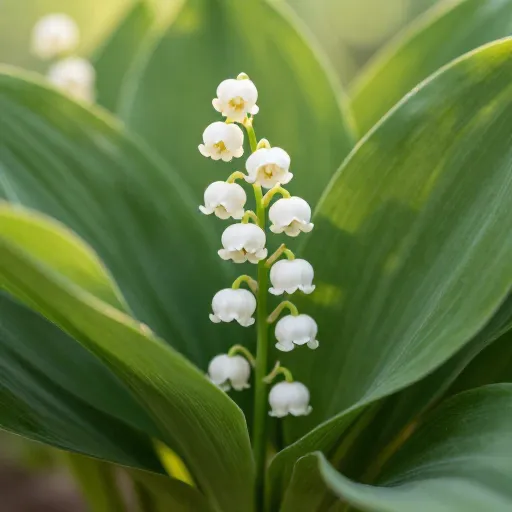
5. Lily of the Valley
Despite its delicate appearance, lily of the valley is very dangerous for dogs. It contains cardiac glycosides that can cause vomiting, irregular heartbeat, and seizures.
This plant often grows in shady areas where dogs like to explore. Even drinking water from a vase containing these flowers can be harmful.
I avoid this plant entirely in my garden. It’s not worth the risk for such a small, pretty flower.
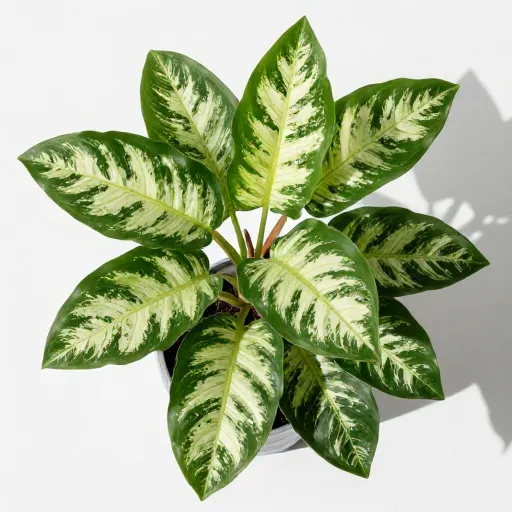
6. Dieffenbachia (Dumb Cane)
Dieffenbachia is a popular houseplant with large, attractive leaves. But if your dog chews on it, the plant releases calcium oxalate crystals that cause intense burning, swelling, and drooling.
Your dog’s mouth and throat can swell so much that it becomes hard to breathe. This is painful and scary for both of you.
I keep this plant in a room my dog never enters. Better yet, choose a non-toxic alternative like a spider plant.
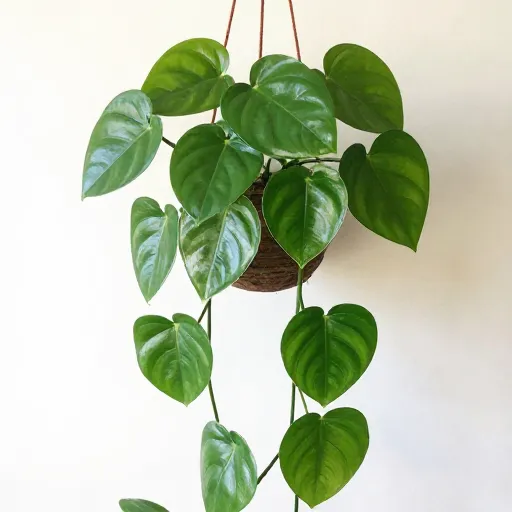
7. Philodendron
Philodendrons are everywhere—they’re easy to care for and look great. But like dieffenbachia, they contain calcium oxalate crystals. Chewing on the leaves causes oral irritation, pawing at the mouth, and vomiting.
I used to have philodendrons all over my house. Once I got my dog, I moved them to high shelves. But if your dog is a jumper, it’s safer to rehome them.
There are plenty of pet-safe plants that look just as lush.
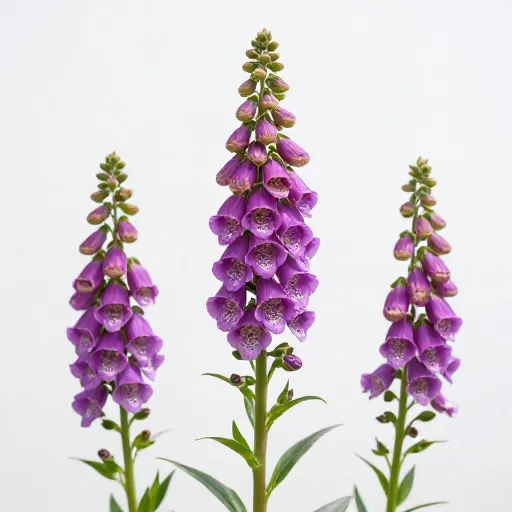
8. Foxglove
Foxglove is a tall, striking flower that contains digitalis, a compound used in heart medication. For dogs, even a small amount can cause heart arrhythmias, vomiting, and collapse.
This plant is often found in cottage gardens. I love the look, but I don’t plant it where my dog can reach it. The leaves are especially dangerous.
If your dog eats foxglove, it’s a medical emergency. Don’t wait for symptoms to appear.
9. English Ivy
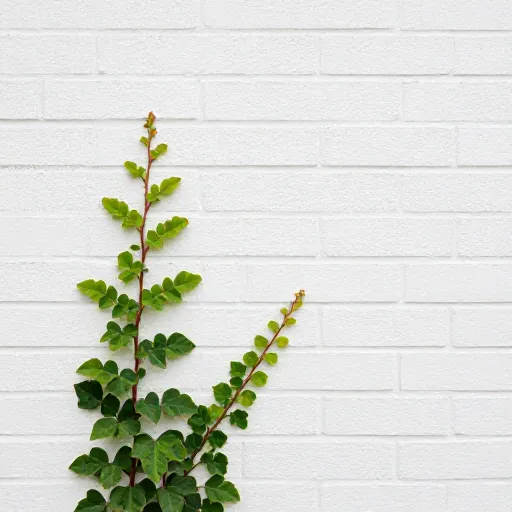
English ivy is a common ground cover and climbing plant. It contains saponins that cause vomiting, diarrhea, and excessive drooling in dogs. The leaves are more toxic than the berries.
I’ve seen dogs get sick from chewing on ivy while playing in the yard. It’s easy to overlook because it’s so common.
If you have ivy, try to keep your dog away from it. Or remove it entirely if your dog is a constant nibbler.
10. Yew
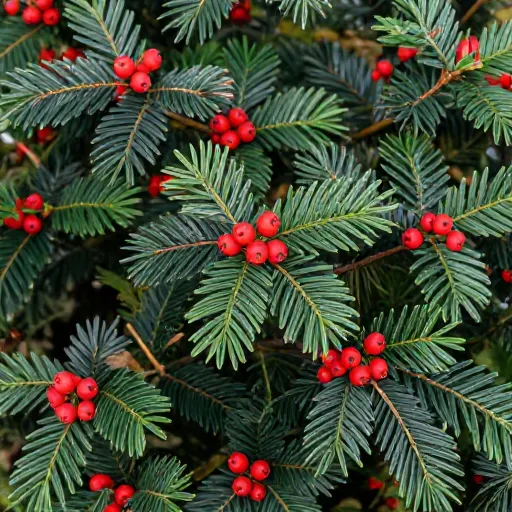
Yew is a popular evergreen shrub often used in hedges and landscaping. Almost every part of the plant is toxic, and it can cause sudden death in dogs. The seeds are especially dangerous.
Symptoms include trembling, difficulty breathing, and seizures. Yew toxicity can kill a dog within hours.
I wouldn’t plant yew anywhere near a dog. If it’s already in your yard, consider fencing it off or removing it.
11. Cyclamen
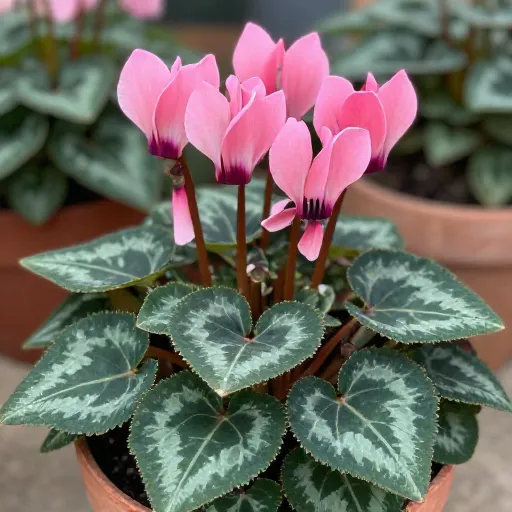
Cyclamen is a pretty flowering houseplant, but its roots (tubers) contain toxins that cause severe vomiting, heart rhythm problems, and even death. The leaves and flowers are less toxic but still risky.
Dogs who dig in potted plants are most at risk. If your dog eats part of a cyclamen, call your vet right away.
I keep cyclamen in hanging baskets where my dog can’t reach them. That’s the only safe way to have them.
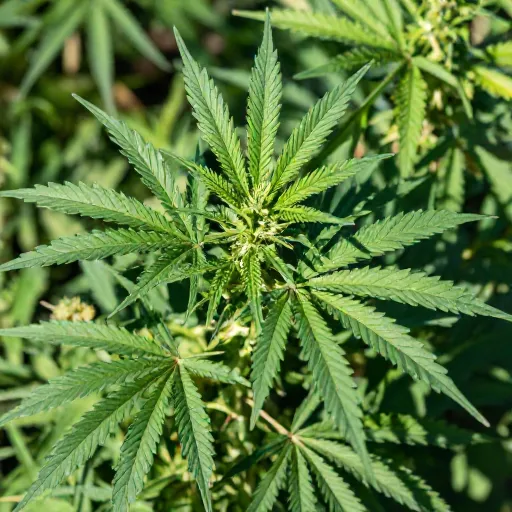
12. Marijuana (Cannabis)
Whether it’s the plant, dried leaves, or edibles, marijuana is toxic to dogs. It can cause lethargy, stumbling, vomiting, and in severe cases, seizures or coma. Dogs are very sensitive to THC.
I’ve heard stories of dogs eating edibles and needing emergency care. Even secondhand smoke can affect them. Keep all cannabis products out of reach.
If your dog ingests marijuana, be honest with your vet. They need to know what’s going on to provide the right treatment.
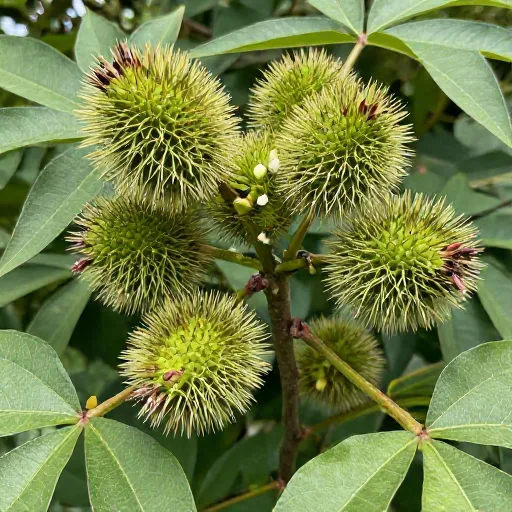
13. Castor Bean
Castor bean plants are grown for their striking foliage, but they contain ricin, one of the most toxic naturally occurring substances. Just one seed can kill a dog. Symptoms include severe vomiting, diarrhea, and seizures.
This is not a plant to take lightly. I would never have a castor bean plant in my yard or home. It’s just too dangerous.
If you suspect your dog has eaten any part of this plant, go to the emergency vet immediately.
Conclusion
Knowing which plants are toxic is the first step to keeping your dog safe. The good news is that there are plenty of beautiful, pet-safe plants you can enjoy without worry. Spider plants, Boston ferns, and African violets are just a few options.
I always double-check before bringing a new plant home. It’s a small habit that can save your dog’s life. And if you’re ever unsure, ask your vet or check a reliable source. Your dog will thank you.
Frequently Asked Questions
What should I do if my dog eats a toxic plant?
Call your veterinarian or a pet poison hotline immediately. Don’t wait for symptoms to appear. Bring a sample of the plant if you can. Time is critical.
Are all parts of a toxic plant dangerous?
Not always. Some plants have toxic leaves but safe berries, or vice versa. But it’s best to assume all parts are dangerous. Better safe than sorry.
Can dogs get sick from just sniffing a toxic plant?
Sniffing alone is usually not harmful, but if your dog chews or eats any part, it can be. Keep an eye on curious dogs, especially puppies who explore with their mouths.
Are there any common houseplants that are safe for dogs?
Yes! Spider plants, bamboo palm, parlor palm, and African violets are all safe. Always check before buying, even with “safe” plants.
Can I still have a garden if I have a dog?
Absolutely. Choose pet-safe plants, supervise your dog outside, and use barriers if needed. Many beautiful plants are non-toxic, so you don’t have to sacrifice style for safety.