10 Dog Photography Secrets for Stunning Results
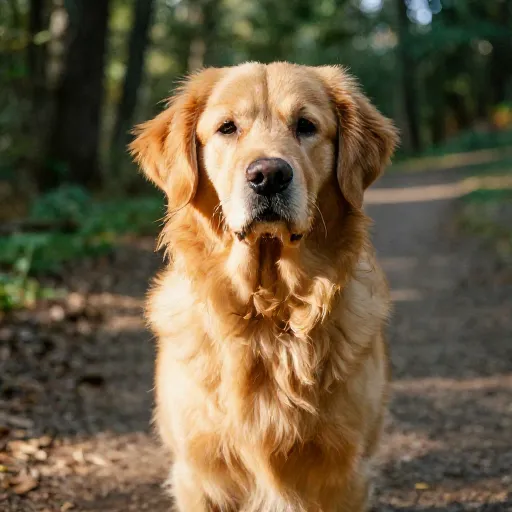
Let’s be real—photographing dogs is a delightful chaos. They never sit still, they always smell something more interesting than you, and just when you nail the focus, they sneeze. But when you finally capture that one perfect shot, with the light hitting their eyes just right, it’s pure magic.
You don’t need a fancy camera or a studio to get those jaw-dropping photos. You need a little patience, a lot of treats, and a few clever tricks up your sleeve. I’ve spent countless hours chasing my own goofball of a golden retriever around the yard, and I’ve learned a thing or two about turning chaos into keepers. These are the secrets I wish I knew on day one.
1. Get Down to Their Level
This is the golden rule. Shooting from above makes your dog look small and disconnected from their world. Crouch down, sit on the grass, or even lie flat on your belly. When your camera is at eye level with your pup, you enter their universe. The photos instantly feel more intimate and personal. You’ll see the world the way they do—full of tall grass, exciting scents, and you looking like a giant goofball. Trust me, the perspective shift is worth a little grass stain on your jeans.
If you are dealing with a very small dog, this might mean getting really low. It feels awkward, but the payoff is huge. Your back might ache, but your photo album will thank you.
2. Focus on the Eyes, Always
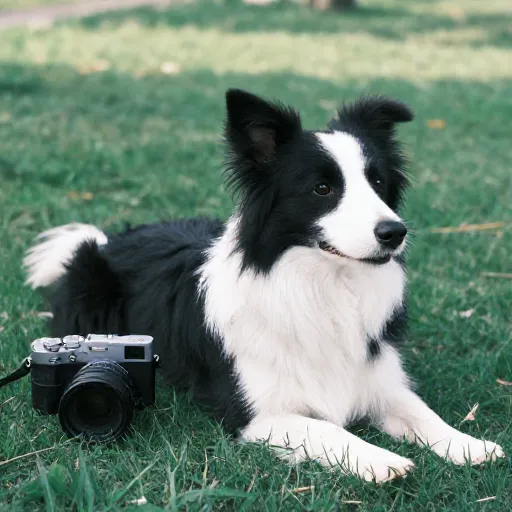
The eyes are the window to the soul, and for dogs, they are the heart of the photo. If the eyes are sharp, the rest of the image can be soft and dreamy. If the eyes are blurry, the whole shot is a miss. Set your camera’s autofocus to single-point mode and place that point right on the eye closest to you. This ensures the focus is tack-sharp where it matters most.
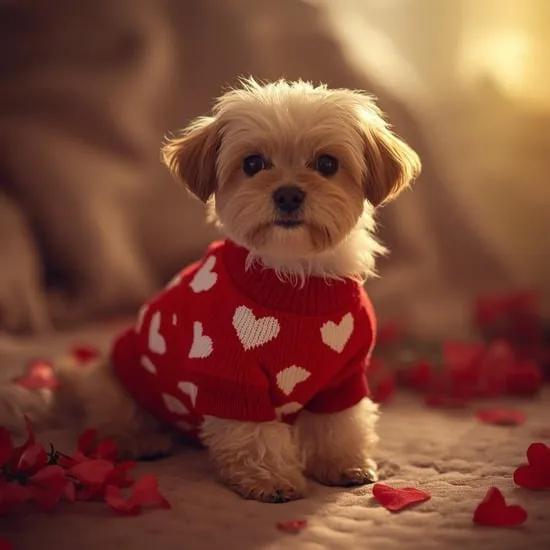
Don’t be afraid to shoot wide open (like f/2.8 or f/1.8) to blur the background. That creamy bokeh effect makes those puppy eyes pop even more. It adds a professional touch that instantly elevates a simple snapshot.
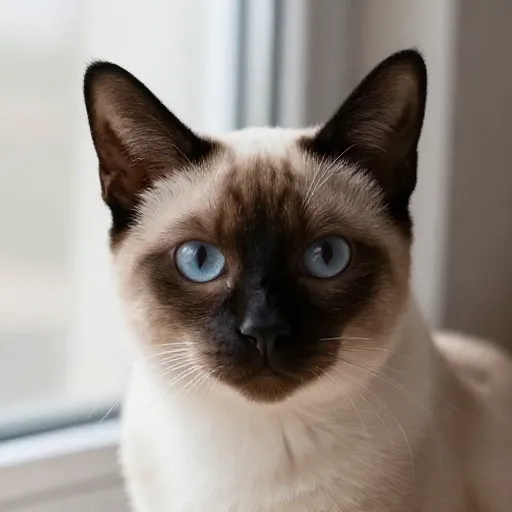
3. Use a Treat Magnet (and Sound)
You can’t force a dog to look at the camera. You have to lure them. Hold a high-value treat right next to your lens. The second they look at it, snap the shot. This works wonders for getting that perfect head-on gaze. But the real secret? Use a squeaky toy or a funny noise right after they look away. That surprised ear perk or head tilt is pure gold.
Mix it up. Have a friend stand behind you with a squeaky duck. The unpredictable noises create genuine expressions. Those candid moments of confusion or excitement are often way better than a forced stare.
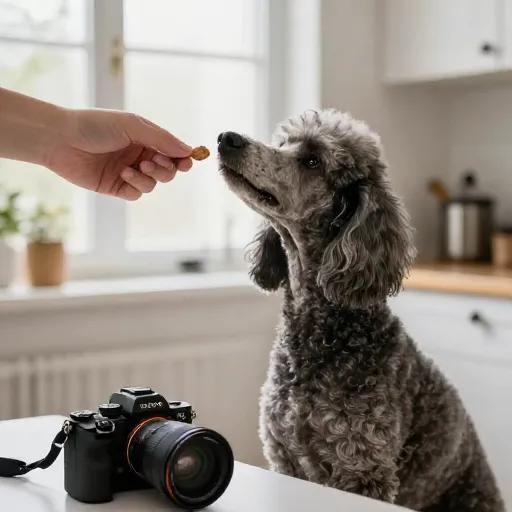
4. Chase the Golden Hour
Harsh midday sun creates harsh shadows on your dog’s face and makes them squint. The best light is the soft, warm glow right after sunrise or before sunset. This “golden hour” light is flattering, adds a warm tone to their fur, and creates gorgeous catchlights in their eyes. It makes everything look dreamy and ethereal.
If you can’t shoot at those times, look for shade. Under a tree or beside a building, the light is softer and more even. It reduces contrast and prevents those ugly hot spots on their nose. Shade is your best friend when the sun is high.
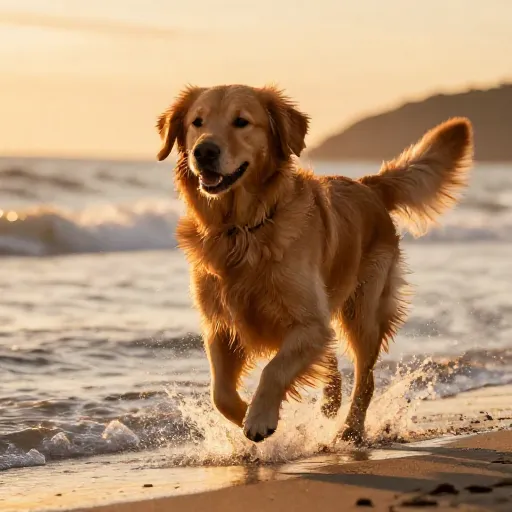
5. Action Shots: The Panning Trick
Dogs are fast. If you want to freeze them mid-run, you need a fast shutter speed (1/1000 or higher). But if you want to show the speed, try panning. Follow your dog with your camera as they run past you, keeping them in the frame while moving your body smoothly. Use a slower shutter speed (like 1/60).
The result? A sharp dog with a beautifully blurred background that screams “motion.” It takes practice, but it is so worth it. Keep your elbows tucked in and pivot from your waist. It feels like a dance, and the images look like they belong in a magazine.
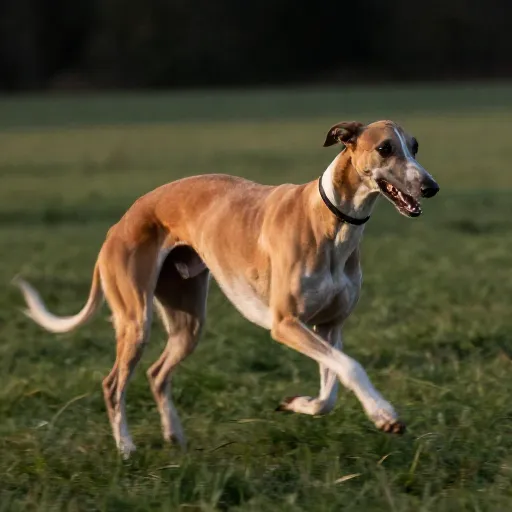
6. The “Leave It” Command for Better Poses
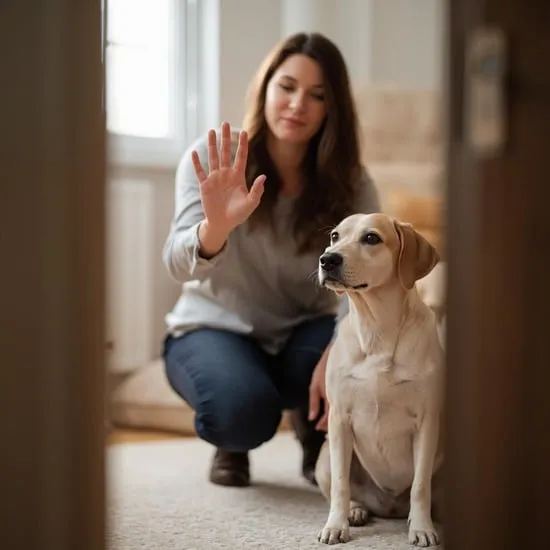
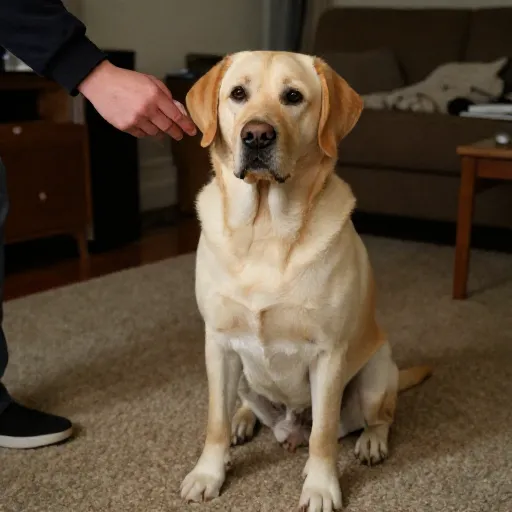
This is a game-changer for getting those calm, regal portraits. Tell your dog to “sit” and “stay,” then place a treat on the ground a few feet away. Tell them to “leave it.” They will be locked in on that treat, but their body will be perfectly still. This gives you a few precious seconds to compose your shot.
It also creates a beautiful tension in their posture. They look alert, focused, and majestic. It’s way better than a dog sniffing the ground or trying to jump on you. Just make sure you give them the treat after you get the shot!
7. Don’t Forget the Details
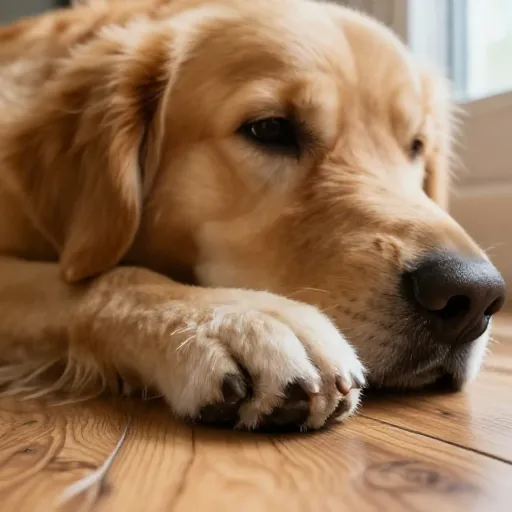
Zoom in on the little things. A close-up of their wet nose, their fluffy paws, or the way the wind blows their ears back. These macro-style shots tell a story that a full-body shot can’t. They capture the texture and personality of your specific dog. These are often the photos you cherish most later on.
Look for the unique markings in their fur or the way their tail curls. These details are what make your dog different from every other dog in the world. Show them off. It adds a beautiful variety to your photo gallery.
8. Shoot in Burst Mode
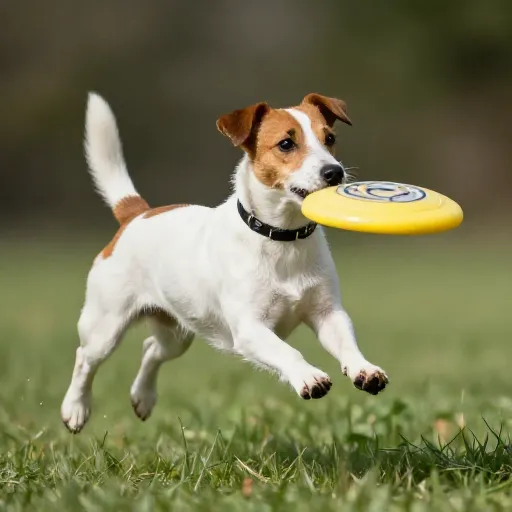
Stop trying to take the perfect single shot. It’s a trap. Instead, hold down the shutter button and fire off a burst of 5-10 frames in a row. This is the only way to capture that perfect mid-air jump, the tongue-out moment, or the adorable ear flip. You can sort through the frames later and pick the sharpest, most expressive one.
Even when they are sitting still, a burst is helpful. Dogs twitch, blink, and sneeze at the worst moments. Taking a rapid sequence ensures you have at least one clean frame without a weird blurry snout. It’s like a safety net for chaos.
9. Incorporate Their Favorite Toy
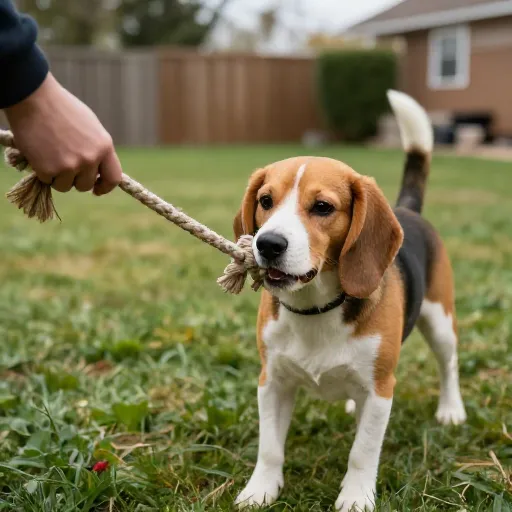
Not every photo needs to be a glamour shot. Include a slobbery tennis ball or a ragged rope toy. It adds a sense of playfulness and captures their true spirit. A photo of a dog proudly holding their favorite toy is a portrait of their personality. It’s a story about what they love.
You can also use the toy to get their attention. Toss it up in the air and catch it yourself. Their head will tilt and their eyes will widen. That look of pure anticipation is priceless. It’s authentic and fun, which is what pet photography is all about.
10. Patience is Your Best Lens
You will take a hundred bad photos for every good one. That is normal. Don’t get frustrated if your dog is not cooperating. Take a break, play with them, and let them be a dog. The moment you relax and stop forcing it, the magic happens. They sense your stress.
Keep your camera out and ready, but don’t put pressure on the session. Some of the best shots happen when you are just sitting on the grass, chatting, and they wander over to check on you. Be ready for that moment of quiet affection. It’s the most genuine shot you’ll ever take.
Wrapping It Up
Photographing our furry friends is a joyful challenge. It’s about capturing the floppy ears, the zoomies, and the unconditional love in their eyes. With these secrets in your back pocket, you are ready to ditch the blurry phone snaps and create images that you’ll print and frame.
Get down low, be patient, and keep those treats handy. Your dog is the perfect model—quirky, unpredictable, and full of love. Now go out there and capture their beautiful chaos. Happy shooting!
Frequently Asked Questions
What is the best camera setting for moving dogs?
You want a fast shutter speed to freeze the action. Start with 1/1000th of a second or faster. Use a continuous autofocus mode (like AI-Servo on Canon or AF-C on Nikon) so the camera keeps tracking your dog as they run.
Can I take good photos with just my phone?
Absolutely! The best camera is the one you have with you. Use the “portrait” mode for that blurred background effect. Tap on your dog’s face on the screen to lock focus and adjust the exposure. Hold the phone steady and get low to the ground.
How do I get my dog to look at the camera?
Hold a treat or a squeaky toy right next to the lens. The moment they look, snap the photo. You can also have someone stand behind you and make funny noises to get that curious head tilt.
Why are my photos blurry?
Usually, it’s a slow shutter speed. If your shutter is too slow (like 1/60), any slight movement will cause blur. Try to increase the shutter speed or use a “sport” mode. Also, make sure you are holding the camera steady against your body.
Is it better to shoot inside or outside?
Outside is generally easier because there is more natural light. If you shoot inside, go near a large window. The soft, diffused window light is gorgeous and flattering for their fur. Just avoid using the harsh flash, which can cause red-eye and wash out colors.