12 Smart Dog Run Ideas for Your Side Yard That Actually Look Good
Let’s be real for a second. That narrow strip of grass running alongside your house? It’s probably the most ignored part of your property. It’s too tight for a patio set, too shady for a real garden, and honestly, it just sits there looking sad.
But if you have a dog, that skinny side yard is pure gold. It’s the perfect spot to build a dedicated dog run—a safe, enclosed space where your pup can zoom, sniff, and do their business without you having to suit up for a walk every single time. I’ve spent way too many weekends researching and testing layouts in my own narrow backyard, and I’ve learned that the secret is making it work for your space, your dog’s energy level, and your sanity (because nobody wants to stare at an ugly gravel pit from the kitchen window).
Here are 12 smart, practical dog run ideas that are equal parts functional and good-looking. Whether you have a tiny 4-foot gap or a long, sunny stretch, there’s a solution here that you can actually build this weekend.
1. The Classic Gravel Run with a Border
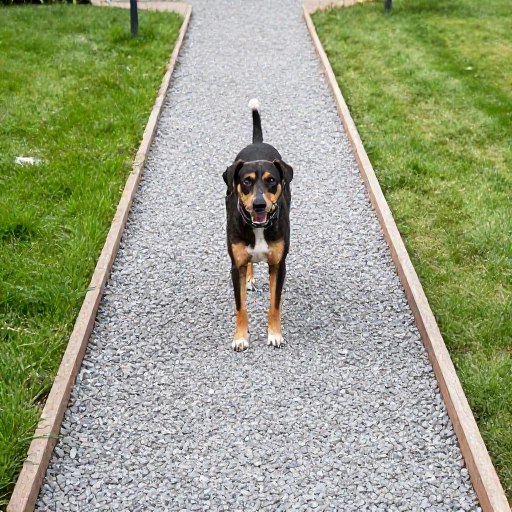
Gravel is the undisputed champion of dog runs. It drains well, doesn’t get muddy, and doesn’t get destroyed by digging paws like grass does. But dumping a pile of rocks against your siding looks terrible. The fix? A crisp, defined border.
Use metal edging or pressure-treated lumber to create a clean line between the gravel and your lawn or flower beds. This keeps the stones in place and gives the whole side yard a tidy, intentional look. Plus, it stops the gravel from washing out into your driveway every time it rains.
For the gravel itself, I recommend pea gravel or a smaller crushed stone. It’s easier on your dog’s paws than sharp, large rocks. Lay down a landscaping fabric barrier first to prevent weeds from pushing through.
2. Artificial Turf Over a Drainage Layer
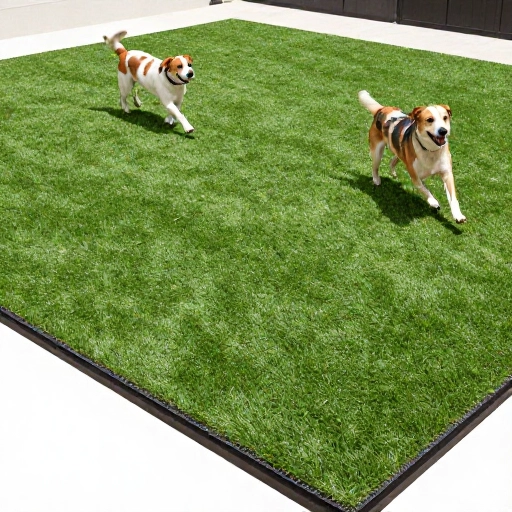
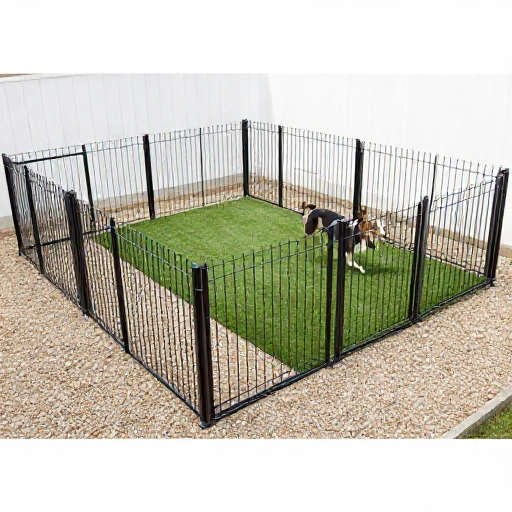
I know, I know. Artificial grass gets a bad rap. But in a narrow side yard, it is a miracle worker. It looks lush and green all year, it never gets muddy, and you never have to mow it. The trick is doing it right.
Don’t just lay fake grass directly on dirt. You need a compacted base (like crushed stone) and a layer of rubber infill to help with drainage and cushioning. This is especially important for male dogs who like to lift a leg on the fence—the drainage layer stops the smell from building up.
Cleanup is a breeze. Just hose it down or use a dog-safe enzymatic cleaner to neutralize any spots. Your side yard will finally look like a manicured garden instead of a forgotten wasteland.
3. The Shaded Tunnel for Hot Climates
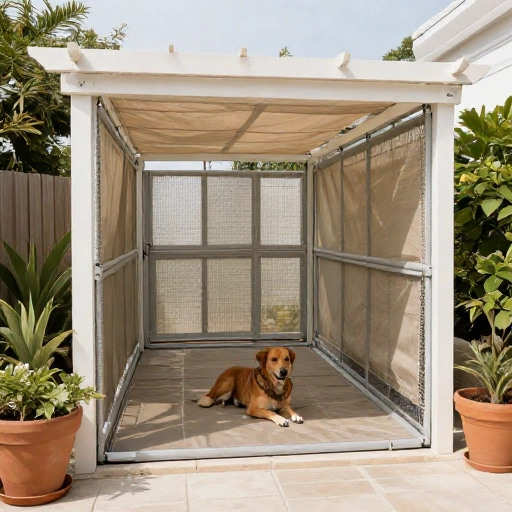
If your side yard gets blasted by the afternoon sun, a basic run is a heat trap. Concrete and gravel absorb heat, making it uncomfortable for your pup’s paws. The smart move is to build a shade structure right into the run.
Consider a simple shade sail stretched diagonally across the top of the run. They’re cheap, easy to install, and look modern. Alternatively, you can plant a fast-growing vine (like honeysuckle or jasmine) along the fence line to create a natural, leafy canopy.
Don’t forget the water. Even with shade, you need a heavy-duty, tip-proof water bowl bolted to the fence or a wall-mounted automatic waterer. This keeps things cool and prevents the bowl from being flipped over in a fit of zoomies.
4. Paver Stones with Grass Gaps
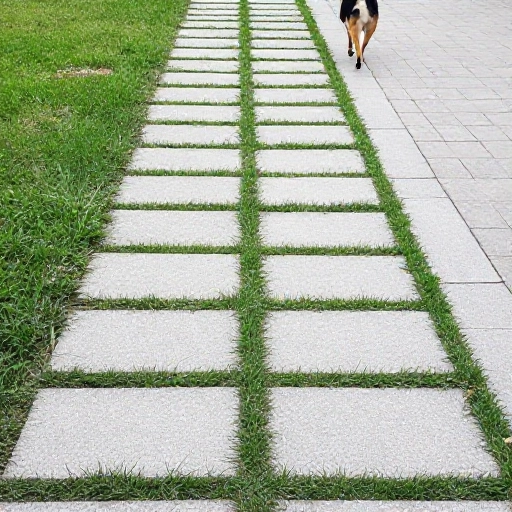
This is my favorite “best of both worlds” option. It looks like a high-end patio, but it’s actually a functional dog run. You lay down square pavers in a checkerboard pattern, leaving gaps where you plant grass or creeping thyme.
The pavers provide a solid, non-muddy walking path for your dog (and for you when you’re picking up after them), while the grass gaps offer a soft, cool spot for them to lie down and sniff. It breaks up the monotony of a solid hardscape.
This design also drains incredibly well. Rainwater seeps through the grass gaps into the soil below, so you won’t get giant puddles. It’s a bit more work to install, but the final look is worth it—it feels like a garden feature, not just a kennel.
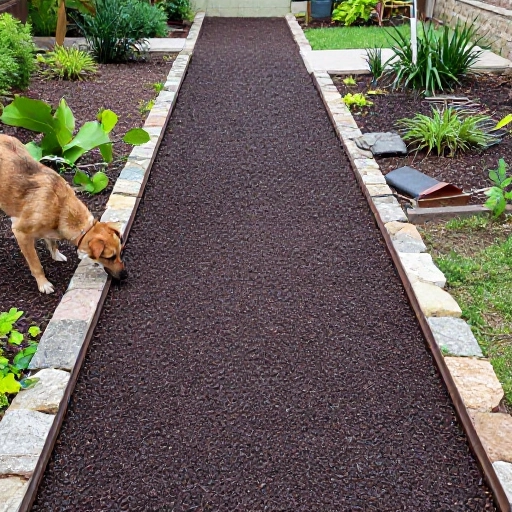
5. The Recycled Rubber Mulch Path
If your dog is a senior or has joint issues, hard surfaces like concrete are a no-go. Recycled rubber mulch is the answer. It looks like wood chips but has a springy, forgiving texture that’s easy on aging joints.
It doesn’t decompose, so you don’t have to replace it yearly. It also doesn’t harbor fleas or ticks like organic mulch can. The best part? It comes in various colors (usually brown, black, or red) so you can match it to your home’s exterior.
Just make sure to put a solid weed barrier underneath, as rubber can be a pain to pull weeds out of. It’s a low-maintenance, high-comfort choice that your dog will appreciate on their daily patrols.
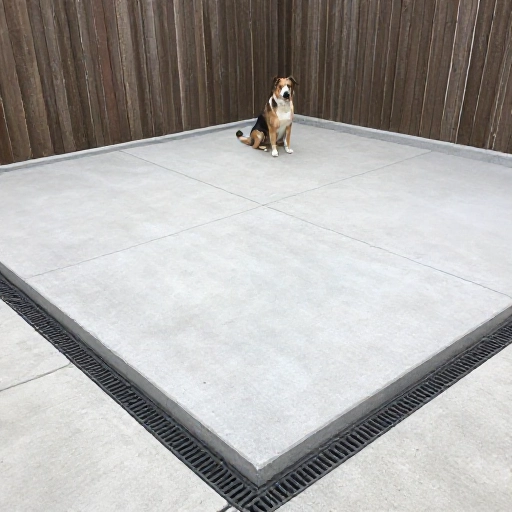
6. A Concrete Pad with a Drain
This is the ultimate low-maintenance option. If you have a water hose and a drain, you can simply wash everything away. It’s the closest thing to a doggy car wash you can get in your backyard.
Pour a slightly sloped concrete slab that directs water toward a channel drain or a storm drain. This keeps the area dry and prevents the “wet dog” smell from lingering in the soil. It’s also super easy to disinfect.
To make it look nicer, you can stamp or texture the concrete, or use a stain to give it a decorative finish. It’s utilitarian, yes, but with a little effort, it can look like a clean, modern outdoor room.
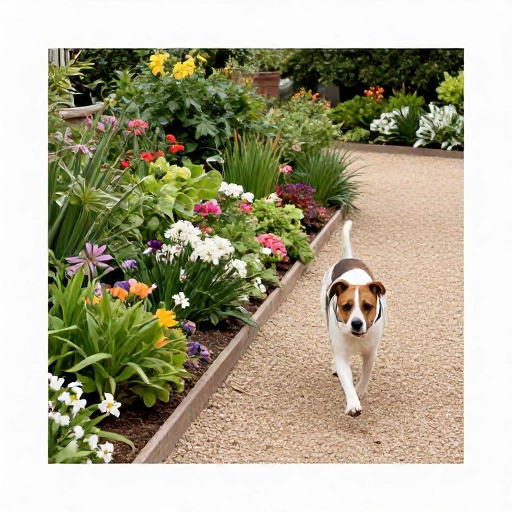
7. The “Dog-Run-in-a-Garden” Border
You don’t have to sacrifice your landscaping for a dog run. Instead of making the run the entire side yard, just create a defined path down the middle and plant hardy shrubs and flowers on either side.
Use tough, non-toxic plants that can handle a little roughhousing. Think ornamental grasses, lavender, or marigolds. The dog gets a corridor to run, but you still get a beautiful, green side yard. It breaks up the long, narrow feeling of the space.
The key is to keep the plant bed edges protected with a low fence or edging so your dog doesn’t decide the new hydrangeas are a chew toy. This creates visual interest and makes the run feel like a part of the landscape, not an afterthought.
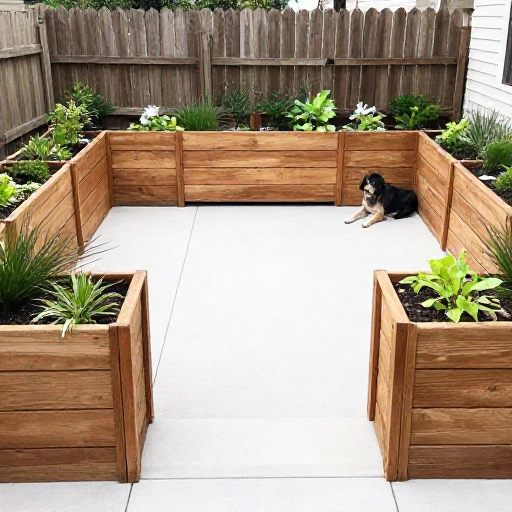
8. Above-Ground Planter Boxes
If your side yard is prone to flooding or sits directly on a concrete base (like a carport), you can still have a great dog run. Build or buy tall, raised planter boxes to line the fence.
These planters serve two purposes: they add a pop of green to a hardscape area, and they act as a visual barrier so your dog isn’t staring at the neighbor’s fence all day. You can even plant dog-safe herbs like mint or rosemary.
They also give your dog something interesting to sniff. Dogs love exploring new scents, so a rotating selection of plants keeps their brain engaged and reduces boredom-induced barking. Just make sure the planters are secure and can’t be tipped over by a determined digger.
9. The Two-Zone Run
Dogs need different surfaces for different activities. A high-energy dog might want a hard, fast track for zoomies, but they also need a soft, shaded spot to cool down. Building a two-zone run solves this.
Zone one is a hard, flat surface (pavers or gravel) where they can really stretch their legs and dig their claws in for traction. Zone two is a soft area with grass or pea gravel where they can roll around and lounge.
This is also practical for the owner. It gives you a clean, dry spot to stand when you’re putting on their leash, while they get a dusty, diggy spot to play in. It’s a simple concept, but it makes a huge difference in how often they actually use the space.
10. Hidden Gate Access
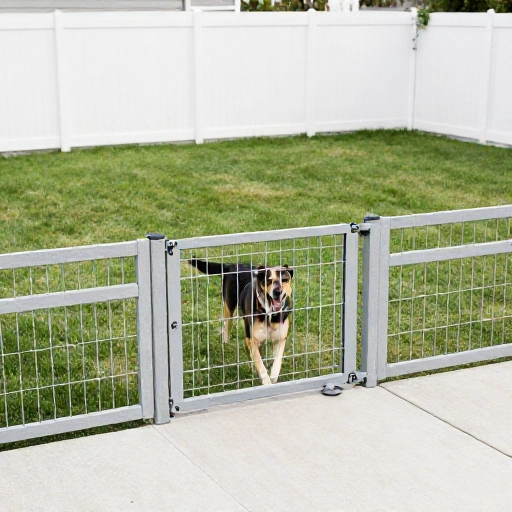
This is a design hack that will make you wonder why you didn’t think of it sooner. Instead of walking all the way around the house to let your dog out, install a small, dedicated dog door on the side of the house that leads directly into the run.
This cuts down on mud tracked through the kitchen. You can also add a secondary gate at the front of the run for when you need to bring them out for a walk. It creates a safe “airlock” system.
If you have a standard wooden fence, you can even install a small doggy door in the fence itself to give them access to the main backyard. This gives them the freedom to choose where they want to be without you having to supervise every transition.
11. The Sensory Dig Pit
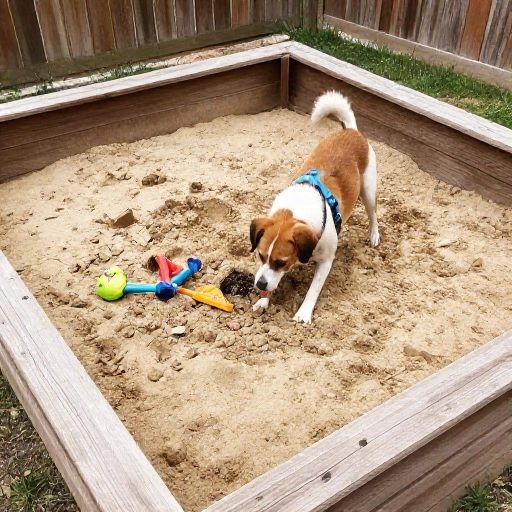
If your dog loves to dig, don’t fight it—give them a legal place to do it. Build a low, wooden sandbox or a designated area filled with soft play sand specifically for digging.
Bury some toys or treats in the sand to encourage them to use it. This saves your lawn and flower beds from destruction. It’s a behavioral solution that’s actually a design feature.
You can even add a small awning or a boulder in the middle of the pit for them to climb on. It becomes a playground rather than just a confined space. Just remember to cover it when it rains to keep the sand dry and prevent odors.
12. The Elevated Deck Run
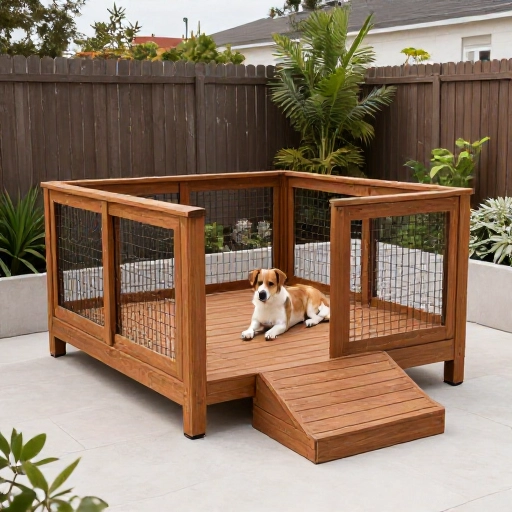
If your side yard is sloped or uneven, leveling the ground can be a nightmare. Instead, build a raised wooden deck platform that floats above the slope. This creates a flat, safe surface for your dog to run on.
It’s also great for keeping your dog clean. The gaps between the deck boards allow dirt and water to fall through, so your pup doesn’t end up covered in mud. It’s like a giant outdoor crate mat.
For a polished look, use composite decking that won’t splinter or rot. Add a railing around the perimeter to keep them safely contained. It’s a more expensive option, but if you have a tricky slope, it’s the smartest and safest way to use that space.
Final Thoughts: The Right Run Is the One They Use
Building a dog run isn’t just about confining your dog; it’s about giving them a space that’s genuinely theirs. A space where they can be a dog—running, sniffing, digging, and sunbathing—without you worrying about them escaping or wrecking the lawn.
Start with the surface, then think about shade and water, and finally, add a few personal touches like a toy box or a comfy bed. Pay attention to how your dog uses the space and adjust accordingly. If they love the sun, make sure there’s a sunny patch. If they hate the hose, skip the concrete pad. The best dog run is the one that fits your dog’s unique personality.
Frequently Asked Questions
Q: What is the best surface for a dog run?
A: It depends on your dog. Pea gravel is the best all-rounder for drainage and digging. Artificial turf is best for looks and mess-free play. Concrete is easiest to clean but hard on joints.
Q: How big should a dog run be?
A: At minimum, it should be at least 3 times the length of your dog and 5 times their height so they can stretch out. For most medium dogs, a 6×10 foot space is a good start. The longer the better for zoomies.
Q: Can I put a dog run on grass?
A: You can, but be prepared for it to turn into mud quickly. Dogs wear down grass fast in a confined space. If you want grass, use a hardy sod and be ready to reseed often, or use a paver/grass mix.
Q: How do I stop my dog from barking in the run?
A: Boredom is the enemy. Make sure they have water, shade, and something to do. A dig pit or a puzzle toy can keep them busy. Also, make sure they can’t see the street or the neighbor’s dog, as visual triggers cause barking.
Q: Is it cruel to leave a dog in a run?
A: Not at all, as long as it’s not their only living space. A run is perfect for supervised play and potty breaks. It should never replace walks and interaction. Think of it as their own personal fenced-in yard, not a jail cell.