How to Keep Your Puppy Happy, Healthy, and Calm at Home (10 Simple Ideas That Work)
Bringing a puppy home feels like adding a tiny, adorable hurricane to your daily life. I remember thinking I needed to do everything perfectly—until I realized my puppy mostly needed safety, routine, and a human who was willing to laugh at the chaos.
Keeping a puppy happy, healthy, and calm at home isn’t about being strict or spending a fortune. It’s about small daily choices that add up: good sleep, gentle training, play, and a space that feels like theirs. Here are the ideas that made the biggest difference for us.
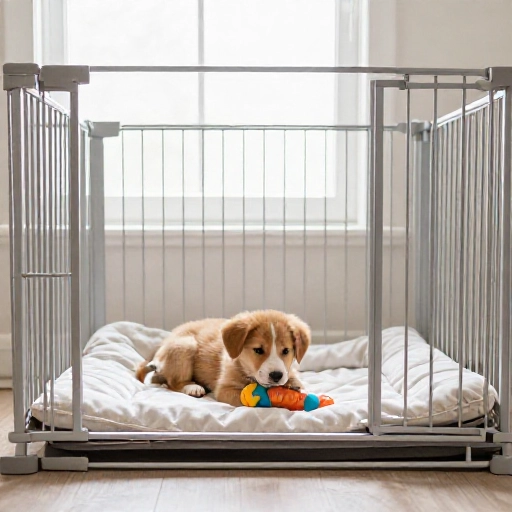
1. Create a Cozy Puppy Zone They Can Call Their Own
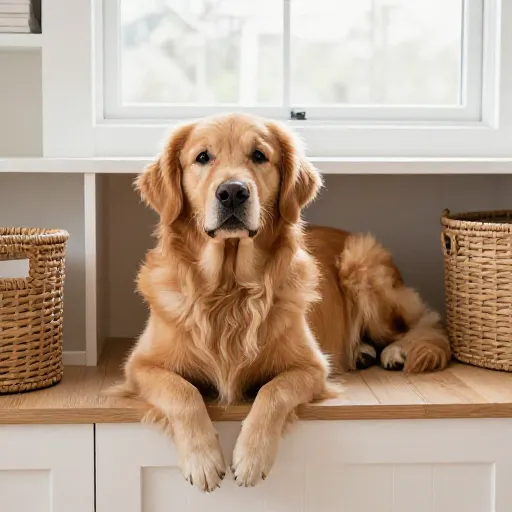
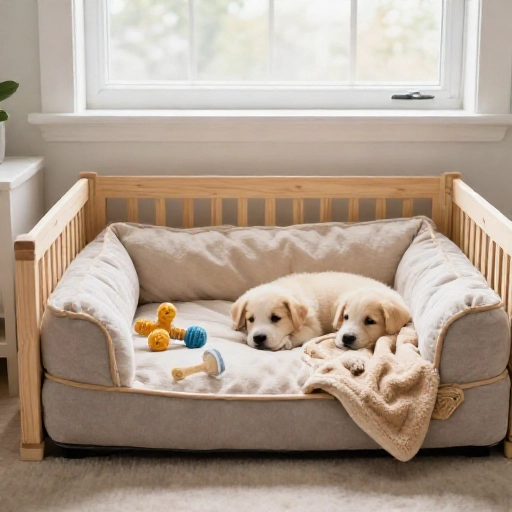
Puppies get overwhelmed fast. A crate, pen, or corner with a soft bed, a couple of safe toys, and a water bowl gives them a place to reset when the world feels too big.
I keep our puppy’s zone near where we hang out, so he doesn’t feel isolated. But I also drape a light blanket over one side of the crate to make it feel den-like. That little cave effect helps him settle much faster.
Don’t use this space as punishment. Send your puppy there with a treat or a chew toy so it becomes a happy habit, not a timeout. When he chooses to nap there on his own, that’s a win.
2. Stick to a Gentle Routine (Even on Busy Days)
Puppies don’t need a military schedule, but they do thrive on predictability. Feeding, potty breaks, naps, and playtime at roughly the same times each day help them relax because they know what’s coming next.
My non-negotiable anchors are morning potty, breakfast, a mid-day nap, dinner, and a calm evening wind-down. The rest of the day can be flexible. That balance keeps life realistic for me and comforting for him.
If your puppy gets extra wild in the evening, try moving dinner a little earlier or adding a quiet chew session before bed. A tired-but-not-overtired puppy is a much calmer puppy.
3. Burn Energy with Short, Focused Play Sessions
A bored puppy will find something to do—and it’s usually your shoes or baseboards. But long, intense play can also create a hyper puppy who can’t switch off.
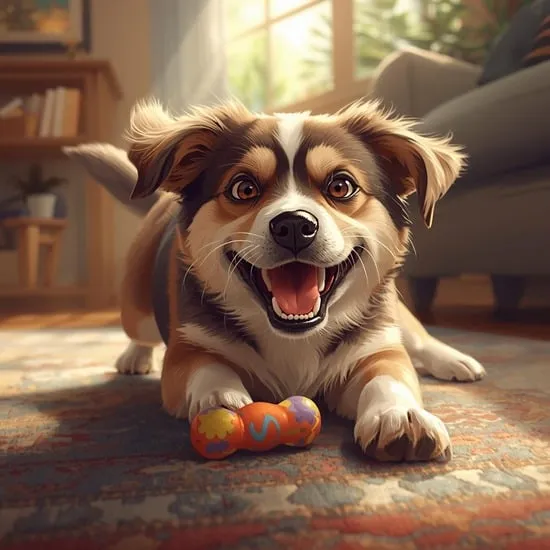
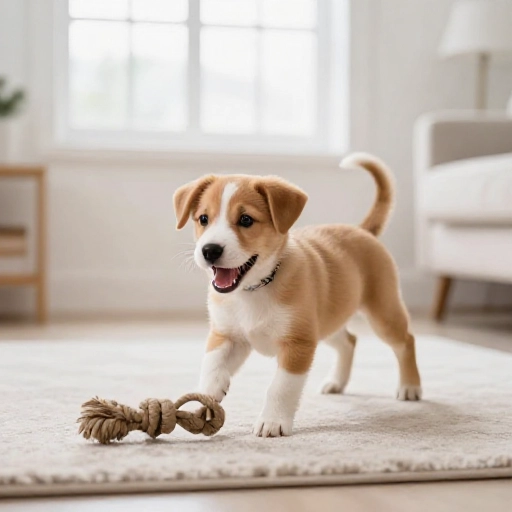
I aim for several short play blocks instead of one giant marathon. Five to ten minutes of fetch, tug, or a flirt pole usually gives my puppy enough movement to feel satisfied without turning into a tiny shark.
End play before your puppy gets completely out of control. A quick cool-down with a chew toy or a puzzle feeder helps them transition from play mode to calm mode. That off-switch is a skill, and it needs practice.
4. Make Mealtime Calm and Predictable
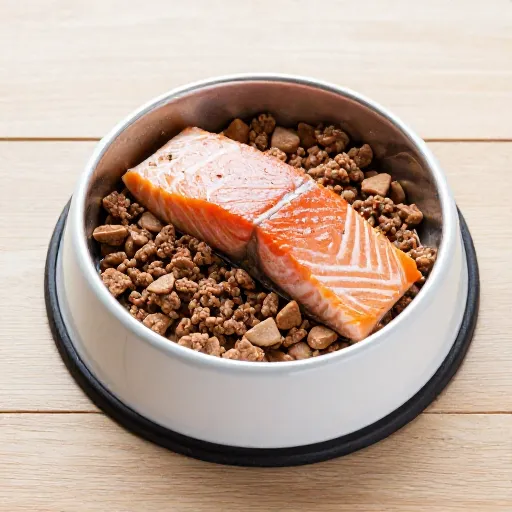
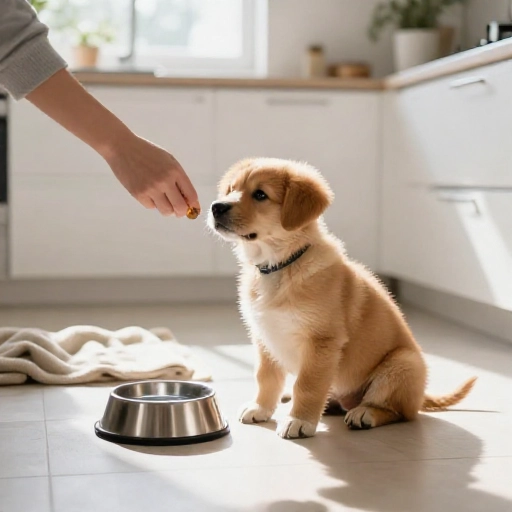
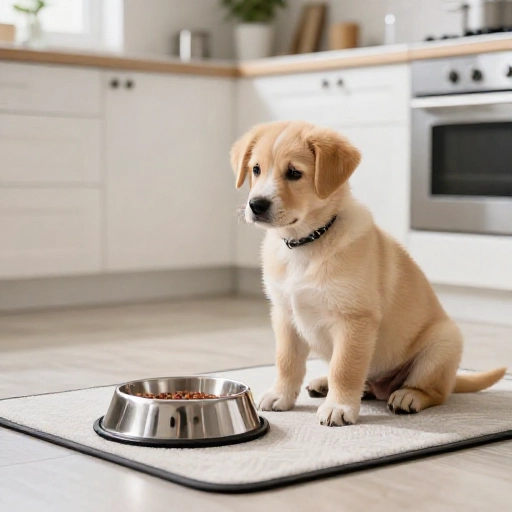
Mealtime can either be a race or a ritual. I prefer ritual. I ask my puppy to sit and wait for a second before I put the bowl down. It’s a tiny moment of impulse control that sets a calm tone.
For fast eaters, a slow feeder or a snuffle mat can turn gulping into a soothing brain game. It also helps with digestion and gives your puppy something positive to focus on.
If your puppy gets pushy or vocal around food, don’t panic. Just slow down, use a consistent phrase like “wait,” and reward the quiet behavior. Healthy eating habits start with a relaxed environment.
5. Start Basic Training with Tiny Wins
Training isn’t just for obedience—it’s one of the best ways to build confidence and calm. Short sessions of five minutes or less are perfect for a puppy’s attention span.
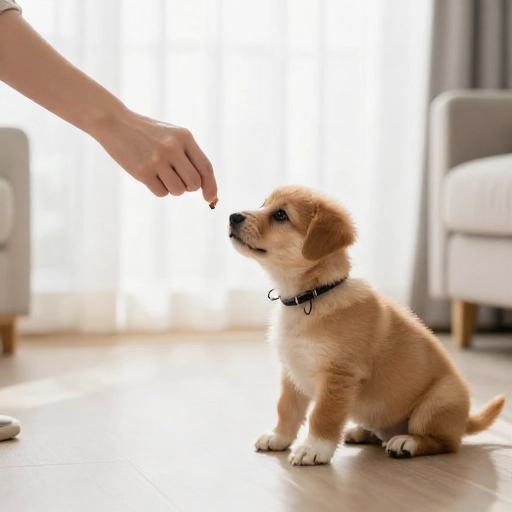
I focus on sit, down, come, and a solid “leave it.” These simple cues keep my puppy safe and give us a shared language. When he gets something right, I reward right away with a treat, praise, or a quick play moment.
Keep it light. If you’re frustrated, your puppy feels it. End on a success, even if that success is just a good sit. Happy training creates a happy learner.
6. Socialize Without Overwhelming Them
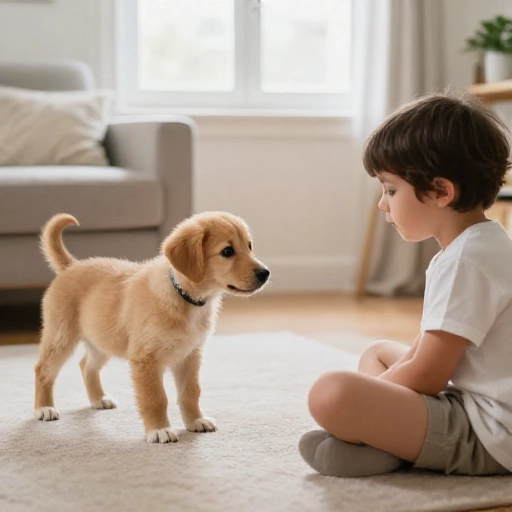
Socialization doesn’t mean throwing your puppy into a crowded party. It means gentle exposure to new sights, sounds, people, and surfaces at a pace they can handle.
I started with quiet walks, car rides, and short visits from calm friends. I let my puppy approach when he was ready and never forced interactions. Choice builds confidence.
Watch for signs of stress like tucked tail, yawning, lip licking, or trying to hide. If you see them, create distance and try again later. A few good experiences beat a hundred overwhelming ones.
7. Teach Alone Time Slowly
Every puppy needs to learn that being alone is safe. I started with just a few seconds—stepping out of the room while my puppy had a chew toy, then returning before he got worried.
Over time, I stretched those moments to minutes. I kept departures boring: no long goodbye, no big emotional reunion. Calm exits and calm returns teach your puppy that nothing dramatic is happening.
A special alone-time toy, like a stuffed Kong, can help a lot. It gives your puppy a job to do while you’re gone. If your puppy panics, go back a step and make alone time shorter and easier.
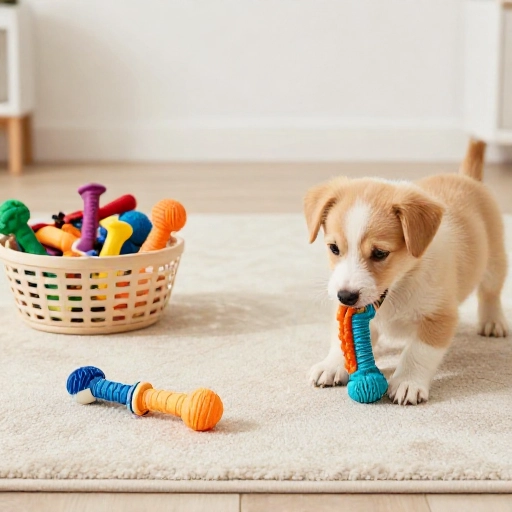
8. Keep Chew Toys and Teething Relief Handy
Teething is real, and it can make even the sweetest puppy cranky. I keep a basket of safe chews, rubber toys, and frozen treats in every room so I can redirect chewing before it becomes a bad habit.
Hard chews can break teeth, so I choose toys that have a little give. Frozen carrots, puppy-safe teething rings, and stuffed food toys are favorites in our house.
When my puppy starts nipping, I swap my hand for a toy and praise him for chewing the right thing. Consistency matters more than perfection. A comfortable puppy is a much calmer puppy.
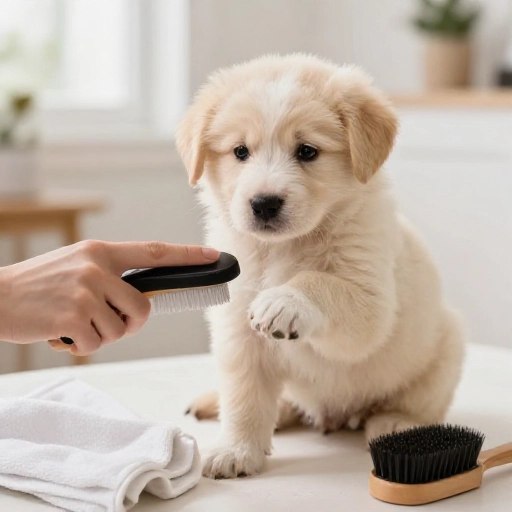
9. Groom, Touch, and Handle for Health
Healthy puppies need more than food and play. Gentle handling—touching paws, ears, and mouth—makes vet visits and grooming less scary later on.
I do short, positive touch sessions with treats. One day I touch a paw, the next I check an ear. I keep it brief and stop before my puppy pulls away. This builds trust and makes care easier for both of us.
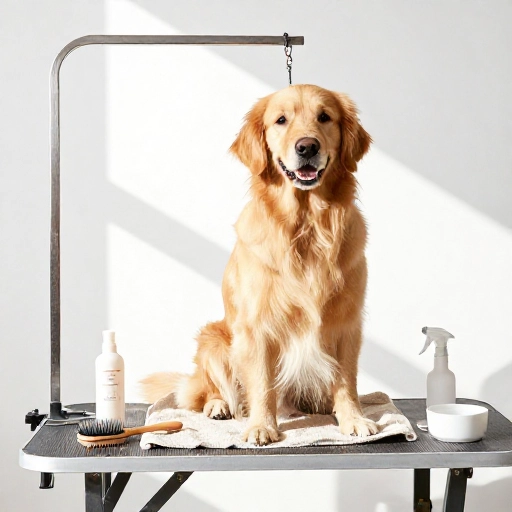
Regular brushing, nail checks, and dental care are also great bonding moments. If your puppy seems sore or unusually resistant, check with your vet. Staying on top of health keeps their mood and energy steady.
10. Watch for Stress Signals and Reset the Day
Puppies tell us a lot with their bodies. Excessive pacing, whining, panting when it’s not hot, or refusing food can all mean they’re overwhelmed. I’ve learned to pause and look at what happened right before.
Sometimes the fix is simple: less noise, a potty break, a nap, or some quiet time in their cozy zone. Other times it’s about changing my own energy. If I’m rushed and tense, my puppy usually matches it.
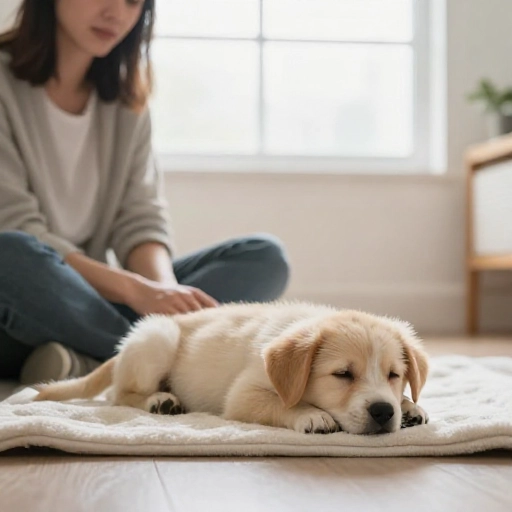
A reset can be as small as dimming the lights, putting on soft music, or sitting on the floor for slow pets. Calm is contagious—and so is chaos. I try to be the calm I want to see.
Final Thoughts
Keeping your puppy happy, healthy, and calm at home is really about connection. You don’t need to be perfect. You just need to pay attention, stay consistent, and adjust when something isn’t working.
Start with one or two ideas from this list. Build from there. Before you know it, your puppy will feel safer, your home will feel smoother, and those wild puppy moments will come with a lot more cuddles and a lot less chaos.
FAQ: Puppy Happiness, Health, and Calm at Home
How much sleep does a puppy need?
Most puppies need 16 to 20 hours of sleep a day. If your puppy gets bitey, zoomie, or fussy, a nap is often the answer.
How do I stop my puppy from chewing everything?
Manage the environment, keep safe chews nearby, and redirect to a toy every time. Praise them when they choose the right thing.
What are signs my puppy is stressed?
Lip licking, yawning, tucked tail, hiding, pacing, and refusing treats are common signals. Remove them from the stressful situation and offer a calm space.
Can I leave my puppy alone while I work?
Start with very short absences and build up slowly. A safe space, a potty break before you leave, and a food toy can help. Young puppies can’t hold it for long, so plan accordingly.
How do I keep my puppy calm without ignoring them?
Meet their basic needs first: sleep, potty, food, play, and safe chewing. Then reward calm behavior with quiet praise or a treat. You’re teaching them that relaxing is just as rewarding as being wild.