Human Foods Dogs Can Eat vs. Can’t Eat: A Simple Guide for Pet Parents

We’ve all been there—you’re chopping up some veggies or snacking on something tasty, and those big puppy eyes are locked on you from across the room. It’s so tempting to slip your fur baby a bite, but wait! Not every food that’s good for us is good for them. Some are totally fine, while others could send you straight to the emergency vet.
I’ve been a dog mom for over a decade, and I’ve made my fair share of mistakes in the kitchen. That’s why I put together this simple, honest guide to help you know exactly which foods get the green light and which ones should stay far away from your pup’s bowl. Keep this handy—it might just save you a scary trip to the vet.
1. Peanut Butter: The All-Time Favorite
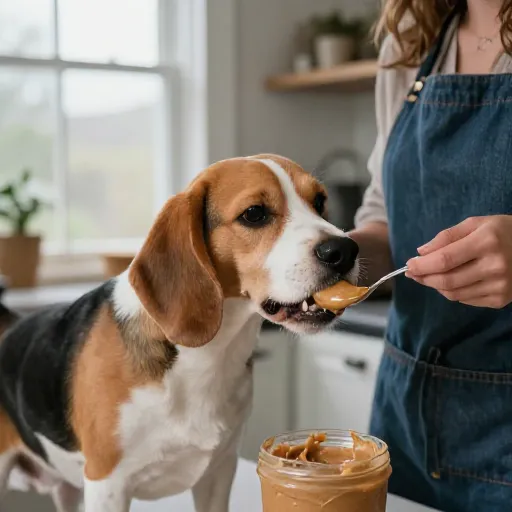
Good news! Most peanut butter is totally safe for dogs, and it’s packed with protein and healthy fats. It’s perfect for stuffing inside a Kong toy or hiding a pill in. My own pup goes absolutely nuts for a spoonful of the creamy stuff.
But here’s the catch—you need to check that label. Many peanut butters contain xylitol, an artificial sweetener that’s extremely toxic to dogs. Even a tiny bit can cause a dangerous drop in blood sugar. Stick to natural peanut butter with just peanuts (and maybe a little salt) as the only ingredients.
- Safe: Plain, unsalted peanut butter
- Never: Peanut butter with xylitol or added sugar
2. Apples: A Crunchy, Sweet Treat
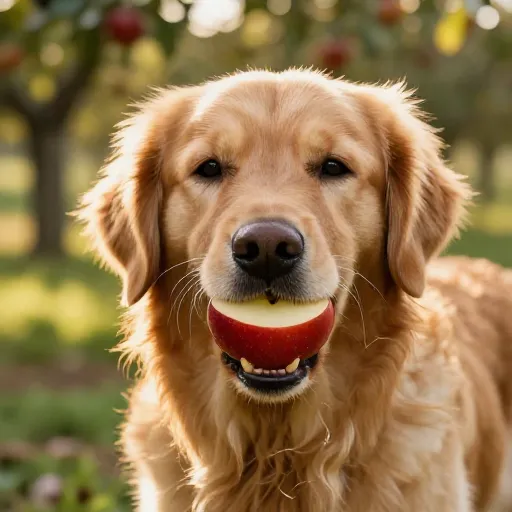
Apples are honestly one of my favorite snacks to share with my dog. They’re loaded with vitamins A and C, plus fiber, and they’re low in protein and fat, which makes them a great option for senior dogs or pups watching their weight. The crunch also helps clean teeth naturally!
Just make sure you remove the core and seeds before sharing. Apple seeds contain a compound that releases cyanide when chewed, and while a few seeds probably won’t cause a problem, why risk it? Slice the apple into pieces and skip the skin if your dog has a sensitive stomach.
3. Grapes and Raisins: Absolutely Off Limits
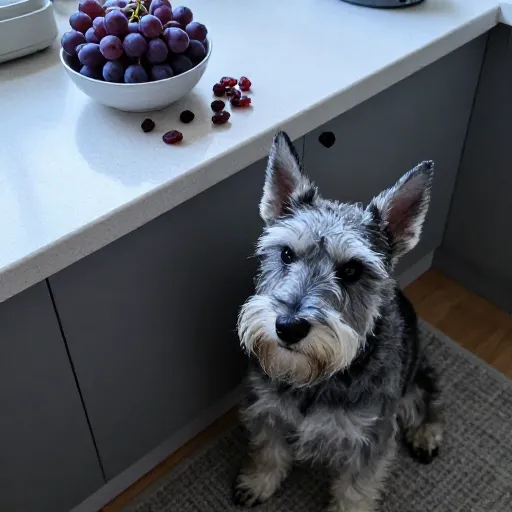
Okay, let me be super clear here—grapes and raisins are a huge NO for dogs of any breed or size. Even a small handful can cause sudden kidney failure, and the scary part is that some dogs react after just one or two grapes. The exact toxin is still unknown, which makes it even more dangerous.
Symptoms of grape poisoning include vomiting, diarrhea, and lethargy within a few hours. If you even suspect your dog ate a single grape or raisin, call your vet right away. Don’t wait for symptoms to show up. This is one of those foods where prevention beats everything.
4. Carrots: Nature’s Dental Stick
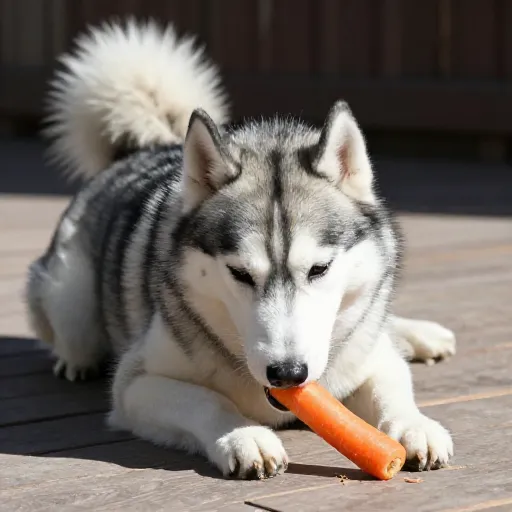
Carrots are a fantastic low-calorie snack that most dogs absolutely love. They’re full of beta-carotene, which converts to vitamin A, and they’re great for your pup’s teeth. The crunch factor actually helps scrape away plaque and freshen breath. It’s like a natural toothbrush!
I like to give my dog raw carrot sticks as a mid-day snack, but baby carrots work too. For smaller dogs or aggressive chewers, you can steam them lightly to soften them up. Just skip the butter, salt, or any dips—plain is perfect.
5. Chocolate: The Classic Danger
Here’s the one we all grew up hearing about, and it’s completely true. Chocolate contains theobromine and caffeine, both of which dogs can’t metabolize properly. Dark chocolate and baking chocolate are the most dangerous, but milk chocolate is still risky. The result? Vomiting, seizures, tremors, and even death in severe cases.
The good news is that the occasional small piece of milk chocolate might only cause an upset stomach. But the safer rule is: never give your dog chocolate, period. Keep your candy bowls up high and remind guests not to share dessert. Your pup might give you the sad eyes, but they’ll be much safer for it.

6. Cooked Chicken: A Lean Protein Powerhouse
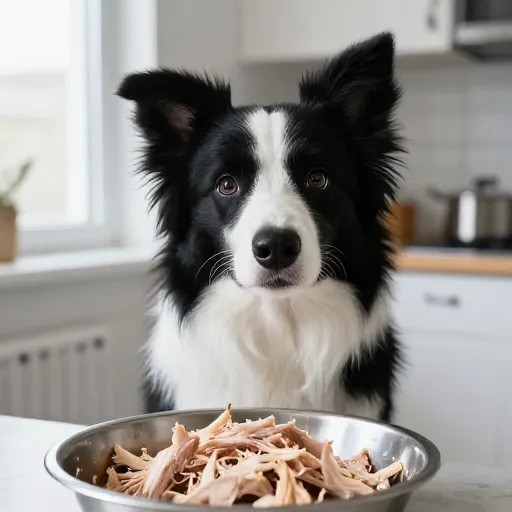
Plain, cooked, boneless chicken is one of the best human foods you can share with your dog. It’s lean, easy to digest, and makes a great training treat. I actually add shredded chicken to my dog’s kibble sometimes to make mealtime extra special. It’s a guaranteed tail-wagger.
The golden rule here is to keep it plain. That means no salt, no butter, no oil, and definitely no barbecue sauce or seasonings. Also, never give your dog cooked bones—they can splinter and cause serious internal damage. Boiled or baked chicken breast with zero seasoning is the way to go.
7. Onions and Garlic: Hidden Hazards
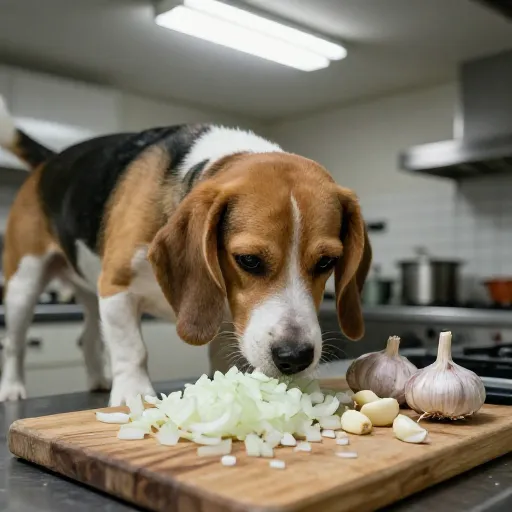
Onions and garlic, whether raw, cooked, powdered, or dehydrated, can damage your dog’s red blood cells and lead to anemia. The scary part? You might not notice symptoms right away—they can show up days after your dog eats them. That’s why it’s so important to check ingredient labels on everything.
This includes onion powder in baby food, garlic powder in seasonings, and even leftovers from your dinner plate. A tiny bit probably won’t cause a problem, but repeated exposure adds up. When in doubt, just keep these allium foods completely out of your dog’s reach.
8. Plain Yogurt: A Probiotic Boost
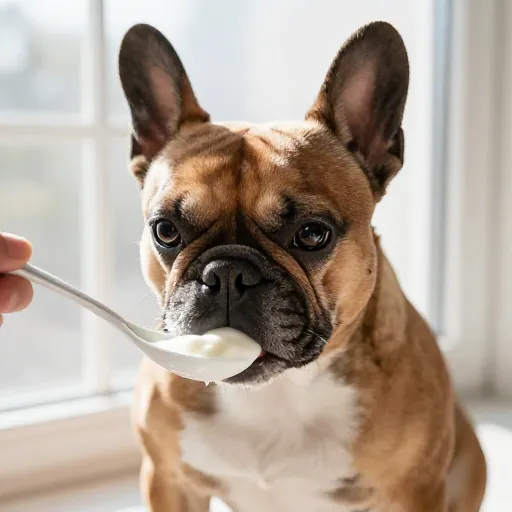
Plain yogurt is like a little gift for your dog’s tummy. It’s packed with probiotics that support digestion and calcium for strong bones. Most dogs love the tangy taste, and it’s a wonderful way to add some creamy texture to their regular food. I sometimes freeze yogurt in a small ice cube tray for a refreshing summer treat.
But wait—you need to choose carefully. Flavored yogurts are loaded with sugar and artificial sweeteners, which are bad news. Stick to plain, unflavored yogurt. Also, some dogs are lactose intolerant, so start with a small spoonful and watch how your pup reacts before making it a regular snack.
9. Avocado: Mostly a “No Thanks”
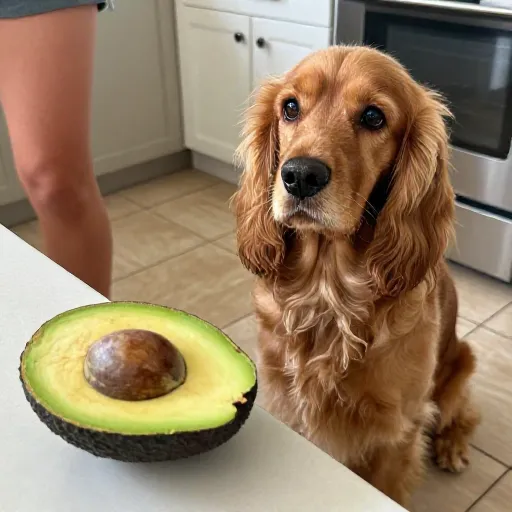
Avocados are trendy for humans, but they’re a bit tricky for dogs. The main concern is persin, a fungicidal toxin found in the avocado fruit, leaves, and pit. While dogs are more resistant to persin than other animals, it can still cause stomach upset and vomiting if they eat too much. Big problem though? The pit is a serious choking hazard and can block their intestines.
If your dog manages to snag a small bite of avocado flesh that fell on the floor, they’ll probably be fine. But I wouldn’t offer it intentionally. The fatty content can also trigger pancreatitis in some dogs. There are tons of other safe fruits and veggies out there, so why take the risk?
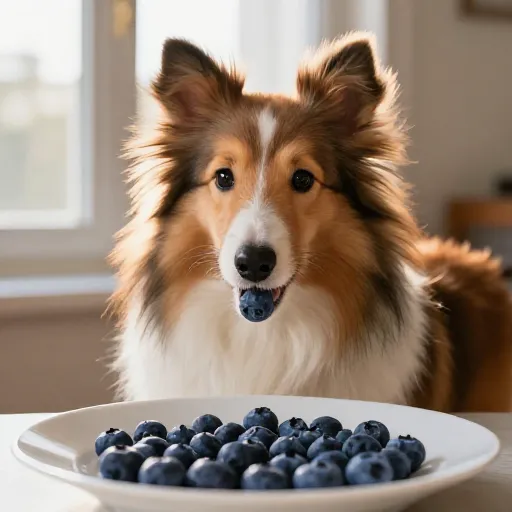
10. Blueberries: Tiny Superfoods
Blueberries are basically nature’s candy for dogs. They’re tiny, packed with antioxidants, and only contain about 15 calories per half-cup. They’re fantastic for training because they’re so small and easy to toss. Plus, they’re a great source of vitamins C and K, fiber, and free-radical fighters that support your dog’s immune system.
I love mixing a handful of blueberries into my dog’s dinner bowl or handing them out one by one as rewards. Frozen blueberries are especially nice on hot days—just make sure they’re small enough for your dog’s size, and for tiny pups, you can cut them in half. Safe, delicious, and totally wholesome!
Final Thoughts: When in Doubt, Leave It Out
Sharing food with your dog can be one of the most joyful parts of being a pet parent, but it comes with real responsibility. The safest approach is to stick to a small list of proven, dog-friendly foods and avoid anything questionable entirely. Your dog isn’t missing out—they’re perfectly happy with their own kibble and the occasional safe treat from your hand.
Remember, every dog is different. What works for one pup might not work for another, especially if they have allergies or health conditions. If you’re ever unsure about a specific food, a quick call to your vet is always worth it. And honestly, even the best list doesn’t replace a good old-fashioned vet check-up.
Keep this guide saved for the next time those puppy eyes come your way. It’s much easier to make the right choice when you’ve already planned it out. Happy snacking (safely) with your furry best friend!
Frequently Asked Questions (FAQ)
1. Can dogs eat bananas?
Yes! Bananas are safe and a healthy alternative to sugary treats. They’re high in potassium and low in sodium, but they also have a lot of sugar, so feed them in small moderation.
2. What should I do if my dog accidentally eats something toxic?
Don’t panic, but act fast. Call your veterinarian or an animal poison control hotline immediately. Try to note what and how much your dog ate, and don’t try to induce vomiting without professional guidance.
3. Are dairy products safe for dogs?
It depends. Some dogs handle plain yogurt and small amounts of cheese fine, while others are lactose intolerant. Start with tiny amounts, and if you see loose stools or gas, stop giving dairy entirely.
4. Can dogs eat eggs?
Yes, cooked eggs are great for dogs! They’re full of protein and amino acids. Just serve them plain—boiled or scrambled without oil, butter, or seasoning. Raw eggs, however, carry a risk of salmonella.
5. How do I introduce a new food to my dog?
Slowly and one at a time. Give a small piece and wait 24 hours to see if there’s any reaction like vomiting, diarrhea, or skin issues. This way, you’ll know exactly what causes a problem if one pops up.