How to Stop Excessive Barking: 10 Gentle, Practical Tips That Actually Work

If your dog barks at every leaf, passing car, or noise outside, you already know how exhausting it can be. I’ve been there too—standing at the window, whispering “please stop” while my pup goes full alarm mode. But here’s the thing: barking isn’t the problem itself. It’s your dog telling you something, and once you understand that, everything gets simpler.
The good news? You don’t need to shout, use harsh tools, or break your dog’s spirit. In this guide, I’m sharing ten little shifts that have helped me (and so many other dog owners) turn nonstop barking into calm, comfortable quiet. Let’s get right into it.
1. Understand Why Your Dog Barks (The Root Cause)
Barking is a form of communication. Maybe your dog is bored, anxious, excited, or just saying “hey, someone’s here!” Every bark has a reason, and your job isn’t to stop the barking—it’s to fix what’s causing it.
Spend a few days watching your dog’s triggers. Does it bark at the doorbell? Other dogs? When you’re on the phone? Keep a tiny mental list. When you know the “why,” each tip below becomes way more targeted.
Once you spot the pattern, you can start addressing the emotion behind the bark instead of the bark itself. That’s where true change begins.
2. Exercise: A Tired Dog Is a Quiet Dog
I can’t say this enough—so many behavior issues melt away with a tired body. A dog that’s been on a good walk or a game of fetch has way less anxious energy to burn on barking. Think of exercise as your first and most powerful reset button.
You don’t need hours at the dog park. A brisk 30-minute morning walk plus a quick sniff session in the yard can already make a big difference. Even better if you can do a short walk before any high-trigger time, like when you know the mail carrier usually comes.
Remember: breed matters. Herding dogs and high-energy breeds often need more than a walk—maybe a run, bike ride, or agility play. Tailor it to your pup.

3. Mental Stimulation: Puzzle Toys and Games
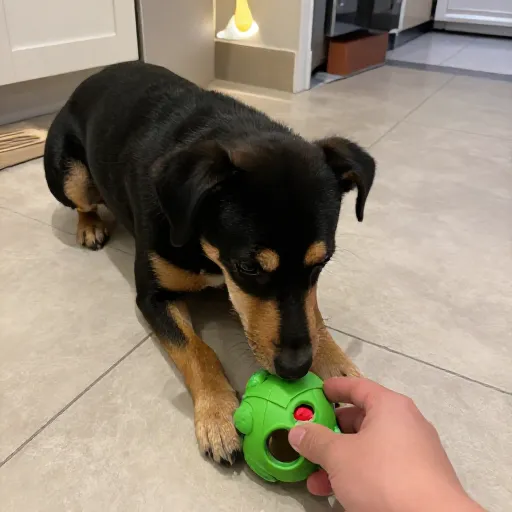
Sometimes a perfectly exercised dog still barks—because the brain is bored. Mental tiredness is just as real as physical tiredness, and it leaves dogs deeply satisfied. That’s where puzzle toys, treat-dispensing balls, and nose games come in.
Try hiding a few treats around the house and saying “find it.” Or grab a simple snuffle mat that forces your dog to sniff and work. Ten minutes of this can be more calming than a mile walk, I swear.
When your dog is busy solving a puzzle, they simply can’t bark at the window. And the beautiful part? That calm focus carries over into the rest of the day.
4. Teach a “Quiet” Command with Positive Reinforcement
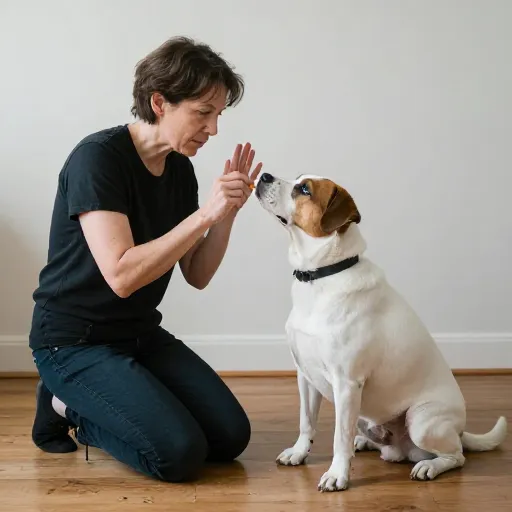
Instead of yelling “be quiet,” teach your dog what “quiet” actually means. Start when they’re calm or just before they bark. Say “quiet” in a happy, low voice, and the second they pause for even a second, toss a treat and say yes.
Then gradually build up. Have someone ring the doorbell, say “quiet,” wait for the pause, then treat heavily. The key is to reward silence, not silence after barking. This takes repetition, but it absolutely works.
Never force their mouth shut or use a shock collar. That creates fear. Positive training builds trust, and a trusting dog listens way faster.
5. Desensitize Triggers Gradually
If your dog goes bonkers for squirrels outside, you can slowly teach their brain to respond differently. Desensitization means exposing your dog to the trigger at a super low level while keeping them calm—and pairing it with treats.
For example, if he barks at people walking by, sit far away from the window where he can barely see them. Every time someone passes, drop a tasty treat. Over days, get a little closer, bit by bit.
This rewires the emotional response. Instead of “oh no, stranger!” it becomes “oh yes, treat time!” It’s not quick, but it’s so worth the patience.
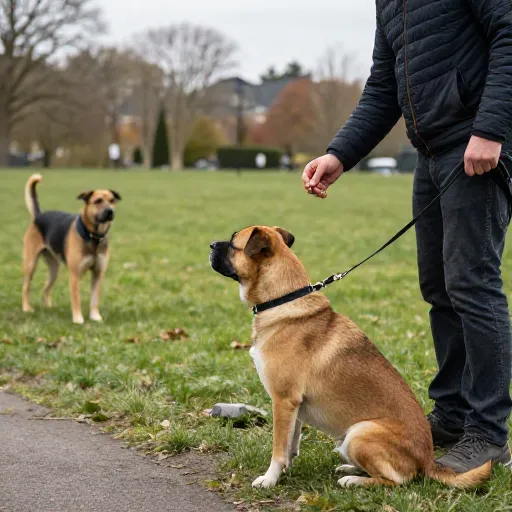
6. Reduce Their Field of View (Limit Window Watching)
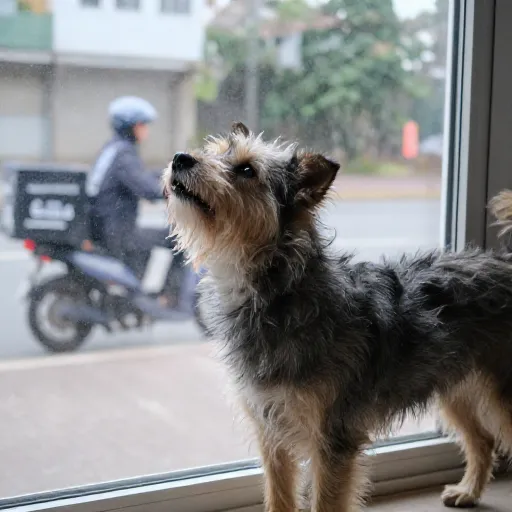
Some dogs practically live as security guards at the front window. They see every dog, bike, and falling leaf—and feel an overwhelming urge to announce all of it. Simply limiting that view changes everything.
Use frosted window film, sheer curtains, or move the dog’s favorite resting spot away from the glass. You can also keep the blinds half-closed during their high-bark hours. It’s not about hiding the world forever, just giving their nervous system a break.
Pair this with a comfy bed in a quieter room. Before long, your dog might actually relax instead of patrol.

7. Use White Noise or Calming Music
Dogs have incredible hearing, so every little creak or step outside feels huge. Soft background noise can drown out those small sounds that trigger barking. I love playing a white noise machine or even a chill dog playlist during the day.
It doesn’t have to be loud—just enough to muffle footsteps and other indoor creaks. This is especially helpful if you live in an apartment or near a busy street. Many dogs respond really well to classical or reggae, surprisingly!
Test different sounds and see what settles your pup. You’ll know it’s working when they actually doze off instead of jump at every tiny sound.
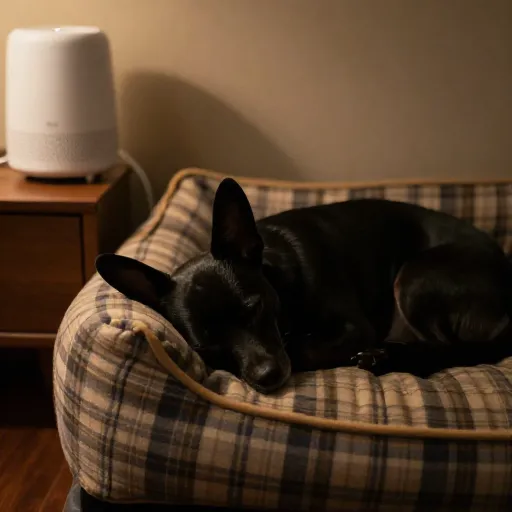
8. Avoid Yelling – It Actually Makes Barking Worse
When you shout “no!” or “stop!”, your dog hears you joining in on the barking excitement. It might even sound like you’re barking too. That can raise their energy level and make the whole situation worse.
Instead, try to stay calm and lower your voice. Move toward your dog, give gentle pets, and maybe redirect them with a simple sit. Often, your calm presence is exactly what they need to settle down.
Remember, your energy sets the tone. If you’re tense and loud, they’ll think there really is danger. If you’re relaxed, they learn there’s nothing to worry about.

9. Reward Calm Behavior Daily
Most of the time we only notice our dog when they’re being “bad.” But quiet, calm moments deserve just as much attention—maybe more. Catch your dog lying peacefully and drop a treat while saying “good quiet.”
Do this randomly throughout the day, not just during training sessions. Over time, your dog learns that being calm literally pays. They’ll start choosing quiet because it brings good things.
It sounds simple, but this habit has transform many chaotic households. Set a reminder on your phone if needed—every hour, find one calm moment to reward.

10. Know When to Ask a Professional (Vet or Trainer)
Sometimes, despite your best efforts, barking continues. That’s not a failure—it’s just a sign that the problem is deeper. Anxiety, fear, or certain health issues can make barking hard to manage on your own.
A veterinarian can rule out pain or medical causes. A force-free trainer or veterinary behaviorist can build a custom plan for your dog’s specific triggers. There’s zero shame in getting help; it’s actually the wisest thing you can do.
If your dog’s barking is constant, panicked, or appears suddenly, don’t wait. Early support makes a huge difference.

Final Thoughts: Patience, Consistency, and a Whole Lot of Love
Stopping excessive barking isn’t about silencing your dog—it’s about giving them better ways to cope. Every dog learns at their own pace, and you’re already being an amazing guardian by reading this and looking for solutions.
Start with just one or two tips that feel simple for you. Maybe it’s more physical exercise or a window film. See how it goes, then layer in another. Small wins build momentum, and before you know it, your home will feel noticeably more peaceful.
And remember, a few barks are totally normal. The goal isn’t perfect silence—it’s calm, happy communication. You’ve got this.
Frequently Asked Questions
1. How long does it take to stop excessive barking?
It honestly depends on the cause, your dog’s past, and how consistent you are. Some dogs improve in a week or two, while others need a month or more. The best approach is to stay patient and celebrate tiny progress.
2. Can I use a bark collar to stop barking?
I really don’t recommend shock or citronella collars. They can increase anxiety and make barking worse in the long run. Positive training methods work just as well, without damaging your bond.
3. Is it okay to desensitize my dog to every trigger?
You don’t need to desensitize your dog to literally everything. Focus on the triggers that cause the most stress or disturbance. For rare things like fireworks, you can manage with calming aids or a safe quiet space.
4. What if my dog barks when I’m not home?
That often points to separation anxiety or boredom. Start with a solid exercise routine before leaving, plus puzzle toys for distraction. You can also practice short departures and gradually build up time. If it’s severe, seek a professional with separation anxiety experience.
5. Should I let my dog bark it out?
Letting it go indefinitely usually doesn’t help—your dog will just practice barking more. Instead, interrupt calmly and redirect into a quiet activity. The goal is to teach, not to fight or ignore.