Coconut Oil Remedies for Your Dog’s Flea Problem!
Fleas are the absolute worst. One minute your pup is happily napping, the next they’re doing the frantic butt-scratch dance across the living room rug. Before you reach for the harsh chemical stuff, let’s talk about something you probably already have in your kitchen pantry: coconut oil.
I know it sounds a little too good to be true, but this tropical staple is a fantastic, gentle sidekick in the fight against fleas. It doesn’t just smell amazing; it works to repel those tiny jumpers and soothes the itchy, angry skin they leave behind. Let’s dive into all the ways you can use it to give your furry friend some much-needed relief.
1. The Direct Massage Method
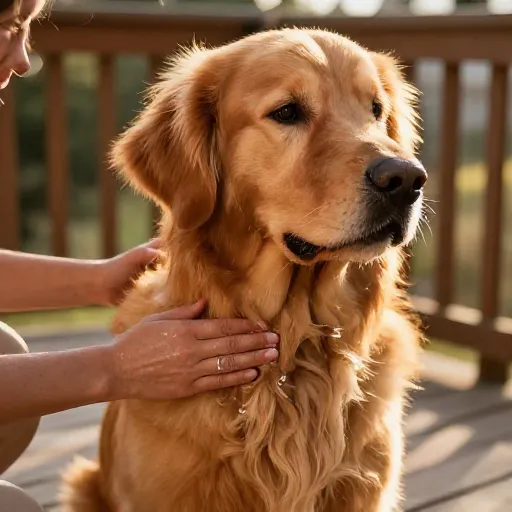
The simplest way to start is by applying coconut oil straight to your dog’s skin. The goal here is to coat the fur and skin, making it harder for fleas to grab on and bite. Plus, it smells way better than that nasty flea spray.
Just scoop out a small amount and let it melt in your hands. Then, work it into your dog’s coat, making sure you get down to the skin, especially around the neck, tail, and belly where fleas love to hide.
Give it a good rub for a few minutes. This isn’t just about the oil; the massaging action helps you feel for any bumps or hot spots. After about 10 minutes, you can rinse it off with a gentle shampoo or just leave it on for extra moisture. Just be careful not to use too much, or your pup will look like a greasy french fry!
2. Pre-Shampoo Treatment
If bath time is a regular part of your routine, this trick is a game-changer. Instead of just lathering up with soap, use coconut oil as a pre-wash treatment to really target those fleas.
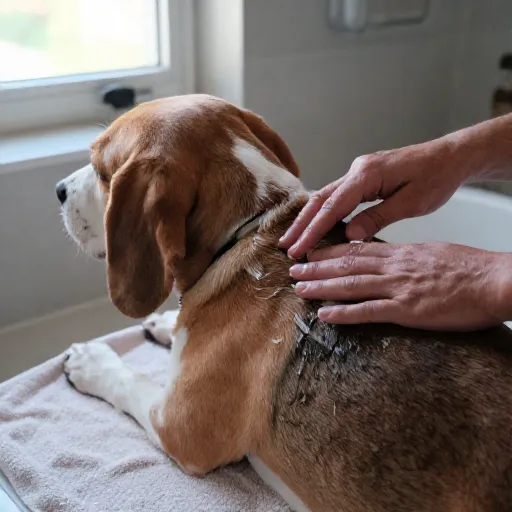
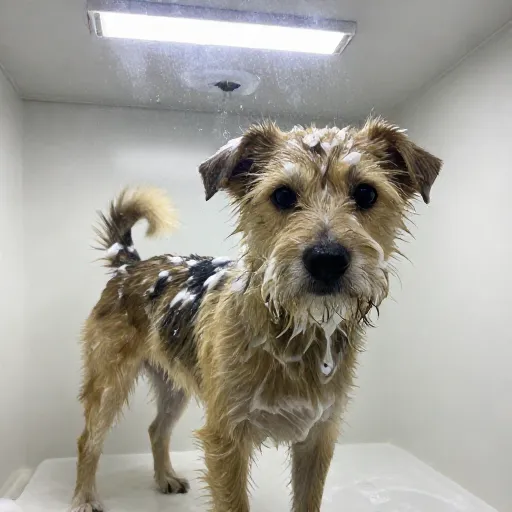
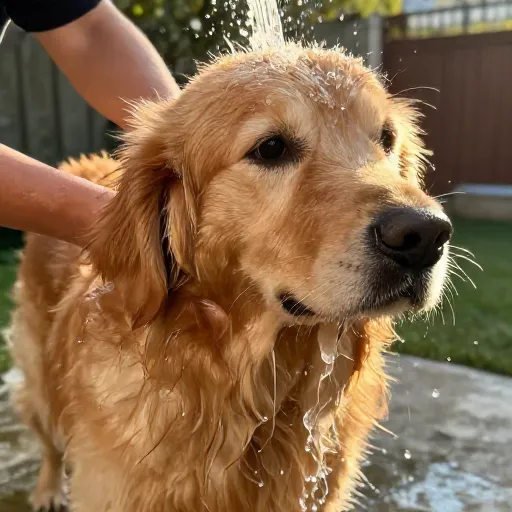
Melt a few tablespoons of coconut oil and massage it thoroughly into your dog’s dry coat. Focus on the areas where fleas are most active. Let it sit for about 5-10 minutes. This helps suffocate the fleas and loosen their grip on the skin.
Then, hop into the tub! The warm water and shampoo will wash away the oil, the dead fleas, and all their dirt. Your dog will come out smelling fresh and feeling super soft. It’s a double whammy of cleaning and pest control.
3. DIY Coconut Oil Flea Spray
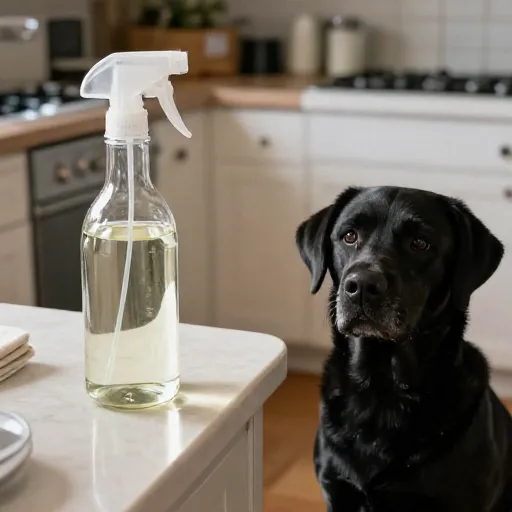
For a quick daily pick-me-up, you can make a super easy flea-repelling spray. This is perfect for a mid-day refresh or for a quick spritz before heading out on a walk where fleas might be lurking in the grass.
All you need is a spray bottle, some warm water, and a couple of tablespoons of melted coconut oil. The warm water helps keep the oil liquid so it doesn’t clump up in the bottle. You can add a little bit of apple cider vinegar to this mix too, which fleas also hate.
Give the bottle a good shake before each use and mist your dog’s coat, avoiding the eyes and nose. It’s a great way to keep them protected without soaking them in chemicals. Just be aware that the oil can make their fur a little damp-looking for a bit.
4. Soothe Those Itchy Bites
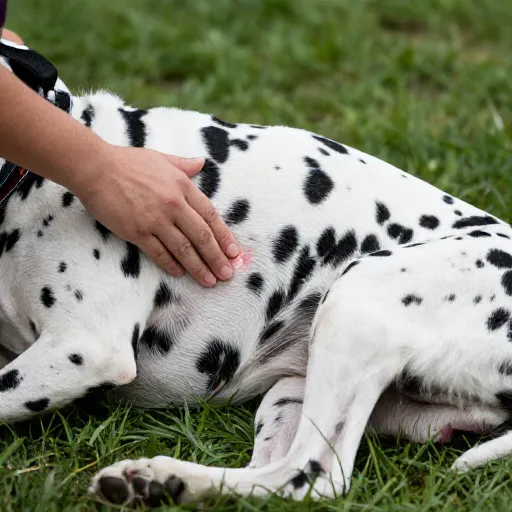
Flea bites are incredibly itchy, and our pups can’t help but scratch. This scratching can lead to raw, sore, and even infected skin. This is where coconut oil really shines as a soothing balm. It’s packed with lauric acid, which has natural antibacterial and anti-inflammatory properties.
If you see red, irritated spots on your dog’s skin, gently rub a tiny amount of coconut oil directly onto the area. It will provide immediate, cooling relief and help calm the inflammation. It also creates a protective barrier that helps prevent bacteria from getting into those broken skin patches.
It’s like giving your dog a little spa day for their skin. Just make sure they don’t lick it all off right away! The good news is that even if they do, it’s totally safe for them to ingest in small amounts.
5. Add It To Their Food
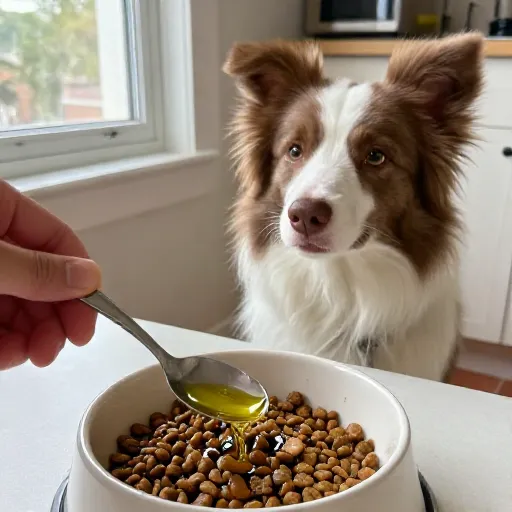
Fighting fleas isn’t just about what you put on the outside; it’s about what you put on the inside too. Adding a spoonful of coconut oil to your dog’s meals can improve their overall health from the inside out, making their skin less appealing to fleas.
Healthy skin means fewer flakes and less of that “doggy” smell that attracts pests. The healthy fats in coconut oil can help strengthen their skin barrier and improve coat condition. A shiny, healthy coat is the best defense against skin irritations.
Start with a small amount—half a teaspoon for small dogs, and up to a tablespoon for larger breeds. You can mix it right into their kibble or wet food. It’s an easy daily habit that supports their wellness beyond just flea season.
6. The Coconut Oil & Lavender Combo
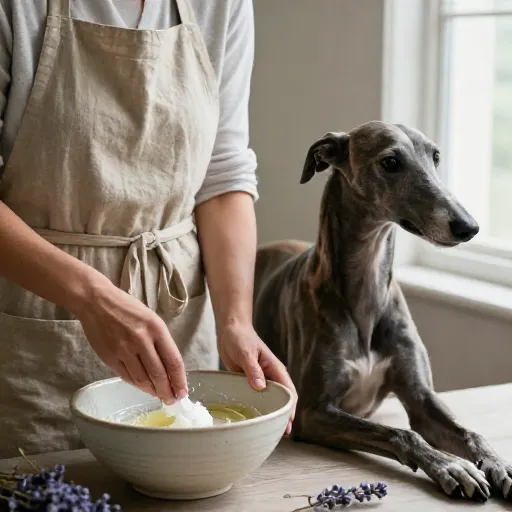
Lavender is another natural scent that fleas can’t stand, but dogs tend to love. Mixing a drop of pure lavender essential oil with your coconut oil creates a powerful, natural flea deterrent that smells like a dream—for both of you!
This combo is perfect for a post-bath cologne or a calming spritz before bed. It’s like aromatherapy for your pup. The coconut oil helps carry the lavender scent, making it last longer on the coat.
Be sure to use 100% pure, dog-safe essential oils. A tiny drop goes a long way. You can mix it into the DIY spray recipe above for an extra layer of protection. Trust me, your house will smell amazing.
7. Coconut Oil Paw Balm
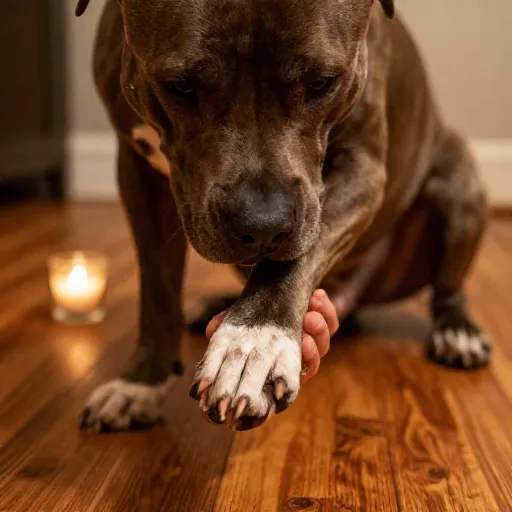
Fleas often hide in the grass, so your dog’s paws are their first point of contact. Keeping their paws moisturized and protected with coconut oil can help prevent fleas from hitching a ride into your home. It also helps with cracked, dry paw pads, which are common in the summer heat.
Rub a small dollop of coconut oil onto your dog’s paw pads before a walk. It acts as a barrier between their skin and the outside world. After the walk, you can wipe their paws with a damp cloth and reapply a little bit of oil to soothe any irritated spots.
This is especially great for dogs that suffer from allergies. It’s a simple, non-toxic way to keep those little toes healthy and clean. Plus, your pup gets a mini foot massage every time!
8. The Rinse and Repeat Method
Consistency is key when dealing with fleas. A one-time treatment isn’t going to cut it. You need to incorporate coconut oil into a regular routine to break the flea life cycle. This means combining topical applications with daily grooming.
Try giving your dog a coconut oil massage every other day and a full bath with the pre-shampoo treatment once a week. This consistent approach ensures that any new fleas that jump on board are quickly dealt with and that your dog’s skin stays healthy and resilient.
Remember to also wash your dog’s bedding in hot water during this time. The combination of treating your dog and their environment is the only way to truly win the flea war. It’s all about persistence and not giving up.
9. A Gentle Grooming Aid
Using a flea comb alongside coconut oil is a fantastic one-two punch. The oil acts as a lubricant, making it easier to run the comb through their fur without pulling or tugging. It also helps catch fleas and their eggs, which will stick to the oily comb.
Dip the flea comb into a little melted coconut oil, then comb through your dog’s fur in sections. Pay close attention to the base of the tail and behind the ears. When you see a flea on the comb, just dip it in a cup of soapy water to drown it.
This method is great for spot-checking and is especially useful for puppies or older dogs that might be more sensitive to other treatments. It’s a calming, bonding experience that leaves their coat looking sleek and shiny.
10. The Undercoat Blaster
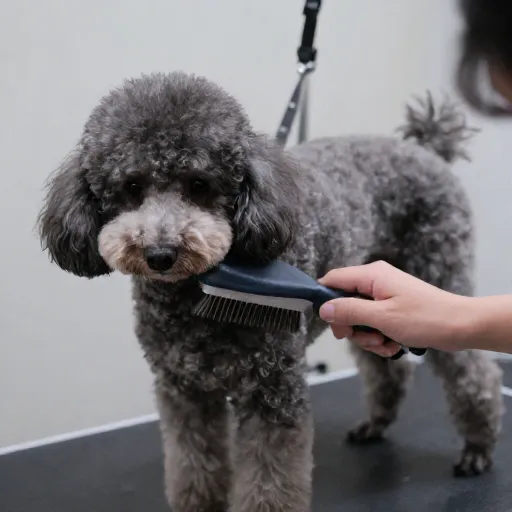
For dogs with thick, double coats, fleas can hide deep down where sprays and oils can’t easily reach. Coconut oil can help with this. When you massage it in, it helps loosen the dead undercoat and dander, bringing the fleas to the surface where you can deal with them.
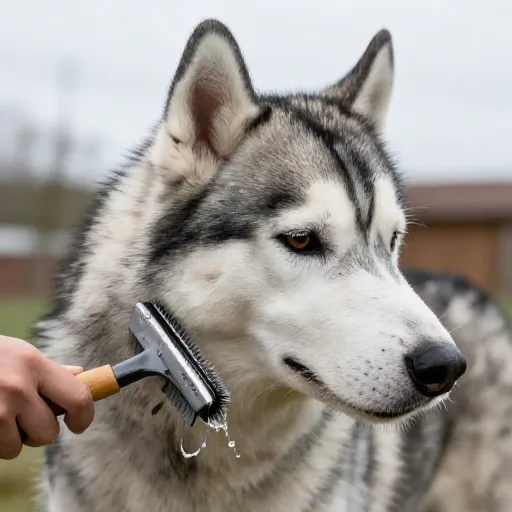
This is a great pre-grooming treatment. Apply the oil generously and give your dog a vigorous rub-down. Then, use a slicker brush or an undercoat rake to remove the loose fur, dander, and any fleas that were hiding underneath.
Your dog will thank you for it because it feels amazing to get that old, itchy fur out. It’s like a deep-cleaning conditioning treatment that leaves their skin breathing easier and their coat looking brighter.
Conclusion
Using coconut oil for fleas is a gentle, natural way to give your dog some serious relief. It’s not a magical overnight cure, but with a little patience and consistency, it can make a huge difference in your dog’s comfort and health. I love that it’s a versatile solution that tackles the problem from multiple angles—repelling, soothing, and nourishing all at once.
Just remember to always start with a small amount to see how your dog reacts, and if they have a severe flea infestation or skin issues, it’s always best to check in with your vet first. But for everyday prevention and maintenance, this natural remedy is a total winner in my book. Here’s to happy, itch-free pups and a home free of those pesky jumpers!
Frequently Asked Questions
Is coconut oil safe for all dogs to ingest?
Yes, coconut oil is generally safe for dogs to eat in small amounts. It can even help with digestion and coat health. However, some dogs might have an upset stomach if they have too much, so it’s best to start with a small dose and see how they handle it.
How long does it take for coconut oil to kill fleas?
Coconut oil works by suffocating fleas, which can take a few minutes to a few hours. It’s not an instant killer like chemical treatments. It’s more effective as a repellent and a way to manage infestations. Consistency is more important than speed with this method.
Can I use coconut oil on my puppy?
Yes, you can use coconut oil on puppies. It’s very gentle. However, I would still recommend doing a patch test on a small area of skin to make sure they don’t have any sensitivity. Also, be extra careful around their eyes and nose.
Will coconut oil make my dog’s coat too greasy?
If you use too much, yes! It’s best to start with a small amount and add more if needed. A little goes a long way. If your dog looks greasy, you can always rinse them with warm water or a gentle shampoo. The coat will absorb the oil over time, leaving it soft and shiny.
How often should I apply coconut oil to my dog?
For maintenance, you can apply it topically 2-3 times a week. If you are dealing with an active flea problem, you might want to do it daily for the first week, then scale back. For oral use, a daily spoonful in their food is great for ongoing skin health.