7 Smart Dog Boarding Facility Ideas That Actually Work
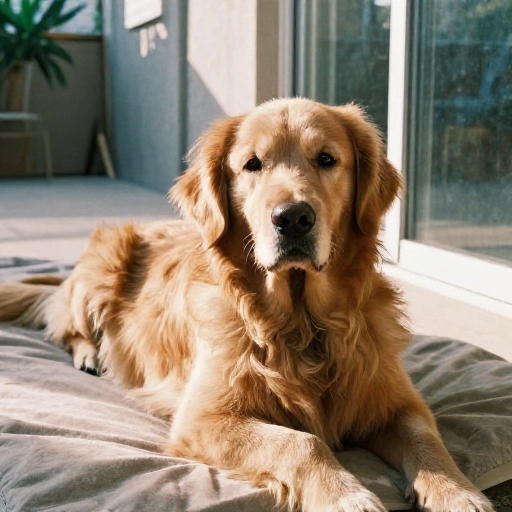
I’ve spent years around kennels and pet care. What I’ve learned is that dog owners don’t just want a cage for their pup—they want peace of mind. They want to see their dog wagging its tail when they drop it off. That’s the secret to a great boarding business.
You don’t need a huge budget to stand out. You just need to think differently. Here are seven ideas I’ve seen work in real facilities. Some are simple tweaks, others are complete rethinks. All of them make dogs happier and owners more loyal.
1. Indoor-Outdoor Suites With Personal Yards
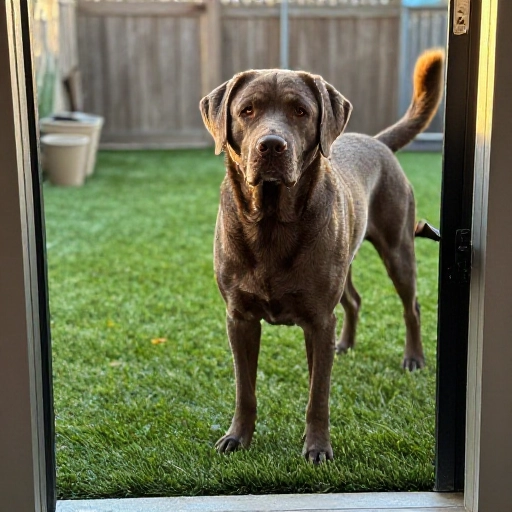
Dogs need space to stretch their legs. Instead of a concrete run, try building small private patios attached to each suite. A fenced outdoor area, even just 8×10 feet, gives dogs freedom without the stress of group play.
I’ve noticed that dogs with direct outdoor access sleep better at night. They don’t pace or whine as much. Owners love seeing photos of their dog sunbathing or sniffing grass right outside its room.
Keep it simple: a dog door, artificial turf, and a small shade structure. Clean daily, and it stays fresh. No mud, no mess, just happy paws.
2. Live Webcam Access for Worried Owners
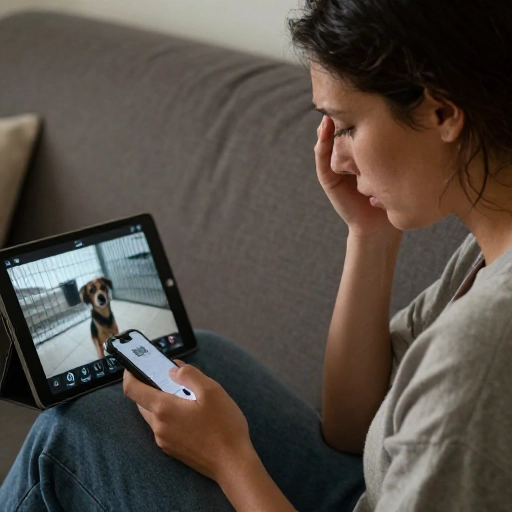
Anxiety is the number one reason people hesitate to board their dog. A live camera feed solves this instantly. Set up a small camera in each suite or common area. Owners can log in from their phone and check on their pup anytime.
I’ve seen this feature turn hesitant customers into repeat visitors. One owner told me she checked the feed during her wedding reception. She saw her dog napping peacefully and cried happy tears.
Choose cameras with night vision and two-way audio. Some systems let owners talk to their dog. That small touch makes a huge difference.
3. Themed Suites With Comfort Zones
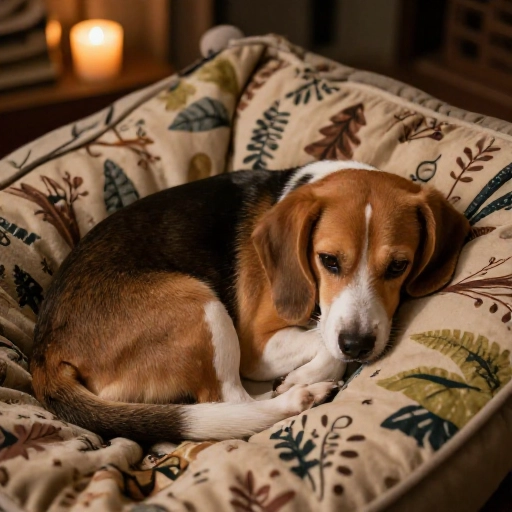
Not every dog wants the same environment. Create different zones based on personality. A “Cozy Cabin” for shy dogs with soft beds and dim lighting. An “Adventure Den” for high-energy pups with climbing platforms and toys.
I worked with a facility that painted each zone a different color. Calm blues for the quiet area, warm oranges for the play zone. Dogs gravitated to the spaces that matched their mood.
You don’t need fancy decor. Just think about what makes a dog feel safe versus what makes it feel excited. Then build that vibe.
4. Enrichment Stations Throughout the Day
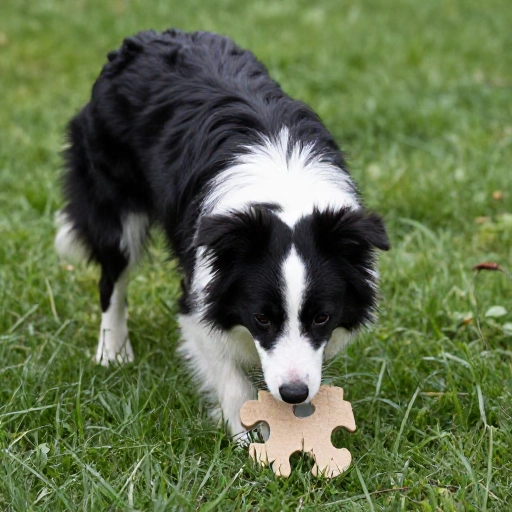
Boredom leads to barking and stress. Set up stations where dogs can engage their brains. A snuffle mat station where they hunt for treats. A puzzle toy corner with different difficulty levels. A digging pit filled with sand and hidden toys.
Rotate stations every few hours. Dogs get excited when they see something new. Staff can guide dogs through activities, which also strengthens the bond between pet and caregiver.
One kennel I visited had a “sniffari” station—just a patch of grass with different herbs planted. Dogs loved exploring the scents. It cost almost nothing to set up.
5. Pick-Up and Drop-Off Concierge Service
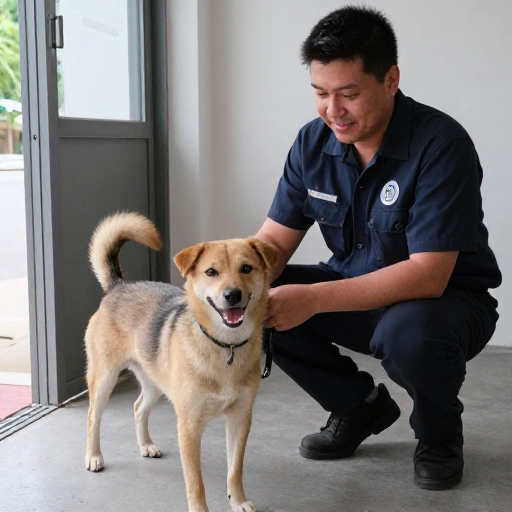
Busy owners struggle with timing. Offer a free window for drop-off and pickup, but also sell a premium concierge service. You come to their car, take the dog, and return it at the end of the stay. No waiting, no stress.
I’ve seen this simple service double customer retention. People pay extra just to avoid the lobby chaos. It also reduces anxiety for dogs who get nervous around other animals.
Train your staff to use calm body language and offer treats during handoffs. A smooth transition sets the tone for the whole stay.
6. Sleepover Report Cards With Photos
Every owner wants to know what their dog did all day. Send a daily “report card” with three photos and a short note. “Bella played fetch for 20 minutes, napped at 2 PM, and ate all her dinner.”
I learned this trick from a boarding facility in Colorado. Their report cards were simple—just text and a few snapshots. But owners shared them on social media constantly. Free advertising.
Use a template so staff can fill it out in two minutes. Include a funny moment or a behavior win. Owners save these cards forever.
7. Quiet Hour With Calming Amenities
Dogs get overwhelmed in group settings. Schedule a daily quiet hour where lights are dimmed, music is soft, and all dogs get a frozen Kong or a calming chew. No playtime, no barking, just rest.
I’ve seen facilities where quiet hour reduced stress behaviors by half. Dogs come out of their suites calmer and more relaxed. Staff also appreciate the break.
Play classical music or use a white noise machine. Offer lavender-scented beds for dogs that respond to aromatherapy. Some dogs even learn to nap on their own schedule.

These ideas don’t require a huge renovation. Start with one or two that fit your space and budget. The best dog boarding facilities aren’t the biggest—they’re the ones that pay attention to little details. Your customers will notice, and their dogs will thank you.
Frequently Asked Questions
1. How much does it cost to add webcams to a boarding facility?
Basic cameras start around $30 each. You’ll need a secure Wi-Fi network and a simple app subscription. For a 10-suite facility, expect to spend $500–$1,000 total.
2. Do dogs really use outdoor patios in bad weather?
Yes, if you add a covered section. Most dogs love fresh air even in rain. Just make sure there’s a dry spot and the patio is cleaned after each use.
3. How long should a quiet hour be?
45 minutes to one hour works well. Schedule it after lunch when dogs naturally get sleepy. Adjust based on your dog’s energy levels.
4. What’s the best way to staff enrichment stations?
Train one staff member per shift to rotate stations every 90 minutes. Use a simple checklist so nothing gets missed. Dogs learn the routine quickly.
5. Can small facilities offer concierge service?
Absolutely. Even a one-person shop can do this. Just set specific time windows. It’s more about the personal touch than the size of your team.