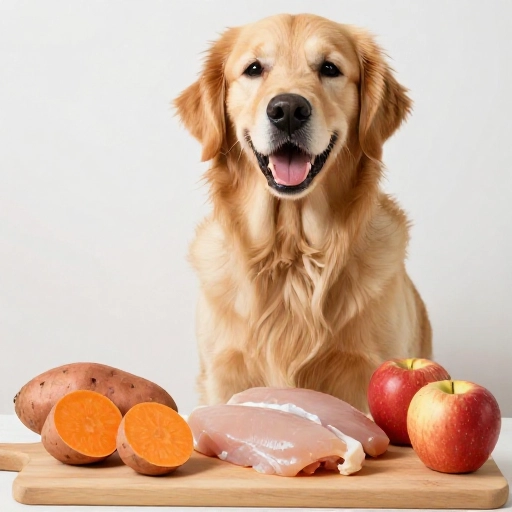
Senior Dog Food Recommendations Vet Approved for Happy Aging

Why Choosing the Right Food for Senior Dogs Matters
As our furry friends age, their nutritional needs change dramatically. Senior dogs require diets that support joint health, maintain ideal weight, and boost their immune system. Selecting the right food ensures they stay energetic and happy in their golden years.
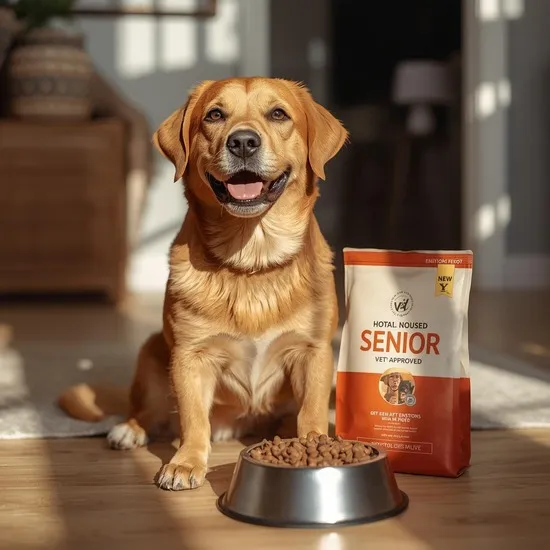
I’ve learned through experience that not all dog foods labeled ‘senior’ truly meet these needs. Vet-approved options are designed to provide balanced nutrients tailored for older dogs. Making informed choices keeps my dog healthy and active.
Top Vet-Approved Senior Dog Foods to Consider
After consulting with our veterinarian, I found several brands that consistently deliver on nutrition for senior dogs. Look for options rich in high-quality protein, omega-3 fatty acids, and easily digestible ingredients. These nutrients support muscle maintenance, coat health, and brain function.
Brands like Hill’s Science Diet, Royal Canin, and Blue Buffalo offer formulas specifically for senior dogs. They also contain antioxidants and vitamins that help maintain cognitive function and overall vitality in older dogs. Choosing the right brand can make a noticeable difference in your dog’s wellbeing.
Customizing Meals for Your Senior Dog
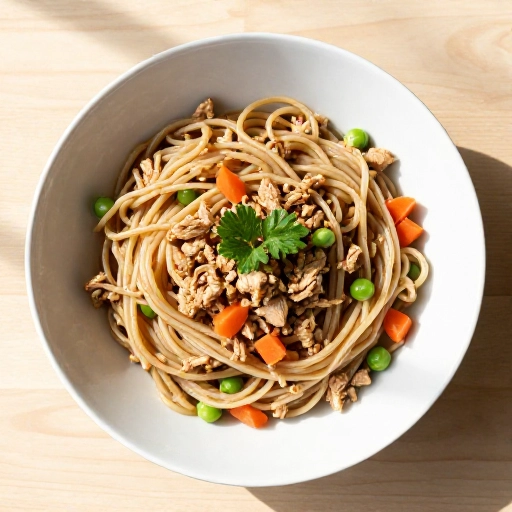
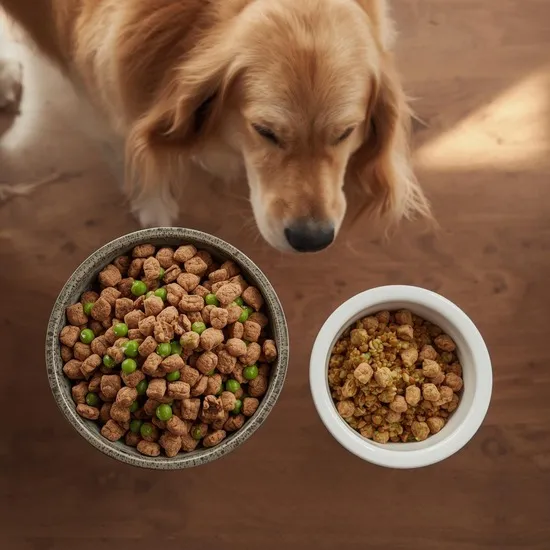
Every dog ages differently, so it’s important to adjust their diet based on individual needs. Some senior dogs benefit from wet food for easier chewing, while others thrive on dry kibble for dental health. I always monitor my dog’s weight, digestion, and energy levels to tailor meals accordingly.
Incorporating healthy supplements like fish oil or joint support treats can further enhance their nutrition. Discussing these options with your vet ensures you’re meeting all your senior dog’s dietary requirements while keeping mealtime enjoyable.

Tips for Transitioning to Senior Dog Food
Switching to senior dog food should be gradual to prevent digestive upset. I mix the new food with the old over a week, increasing the proportion of the senior formula daily. This approach allows my dog’s stomach to adjust smoothly.
Monitoring their response to new food is key. If your senior dog shows signs of discomfort, reduced appetite, or unusual behavior, consult your veterinarian. Patience and careful observation make the transition successful and stress-free for both of us.
Conclusion
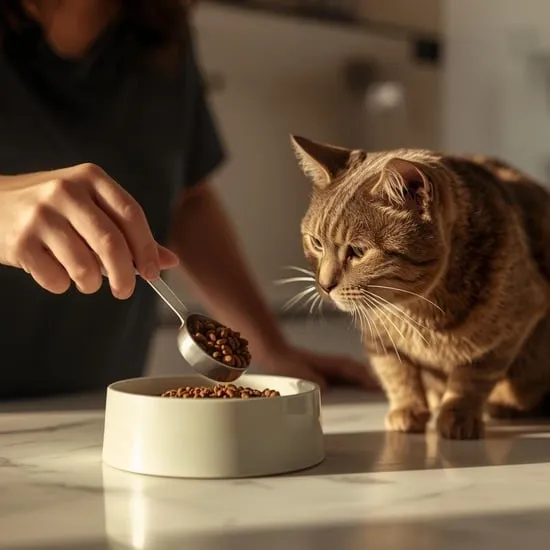
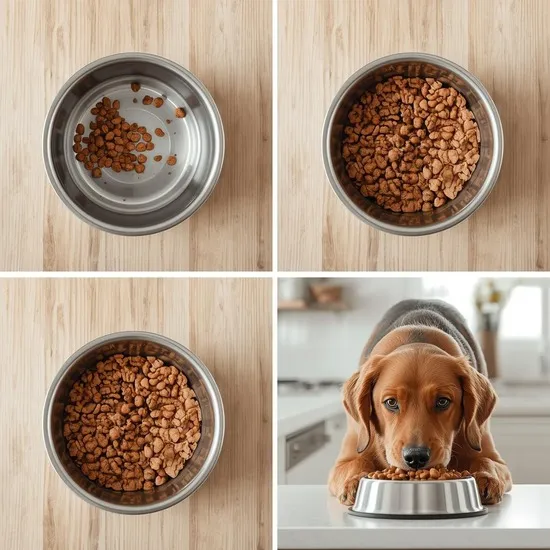
Choosing vet-approved senior dog food has significantly improved my dog’s quality of life. With the right nutrients, portion control, and regular vet guidance, senior dogs can remain active, happy, and healthy for many more years.
Always consider individual needs, monitor health changes, and consult your vet for tailored recommendations. Proper nutrition truly makes a difference in your senior dog’s wellbeing and happiness.