14 Easy Puppy Harness DIY Ideas You Can Make This Weekend
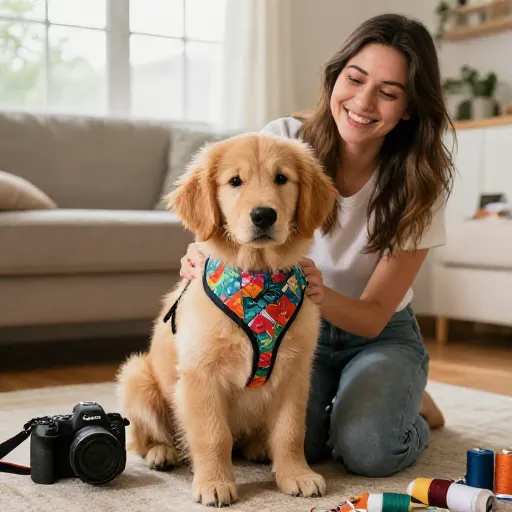
Let’s be honest—puppies are chaos wrapped in fur, and finding a harness that actually fits their weird, growing bodies can be a pain. Either it’s too loose around the neck or too tight under the armpits. And good ones? They cost more than my morning coffee habit.
That’s why I started making my own. Not only is it way cheaper, but you get to pick the cutest fabrics and adjust the fit as your pup grows (which, let me warn you, happens overnight). Whether you’re a sewing pro or a total beginner with a pair of scissors, these 14 DIY harness ideas are simple, practical, and honestly kind of fun to make.
Grab some webbing, an old t-shirt, or even a climbing rope, and let’s get crafting. Your puppy will never know they’re wearing something homemade—they’ll just know they get to go outside.
1. The No-Sew T-Shirt Harness
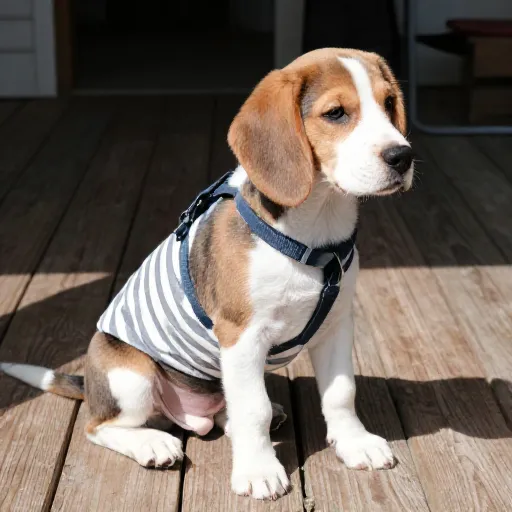
This is the perfect first project if you don’t own a sewing machine. You just need an old cotton t-shirt (the softer, the better) and scissors.
Cut two long strips from the bottom hem of the shirt, then cut the main body into a vest shape. Slip your pup’s front legs through the armholes, then bring the strips around their chest and tie them together on top. It’s basically a little shirt for your dog, but it works as a harness because the fabric distributes pressure evenly.
The best part? You can toss it in the washing machine when it gets muddy. Just make sure the shirt isn’t too stretchy, or your escape-artist pup might wriggle out.
2. Basic Nylon Webbing Step-In Harness
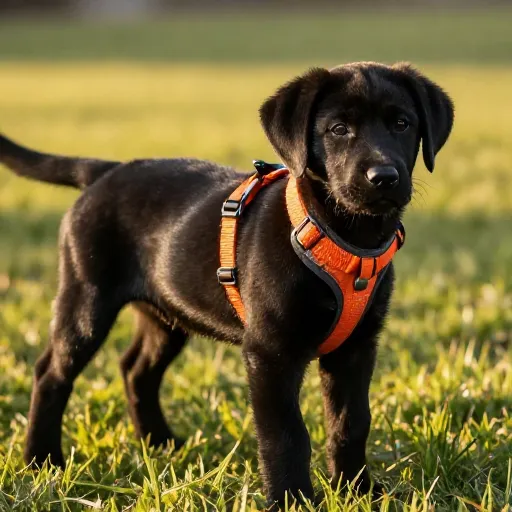
This one requires a bit of sewing, but it’s super straightforward. You’ll need 1-inch nylon webbing, two D-rings, and a plastic side-release buckle.
Cut two pieces of webbing: one for the chest strap (around 20 inches) and one for the belly strap (around 16 inches). Sew them together in an X shape at the center, then attach the buckle and D-rings at the ends. Your puppy steps in, you clip it over their back, and done.
I like this design because it doesn’t put any pressure on their throat. Plus, nylon webbing is basically indestructible—perfect for puppies that think chewing is a sport.
3. Upcycled Denim Harness
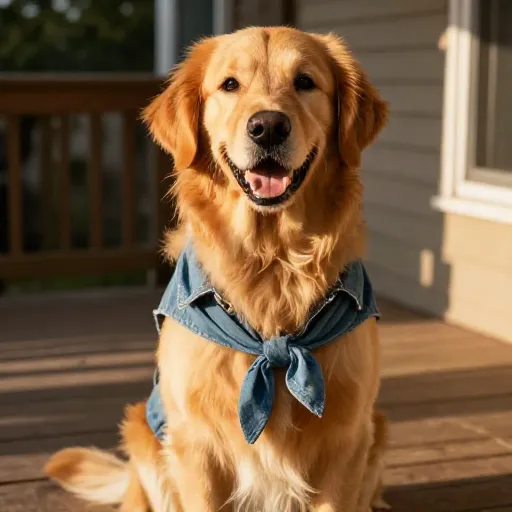
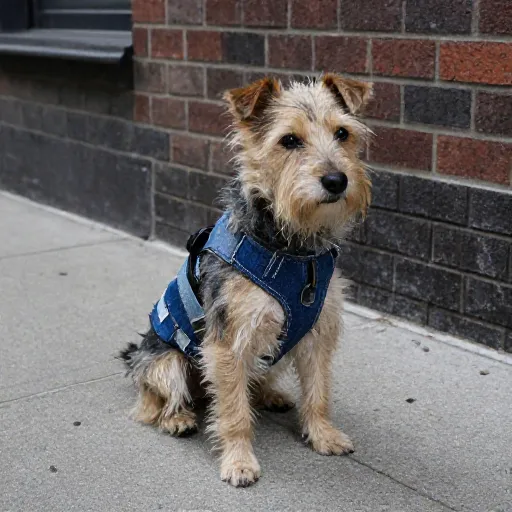
Got a pair of jeans with a hole in the knee? Don’t throw them out. Denim is sturdy, washable, and actually looks pretty cute on a dog.
Cut a wide strip from the leg of the jeans, about 3 inches wide and long enough to wrap around your dog’s chest. Fold it in half lengthwise and sew the edges together to make a strong double-layer strap. Then add some velcro or a buckle for closure.
This harness is a little stiff at first, but it softens up after a few wears. It’s also great for dogs who like to pull—the thick fabric won’t dig into their skin like thin straps can.
4. Paracord Braided Harness
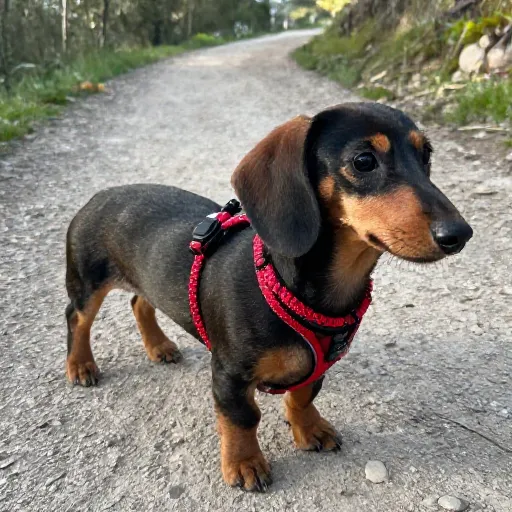
If your puppy loves to swim and roll in the mud, paracord is your best friend. It dries fast, doesn’t smell, and you can make it in any color combo.
This one is a bit more hands-on. You’ll braid 4 strands of paracord together to form two long ropes—one for the chest and one for the belly. Then you connect them with a simple knot at the center and add a clip at the top.
It takes about 30 minutes of braiding, but it’s oddly relaxing. And when your dog gets covered in river water, just rinse it off and hang it to dry. No weird mildew smell.
5. Fleece-Lined Harness for Sensitive Skin
Some puppies have super delicate skin, especially in their armpits. Regular webbing can rub them raw. That’s where this fleece-lined version comes in.
Instead of using just nylon webbing, you’ll sandwich a layer of soft fleece fabric between two pieces of webbing. Sew them together along the edges, then attach your buckle and rings. The fleece sits against your pup’s fur, so it feels like a cozy blanket.
This one is a little thicker, so it’s not ideal for hot summer days. But for winter walks? It’s basically a tiny jacket and harness in one.
6. The Quick-Release Velcro Harness
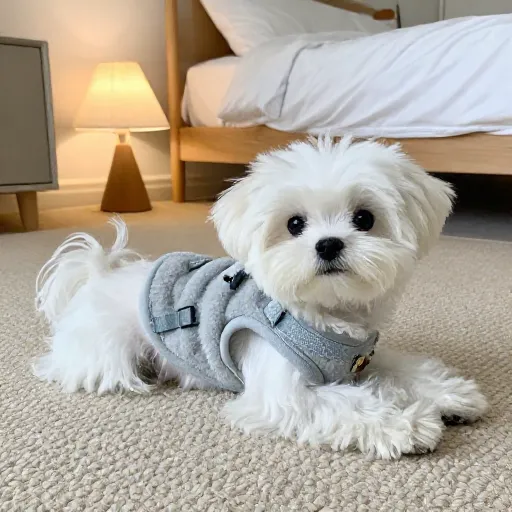
If your puppy hates having things pulled over their head, this is the design for you. Velcro makes it super easy to put on and take off—no wrestling required.
You’ll need a piece of wide fabric (like felt or canvas), two strips of strong velcro, and a D-ring for the leash. Cut the fabric into a simple vest shape, sew the velcro onto the edges, and attach the D-ring at the back.
The key here is to use heavy-duty velcro, not the cheap craft stuff. You want it to hold securely during walks, but it’s so nice to just rip it open when you get home. Great for wiggly puppies.
7. Double-Layer Canvas Harness
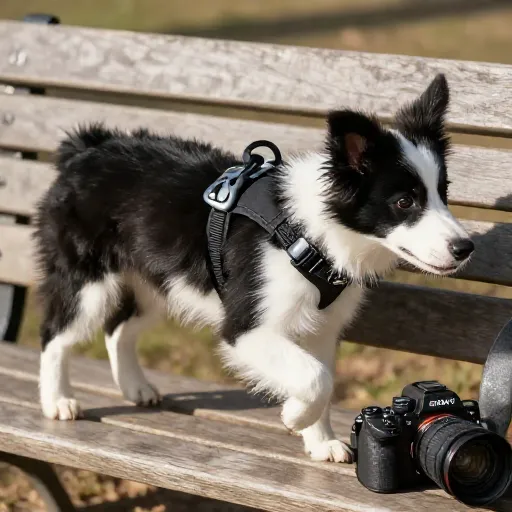
Canvas fabric is thick, durable, and comes in tons of fun prints. This harness uses two layers of canvas sewn together for extra strength, which is great for strong pullers.
Cut two identical strips of canvas for the chest and belly straps. Sew them right-sides together, flip them inside out, and you’ve got a clean, finished strap with no raw edges. Then attach your hardware.
I love this one because it’s so easy to customize. You can use a fun pattern on the outside and a solid color on the inside. Your dog will be the best-dressed pup at the park.
8. Adjustable Buckle Harness
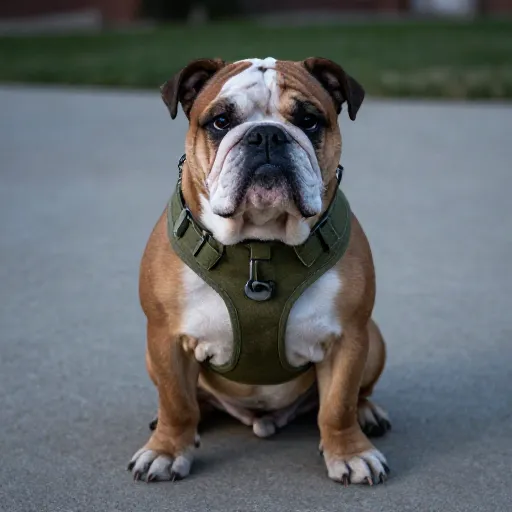
Puppies grow fast, so having an adjustable harness saves you from making a new one every month. This design uses two tri-glide slides to let you change the size as your pup grows.
You’ll sew the chest strap with extra length at both ends, then thread it through the slides. The belly strap sits separate and clips onto the chest strap at two points. You can make it looser or tighter in seconds.
This is the one I recommend for anyone with a puppy under 6 months. You’ll adjust it what feels like every week, but at least you won’t have to sew a new one.
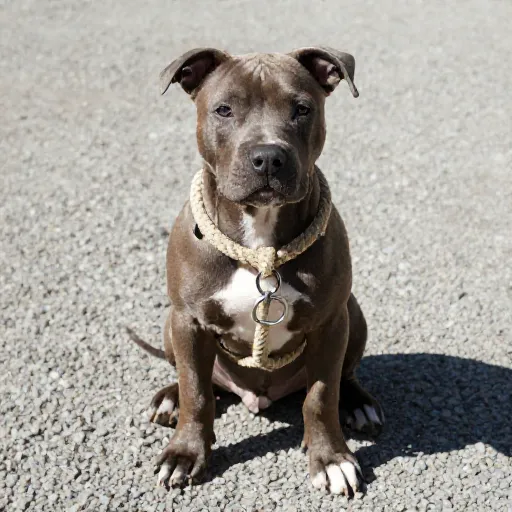
9. Rope and Ring Harness
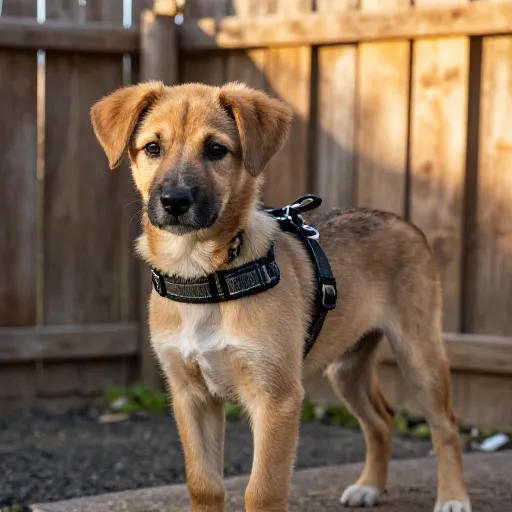
This is honestly the easiest one on the list. No sewing, no cutting, no measuring. Just some soft cotton rope and two metal rings.
Cut one long piece of rope (about 4 feet), fold it in half, and thread the loop through one ring. Then bring both ends through the loop to create a slip knot. Do the same with the other ring on the opposite side. You get a simple figure-eight shape.
Slip your puppy’s front legs through the two loops, and the rings sit on their back. It’s not the most secure for heavy pullers, but it’s perfect for tiny puppies who just need a light guide.
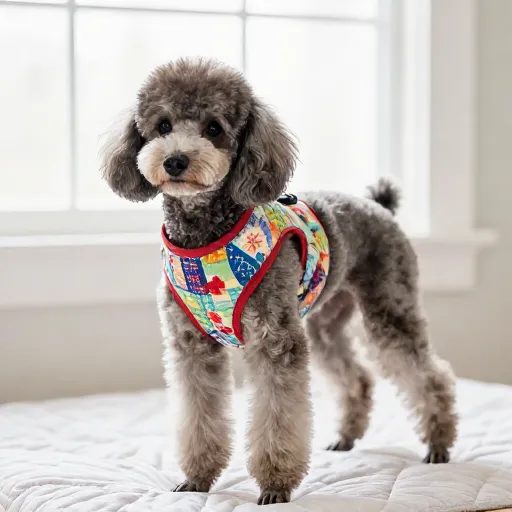
10. Patchwork Fabric Harness
Have a bunch of fabric scraps lying around? Turn them into a colorful patchwork harness. It’s a great way to use up bits and pieces from other projects.
Cut your scraps into 3-inch squares and sew them together into one long strip. Then fold that strip in half and sew the edges to create a strong, quilted strap. Attach your buckles, and you’ve got a one-of-a-kind harness.
It’s not the fastest project, but the result is so unique. Plus, if you use different textures—corduroy, cotton, flannel—it’s also super comfy for your dog.
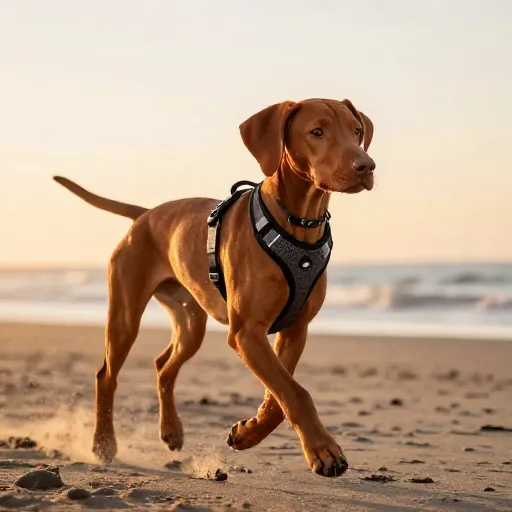
11. Mesh Sports Harness
For hot summer walks, a breathable mesh harness is a lifesaver. It’s lightweight, airy, and won’t trap heat against your pup’s chest.
You’ll need some mesh fabric (you can buy it cheap or upcycle an old sports bag), plus some webbing for the straps. Sew the mesh into a vest shape, then attach the webbing straps around the edges for structure.
This one is great for active dogs who run a lot. They stay cool, and you don’t have to worry about chafing from sweaty straps.
12. The Convertible Collar-to-Harness
This is a clever little hack. Instead of making a whole new harness, you can modify an old collar into a mini harness for small puppies.
Take an old collar and cut it at the buckle. Then sew a longer strap onto one end so it can wrap around the chest instead of the neck. Add a D-ring on the top of the chest area, and you’ve got a harness that clips over the back.
It’s not the prettiest thing, but it works in a pinch. I’ve used this trick when my pup outgrew his collar but hadn’t grown into his next harness yet.
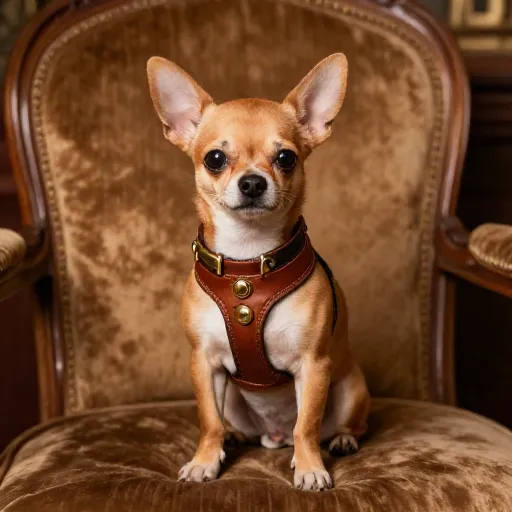
13. Felt No-Pull Harness
If your puppy is a persistent puller, this design uses a front-clip style to gently steer them back to you. The secret is the placement of the D-ring—it sits right on the chest, not the back.
Use a thick piece of felt (or several layers sewn together) to make a wide chest piece. Attach the leash ring at the bottom center of the chest. When your dog pulls, the harness turns their shoulders sideways instead of letting them lunge forward.
This one is a bit more work, but it’s a total game-changer for training. Your arm will thank you on those crazy morning walks.
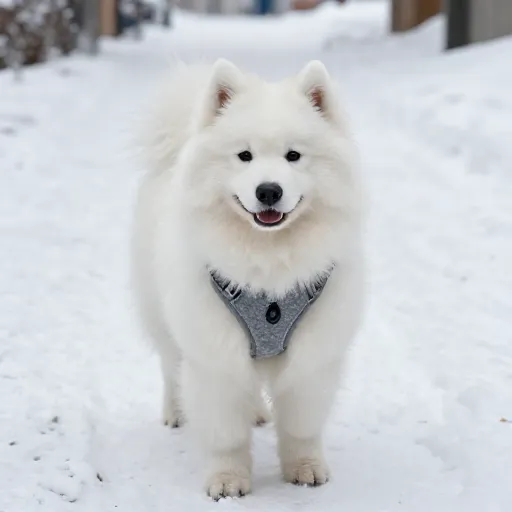
14. The Bandana Harness
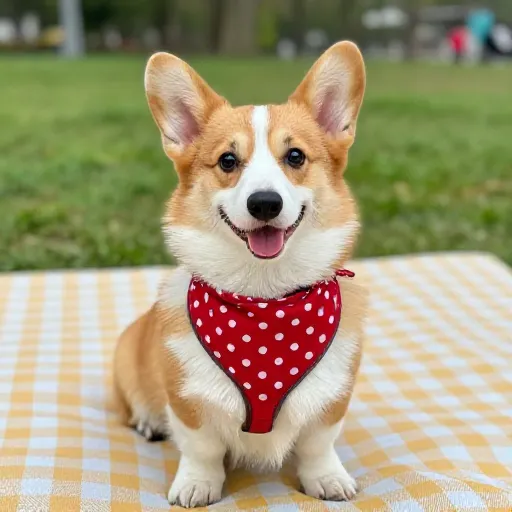
This last one is purely for style. It’s a basic harness covered in a fun bandana print, so your dog looks adorable AND stays safe.
Start with any simple harness design, but instead of plain webbing, use a fabric with a fun pattern. Then, add a small bandana-shaped piece of fabric that drapes over the back. It’s decorative, but it also adds a layer of padding.
This is my go-to for holiday photos. My dog looks so cute in his little plaid harness, and he doesn’t even mind wearing it. The key is to make sure the bandana part is sewn down securely, so it doesn’t flap around and annoy them.
Final Thoughts on DIY Puppy Harnesses
Making your own puppy harness is one of those projects that feels way more rewarding than it should. You save money, you get a custom fit, and honestly, it’s just nice to look at your dog and know you made that thing that keeps them safe.
Just remember to check the fit every few weeks. Puppies grow so fast, and a harness that was perfect last month might be too tight now. Always leave two fingers of space between the strap and your dog’s body.
And if your first attempt isn’t perfect? That’s totally okay. My first harness was a lopsided mess that my dog chewed off in five minutes. The second one was better. The third one was actually pretty great. Practice makes perfect, and your puppy loves you anyway.
Frequently Asked Questions
1. Is it safe to make a DIY dog harness at home?
Yes, as long as you use sturdy materials and check the stitching regularly. Avoid stretchy fabrics that can break, and always test the harness on a short walk before going on a long adventure. If your dog is a big puller, use heavy-duty hardware and double stitching.
2. What is the best material for a homemade puppy harness?
Nylon webbing is the most reliable—it’s strong, durable, and doesn’t stretch. For the lining, fleece or soft cotton is great for comfort. Avoid flimsy materials like thin ribbons or cheap plastic buckles.
3. How do I know if the harness fits my puppy correctly?
You should be able to fit two fingers flat between the strap and your dog’s body. The harness shouldn’t twist or slide around, but it also shouldn’t dig into their skin. Check the fit every week for growing puppies.
4. Can I use a DIY harness on a puppy that pulls a lot?
Yes, but you should choose a design with a front clip (like idea #13) to help steer them. Also, use wider straps to distribute the pressure. Avoid thin straps that can dig into their chest or shoulders.
5. How do I clean a homemade fabric harness?
Most fabric harnesses can be hand-washed in warm water with mild soap, then air-dried. For nylon webbing, you can just wipe it down. Avoid tossing them in the dryer, as the heat can weaken the stitching and hardware.