14 Dog Grooming Business Tips for Beginners
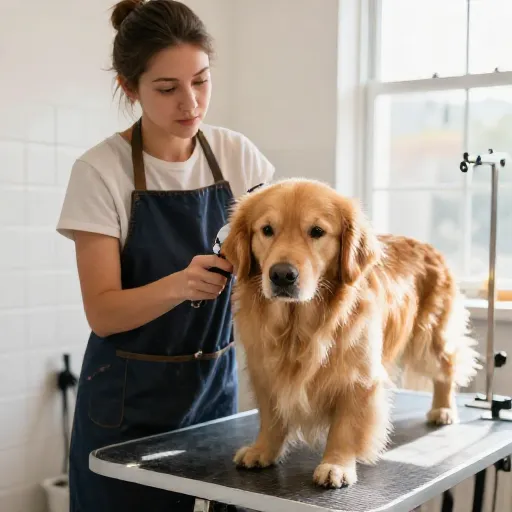
So, you’re thinking about turning your love for fluffy pups into a paycheck? I get it. There’s something magical about taking a matted, grumpy mess and handing back a prancing, fluffy cloud. But let’s be real—grooming is hard work. It’s wet, it’s hairy, and sometimes the dogs are less than thrilled to see you.
But don’t let that scare you off. Starting a grooming business is one of the most rewarding paths in the pet industry. You get to be your own boss, work with animals all day, and build genuine relationships with clients. However, jumping in without a plan is like trying to groom a Great Dane in a bathtub—chaotic and messy. Over the years, I’ve learned what works, what doesn’t, and what I wish someone had told me on day one. Here are 14 practical, real-world tips to help you get your grooming business off the ground without losing your mind (or your back).
1. Master the Basics Before You Take Clients
This sounds obvious, but you’d be surprised how many people buy clippers and call themselves a groomer. You need to know more than just how to make a dog look cute. You need to understand canine anatomy, skin conditions, and the correct way to hold a pair of shears.
Take a certified course or apprentice under a seasoned groomer for at least a few months. Watch how they handle a struggling dog. Learn the “safe zones” and the “danger zones” on a dog’s body. Trust me, the money you spend on education now will save you thousands in vet bills and lost clients later.
2. Start Small—Maybe Just a Mobile Kit
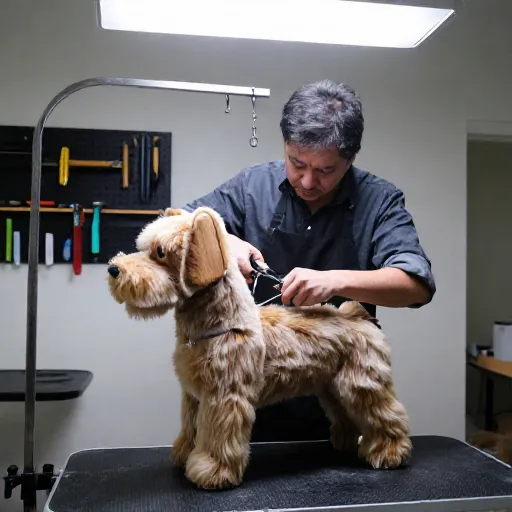
Before you sign a lease on a fancy salon, consider starting smaller. A mobile grooming van or even a house-call service is a fantastic way to test the waters. You can keep your overhead low and your schedule flexible.
I started with a simple table in my garage and a set of cordless clippers. It wasn’t glamorous, but it allowed me to build a client base without the pressure of paying rent. Once you have a steady flow of regulars, you can decide if you want to upgrade to a brick-and-mortar spot.
3. Know Your Breeds (And Their Cuts)
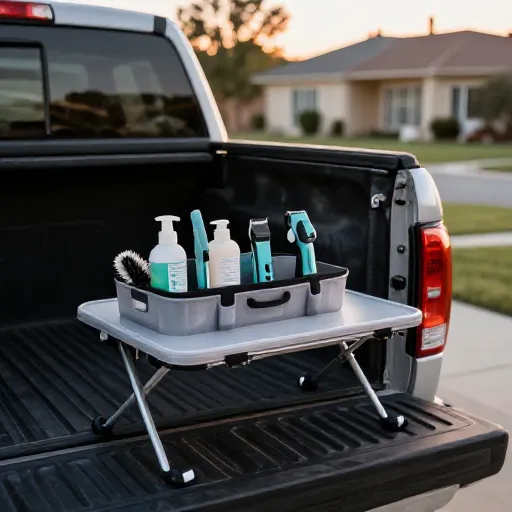
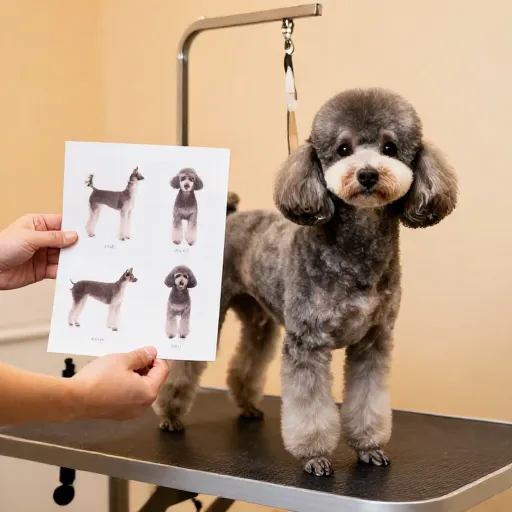
You can’t just give every dog the “poodle puff” or a “teddy bear cut.” Clients are picky, and they should be. They want their Bichon to look like a Bichon, not a miniature sheep. Spend time learning the specific breed standards and the popular pet variations.
Create a “look book” or a Pinterest board of different cuts. When a client books, ask them to send a photo of what they want. This saves you from awkward conversations later. If you don’t know a cut, say so and offer to learn. Honesty beats a bad haircut every time.
4. Invest in Quality Tools (But Not All at Once)
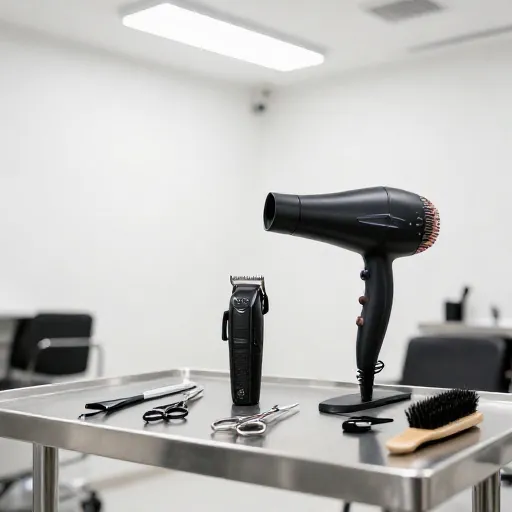
Don’t blow your entire savings on every gadget in the catalog. Start with the essentials: a high-velocity dryer, a good pair of clippers, and a few high-quality combs and brushes. Cheap tools will pull hair, overheat, and make your job twice as hard.
As you make money, upgrade your kit. Buy one nice pair of curved shears, then a straight pair. Slowly build your arsenal. Also, keep your blades sharp! There’s nothing worse than a dull blade that tugs at a dog’s skin.
5. Create a Rock-Solid Booking System
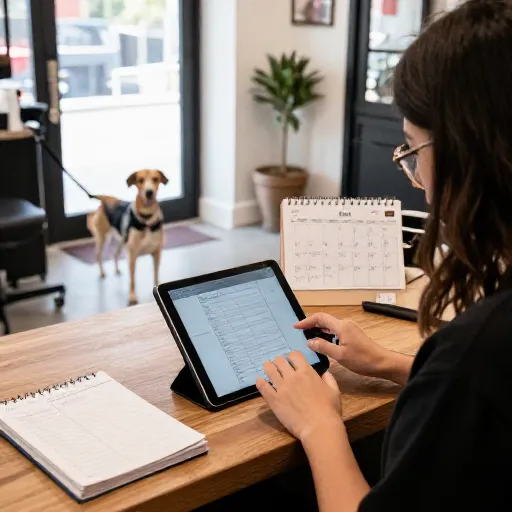
If you’re using a notebook and hoping you remember that Mrs. Johnson is coming at 10 AM on Saturday, you’re in trouble. You need a digital system. There are tons of grooming-specific software options that handle scheduling, reminders, and client notes.
Use the software to track which dog gets which shampoo, any allergies, and their favorite treat. This level of detail makes you look incredibly professional. Plus, automated text reminders cut down on no-shows, which are the absolute worst for your schedule.
6. Master the “Bath and Brush” Routine
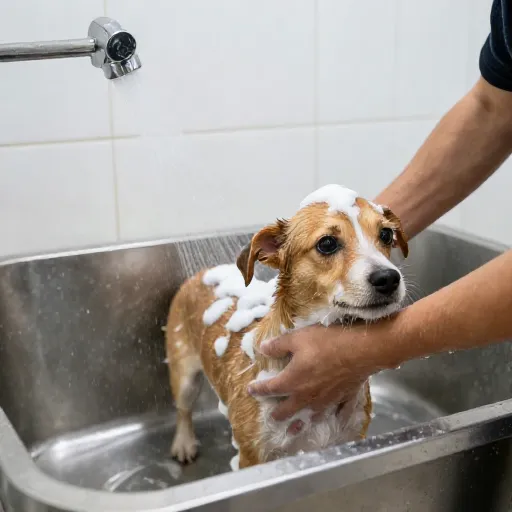
Don’t skip the prep work. Brushing out a matted coat before the bath saves you time and stress later. Once a dog gets wet, mats tighten up and become impossible to remove without shaving. Always brush thoroughly first.
Learn how to use a high-velocity dryer properly. It’s not just for drying; it fluffs the coat and blows out loose undercoat. This step is what makes a dog look professionally groomed versus “home-washed.” It takes practice, but it’s a game-changer.
7. Set Boundaries for “Difficult” Dogs
You will meet dogs that bite. It’s not a matter of “if,” but “when.” You need to learn how to read body language. A stiff tail, whale eyes, or a low growl means “back off.” Don’t push a dog past its limit just to finish a haircut.
It’s okay to fire a client. If a dog is too aggressive and poses a risk to you or itself, it’s not worth the money. Refer them to a vet groomer who can handle medical cases. Your safety and the dog’s well-being always come first.
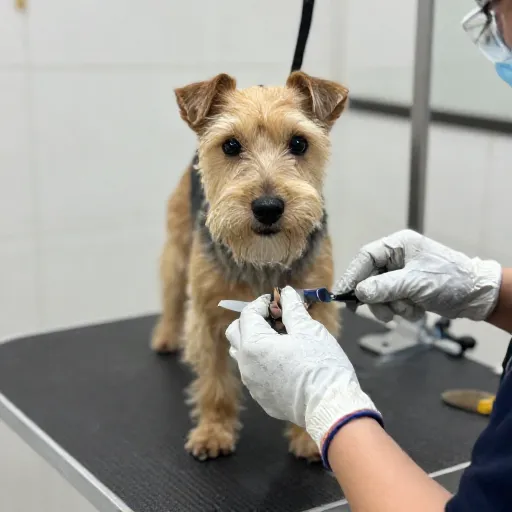
8. Price Your Services Correctly
This is the hardest part for beginners. You might be tempted to price low to get customers in the door. Don’t. You will attract clients who only care about price, and you’ll burn out working twice as hard for half the pay.
Research the rates in your area and price yourself in the mid-to-upper range. Remember, you are a professional. Factor in your time, your product costs, and your equipment wear-and-tear. If you do a fantastic job, people will pay for quality.
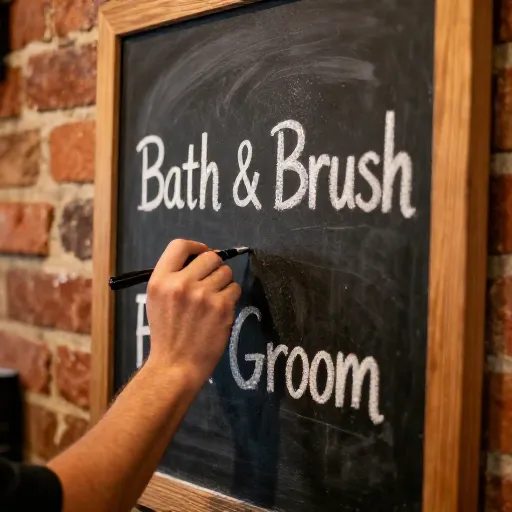
9. Keep Detailed Grooming Notes
I can’t stress this enough. After every groom, write down what you did. Did you use a #10 blade on the body? Did the dog have a tick near its ear? Did the owner say it was allergic to lavender? Log it all.
This is your goldmine. When the dog comes back in six weeks, you already know the routine. It speeds up your process and makes you look like a memory wizard to your clients. It also protects you if there is ever a dispute about what happened.

10. Don’t Forget the “Extras”
Offer services that are quick and profitable. Teeth brushing, paw pad trims, nail grinding, and de-shedding treatments are add-ons that clients love. They might not book a full groom, but they will book a “spa day” for a senior dog.
These extras boost your revenue without taking too much extra time. They also make your clients feel like they are giving their pets a luxury experience. Create a simple menu of these add-ons and put it on your price list.
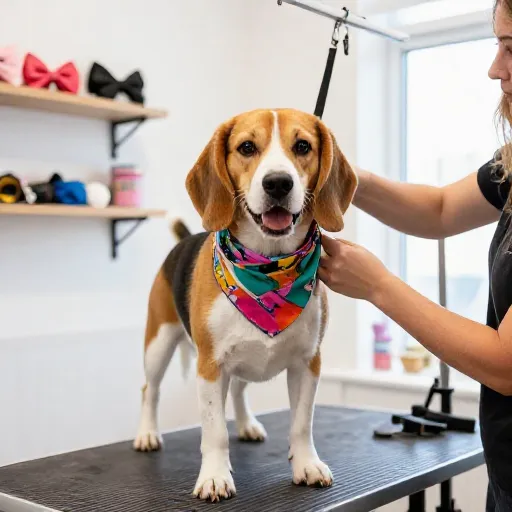
11. Learn Basic First Aid
Accidents happen. A dog might jump off the table, or you might accidentally nick a nail quick. You need to know how to handle these situations calmly. Keep a pet-specific first aid kit stocked with styptic powder, gauze, and antiseptic wipes.
More importantly, know when to refer to a vet. If a dog is limping or showing signs of distress, don’t try to be a hero. Call the owner immediately and explain the situation. Transparency builds trust, even when things go wrong.
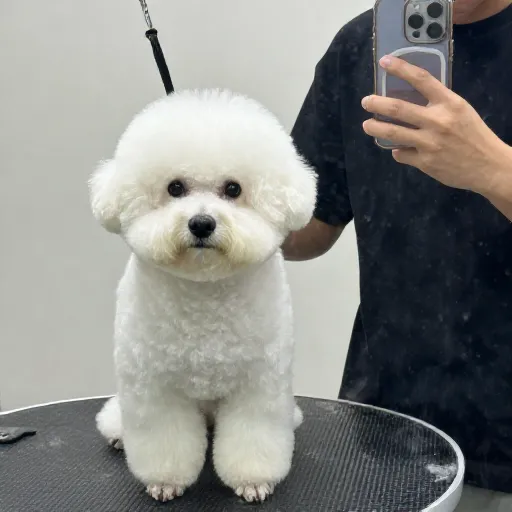
12. Market Yourself with Before & After Photos
Your work speaks for itself, but only if people see it. Take high-quality photos of your grooms. A good “before” shot of a matted dog and a sparkling “after” shot is your best marketing tool. Post these on Instagram and Facebook.
Always ask for permission before posting. Most clients will be thrilled to show off their pup’s new look. This is free advertising. It shows off your skill and your ability to transform a scruffy mess into a showstopper.
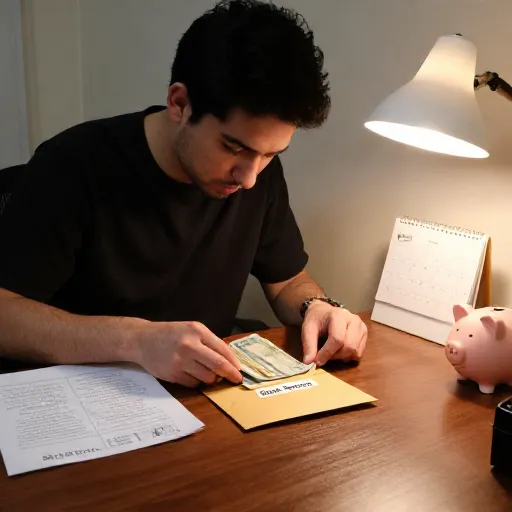
13. Save for the “Slow Season”
The grooming industry is cyclical. You will be slammed in the spring (hello, shedding season) and before the holidays. But January and September can be quiet. You need to save a cushion to cover your bills during those slower months.
Treat your business like a business. Put a percentage of every groom into a separate savings account. This will reduce your stress and keep you from panicking when the calendar looks a little empty.

14. Take Care of Your Own Body
Grooming is physically demanding. You are standing, bending, and lifting heavy dogs all day. Your wrists, back, and shoulders will take a beating. Invest in an anti-fatigue mat and a grooming table that adjusts to your height, not the dog’s.
Do not skip stretching. Take five minutes between grooms to roll your shoulders and stretch your back. This is a marathon, not a sprint. If you injure yourself, your business stops. So, wear supportive shoes and keep your core strong.
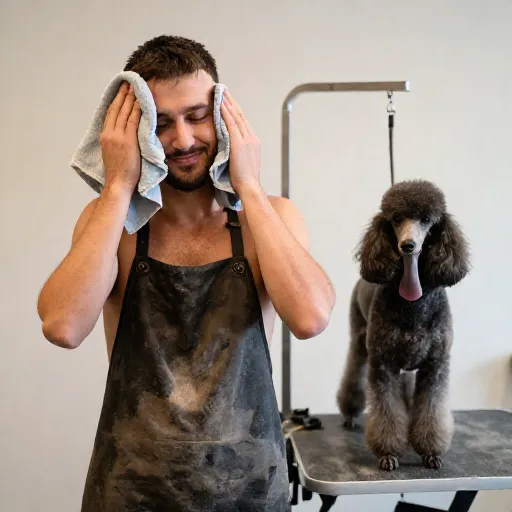
Final Thoughts
Starting a dog grooming business is a steep learning curve. There will be days when you’re covered in fur, smell like wet dog, and wonder why you ever thought this was a good idea. But then a pup wags its tail at you, or a client teary-eyes at their perfectly groomed senior dog, and it all becomes worth it.
Take it one dog at a time. Keep learning, keep your standards high, and always put the dog’s comfort first. The rest will fall into place. You’ve got this.
Frequently Asked Questions
How much does it cost to start a dog grooming business?
It really varies. A mobile setup or a simple home-based kit can cost between $2,000 and $5,000. If you’re renting a salon space and buying professional equipment, you could easily spend $20,000 or more. Start small and reinvest your profits.
Do I need a license to groom dogs?
This depends on where you live. Many places don’t require a specific grooming license, but you will need a business license and possibly a permit to operate. Check your local city and state regulations. Also, look into pet first aid certification to boost your credibility.
How do I handle a dog that bites or snaps?
Safety first. Use a grooming loop to secure the dog, but never leave them unattended. If a dog is aggressive, stop the groom. Try using a muzzle if safe. If the dog is too stressed, send them home and recommend a vet who offers sedated grooms.
How long does it take to groom a dog?
It depends on the breed, size, and coat condition. A simple bath and brush on a small, well-behaved dog might take an hour. A full groom on a large, matted doodle could take three hours or more. Always quote a time range when booking.
Should I offer a “puppy package”?
Absolutely. Getting puppies used to grooming early is essential. Offer a short, positive session that includes a bath, blow dry, and nail trim. Keep it fun and end on a high note. This builds your future client base and creates a loyal customer.