Train Your Dog to Be Alone Without Meltdowns
Understanding Separation Anxiety in Dogs
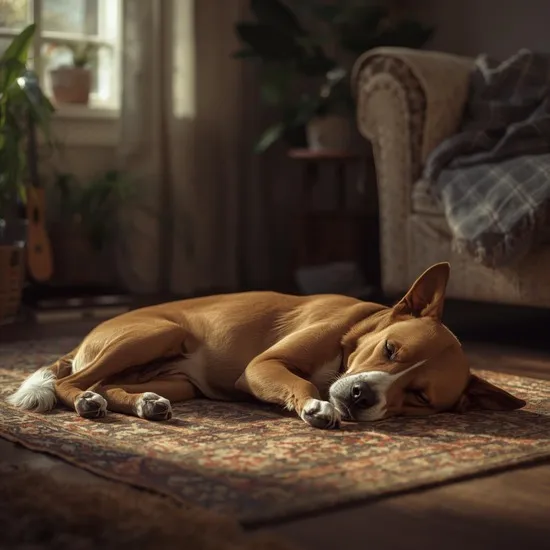
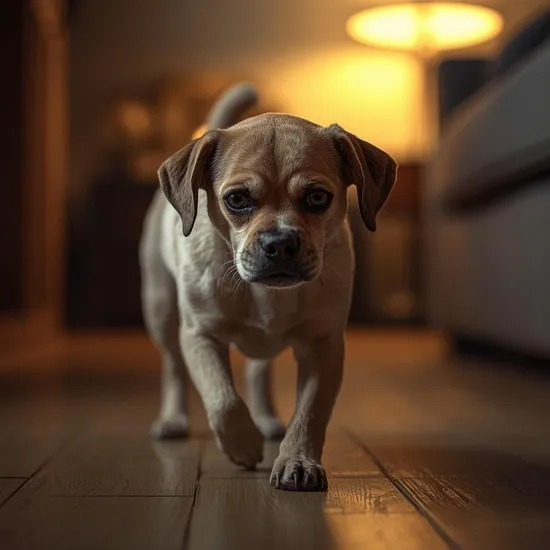
When I first left my dog alone, I noticed signs of distress like barking, pacing, and chewing on furniture. Separation anxiety is common, especially in young or newly adopted dogs. Recognizing the signs early is crucial for preventing long-term stress. It’s important to approach this patiently and understand that your dog’s reactions are natural, not misbehavior. By observing body language and reactions, you can tailor your training techniques to your dog’s specific needs.
Dogs are highly social animals, and being left alone can trigger intense emotions. Stressful experiences can escalate if not addressed correctly, leading to destructive behaviors or emotional meltdowns. Positive reinforcement, gradual desensitization, and creating a safe environment can make a big difference. The goal is to teach your dog that being alone is safe and even enjoyable, which improves their overall mental health and strengthens your bond.
Gradual Desensitization Steps
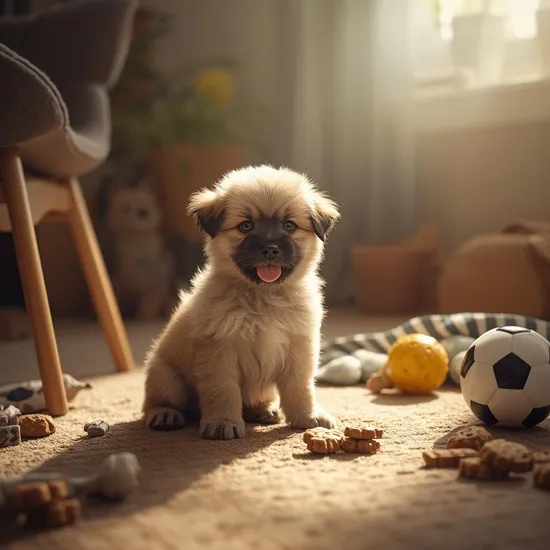
One of the most effective methods I used was gradual desensitization. I started by leaving my dog alone for just a few minutes and then slowly increased the duration over several weeks. Pairing these short departures with positive rewards like treats and toys helped my dog associate being alone with good experiences. Consistency is key, and it’s important to avoid making sudden long departures early in training, as this can worsen anxiety.
During these practice sessions, I paid close attention to signs of stress. If my dog became anxious, I would pause the training and try again later with shorter intervals. Over time, my dog began to relax and even enjoy some alone time. This method also helps prevent meltdowns by gradually increasing their confidence in being alone. Patience and observation are essential to successful desensitization.
Creating a Comfortable Alone Space
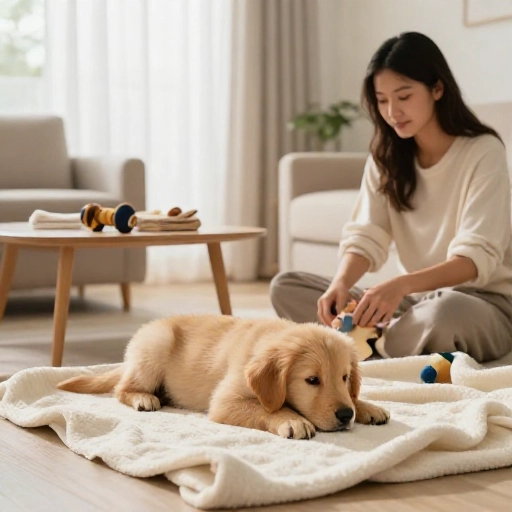
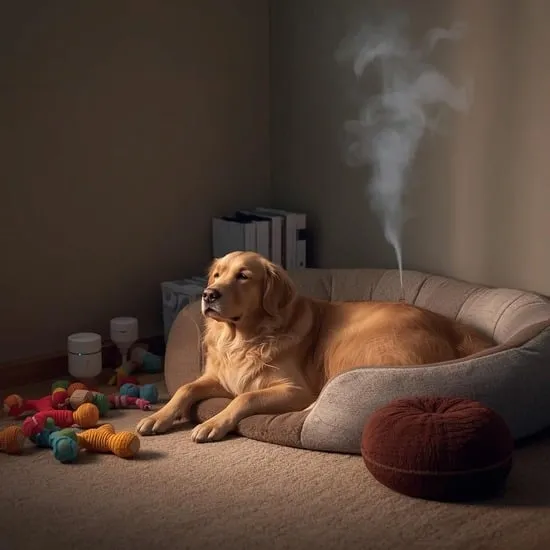
Another step that helped tremendously was setting up a comfortable and safe space for my dog. I included a cozy bed, favorite toys, and items that smelled like me. This created a secure environment that my dog could associate with positive experiences. Having a designated area helps reduce anxiety and gives your dog a place to retreat to when feeling unsure.
I also used calming tools like background music and pheromone sprays to create a soothing atmosphere. Over time, this space became a sanctuary for my dog. Establishing a routine around using this space reinforced positive behavior and reduced stress. The more comfortable and predictable the environment, the less likely your dog is to have a meltdown when left alone.
Using Positive Reinforcement
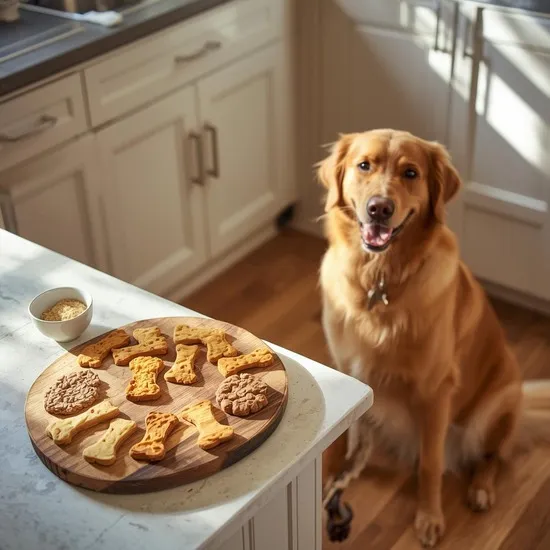
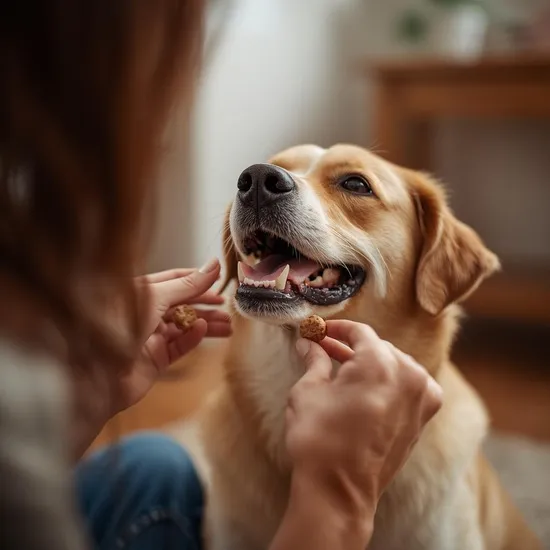
Rewarding calm behavior is critical. I made sure to praise my dog and provide treats when they stayed relaxed during alone time. Positive reinforcement encourages the behaviors you want to see, making training more effective and enjoyable for your dog. Avoid punishing anxious behaviors, as this can increase fear and worsen separation anxiety.
Over time, I noticed that my dog began to wait patiently and enjoy solo time. Using a combination of rewards, attention, and consistent routines helped my dog learn that being alone isn’t scary. Positive reinforcement not only reduces meltdowns but also strengthens your bond by showing trust and understanding. Consistency and patience are the keys to success.
Tips for Long-Term Success
Consistency and gradual progression are essential for maintaining the gains in training. Continue to provide positive experiences when leaving your dog alone, and gradually extend the duration as your dog becomes more comfortable. Avoid sudden changes to their routine, as this can trigger anxiety.
Regular exercise, mental stimulation, and maintaining a calm departure routine help reinforce positive behavior. By following these strategies, my dog learned to enjoy alone time without meltdowns. The key takeaway is that with patience, observation, and positive reinforcement, your dog can thrive even when spending time alone.