How to Get Rid of That Nasty Cat Pee Smell (For Good)
Let’s be real—there’s nothing quite like that sharp, ammonia-like smell of cat pee. It hits you the second you walk into a room, and if you’re reading this, you probably already know the struggle of trying to scrub it away, only to have it linger. I’ve been there, too. The good news? It’s totally fixable.
Cat urine is stubborn because it contains uric acid, which doesn’t dissolve easily in water. That’s why your usual all-purpose spray just isn’t cutting it. The trick is to break down those crystals with the right tools—and a little patience. Below, I’m sharing the exact steps I’ve used to finally kick that smell out of my home for good.
1. Find Every Spot (Even the Hidden Ones)
Before you clean, you need to know exactly where the smell is coming from. Cats are sneaky—they’ll pee behind furniture, on rugs, or even under your bed. If you miss a spot, the smell will come right back.
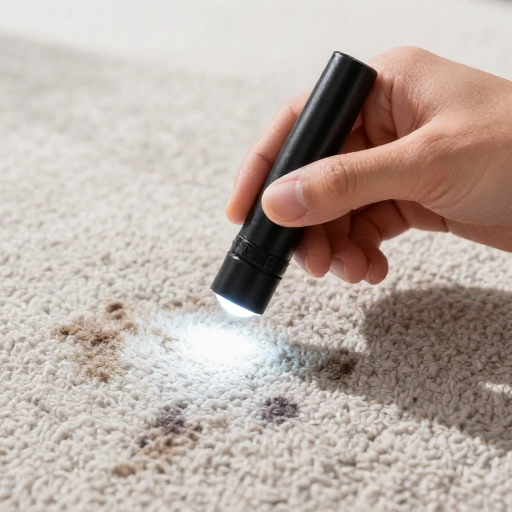
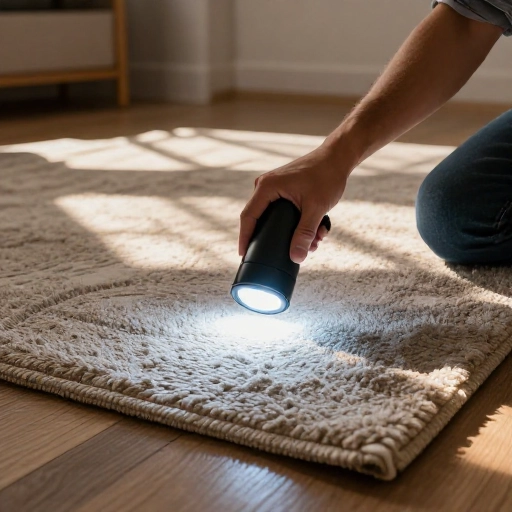
Grab a blacklight flashlight (you can find them cheap online). Turn off the lights and scan your floors, baseboards, and furniture. The urine will glow a faint yellow-green. Mark the spots with chalk or a sticky note so you don’t lose them.
This step is a game-changer. Once you see where the problem really lives, you can target it properly instead of guessing.
2. Blot, Don’t Rub (Fresh Spills First)
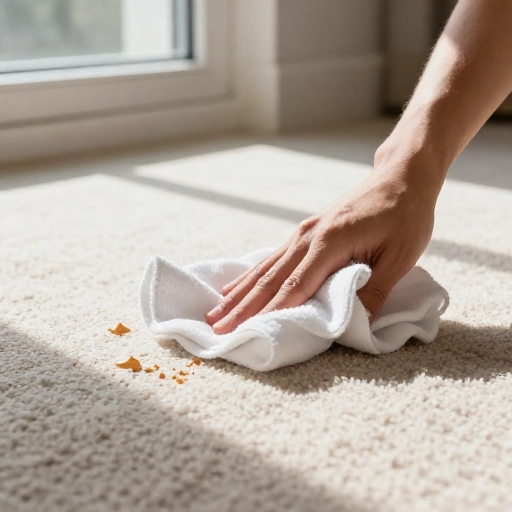
If the accident just happened, act fast. Grab a stack of paper towels and press down firmly on the wet area. Do not rub—that just pushes the urine deeper into the fibers. Keep blotting until the paper towel comes up mostly dry.
For carpets, put a heavy book or a stack of plates on top of the towels and let the pressure soak up as much liquid as possible. This step is simple but makes a massive difference before you start applying any cleaners.
Once it’s as dry as you can get it, move on to the deep cleaning steps below.
3. Skip the Ammonia-Based Cleaners
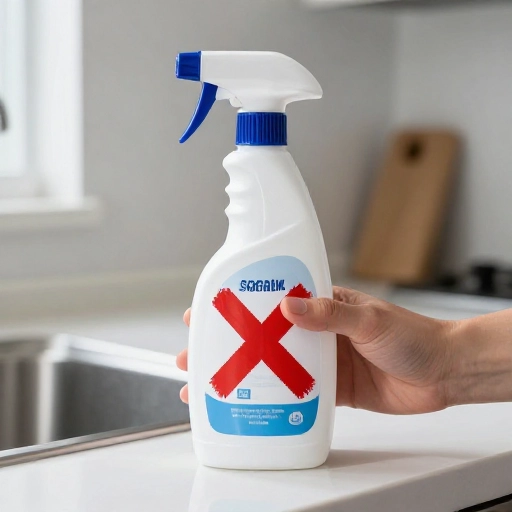
This one trips up a lot of people. Some household cleaners contain ammonia, which smells similar to cat urine to a cat. So when you spray that cleaner on the spot, your cat might think it’s a bathroom sign—and pee there again.
Check your bottle labels. If you see “ammonia” listed, put it aside. Stick with enzyme cleaners or DIY solutions that don’t mimic urine. Your goal is to remove the smell, not make it more inviting for a repeat performance.
Trust me, I learned this the hard way after my cat kept revisiting a spot I thought was clean.
4. Use an Enzyme Cleaner (The Real Hero)
Enzyme cleaners are specifically designed to break down the uric acid crystals in cat pee. They’re not just masking the smell—they’re eating it at the source. Look for one labeled “enzymatic” or “biological” at the pet store.
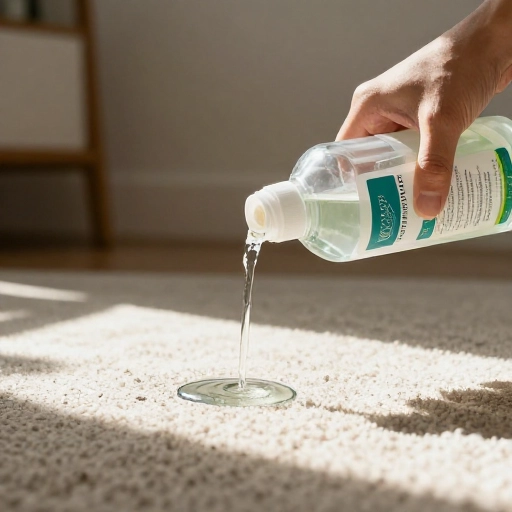
Spray the cleaner generously on the spot, let it sit for 10–15 minutes (or as long as the bottle says), then blot it up. Don’t rinse with water afterward—you want the enzymes to keep working as they dry.
For old stains, you might need to repeat this a couple of times. But it works. I’ve saved a rug I was sure was a lost cause.
5. Try the Baking Soda + Vinegar Trick
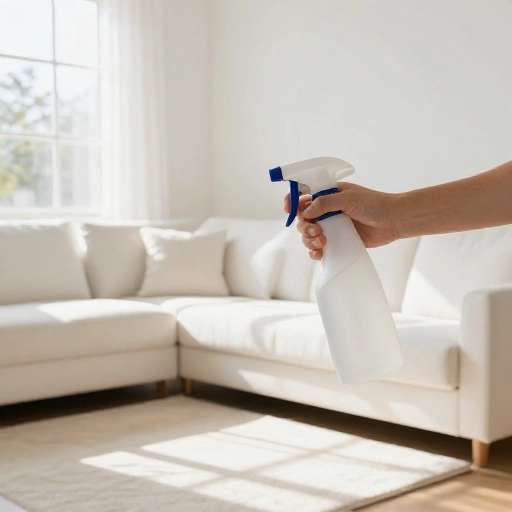
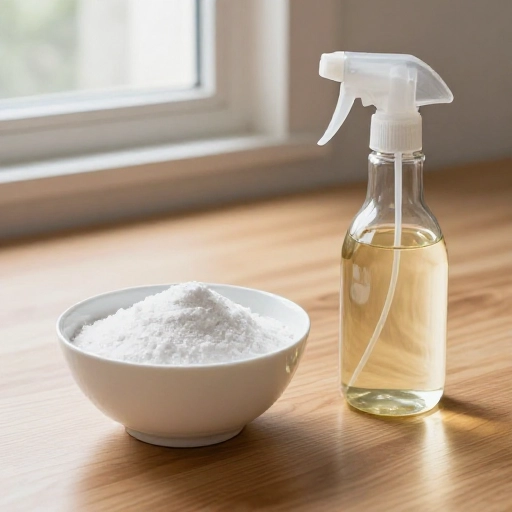
If you prefer a DIY route, this duo is your go-to. Sprinkle a generous layer of baking soda over the wet spot—enough to cover it completely. Then, in a spray bottle, mix equal parts white vinegar and water (about 1:1).
Spray the vinegar mixture over the baking soda. It will fizz and bubble—that’s it working. Let it sit for 15–20 minutes, then blot everything up with a clean cloth. The vinegar smell will fade as it dries, taking the cat pee odor with it.
This is great for carpet and upholstery, but test a hidden spot first to make sure the fabric doesn’t discolor.
6. Don’t Forget the Mattress or Couch
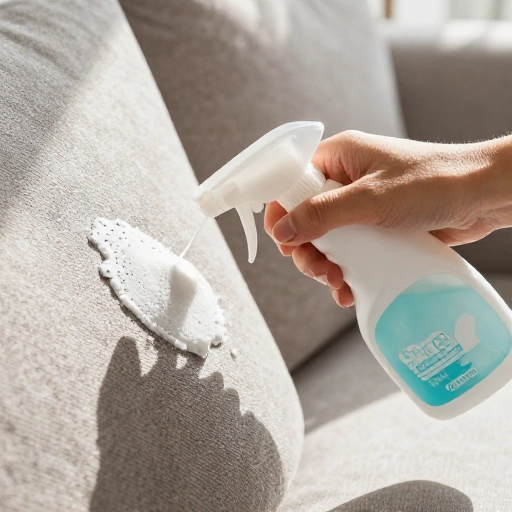
Cat pee on a mattress or couch feels like a nightmare, but it’s fixable. Start by blotting up as much as you can with paper towels. Then, sprinkle baking soda all over the area and let it sit for a few hours—overnight is even better.
Vacuum up the baking soda, then spray with an enzyme cleaner. Let it air dry completely. If the smell persists, repeat the process or try a portable carpet cleaner with an upholstery attachment.
I’ve had success with this on a sofa cushion that my cat claimed as her own. It took two rounds, but now it’s odor-free.
7. Wash Machine-Washable Items with Care
If the pee got onto blankets, pillowcases, or cat beds, toss them in the washing machine. But don’t just use regular detergent—add a cup of white vinegar to the rinse cycle or use an enzyme cleaner additive.
Skip the fabric softener, as it can coat fibers and trap odors. Wash on a warm cycle (not hot, which can set stains), and dry on low heat. Check for smell before tossing in the dryer—if it’s still there, rewash.
This method has saved my favorite throw blanket more than once. Just be patient and let the machine do the work.
8. Deal with Hard Floors (Tile, Wood, Laminate)
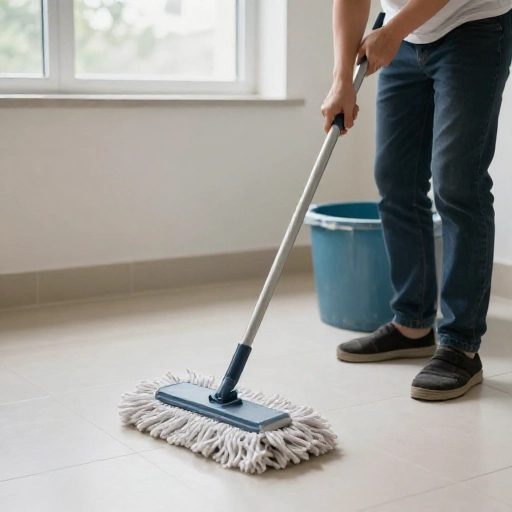
Cat pee on tile or sealed wood is easier than carpet, but it can still seep into grout or cracks. Wipe up the liquid first, then spray the area with an enzyme cleaner or a mix of water and vinegar (1:1). Let it sit for 5 minutes, then wipe clean.
For grout lines, use an old toothbrush to scrub the cleaner in. Grout is porous, so the smell can hide there. If you’re dealing with unsealed wood, be careful—too much liquid can damage it. Blot quickly and use a dry cloth to absorb.
I’ve had good luck with a spray bottle and a microfiber cloth for my kitchen floor. Just make sure to dry the area well afterward.
9. Prevent Future Accidents
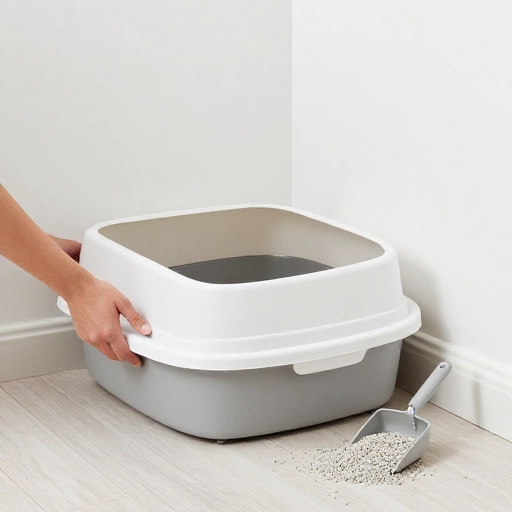
Once the smell is gone, you want to keep it that way. Make sure your cat’s litter box is clean—scoop daily and change the litter weekly. Some cats are picky about box placement, so keep it in a quiet, low-traffic area.
If your cat keeps peeing outside the box, it might be a health issue. A quick trip to the vet can rule out UTIs or other problems. Stress can also cause marking, so try calming sprays or extra playtime.
I added a second litter box to my home and saw an instant drop in accidents. Sometimes it’s that simple.
10. Use a Blacklight for Follow-Up Checks
After you’ve cleaned, don’t assume you’re done. Grab that blacklight again and check the area once it’s fully dry. If you still see a faint glow, the smell may still be lurking. Hit it with another round of enzyme cleaner.
This is especially important for old, set-in stains. They can take multiple treatments. I’ve learned to be patient—sometimes it takes three or four passes before the smell is completely gone.
Once the blacklight shows nothing, you’re in the clear. Give yourself a high-five—you did it.
Conclusion
Getting rid of cat pee smell isn’t about magic—it’s about using the right approach and sticking with it. Whether you go with enzyme cleaners, baking soda and vinegar, or a combination of both, you can absolutely reclaim your home. Don’t get discouraged if it takes a few tries. Your nose (and your cat) will thank you.
Now go enjoy your fresh-smelling space. You deserve it.
FAQ
Q: Can I use bleach to remove cat pee smell?
A: No, bleach is not effective and can be dangerous when mixed with ammonia in urine. It also doesn’t break down uric acid. Stick with enzyme cleaners or vinegar instead.
Q: Why does my cat keep peeing in the same spot?
A: Cats are creatures of habit. If the smell isn’t completely gone, they’ll return to that spot. Clean thoroughly with an enzyme cleaner, and consider blocking the area with furniture or a citrus-scented spray (cats dislike citrus).
Q: How long does it take for enzyme cleaners to work?
A: Most enzyme cleaners need time to break down the urine—usually 10–15 minutes of contact. For old stains, you might need to let it sit longer or repeat the process a few times over a couple of days.
Q: Is cat pee smell harmful to breathe?
A: In large amounts, yes. The ammonia can irritate your lungs and eyes. Always clean in a well-ventilated area and wear gloves if the smell is strong. If you have a persistent problem, address it quickly.
Q: Can I use a steam cleaner on cat pee?
A: Be careful—heat can set the stain and make the smell worse. It’s best to treat the area with an enzyme cleaner first, then steam only if the label says it’s safe. Test a small spot first to avoid damage.