How to Cook Salmon for Cats: A Simple, Healthy Recipe Your Feline Will Love
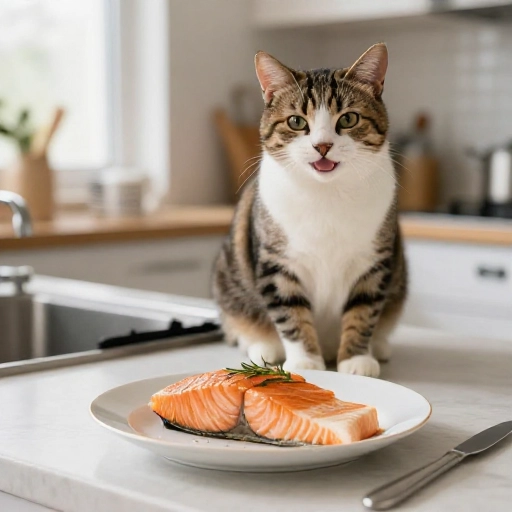
I still remember the first time I cooked salmon for my cat, Luna. She was sitting by my feet, staring up at me with those big eyes, meowing like she hadn’t eaten in days. I wanted to give her something special, but I was nervous—can cats even eat salmon? Turns out, they can, and it’s actually super healthy for them. But there’s a right way to do it.
Plain, cooked salmon is packed with omega-3 fatty acids, which help keep your cat’s coat shiny and their joints healthy. The trick is to keep it simple—no salt, no spices, no butter. Just pure, gentle salmon that’s easy on their tummy. In this post, I’ll walk you through my go-to recipe that never fails, plus answer all the questions I had when I first started.
Whether your cat is a picky eater or just deserves a little treat, this salmon recipe is quick, safe, and so rewarding. Let’s get cooking!
Equipment Needed
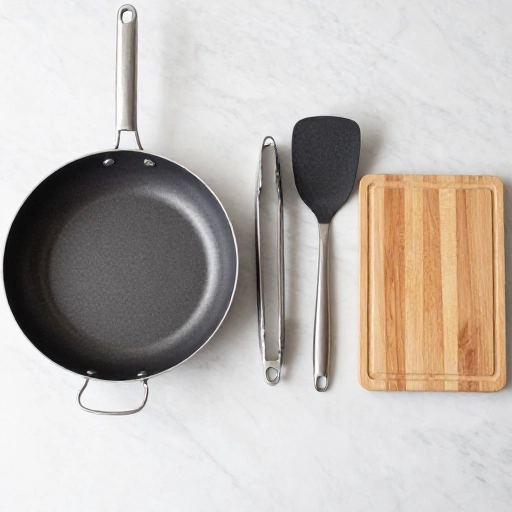
You don’t need fancy kitchen gear for this. I use what I already have, and it works perfectly. Here’s what I grab:
- A small non-stick skillet or frying pan
- A fork for flaking the salmon
- A cutting board and a sharp knife
- A plate or bowl to let the salmon cool
- Optional: a small steamer basket if you prefer steaming
That’s it. No blender, no special gadgets. Just everyday stuff you probably own. I like using a non-stick pan because it means I don’t need oil, which is better for your cat.
Ingredients
The ingredient list is short, and that’s the beauty of this recipe. Here’s what you need:
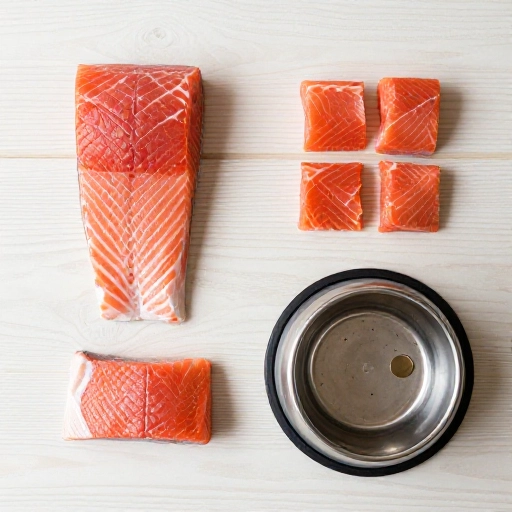
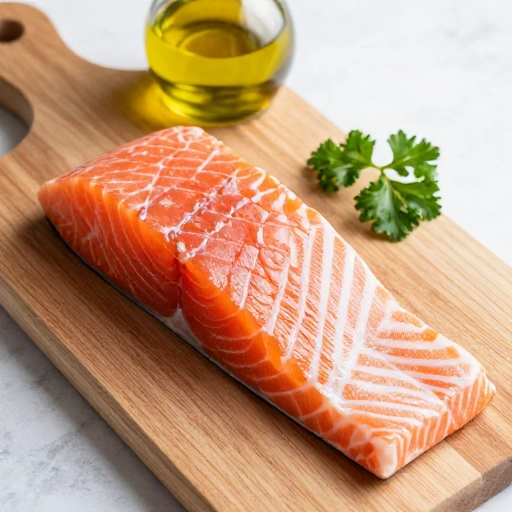
- 1 fresh or frozen salmon fillet (about 4 ounces)
- Water (just a splash for cooking)
I always choose wild-caught salmon when I can. It has fewer contaminants and more nutrients. But farmed salmon works fine too—just make sure it’s plain, with no added salt or seasonings. If your salmon is frozen, let it thaw in the fridge overnight.
One more thing: skip the skin. I remove it before cooking because it can be a choking hazard for cats. Trust me, your cat won’t miss it.
How to Make Salmon for Your Cat
Here’s the step-by-step process I follow every time. It takes about 10 minutes total.
Step 1: Prep the salmon. Rinse the fillet under cold water and pat it dry with a paper towel. Remove any bones with your fingers or tweezers—cats have tiny throats, so this is important.
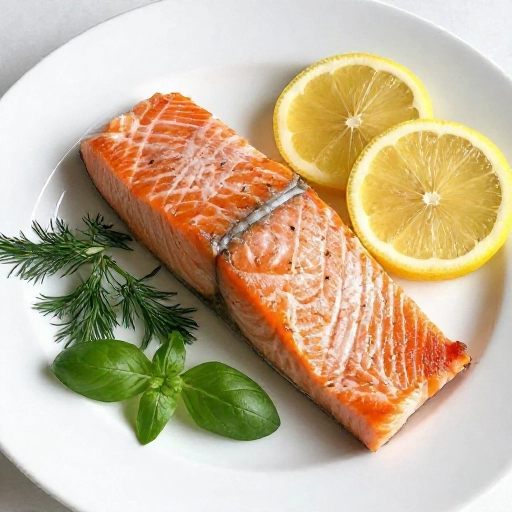
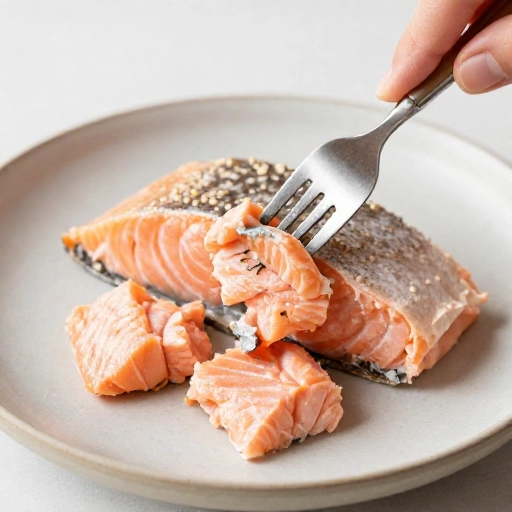
Step 2: Cook it gently. Place the salmon in your non-stick skillet. Add a splash of water (about 2 tablespoons) to the pan. Cover with a lid and cook over medium-low heat for 5 to 7 minutes. The salmon should be opaque and flake easily when done. No oil, no butter, no seasoning.
Step 3: Cool and flake. Transfer the salmon to a plate and let it cool completely. Then, use a fork to break it into small, bite-sized flakes. I double-check for any leftover bones during this step.
Step 4: Serve it up. Spoon a small portion into your cat’s bowl—about 1 to 2 tablespoons depending on their size. Store the rest in an airtight container in the fridge for up to three days.
That’s all there is to it. Your cat will probably come running the minute they smell it.
Why This Recipe Works
I’ve tried a few ways to cook salmon for cats, and this method wins every time. Here’s why I stick with it.
First, it’s super gentle on their stomach. Using water instead of oil keeps it light and easy to digest. Second, it preserves all those good omega-3s without adding anything harmful. Cats don’t need salt or garlic—those can actually be toxic. Keeping it plain means you’re giving them pure nutrition.
Plus, it’s fast. When Luna is meowing for her treat, I don’t want to wait around. This recipe is ready in under 10 minutes, and I can make a batch for the week. It’s also budget-friendly—one fillet gives me several servings, so I feel good about spoiling her without wasting food.
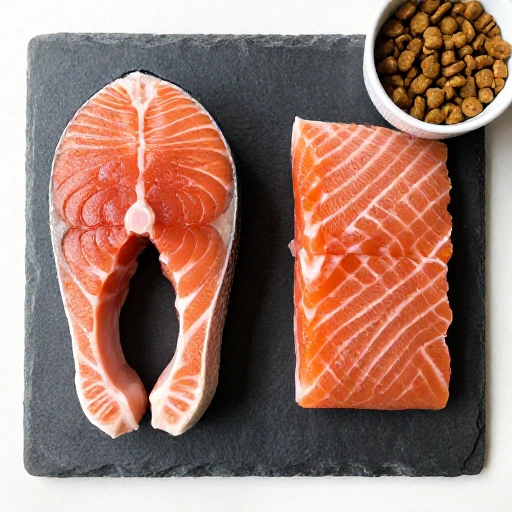
Lastly, it’s versatile. I sometimes mix the flakes into her regular kibble or use it as a topper for wet food. It’s a simple way to add variety to her diet without stressing over fancy recipes.
Conclusion
Cooking salmon for your cat doesn’t have to be complicated. With just a fillet and a splash of water, you can whip up a treat that’s healthy, safe, and absolutely loved by your furry friend. I’ve been making this for Luna for years, and she still gets excited every time.
Remember to keep it plain, check for bones, and serve in small amounts. Your cat will thank you with purrs and happy tail wags. Give it a try this weekend—I promise it’s worth the few minutes of effort!
Frequently Asked Questions
Can cats eat raw salmon?
It’s safer to cook salmon for your cat. Raw salmon can contain parasites or bacteria that might upset their stomach. Cooking kills those risks.
How much salmon can I give my cat?
Stick to small portions—about 1 to 2 tablespoons per serving, a few times a week. Too much can lead to weight gain or nutritional imbalances.
Is it okay to use canned salmon?
Yes, but choose canned salmon packed in water with no added salt or oil. Drain it well and flake it before serving.
Can I freeze cooked salmon for later?
Absolutely. Store cooled, flaked salmon in a freezer-safe bag or container. It keeps for up to three months. Thaw in the fridge before serving.
What if my cat doesn’t like salmon?
Some cats are picky. Try mixing a tiny bit into their favorite wet food or warming it slightly to boost the smell. If they still refuse, don’t force it—every cat has their own taste.