Your Dog Will Love This Soothing Homemade Meal (Perfect for Sensitive Tummies)
I remember the first time my little guy turned his nose up at dinner. His tail was down, his belly was making noises, and I felt completely helpless. After a few vet visits and a lot of trial and error, I discovered that sometimes the best medicine comes from the kitchen. This simple, bland meal became our go-to recipe whenever he needed a gentle reset.
This isn’t just any meal. It’s a warm, soft, and easy-to-digest dish that works wonders for dogs with upset stomachs, poor appetites, or just picky moods. It uses plain ingredients you probably already have on hand, and it takes less than 15 minutes to make. No fancy equipment, no stress—just a happy, wagging tail at the end.
I always feel better when I know exactly what’s going into his bowl. And when he licks it clean? That’s the best feeling in the world.
What You’ll Need (Simple Kitchen Tools)
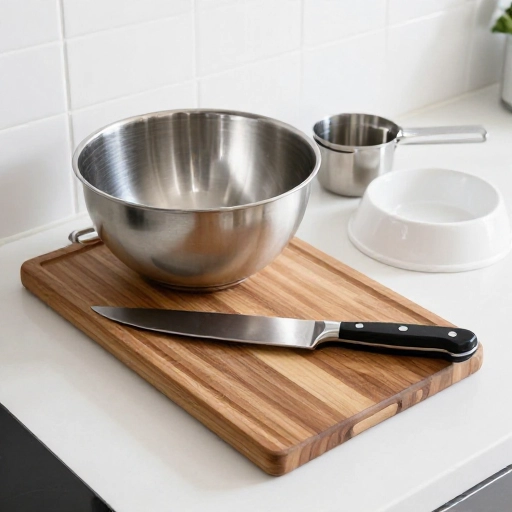
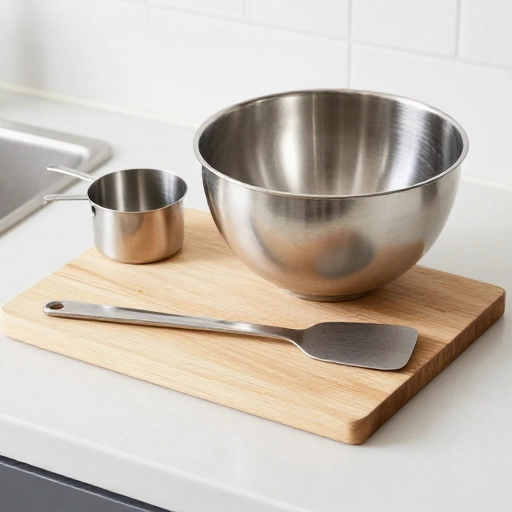
You don’t need a gourmet kitchen for this. Just grab a medium saucepan, a wooden spoon, and a cutting board. A fine grater is nice to have if you want to shred a little carrot, but honestly, you can just chop it very small. That’s it. No blender, no food processor, no fuss. We’re keeping things as simple as the recipe itself.
Ingredients That Heal (Only 4 Items)
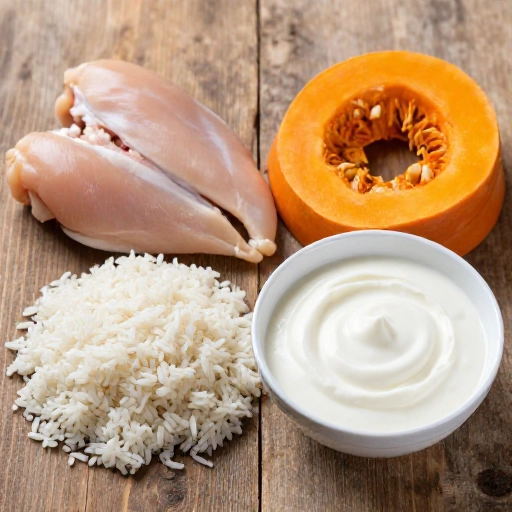
The beauty of this meal is its simplicity. You only need four ingredients, but each one plays a key role. First, boneless, skinless chicken breast—this is the lean protein that’s easy on a sensitive stomach. Second, plain white rice (not instant or seasoned) which acts as a binder and provides gentle energy. Third, a small handful of fresh or frozen peas for a bit of fiber and sweetness. And fourth, a splash of water or low-sodium chicken broth (just check the label—no onion or garlic powder!).
How to Make This Gentle Meal (Step-by-Step)
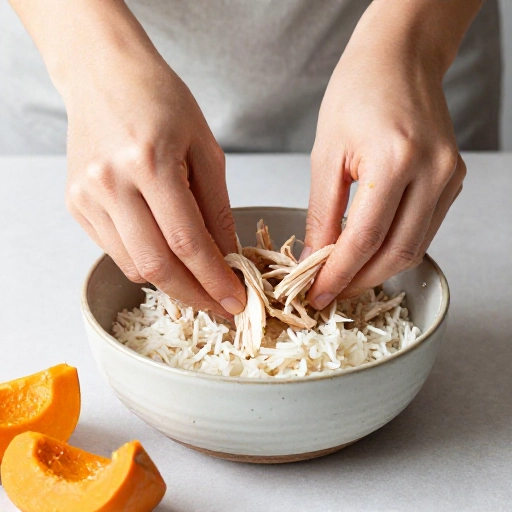
Start by rinsing half a cup of white rice under cold water. In your saucepan, add the rice and two cups of water (or broth). Bring it to a gentle boil, then reduce the heat to low, cover, and let it simmer for about 12 minutes. While the rice cooks, dice one small chicken breast into tiny, pea-sized pieces. When the rice is almost done, stir in the chicken and a handful of peas. Cover and cook for another 4-5 minutes until the chicken is fully cooked through and no longer pink. Let it cool completely before serving. That’s it. Your dog’s comfort meal is ready.
Why This Recipe Works So Well
I’ve tried countless store-bought options, but nothing beats this homemade version. The chicken provides essential amino acids without the fat that can irritate a sensitive gut. The rice acts like a gentle sponge, absorbing excess stomach acid and firming up loose stools. Peas add a touch of sweetness that even the pickiest eaters find irresistible. Plus, you control the salt and seasoning—which means zero hidden ingredients. When I feed this to my dog, I see his energy come back within hours. It’s not just food; it’s a little bowl of comfort.
Conclusion
If your dog is feeling off, skipping meals, or just needs a gentle reset, this recipe is your new best friend. It’s warm, simple, and made with love. The next time your pup looks at you with those sad eyes, you’ll know exactly what to do. Give this meal a try, and watch that tail start wagging again.
Frequently Asked Questions
1. Can I use brown rice instead of white rice?
White rice is better here because it’s easier to digest and less fibrous. Brown rice can be too rough on a sensitive stomach.
2. How long can I store this meal?
Keep it in an airtight container in the fridge for up to 3 days. I usually make a small batch fresh each time.
3. My dog is allergic to chicken. What can I use?
Lean ground turkey or boiled, shredded white fish (like cod) works great. Just follow the same cooking method.
4. Can I add other vegetables?
Stick to plain peas or a tiny bit of grated carrot for now. Avoid onions, garlic, or anything from the cabbage family.
5. How much should I feed my dog?
Start with about a quarter of their normal meal size. If they keep it down, you can gradually increase over the next day or two. Always consult your vet for specific portions.