10 Durable Homemade Dog Toy Projects That Actually Survive Chewers
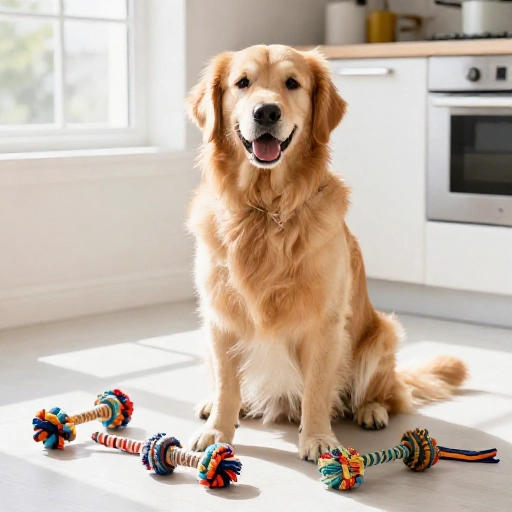
Let’s be real—store-bought dog toys are either feather-light (gone in 3 minutes) or cost as much as a nice dinner. I got tired of buying “indestructible” toys that my lab mix, Biscuit, shredded into confetti before I finished my coffee. So, I started raiding my junk drawer and fabric stash.
These ten DIY dog toy projects are the real deal. They’re tough, budget-friendly, and you probably have most of the supplies hiding in your house right now. Plus, making toys for your pup is oddly satisfying—way better than spending another $15 on a squeaky hedgehog that dies on day one.
Why Make Durable DIY Dog Toys?
First off, it saves your wallet. A single heavy-duty rope toy at the pet store can run you $10-$20. I can make three different toys from an old pair of jeans and a tennis ball for free. That’s a win in my book.
Beyond the cost, it’s about safety and control. When you make it yourself, you know exactly what materials are in your dog’s mouth. No mystery chemicals, no flimsy plastic bits that break off and cause a choking hazard. Plus, you can size the toy perfectly for your dog—bigger for power chewers, softer for puppies. It’s a great way to recycle old fabric too, which feels a lot better than tossing it in a landfill.
Finally, it’s a fun little project. There’s something special about watching your dog go nuts over a toy you made with your own two hands. It makes the play session feel even more rewarding.
Essential Tools & Materials You’ll Need
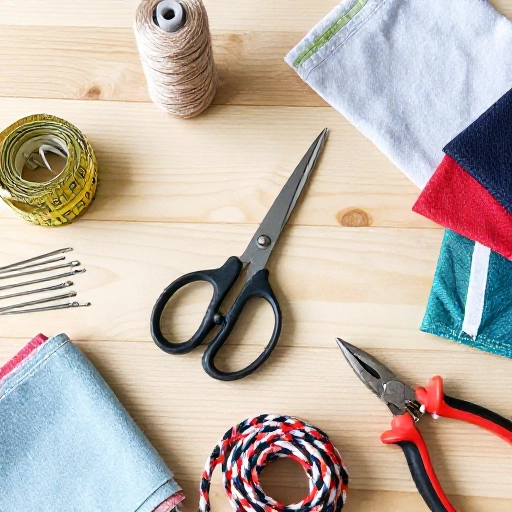
Before you start cutting up your old clothes, let’s gather your arsenal. You don’t need a fancy craft room—just a few basic items that make a huge difference in durability.
Here’s what I keep on hand for my DIY dog toy sessions:
- Sharp Fabric Scissors: Dull scissors make frayed edges that unravel fast. Sharp ones give clean cuts that hold up better to tugging.
- Old 100% Cotton Jeans: Denim is your best friend. It’s thick, tough, and stands up to serious jaw power.
- Cotton Rope: Look for thick, braided cotton rope (about 1/2 inch thick). It’s safe for teeth and makes amazing tugs.
- Tennis Balls or Rubber Balls: They serve as a great core for many toys. Just make sure they’re not too small for your specific dog.
- Fleece Fabric: This is great for the braided toys because it stretches slightly and doesn’t fray on the edges. Old fleece blankets are perfect.
- Measuring Tape: You want consistent lengths for braids and knots. Eyeballing it can lead to lopsided toys.
That’s really it! No glue guns needed (glue is a choking hazard), just good old-fashioned knots and braids.
Ingredients List: Choosing the Right Chew-Safe Materials
Okay, so this isn’t a recipe for food, but the “ingredients” are just as important. Using the wrong stuff can be dangerous. Stick to these tried-and-true materials to keep your pup safe and happy.
- 100% Cotton Denim: The heavyweight champion. It’s durable and softens over time, making it easier on gums while still being tough.
- 100% Cotton Fleece: Perfect for braided toys. It’s soft, flexible, and doesn’t have that slippery finish that synthetic fleece has.
- Thick Cotton Rope: Great for dental health (acts like floss) and super strong. Just watch for frayed strands after heavy play and trim them.
- Tennis Balls: A classic. They provide a bouncy core. Just be aware that the fuzz can wear off, so supervise if your dog is a super aggressive chewer.
- Old T-Shirts: These are best for braided toys, but they are not as durable as denim. Use them for lighter chewers or make the braid extra thick.
A quick note on substitutions: Avoid using materials that can splinter, like wood or hard plastic. Also, steer clear of anything with small buttons, zippers, or stuffing that could be ingested. When in doubt, leave it out!
How to Build Your Durable Dog Toy Collection: Step-by-Step
Now for the fun part! Here are my top three go-to designs that are practically bomb-proof. I’ll walk you through the process for each one.
Project #1: The Denim Tug-of-War Braid
- Cut three long strips of denim, about 2 inches wide and 2 feet long each.
- Tie a tight knot at one end of all three strips together.
- Braid the three strips tightly, just like you would with hair.
- When you reach the end, tie another very tight knot to secure the braid. Leave a little fringe on the ends for extra texture.
Project #2: The Ball-in-a-Sock Launcher (Not a Sock!)
- Take a large, tough fabric scrap (like a piece of an old pair of jeans) and place a tennis ball in the center.
- Gather the edges of the fabric up around the ball.
- Secure the gathered fabric with a strong knot right at the top of the ball.
- Now, braid the remaining fabric tails together to create a handle. This gives you a perfect throw-and-tug toy.
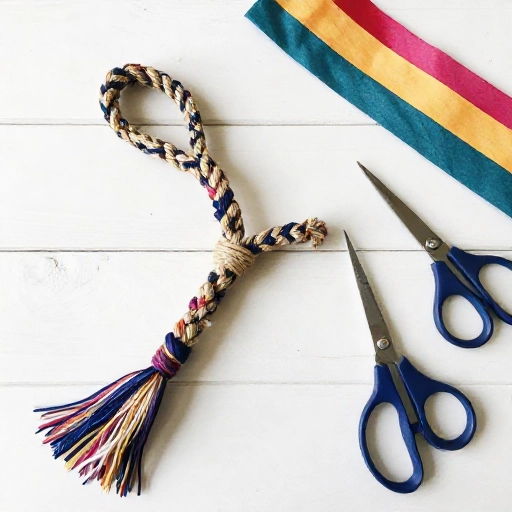
Project #3: The Super-Tough Rope Knot
- Cut two pieces of thick cotton rope, about 3 feet long each.
- Fold them in half and tie a knot at the folded end to create a loop.
- Now, tie a series of overhand knots down the length of the rope. Space them about 2 inches apart.
- These knots give your dog different textures to chew on and make the toy harder to destroy.
These three projects alone give you a solid foundation. You can easily make variations of these to hit your “10 toys” goal by using different fabric colors or adding more knots.
Storage & Serving: Playtime Rules and When to Retire the Toy
Even the toughest DIY toy needs a little TLC. How you store and use the toy is key to its lifespan and your dog’s safety.
First, always supervise playtime. I know it’s tempting to toss a toy in the crate and walk away, but it’s just not safe. If you see pieces starting to come off, it’s time to say goodbye.
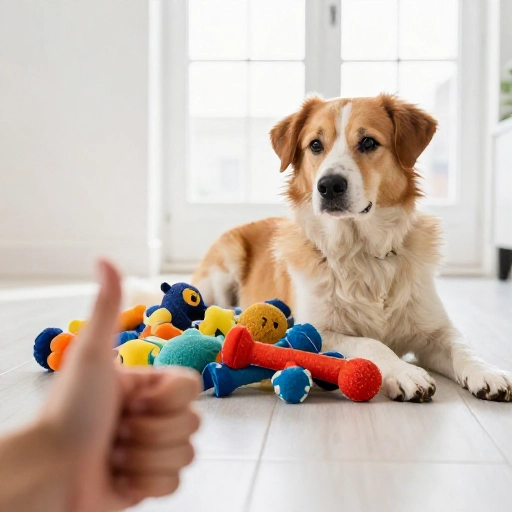
For storage, keep the toys in a designated basket or bin that your dog can access. This helps them learn that toys are for chewing, not your shoes. I like to rotate the toys every few days to keep them “new” and exciting for my dog.
As for serving (or, you know, playing), a good session is 15-20 minutes of active tug or fetch. After that, your dog might get overstimulated. Put the toy away and let them calm down. Also, give the toy a sniff test and a visual once-over every week. If it’s soggy or fraying badly, retire it. You can always cut off the bad part and use the good fabric for a new project!
Final Verdict: Are DIY Dog Toys Worth the Effort?
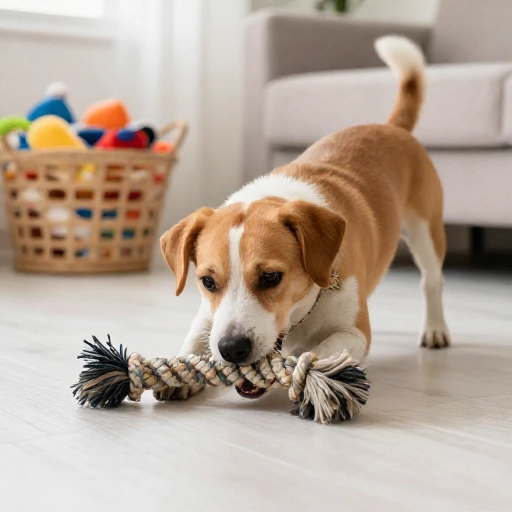
Absolutely, 100% yes. The look on Biscuit’s face when I handed him the first denim braid was priceless. He knew it was for him, and he loved it. But beyond the emotional payoff, these toys are genuinely more durable than most of what I’ve bought in stores.
The denim braid took him a full week to finally break, which is a record. The store-bought “indestructible” toys barely lasted a day. Plus, when a toy does finally give out, I don’t feel guilty throwing it away because it was made from recycled materials.
This is a project you can do while watching TV or listening to a podcast. It’s easy, practical, and your dog will love you for it. Give it a shot—your wallet and your pup will thank you. It’s the best kind of DIY: simple, useful, and full of love.
Frequently Asked Questions About DIY Dog Toys
How long will these homemade dog toys actually last?
It really depends on your dog’s chewing style. For a moderate chewer, a denim braid can last weeks or even months. For a power chewer like a Pittie, it might last a few days. The key is the thickness of the material and the tightness of your knots. The tighter the knot, the longer it lasts.
What if my dog is a super aggressive chewer?
Skip the t-shirt fabric and go straight for thick denim and cotton rope. You can also double up the fabric layers. Instead of one piece of denim, use two layers cut together. Just make sure your dog is supervised, and always check for loose threads.
Can I use old socks to make a toy?
I personally avoid socks. They can easily slip off and be swallowed whole. The fabric is too flimsy and can unravel. Stick to sturdy materials like denim, canvas, or thick fleece. It’s just not worth the risk.
Are these toys safe for puppies with baby teeth?
Yes, but you’ll want to use softer materials like fleece. Fleece is gentle on sore gums and still fun to tug. Just make sure the knots are tight so they can’t chew off a small piece. Always supervise puppies, as they are more prone to trying to eat things.
How do I clean a homemade dog toy?
Most of these toys are machine washable! Toss the denim or rope toys in the washing machine on a gentle cycle with a little dog-safe detergent, then air dry. This helps kill bacteria and keeps the toy fresh. Avoid the dryer, as it can shrink or warp the fabric.