Dog Body Language Guide: What Your Pup Is Really Trying to Tell You
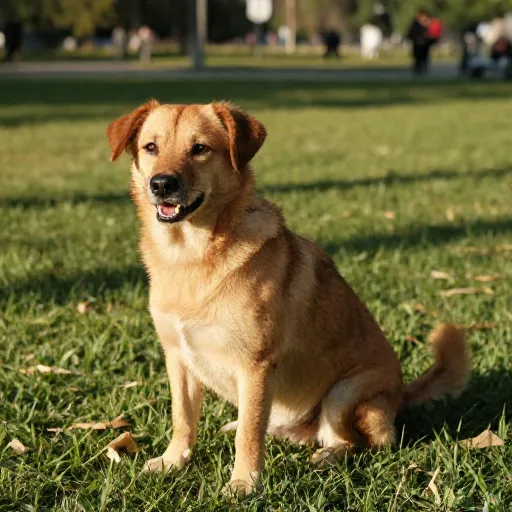
If you’ve ever watched your dog do something strange and wondered what on earth was going on in their head, you’re not alone. I’ve spent years learning to decode my own pup’s secret signals, and let me tell you—it’s like learning a whole new language. Dogs are constantly communicating with us through their tails, ears, eyes, and posture.
The good news is that you don’t need to be a dog trainer to understand the basics. Once you learn a few key signs, you’ll know when your furry friend is feeling happy, nervous, scared, or ready to play. It makes your bond so much stronger and helps you avoid misreading situations. Let’s dive into the wonderful world of dog body language together.
The Happy Tail Wag: Not Always What You Think
We all love a wagging tail, but did you know it doesn’t always mean a dog is happy? I used to assume any wag meant “I’m thrilled!” until I learned to look at the whole picture. A relaxed, sweeping wag with a loose body is a true sign of joy.
If the tail is held high and wagging stiffly, that can actually signal alertness or even a warning. And a tucked tail between the legs? That’s fear or anxiety. So before rushing in for a cuddle, check the tail speed and height.
Ears Down or Pinned: What That Really Means
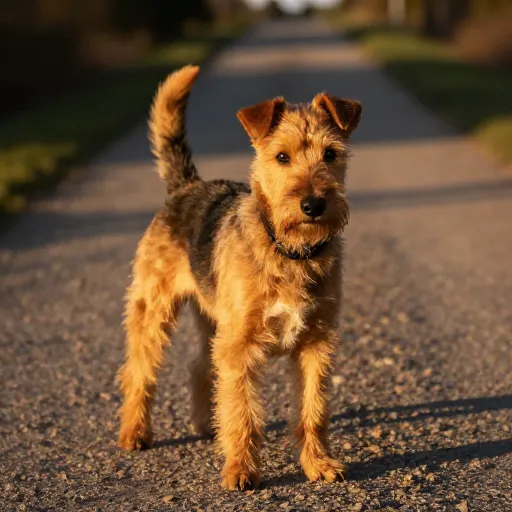
Dogs have incredibly expressive ears. When I see my dog’s ears relaxed and slightly back, it usually means he’s calm and content. But if his ears are pinned tightly against his head, that’s a big red flag. This pose often signals fear, nervousness, or submission.
It’s not just about floppy ears either—even dogs with floppy ears will pull them back noticeably when they’re stressed. If you notice pinned ears alongside a lowered head, give your pup some space and speak softly. It’s your dog’s way of saying, “I’m not comfortable right now.”
Yawning and Lip Licking: Stress Signals (or Not)
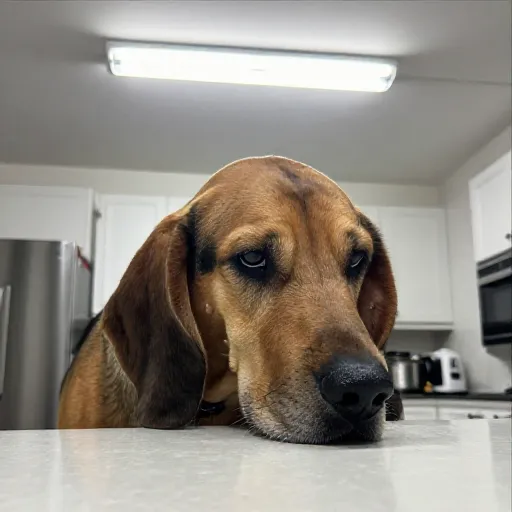
Yawning is one of those funny things that can mean a few different things. My dog yawns when he first wakes up, but he also yawns when he’s feeling a little overwhelmed. Dogs often yawn to calm themselves down in stressful situations, like at the vet’s office.
Lip licking is another subtle signal. If your dog suddenly licks his lips when there’s no food around, he might be anxious or unsure. Keep an eye on the context—if you’re scolding him or he’s in a new place, those quick licks are his way of coping. It’s not a sign of guilt, just a nervous little gesture.
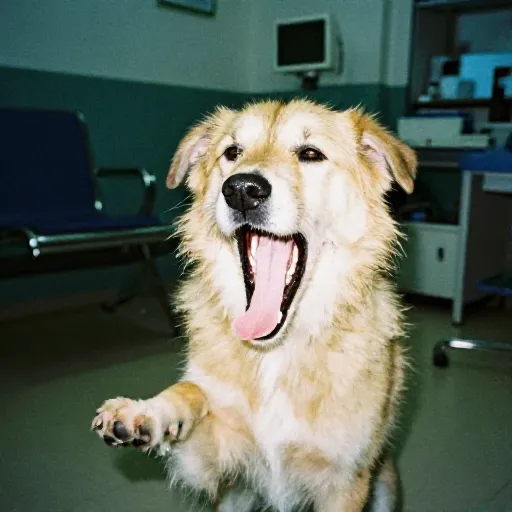
The Play Bow: An Invitation to Have Fun
One of my absolute favorite dog signals is the play bow. That’s when your dog drops his front legs to the ground, keeps his rear up in the air, and wags his tail enthusiastically. It’s an unmistakable invitation to play, and honestly, it’s adorable.
When you see this, your dog is basically saying, “Let’s have a great time together!” This posture is playful and friendly, and it usually means everything that follows is all in good fun. If your dog does this to you, feel free to get down on his level and start a silly game.
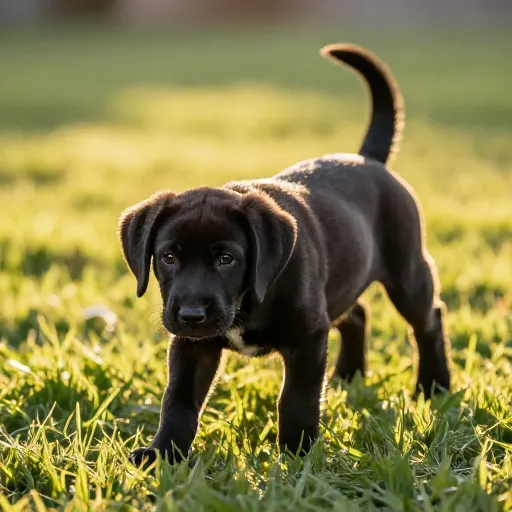
Raised Hackles: Excitement or Fear?
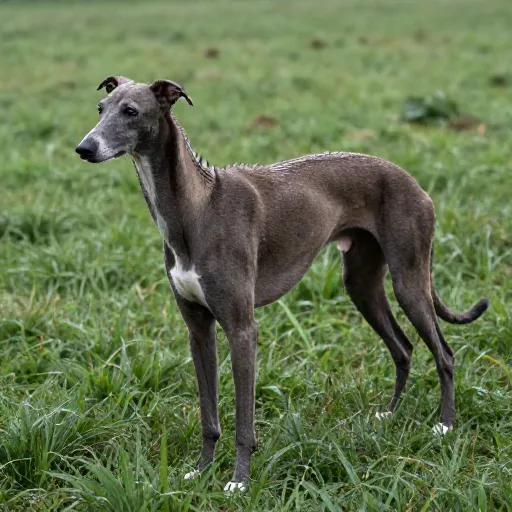
Have you ever seen your dog’s back fur stand up along the spine? That’s called piloerection, and it’s an automatic response like goosebumps in humans. Raised hackles don’t always mean your dog is angry—I’ve seen my pup’s hairs stand up when he’s super excited about a squirrel too.
It’s more like a sign of high arousal. It can be from fear, excitement, or even just feeling unsure. The trick is to look at the rest of the body to figure out which emotion is driving it. If the dog looks stiff and tense, be cautious. If his body looks loose and waggy, he’s probably just amped up.
Eyes and Whale Eye: The Look That Says “Back Off”
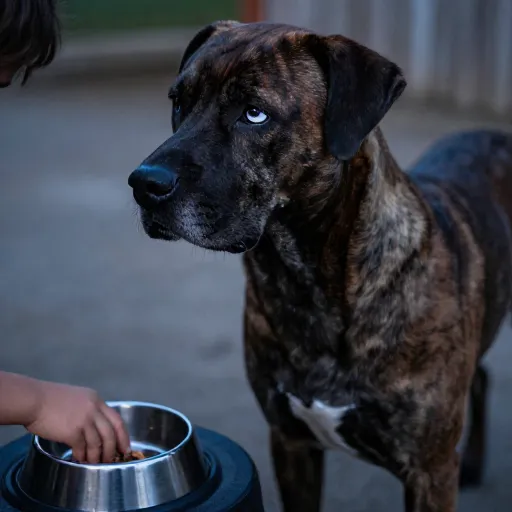
They say the eyes are the window to the soul, and that’s so true for dogs. One of the most important eye signals to learn is called “whale eye” (also known as side eye). That’s when a dog turns his head slightly but keeps his eyes focused on you or something else, showing the whites of his eyes.
This is a clear warning sign that your dog feels threatened or uncomfortable. When I see my dog do this, especially when someone approaches his food bowl, I know to give him some space. It’s a subtle “please don’t come closer” that can quickly escalate if ignored.
Body Posture: Leaning vs. Cowering
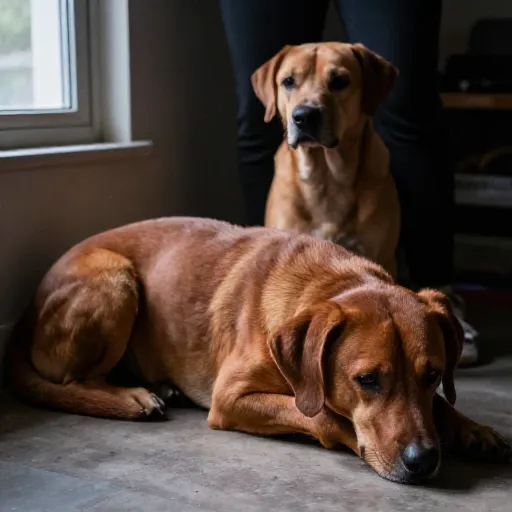
A dog’s overall posture tells you a lot about their mood. A relaxed, confident dog stands tall with a soft, wiggly body. Sometimes they’ll even lean into you, which is a sign of trust and affection. I love when my pup leans against my leg—it’s like a little hug.
On the flip side, a cowering dog looks low to the ground, with a lowered head and a tucked tail. This is a sign of fear submission. If your dog is cowering, try to figure out what’s making him nervous and remove the trigger. Never punish a cowering dog—it only makes things worse.
Submissive Grin vs. Aggressive Snarl
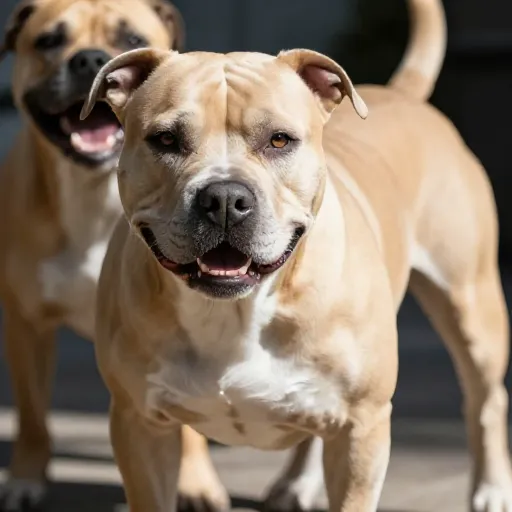
Did you know some dogs smile when they’re being submissive? It’s true! A submissive grin looks a bit like a snarl, so it’s easy to confuse them. I used to panic when my dog showed his teeth, until I realized he was just smiling with a soft body and a friendly tail wag.
The difference is in the rest of the face and body. A submissive grin includes relaxed lips and a soft expression, often with the dog lowering his body. An aggressive snarl comes with a wrinkled nose, tense face, and stiff posture. If you see a snarl with a hard stare, back away slowly and give the dog plenty of room.
Turning Away and Calming Signals
Dogs have a whole collection of “calming signals” that help them avoid conflict and keep the peace. Turning the head away, sniffing the ground, or sitting down can all be ways for your dog to say, “I mean no harm.” I notice my dog does this when he meets a more assertive pup.
These signals are subtle, but they’re so important. If you see your dog turning his head away from another dog or person, he’s not being rude—he’s trying to diffuse the situation. Respecting these signals can save you from a lot of stress and potential dog fights.
Dog Growling: A Warning You Should Respect
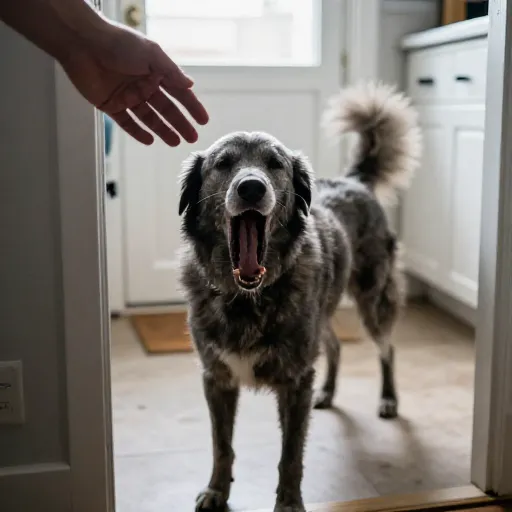
A growl is one of the clearest forms of dog communication. Some people think it’s a sign of a “bad” dog, but that’s not true at all. Growling is simply your dog’s way of saying, “I’m uncomfortable, please stop.” It’s a warning, and it’s actually a good thing that your dog is communicating instead of snapping.
If your dog growls, never punish him for it. That would teach him to skip the growl and go straight to biting. Instead, stop whatever you’re doing and assess the situation. Give your dog some space, and think about how you can make things less stressful for him next time.
Conclusion
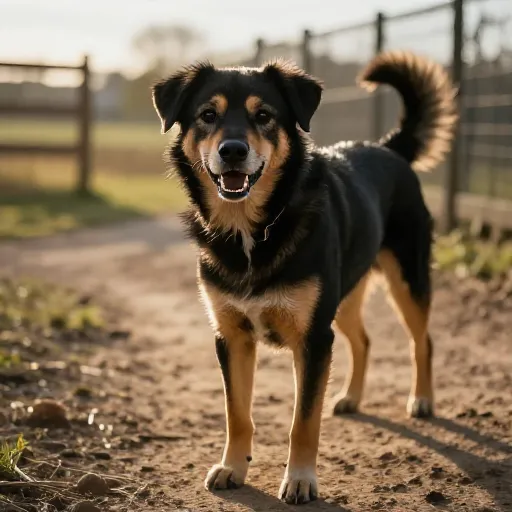
Learning to read your dog’s body language is one of the greatest gifts you can give to your relationship. It helps you understand what your pup needs, when he’s scared, and when he’s ready for a game of tug-of-war. Every dog is unique, so take time to observe and learn your own dog’s special quirks.
Once you start noticing these signals, you’ll never go back. You’ll feel more connected, more confident, and you’ll know exactly how to help your dog feel safe and loved. So the next time your dog does something curious, take a moment to ask yourself: what is he really telling me?
Frequently Asked Questions
Why does my dog yawn when I pet him?
Yawning during petting can mean your dog is a little stressed or overwhelmed. It’s a calming signal. Try pausing to see if he leans in for more or moves away. If he seems relaxed, it might just be a sleepy yawn.
Is a wagging tail always a sign of happiness?
Not always. A loose, wide wag usually means happy, but a high, stiff wag can mean alertness or caution. Watch the whole body to understand what your dog is feeling.
What does it mean when my dog shows his teeth but is wagging his tail?
It could be a submissive grin, especially if his body looks soft and relaxed. But it’s always best to be careful. Look for tense muscles or a hard stare to tell the difference between a smile and a snarl.
Why does my dog cower when I raise my voice?
Cowering is a fearful reaction. Your dog is trying to make himself look small to avoid conflict. Try using a softer tone and kneeling down to help him feel safe again.
Should I ignore my dog’s growl?
Never ignore a growl. It’s your dog’s warning that he’s uncomfortable. Stop the interaction and remove the trigger. Then think about ways to reduce stress for your dog in the future.