Dog Allergy Symptoms: How to Spot Them and Help Your Pup Feel Better
If your dog has been scratching nonstop or licking their paws like crazy, you’re probably wondering what’s going on. Allergies in dogs are more common than you’d think, and they can show up in all sorts of surprising ways. I remember when my own dog started sneezing in spring, I had no idea dogs even got seasonal allergies!
The tricky part? Dog allergy symptoms can look like anything from dry skin to tummy troubles. And since your pup can’t tell you in words what’s bothering them, it’s up to you to spot the clues. The good news is, once you know what to look for, you can help your furry friend feel so much more comfortable.
In this post, I’m going to walk you through the most common dog allergy symptoms, how to tell them apart from other issues, and what you can do to bring your pup some relief. Because a happy, comfy dog makes for a happy home.
1. Itchy Skin That Just Won’t Quit
Just like us, dogs can get itchy skin from allergens like pollen, dust mites, or certain foods. But unlike us, they can’t just scratch and move on. You might notice your pup rolling on the carpet, rubbing against furniture, or biting at their skin over and over.
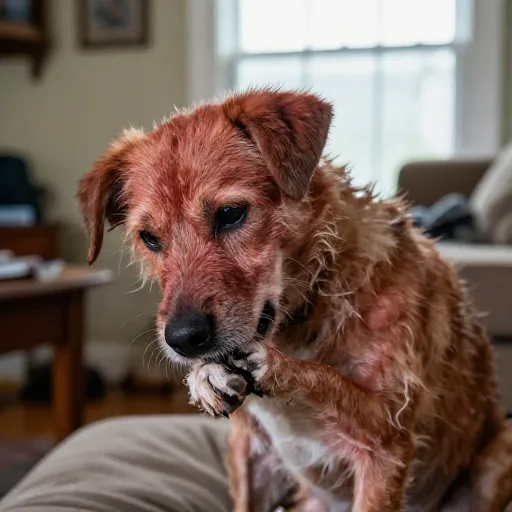
If your dog’s skin looks red, flaky, or feels warm to the touch, that’s a big clue. I always tell friends to watch for “the scratch test” – if you pet your dog and their back leg starts kicking like crazy, that’s a sure sign they’re dealing with an itch.
Don’t ignore it early on, because constant scratching can lead to raw spots and infections.
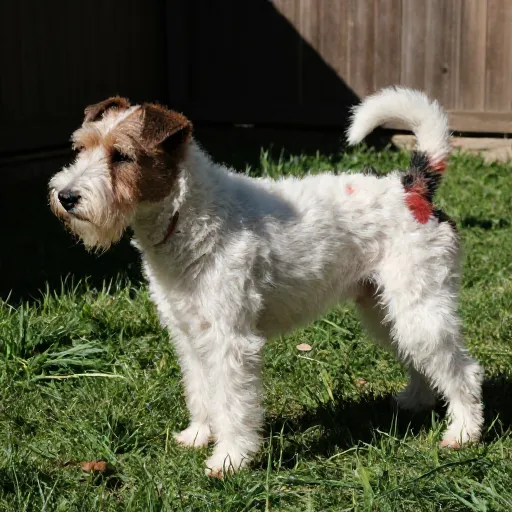
2. Constant Scratching and Biting
While itchy skin is the general symptom, constant scratching and biting is the behavior you’ll actually see. Allergies can make your dog feel like something is crawling on them, and they’ll do anything to make it stop.
You might notice a pattern – maybe it’s worse at night, or after a walk in the park. Some dogs focus on one area, like their belly or their tail, while others scratch all over. The tricky part is that the longer they scratch, the more irritated their skin gets, turning a small itch into a big problem.
Try to distract your pup with a game or a chew toy when they start going at it. That little break can stop the cycle from getting worse.
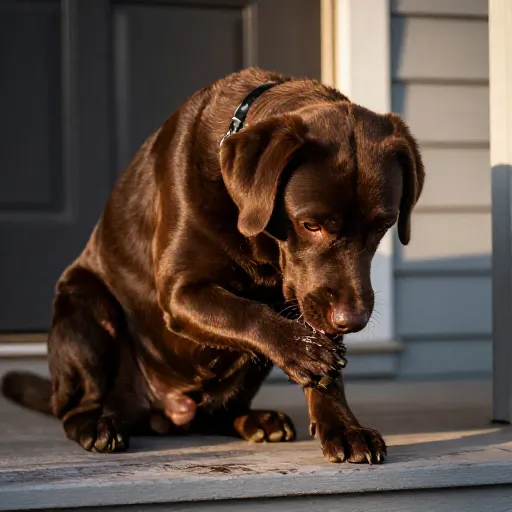
3. Red, Watery Eyes
Does your dog’s eyes look a little puffy or weepy? Just like with human allergies, dogs can get red, watery eyes from things like pollen or mold. You might also see them squinting or pawing at their face.
In some cases, the area around the eyes can get swollen, which can be pretty scary. But usually, it just means allergen exposure. Keep an eye out for any yellow or green discharge, because that could point to an eye infection instead of allergies.
Gently wiping their eyes with a soft, damp cloth can make them feel better in the moment.

4. Sneezing and a Runny Nose
You might think a runny nose is just a cold, but in dogs it’s often allergy season saying hello. If your dog is sneezing more than usual or has clear nasal discharge, environmental allergens could be the culprit.
Pay attention to when it happens. Is it right after you vacuum? Or during a certain time of year? I’ve noticed my dog’s sneezes always ramp up when the ragweed comes out.
Dogs don’t get “colds” like people do, so if sneezing persists for days, allergies are a good bet. But if the discharge is thick or colored, let your vet know.
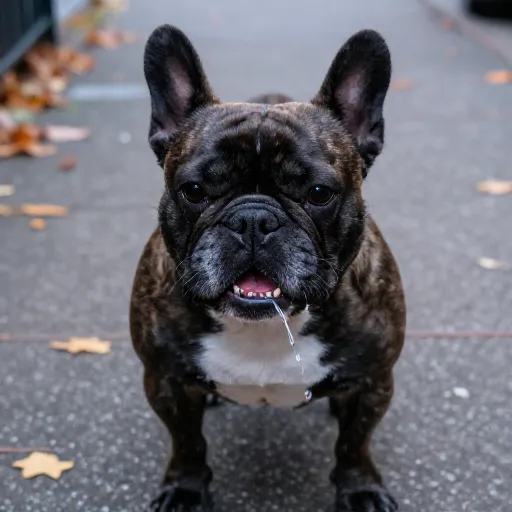
5. Ear Infections That Keep Coming Back
Ear troubles are a huge red flag when it comes to dog allergies. If your dog is shaking their head, tilting it, or scratching at their ears, they might be dealing with an allergy-related ear infection. You might also notice a funky smell or some brown gunk inside their ears.
Dogs with floppy ears, like Labs or Beagles, seem to get these more often. But allergies can affect any breed. The inner ear gets inflamed because of the allergen, and moisture gets trapped in there, making it a perfect spot for bacteria or yeast to grow.
Cleaning your dog’s ears regularly can help, but the real fix is figuring out what’s triggering the allergy in the first place.

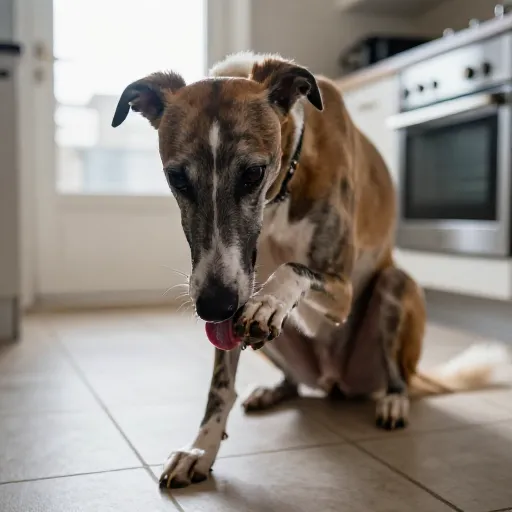
6. Paw Licking and Chewing
If your dog is constantly licking or chewing their paws, that’s a classic allergy sign. Paws pick up everything from grass pollen to cleaning chemicals, and all that stuff can irritate their skin. That’s why so many allergic dogs become obsessed with their feet.
You might see them sit and lick one paw for ten minutes straight. Over time, the fur between their toes can turn reddish-brown from saliva stains. The skin can also get irritated and even infected if it stays wet.
Try wiping their paws with a damp cloth after outdoor walks to wash off allergens. It’s a tiny step that can make a big difference.
7. Digestive Issues and Tummy Troubles
Not all allergy symptoms are on the outside. Food allergies and intolerances can cause vomiting, diarrhea, or too much gas. If your dog is having loose stools more often than not, or seems extra gassy after meals, their diet might be the issue.
Some dogs also get a gurgly tummy or lose their appetite. It’s easy to mistake this for a stomach bug, but if it keeps happening, it’s time to look at their ingredients. Common culprits are chicken, beef, dairy, or wheat.
A food elimination trial with your vet can help you figure out exactly what’s causing the upset.

8. Hair Loss and Hot Spots
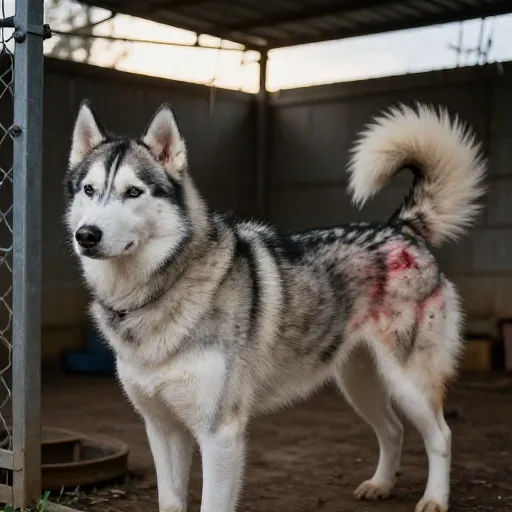
When allergies go on for a while, you might notice patches of hair thinning out or even bald spots. Your dog might be scratching so much that they’re literally pulling their own fur out. This can happen anywhere, but ears, belly, and the base of the tail are common spots.
Hot spots are those angry, wet, red sores that pop up on the skin. They’re extremely itchy and painful, and they show up when your dog’s scratching breaks the skin and bacteria move in. If you see a hot spot, it’s best to get treatment right away because they can spread fast.
Keep the area clean, and try an e-collar for a day or two so they can’t make it worse.
9. Changes in Behavior and Mood
Living with constant itching and discomfort can make any dog grumpy. You might notice your usually sweet pup snapping, hiding, or losing interest in walks and playtime. They might be extra restless at night because the itching keeps them up.
This behavior change isn’t a separate allergy symptom, but it’s a huge indicator that something isn’t right. I know when my dog starts acting withdrawn, I immediately start checking for allergy triggers. It’s like they’re telling me, “Hey, I don’t feel good.”
Be gentle with your pup during this time. They’re not trying to be difficult – they just need some relief.

10. When to See the Vet
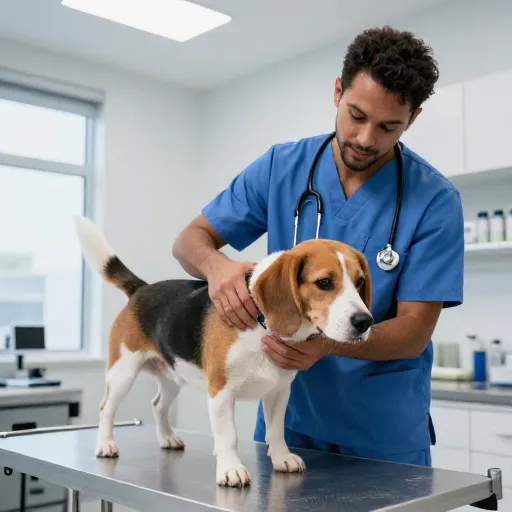
If you’ve tried managing symptoms at home and your dog is still miserable, that’s your cue to call the vet. Also, if you notice any swelling of the face, trouble breathing, or hives, that’s an emergency and you should get help immediately.
Your vet can run tests to figure out exactly what your dog is allergic to, prescribe medication, or recommend a special diet. Allergy testing has come a long way, and there are options like immunotherapy that can really change your dog’s life.
It’s always better to check in early, because allergies are easier to manage when you catch them before they cause major skin damage or infections.
Final Thoughts: You Can Help Your Dog Feel Better
Dog allergy symptoms can be frustrating, but you’re not alone in this. Once you start paying attention to the signs, you’ll be amazed at how much you can connect the dots. Whether it’s a new food, a seasonal change, or dust in your home, there’s always a way to ease your pup’s discomfort.
Start with the simple stuff – wipe their paws, wash their bedding, keep up with grooming – and see what improves. And if things don’t get better, don’t hesitate to ask your vet for help. Your dog relies on you, and you’re already doing the right thing by being so observant.
Frequently Asked Questions
What are the most common signs of dog allergies?
The most common signs are itching, scratching, red skin, ear infections, and paw licking. Some dogs also sneeze or have digestive issues like diarrhea and vomiting.
Can dog allergies develop suddenly?
Yes, absolutely. Dogs can develop allergies at any age, even if they’ve never had them before. It’s not unusual for a dog to suddenly react to something they’ve been around for years.
How can I tell if my dog has food allergies or environmental allergies?
Food allergies usually cause tummy issues along with skin problems, while environmental allergies often cause seasonal itching and sneezing. A vet can help you do an elimination diet or allergy testing to figure it out.
What can I give my dog for allergy relief at home?
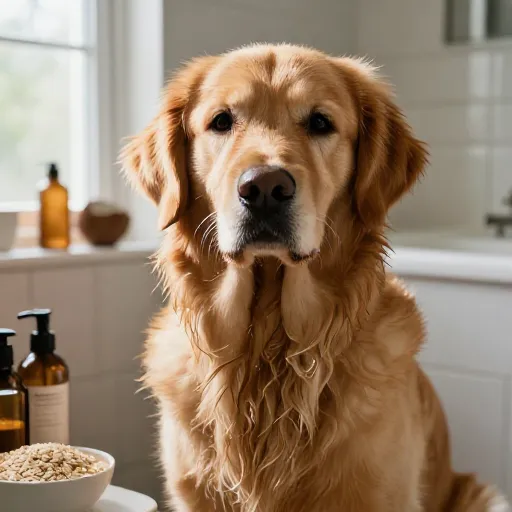
You can try wiping their paws after walks, giving them oatmeal baths, and making sure their bedding is clean. Always talk to your vet before giving any medication, because some human allergy meds are toxic to dogs.
Will my dog need allergy shots?
Some dogs do great with allergy shots, also called immunotherapy. It’s not for every dog, but it can be a wonderful long-term solution, especially for environmental allergies. Your vet can tell you if it’s a good fit.