Why Your Dog Isn’t Listening to You (And How to Fix It)

You call your dog’s name. Nothing. You ask for a “sit.” They sniff the ground. You repeat yourself, louder this time, and they just walk away. It’s frustrating, isn’t it? You start to wonder if your dog is being stubborn or if you’re doing something wrong.
I’ve been there. More times than I can count. And here’s what I’ve learned: dogs aren’t trying to ignore you to be difficult. There’s always a reason behind the “selective hearing.” It could be the environment, your energy, or even a simple misunderstanding.
The good news? You can fix it. Let’s break down the real reasons your dog isn’t listening, and I’ll share exactly what you can do to turn things around.
1. You’ve Said “No” Too Many Times
If your dog hears “no,” “stop,” or “drop it” all day long, they start to tune you out. It’s like background noise. They don’t feel motivated to listen because nothing good happens when they do.
Instead, try this: every time you want to correct a behavior, redirect them to a good one. If they’re chewing the couch, call them to you and give them a toy. Reward the good choice. Over time, your voice becomes a signal for something fun, not just a nag.
Remember: dogs repeat what works. If ignoring you is easier than listening, they’ll keep doing it.
2. You’re Competing With a More Interesting Distraction
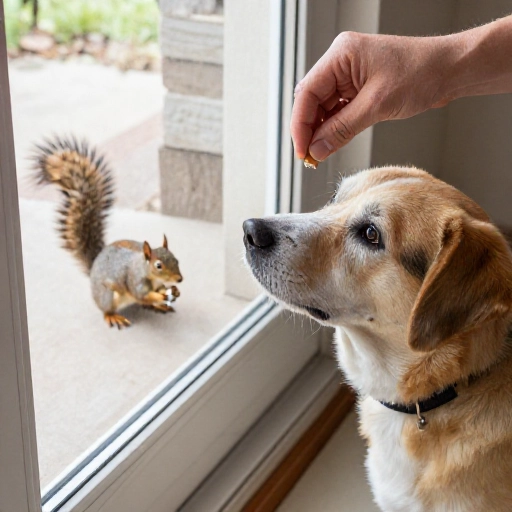
A squirrel outside. A delicious smell on the grass. Another dog across the street. You can’t blame your pup for being distracted. Their nose is way more powerful than our eyes. In their world, that scent is a full story.
Fix this by starting training in a boring room. Your living room with the TV off and no toys around. Once they’re solid there, move to the backyard. Then a quiet sidewalk. Slowly build up to harder environments. You’re teaching them to listen to you, even when life gets exciting.
3. Your Tone of Voice Needs a Tune-Up
Dogs are masters at reading tone. If you sound unsure, angry, or bored, they pick up on it. A sharp, harsh tone makes them nervous. A flat, tired tone makes them think you’re not serious.
Try a bright, cheerful voice for recalls. “Come!” should sound like a party invitation. For commands like “stay,” use a calm, low, and steady tone. Practice in the mirror if you have to. Your voice is your most powerful training tool.

4. The Reward Isn’t Worth It
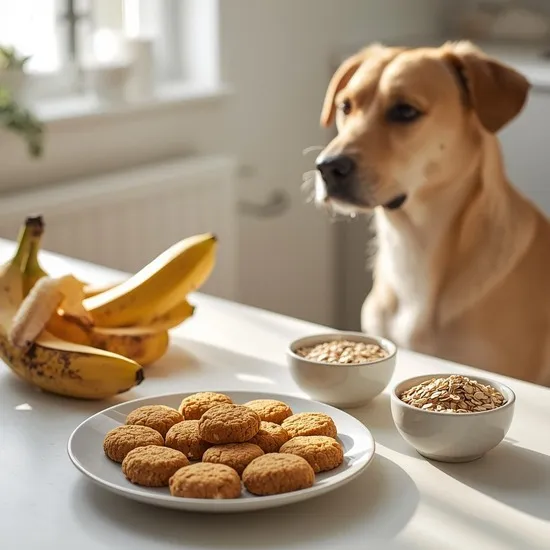
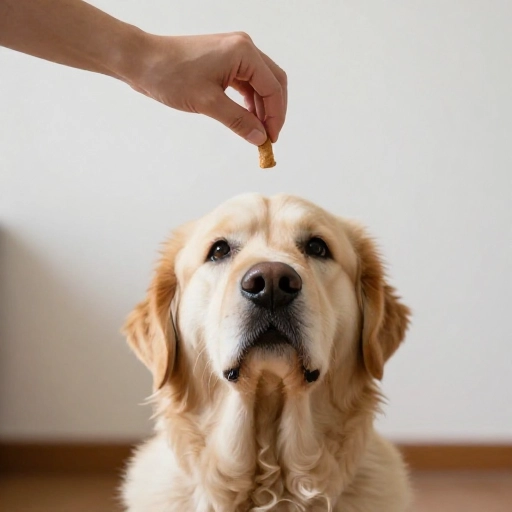
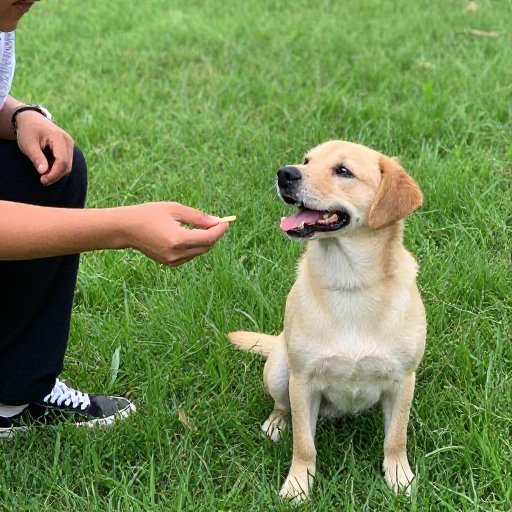
I used to think a little kibble was enough. For some dogs, it is. For others? Not even close. If your dog is highly food-motivated, use high-value treats: tiny pieces of chicken, cheese, or hot dog. If they love toys, use a squeaky ball as their reward.
Here’s the trick: make the reward unpredictable. Sometimes give one piece of cheese. Other times give three. A jackpot reward keeps them guessing and excited. That mystery makes them want to listen every time.

5. You’re Asking for Too Much, Too Fast
We all want a perfect dog right now. But if you ask for a ten-minute “down” stay on day one, they’ll fail. And then you get frustrated, and they get confused.
Break it down. Ask for one second of eye contact, then reward. Ask for a “sit” for two seconds, then reward. Build duration slowly. Small wins stack up fast. You’re not just teaching a trick; you’re building a habit of listening.
6. Your Dog Is Stressed or Overstimulated
Sometimes, a dog that isn’t listening is actually a dog that is overwhelmed. Panting, yawning, avoiding eye contact, or a tucked tail are signs of stress. In that state, their brain can’t process commands.
If your dog seems off, stop training. Take them to a quiet space. Give them a chew toy or a frozen Kong. Let them decompress. A calm dog is a learning dog. Pushing through stress only makes things worse.

7. You’ve Stopped Practicing Basic Commands
We all do it. You teach “sit,” “stay,” “come,” and it works great. Then life gets busy. You stop practicing. And one day, you need them to sit at the front door, and it’s like they’ve never heard the word before.
Make it a habit to sprinkle training into your day. Ask for a “sit” before meals. A “down” before you clip the leash. A “stay” while you open the door. Just five minutes a day keeps those skills fresh and sharp.
8. You’re Not Consistent With Cues
Do you sometimes say “come here,” other times “come,” and occasionally whistle? Your dog might not realize they’re all the same request. Dogs learn through repetition and clarity. Pick one word per behavior and stick with it.
Also, be consistent with rules. If jumping is sometimes okay and sometimes not, you’re confusing them. Decide what you want, and enforce it every single time. Dogs thrive on predictability.
9. Your Body Language Is Sending Mixed Signals
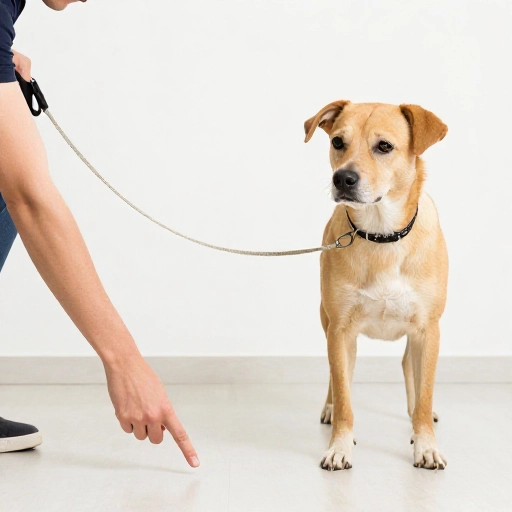
You say “stay” but you’re leaning forward, looking them in the eye, and reaching out your hand. To your dog, that looks like “come here.” Your body language is more powerful than your words.
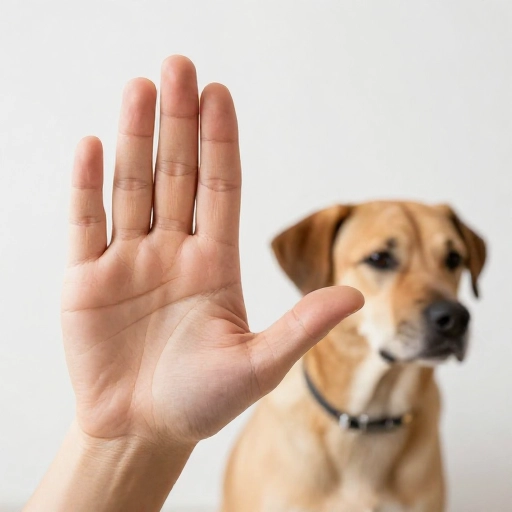
When you say “stay,” stand tall, relax your face, and hold a flat hand out like a stop sign. When you want them to come, open your arms wide and crouch down. Match your body to your words. It makes everything clearer.

10. Your Relationship Needs a Little Rebuilding
Sometimes the real issue is trust. If your dog has had bad experiences — maybe they were yelled at or punished harshly — they may not feel safe listening. They might be scared of what happens next.
Rebuild trust by being predictable and gentle. Spend quality time together that isn’t training: sniffy walks, cuddles, playing tug. Let your dog choose to check in with you. When they do, reward it. Over time, they’ll remember that you’re a safe, fun person to follow.

Conclusion
Your dog isn’t ignoring you to be stubborn. They’re just living in a world that’s full of distractions, confusion, and sometimes stress. But you have the power to change that. With a little patience, clearer communication, and the right rewards, you can build a dog that actually wants to listen.
Start with just one of these tips today. Pick the one that feels most true for you and your dog. You’ll be amazed at how quickly things can shift.
FAQ
Why does my dog listen to my husband but not me?
It often comes down to consistency and energy. If one person is more calm, predictable, or uses higher-value rewards, the dog will favor them. Try matching that energy and being more consistent with your cues.
Is my dog being dominant when they ignore me?
Probably not. The whole “dominance” idea is mostly outdated. Dogs ignore us because they’re distracted, confused, or unmotivated — not because they want to be the boss. Focus on building a positive relationship instead.
How long does it take to fix a dog that won’t listen?
It depends on the dog and the history. Some see improvement in a few days with small changes. Others need a few weeks of consistent practice. The key is patience and not giving up after one bad session.
Should I punish my dog for not listening?
No. Punishment creates fear and ruins trust. Instead, set your dog up for success. If they fail, you probably asked for too much too fast. Make it easier, reward the small wins, and build from there.
Can an older dog learn to listen better?
Absolutely. Old dogs can learn new habits. It might take a little more patience and a gentler approach, but with positive reinforcement, they can absolutely improve their listening skills at any age.