15 Easiest Ways to Train Your Cat to Obey You (Yes, Really)
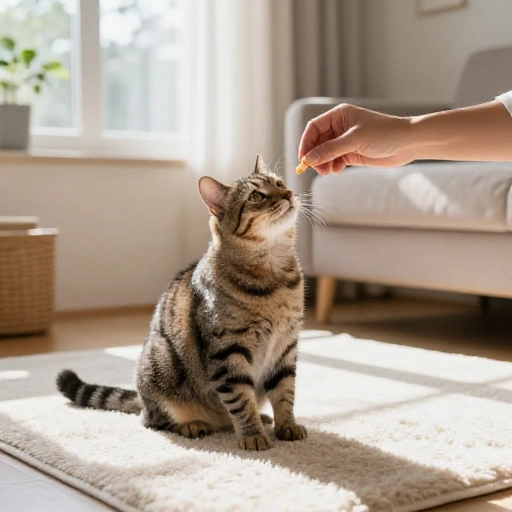
I remember thinking my cat was just a fluffy little rebel. She’d look at me, flick her tail, and do the exact opposite of what I asked. But here’s the secret: cats aren’t stubborn, they’re just not dogs. They need a different kind of motivation.
The good news? Training your cat to obey doesn’t mean turning them into a robot. It means building a language you both understand. These 15 simple tricks have worked for me and my sassy tabby, and they can work for you too. Let’s get started.
1. Use the Power of the Treat Timer
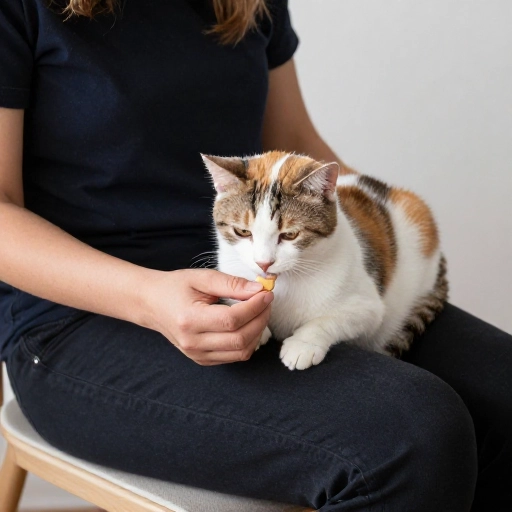
Cats live in a world of “what’s in it for me right now.” If you want them to obey, you have to make it worth their while. I keep a little pouch of chicken-flavored treats on my hip. Whenever my cat does something I want—like sitting or coming when called—I click my tongue and give her a treat within one second.
This builds a direct link in her brain: obey = yummy reward. Start with tiny, soft treats so they’re gone fast and she wants more.
Pro tip: Use a distinct sound like a clicker or a kissy noise. It’s faster than your voice and catches their attention every time.

2. Catch Them Doing Good
This sounds silly, but it works. Most of the time we only notice our cats when they’re scratching the couch or jumping on counters. Flip that script. For one whole day, I made a point to notice every tiny good thing my cat did—sitting nicely, using her scratching post, or just looking at me calmly.
Every time I saw it, I said “yes” softly and gave her a little pet or a treat. Within a week, she started doing those “good” things more often, just to get my attention.
It’s like training with sunshine instead of storm clouds. They want your happy energy.
3. Teach “Sit” in Three Minutes
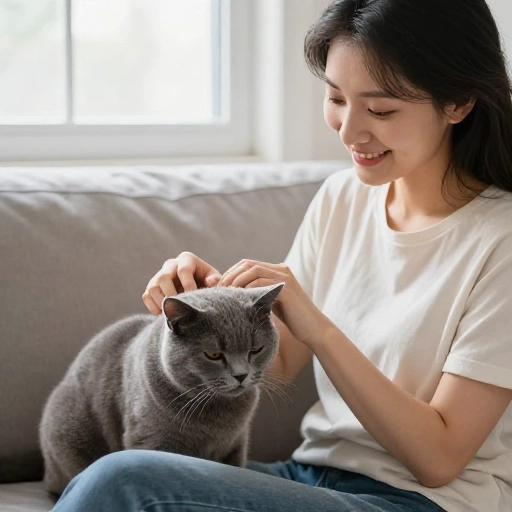
I never thought my cat could sit on command. But I tried this: I held a treat close to her nose, then slowly moved it up and back over her head. As she followed it with her eyes, her butt naturally went down. The second her bottom hit the floor, I said “sit” and gave her the treat.
After just three short sessions, she was sitting on cue. Now I use it before meals, before opening the door, and even when she’s meowing for attention. It’s a little win that makes both of us feel smart.
Keep sessions under two minutes. Cats get bored fast.
4. Reward Coming When Called
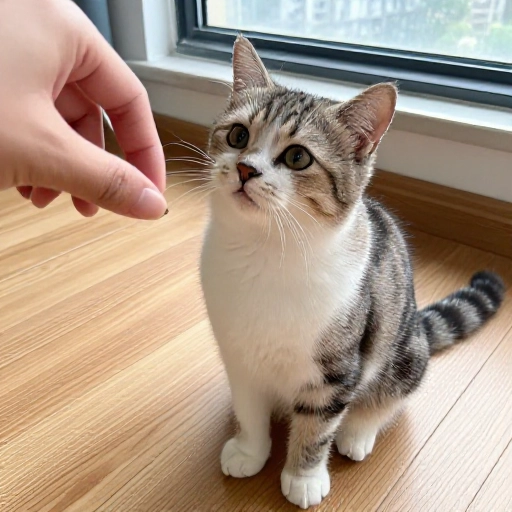
I used to chase my cat around the house trying to get her inside at night. Then I started a game: I’d shake the treat bag, say her name in a high, happy voice, and when she came running, I’d give her three treats in a row.
Now, “come” means “good things happen.” She even runs from the backyard when she hears it. The trick is to never call her for something she hates, like a bath or a nail trim. Always pair it with something wonderful.
If she doesn’t come, don’t repeat yourself. Walk closer and try again later.
5. The Magic of Target Training
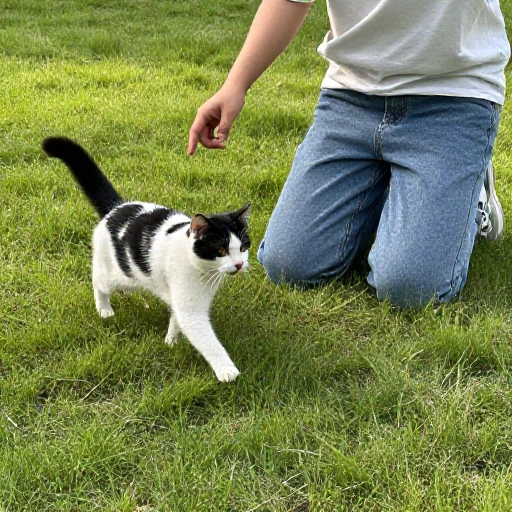
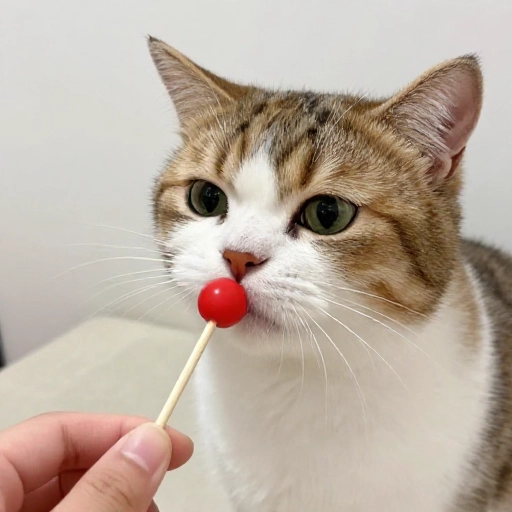
This one blew my mind. Take a chopstick or a pen with a little tape on the end. Hold it near your cat’s nose. The moment they sniff it, click or say “yes,” and give a treat. After a few tries, they’ll start touching their nose to the stick on purpose.
Now you can move the stick anywhere and your cat will follow it like a magnet. I use it to guide my cat onto her bed, into her carrier, or away from the kitchen counter. It’s like a remote control, but friendly.
Don’t poke them. Just let them discover it.
6. Use a Calm Voice (Not a Loud One)
I used to shout “no!” when my cat scratched the rug. She’d freeze, then run away and do it again later when I wasn’t looking. Turns out, loud voices scare cats, but they don’t teach them anything.
Now I use a low, calm “ah-ah” sound when I want her to stop something. It’s not scary, just a gentle interruption. Then I immediately show her what she can do—like scratching her post instead.
Your cat will listen better when your voice feels safe. Save the yelling for emergencies.

7. Make the Carrier a Happy Place
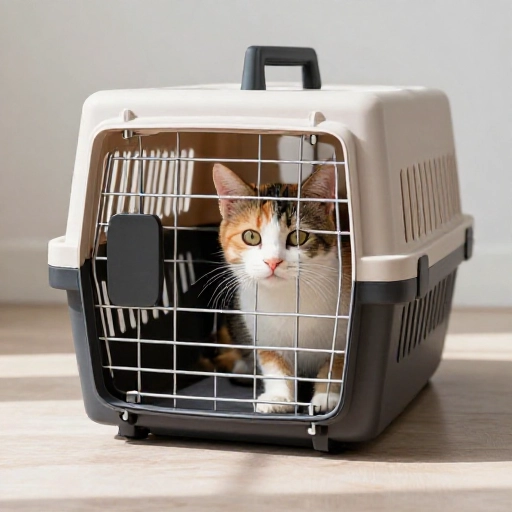
Every cat owner dreads the carrier battle. I left mine out in the living room with a soft blanket inside for a week. I dropped treats in there randomly throughout the day. Soon, my cat was napping in it on her own.
When vet day came, I just closed the door gently. She barely flinched. Now I even feed her meals in there sometimes. The carrier went from a monster to a cozy den.
Patience here saves you scratches and stress later.
8. Train the “Stay” with a Mat
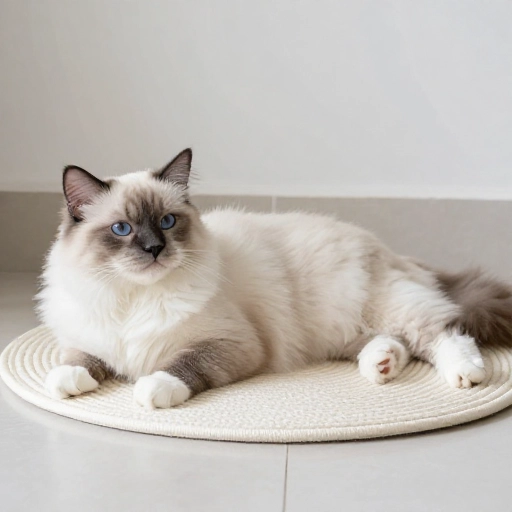
I have a small bath mat that I put on the kitchen floor when I’m cooking. I taught my cat that sitting on this mat means she gets a steady stream of tiny treats while I chop veggies. She gets her own mat, and I get my counters back.
To teach it, I just lured her onto the mat with a treat, said “place,” and gave her another treat every few seconds. Slowly, I stretched the time between treats. Now she stays put for up to ten minutes.
It’s not a formal stay—it’s a “this spot is good” spot.
9. Respect the No-Touch Rule
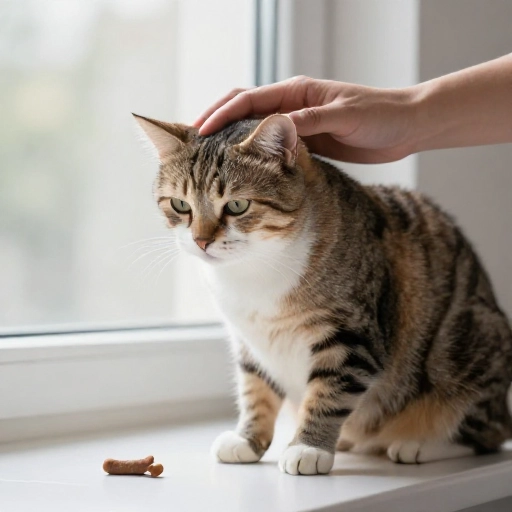
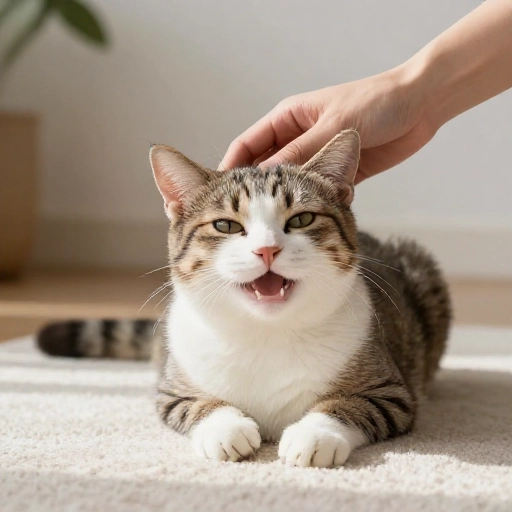
This sounds backwards, but obeying you starts with you obeying them. If your cat doesn’t like belly rubs or being picked up, don’t force it. When I stopped grabbing my cat, she started coming to me for cuddles more often.
When she lets me pet her, I do it in short bursts and stop before she flicks her tail. This builds trust. A cat that trusts you is a cat that will listen when you ask them to jump down or come inside.
Trust is the foundation of all training. Build it slowly.
10. Use Play as a Reward
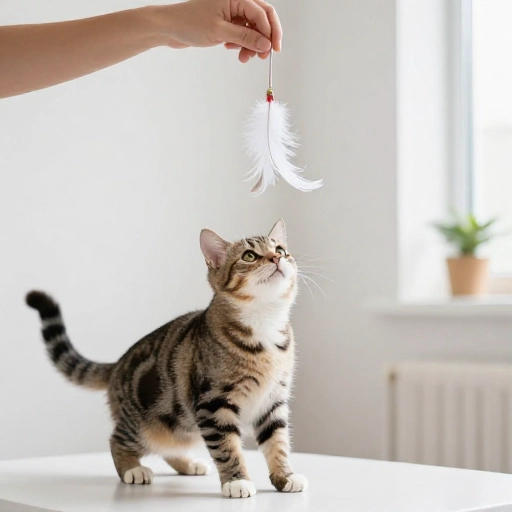
Not all cats are food motivated. My friend’s cat would ignore the fanciest treats but would do anything for a feather wand. I borrowed her technique: before training, I get my cat revved up with a quick play session. Then I use the wand as the reward instead of food.
When she does the behavior I want, I give her three good swipes at the toy. It’s fun, active, and builds a stronger bond than treats alone.
Experiment to find what your cat loves most. It might be a laser pointer or a crinkly ball.
11. Keep Sessions Short and Sweet
I used to try to train my cat for ten minutes straight. She’d lose interest after about ninety seconds. Now I do one-minute sessions, three times a day. I’ll ask for one “sit” while I’m waiting for my coffee, or a “touch” while I’m brushing my teeth.
These micro-sessions fit into my day and keep her from getting bored. She actually seems to look forward to them now, because they’re always short and end with a treat.
Quality over quantity. A good thirty-second session beats a frustrating five-minute one.
12. Teach “High Five” for Fun
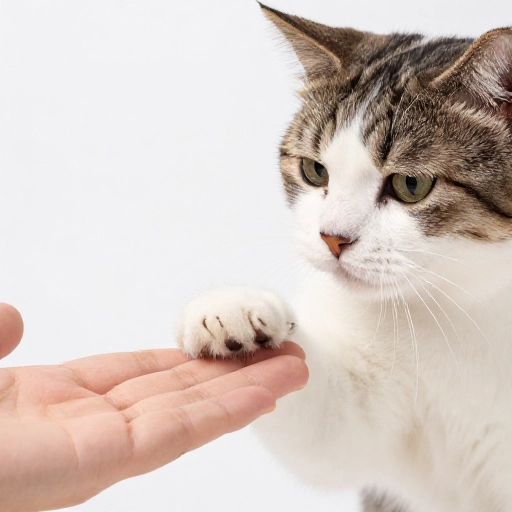
This isn’t just a party trick. Teaching “high five” teaches your cat to offer a paw without being scared. Start by touching her paw gently and saying “paw,” then giving a treat. Once she’s okay with that, lift your hand a little and wait for her to lift her paw.
When she does, say “high five” and treat. Now I use this at the vet to let them check her paws without a fight. Plus, it’s adorable and makes guests laugh.
Use a light, happy tone. This is supposed to feel like a game.
13. Stop Bad Habits Before They Start
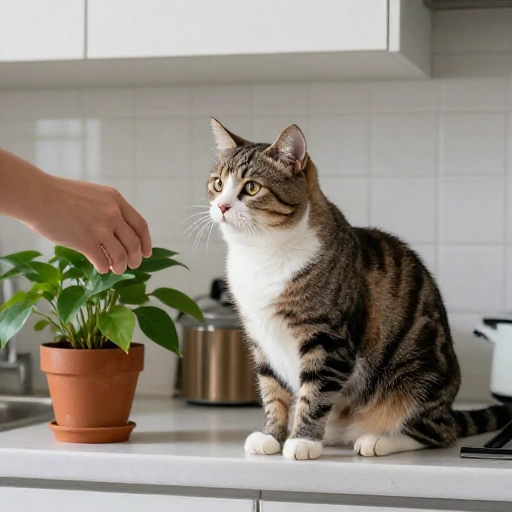
I catch my cat eyeing the houseplant and I don’t wait for her to bite it. I immediately make a gentle “pssst” sound and toss a toy in the other direction. She runs after the toy, and the plant is forgotten.
The key is to interrupt the thought before the action. If you wait until they’re already eating the plant, you’re too late. Redirecting early teaches them to check in with you before making a decision.
It’s like being a coach instead of a referee.
14. Use the Same Words Every Time
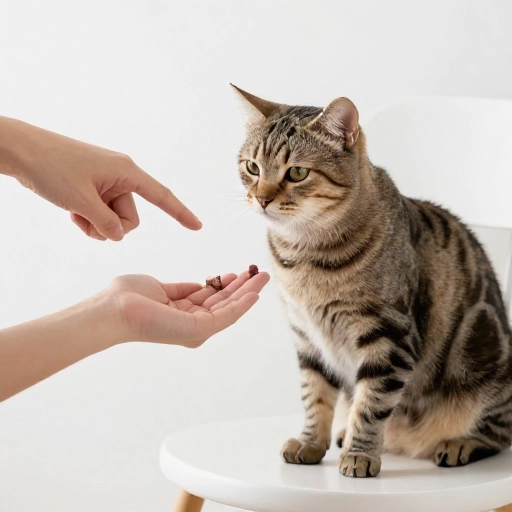
I used to say “down” when she jumped on the table, “off” when she jumped on the counter, and “get down” when she was on the shelf. She had no idea what I wanted. Now I use one word—“off”—for every surface I don’t want her on. I pair it with a hand signal (pointing down).
Within a few days, she understood. Consistency makes your cat’s brain light up. They learn so much faster when the rules don’t change.
Pick your words and stick to them like glue.
15. End Every Session on a Win
This is the golden rule. If your cat is struggling, go back to something she knows, like “sit.” Ask for it, reward her big, and then stop. Ending on a success makes her feel good about training and want to do it again tomorrow.
I used to push too hard and end with frustration. Now I always quit while we’re both happy. Over time, those tiny wins stack up into real obedience.
Your cat will start offering behaviors just to see you smile.
Conclusion
Training your cat to obey isn’t about domination. It’s about communication. Every time you teach a trick, you’re building a bridge between your world and theirs. My cat still has her sassy moments, but now I know how to guide her gently.
Start with one idea from this list. Maybe it’s the treat timer or the “sit” cue. Try it for a week and watch the magic happen. Your cat is smarter than you think—they just need the right invitation.
Frequently Asked Questions
Can cats really be trained like dogs?
Yes and no. Cats are motivated differently. They don’t want to please you the way dogs do. But they love food, play, and comfort. If you use those as rewards, you can teach them almost anything a dog can learn. It just takes a little more patience and creativity.
How long does it take to train a cat?
It depends on the cat and the behavior. A simple trick like “sit” can be learned in a day or two with short sessions. More complex behaviors like “stay” might take a few weeks. The key is consistency and never rushing. Every cat learns at their own pace.
What if my cat ignores treats?
Some cats are picky. Try different high-value foods like freeze-dried chicken, tuna flakes, or even a bit of cheese. If food doesn’t work, use a favorite toy or play session as the reward. You can also try petting or scratching their favorite spot if they’re social.
Is it too late to train an older cat?
Not at all. Older cats can learn new tricks. They might be slower to trust, but they’re often more focused and less distracted than kittens. Start with something easy and use lots of praise. My friend taught her 12-year-old cat to use a scratching post in just a few days.
What should I do if my cat gets aggressive during training?
Stop immediately. Never punish a cat for being scared or frustrated. If they hiss, swat, or run away, you’re pushing too hard. Take a break, then try a simpler step or a different reward. If aggression continues, talk to your vet—there might be pain or anxiety involved.