10 Soothing Dog Bee Sting Remedies You Can Make at Home

I’ll never forget the first time my dog, Scout, got stung by a bee. The sudden yelp, the frantic pawing at his snout—it was a scary few minutes. As a pet parent, seeing your furry friend in distress is heart-wrenching. The good news? Most bee stings are minor and you can provide immediate, effective relief right from your kitchen or medicine cabinet.
Knowing what to do in those first moments is key. It’s about staying calm, checking for severe reactions (like swelling around the throat or difficulty breathing, which needs an immediate vet visit), and then using gentle remedies to ease the pain and itch. These ten solutions are my go-to toolkit for when a curious nose meets a buzzing bee.
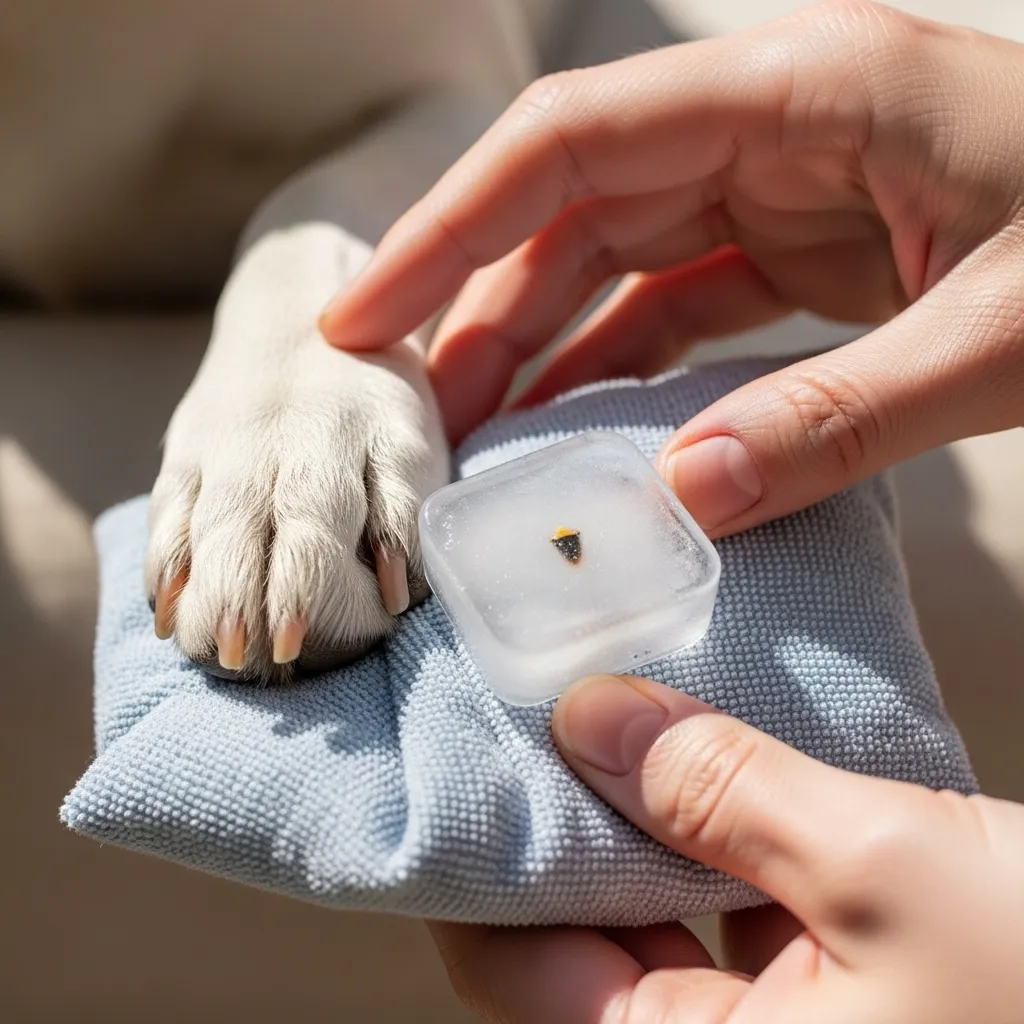
1. The Ice Pack First Response
This is always my first step after ensuring the stinger is out. Cold is fantastic for reducing swelling and numbing the pain almost instantly. It helps prevent the area from getting too inflamed and gives your pup some quick comfort.
- How to do it: Wrap an ice pack, a bag of frozen peas, or even a cold, wet washcloth in a thin towel. Never apply ice directly to the skin.
- Application: Gently hold it against the sting site for 5-10 minutes at a time, with breaks in between. I usually do this while giving Scout some calm pets to keep him still.
2. The Soothing Baking Soda Paste
A little baking soda from the pantry can work wonders. It’s a mild alkali that helps neutralize the acidic bee venom, which can take the fiery sting out of the wound.
I mix a small amount of baking soda with just enough water to create a thick paste. Then, I gently apply a dab directly onto the sting. I let it sit for about 10-15 minutes before wiping it away with a damp cloth. Scout always seems to settle down once this paste goes on.
3. Calming Oatmeal Compress
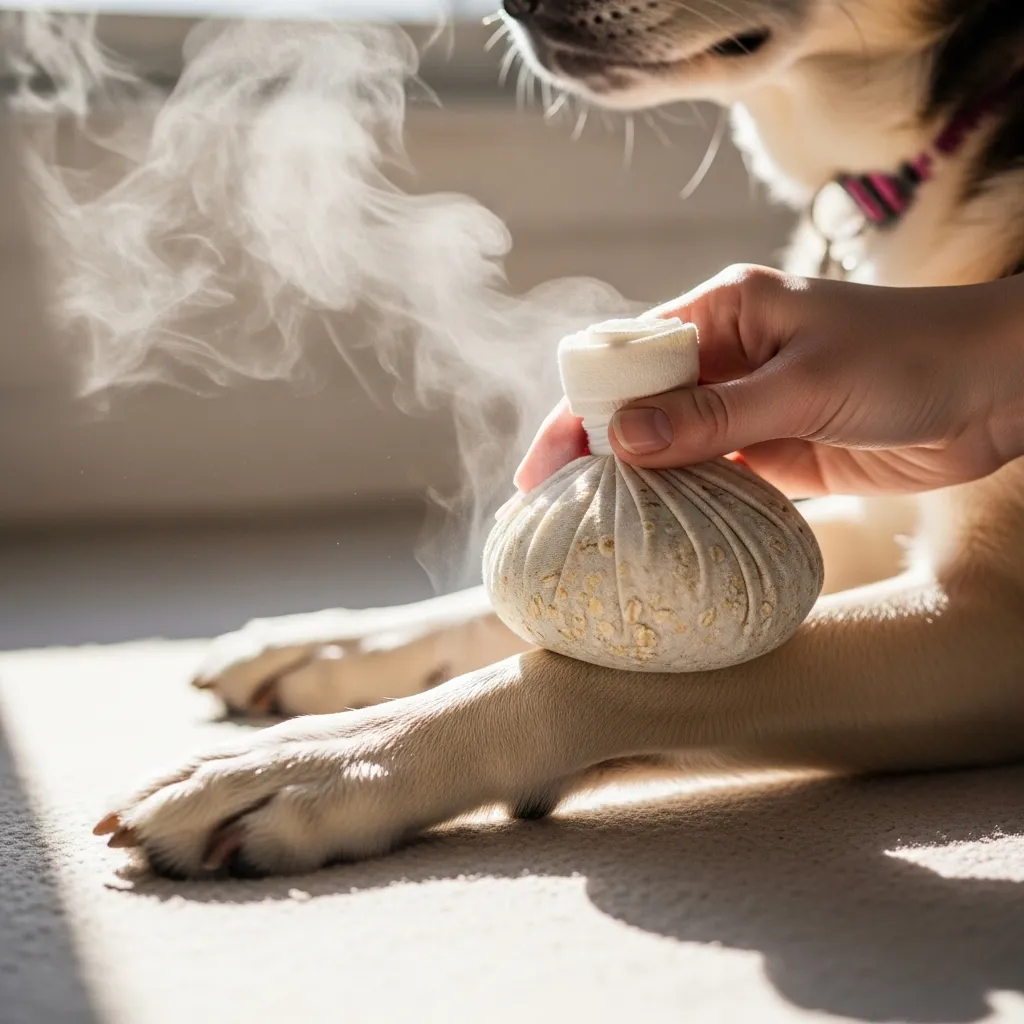
We know oatmeal is magic for itchy skin, and it works just as well for a bee sting! It has anti-inflammatory properties that soothe irritation and reduce the urge to scratch.
I grind plain, uncooked oatmeal into a fine powder using a blender or food processor. Then, I mix it with cool water to make a milky solution, soak a clean cloth in it, and wring it out. Holding this cool, oatmeal-soaked cloth on the sting for several minutes is incredibly soothing.
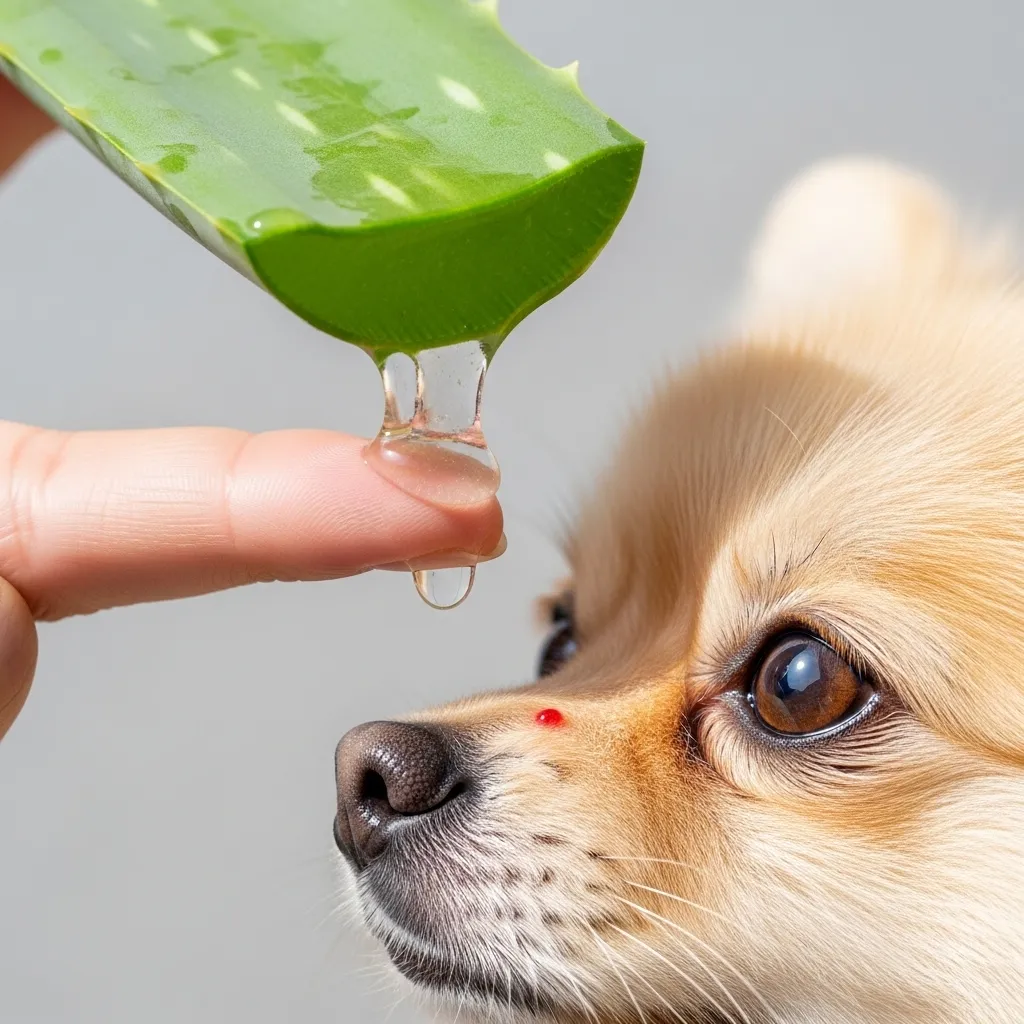
4. Gentle Aloe Vera Gel
Pure aloe vera is a staple in my home for minor burns and scrapes, and it’s perfect for bee stings too. Its cooling gel provides immediate relief, and its natural compounds help with healing.
Important: I only use 100% pure aloe vera gel, straight from the plant if possible. I avoid store-bought gels with added alcohol or fragrances, as these can irritate. A small amount smoothed over the area does the trick.
5. The Power of Plain Yogurt
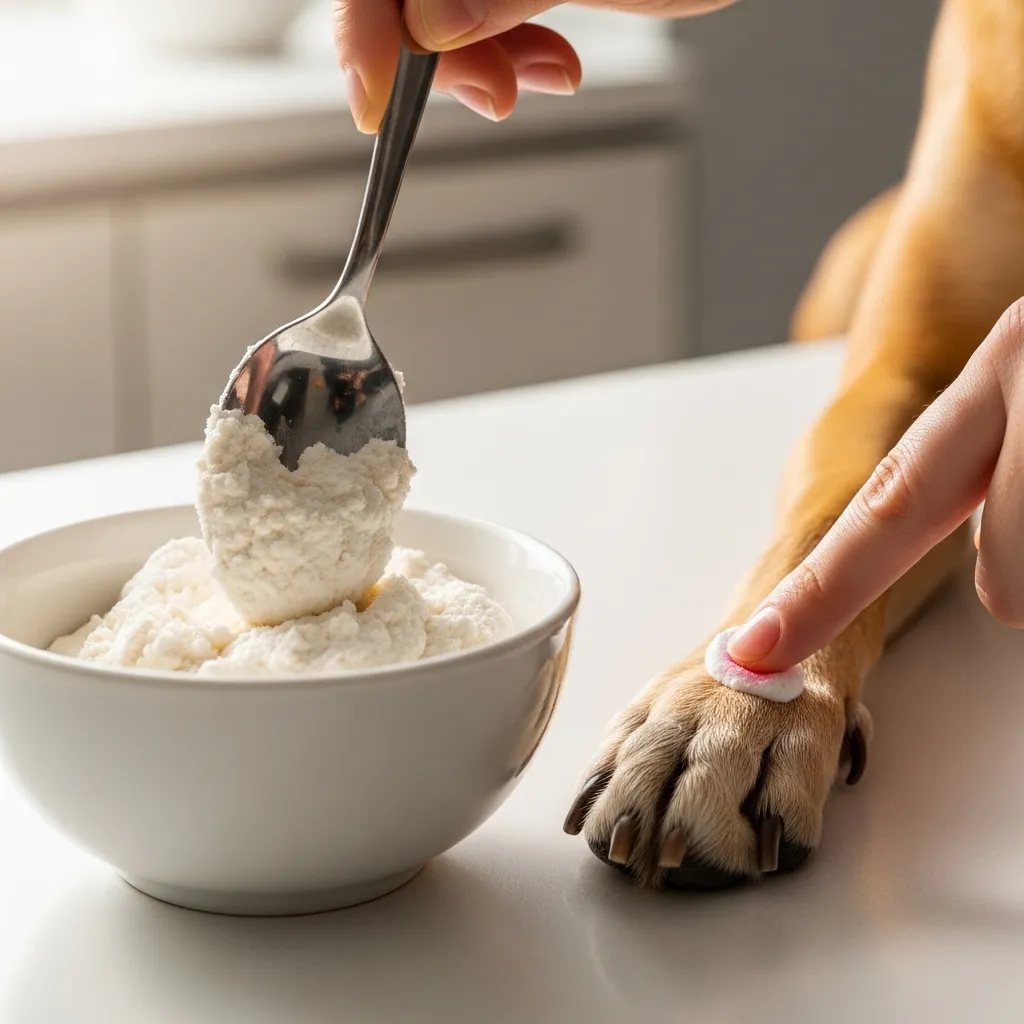
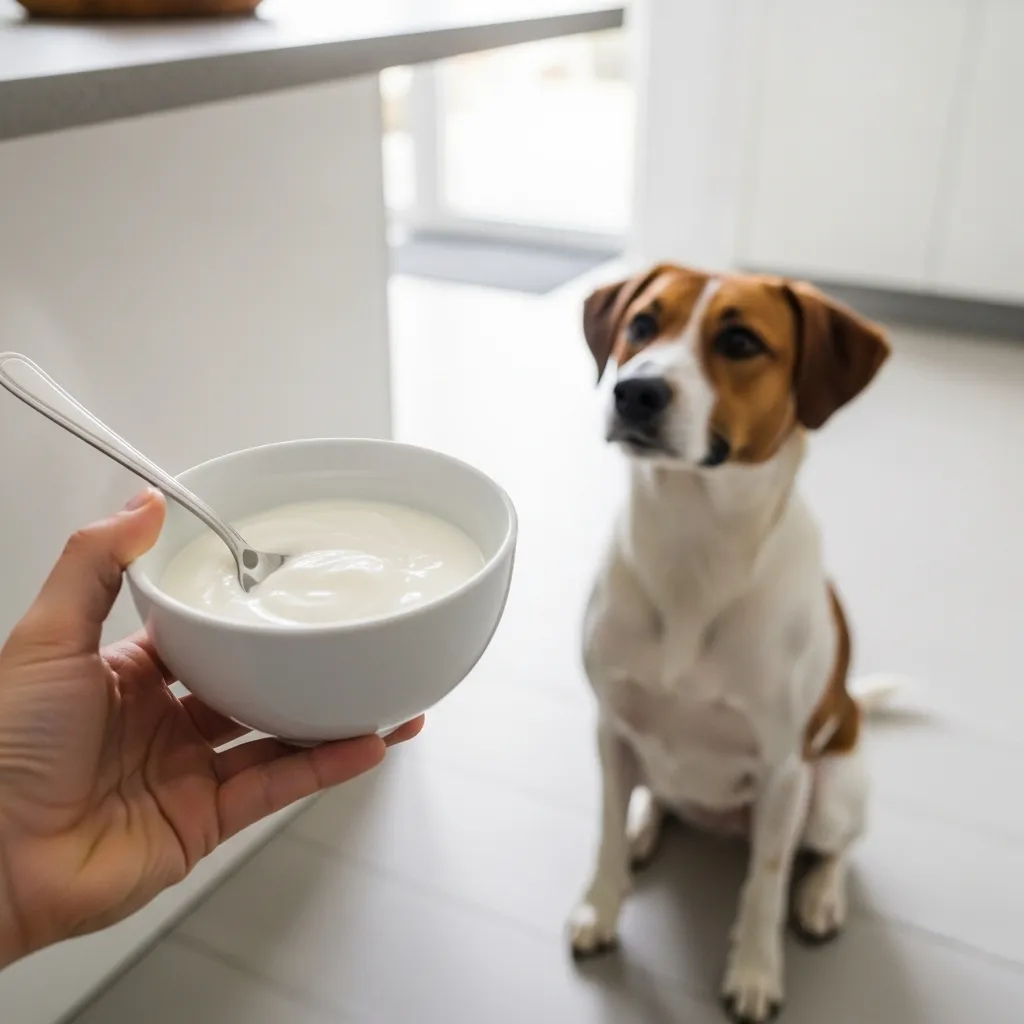
This one might sound surprising, but plain, unsweetened yogurt is a fantastic cooling agent. The live cultures and cool temperature can help draw out heat and soothe the inflamed skin.
I take a spoonful of cold yogurt from the fridge and dab it right onto the sting. It feels good immediately. Just be sure your dog doesn’t lick it all off right away—I usually distract him with a gentle massage elsewhere for a few minutes!
6. Diluted Apple Cider Vinegar Rinse
Apple cider vinegar can help balance the skin’s pH and has mild antiseptic qualities. The key is to dilute it properly so it doesn’t sting.
My mix is one part raw, unfiltered apple cider vinegar to two parts cool water. I soak a cotton ball in the solution and gently dab it onto the sting site. It can help neutralize the venom and prevent infection.
7. Soothing Chamomile Tea Bag
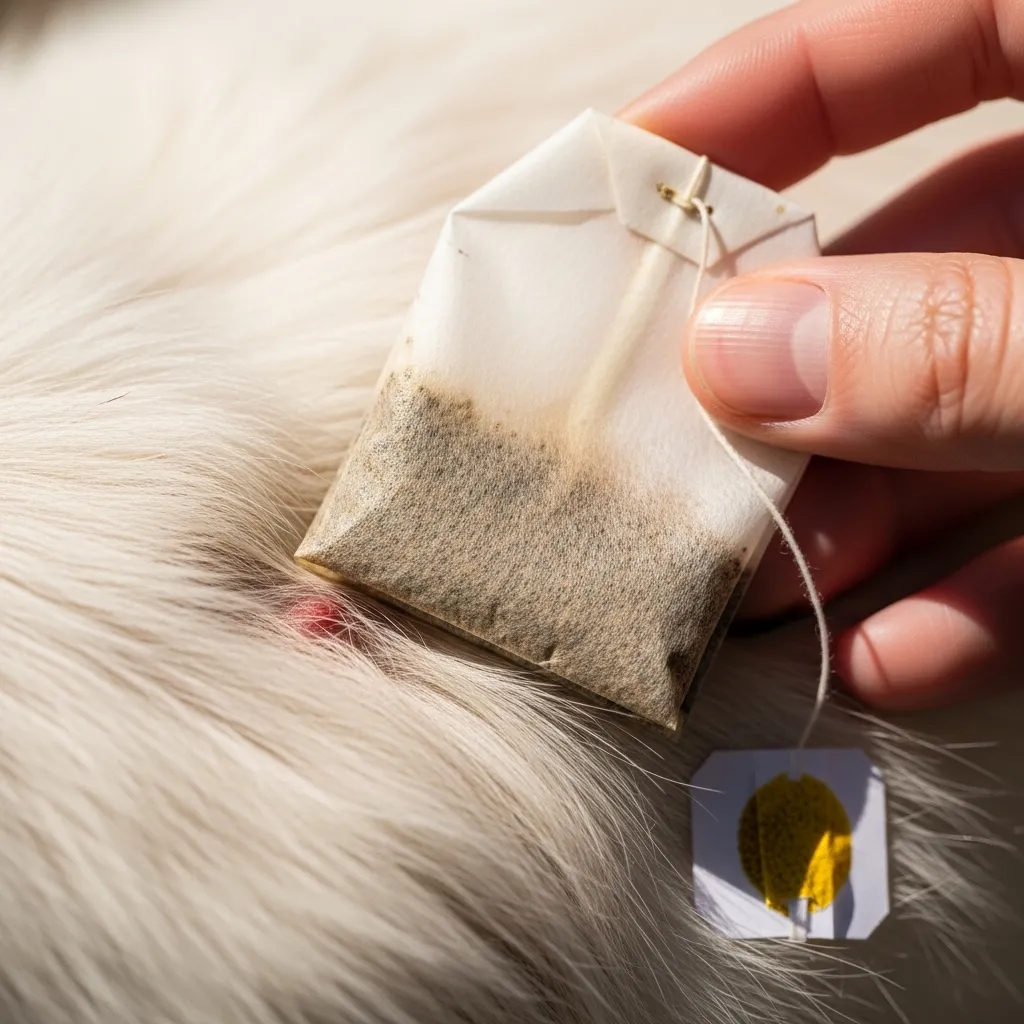
A simple chamomile tea bag from your cupboard is a hidden gem. Chamomile is naturally anti-inflammatory and calming, perfect for a stressed pup.
I steep a tea bag in hot water for a minute, then let it cool completely in the refrigerator. Once it’s cold, I gently press the damp tea bag against the sting. The chill and the chamomile work together beautifully.
8. A Honey of a Remedy
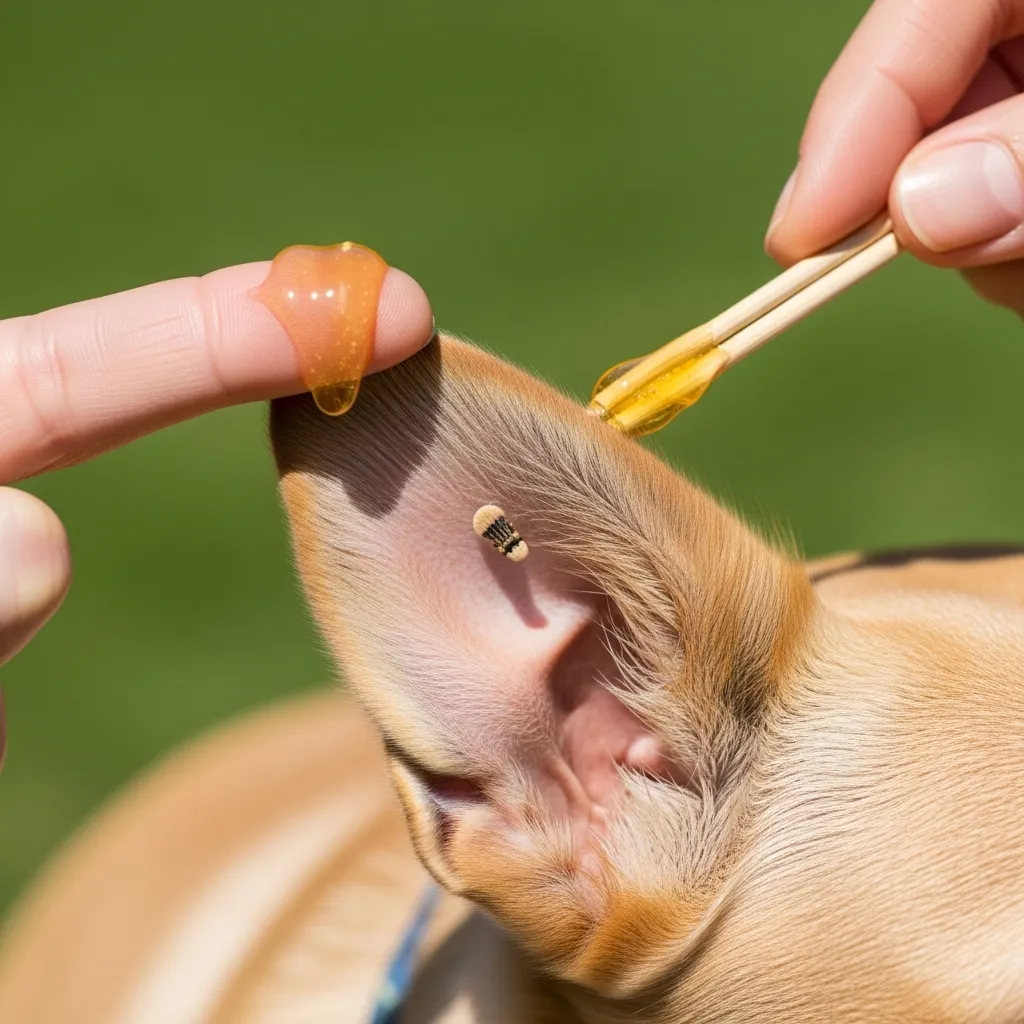
It seems ironic, but a tiny dab of raw, local honey can help! Honey has natural antibacterial and anti-inflammatory properties. It can promote healing once the initial swelling has gone down.
I use just a smear—the size of a pinhead—on the site. I only do this if the sting isn’t near the mouth (to avoid licking) and after the acute reaction has passed. It’s a sweet little finishing touch for healing.
9. The Trusty Cold Spoon
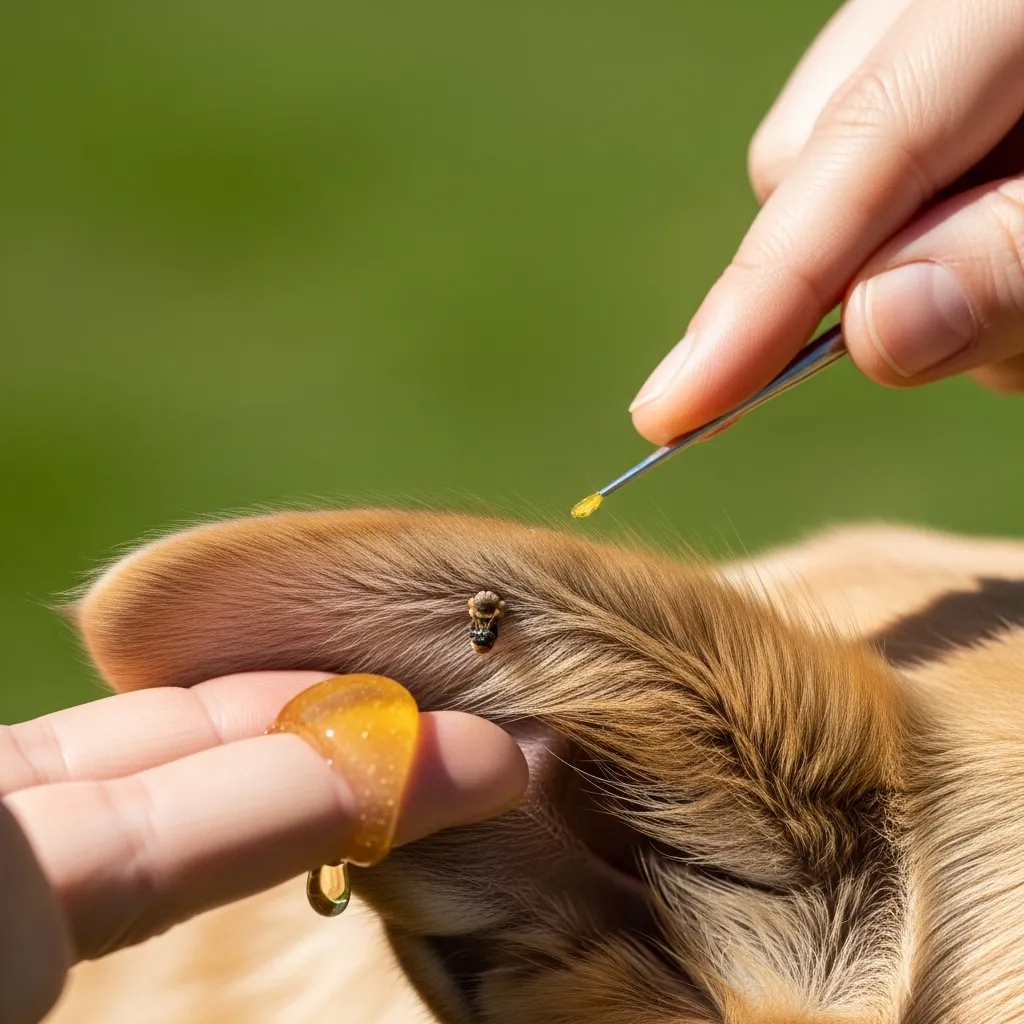
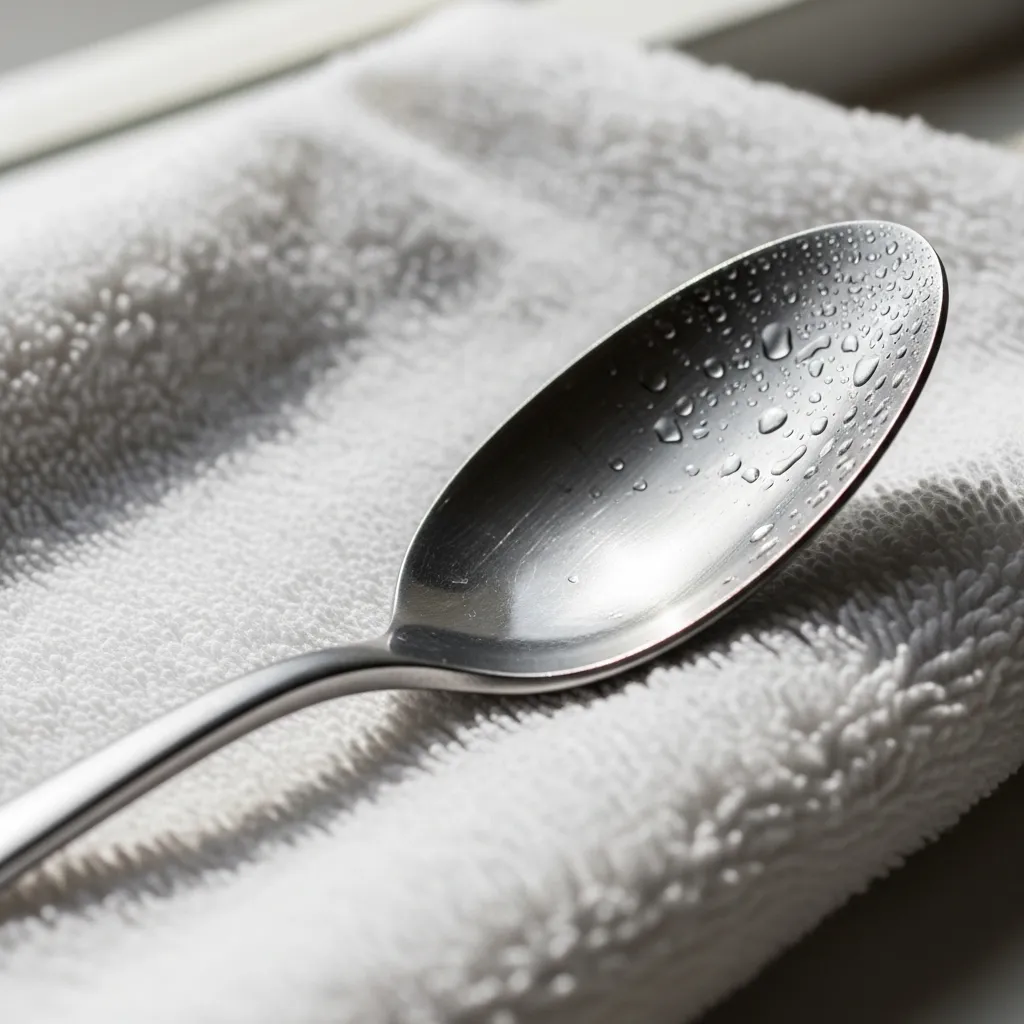
This is the ultimate quick fix when you have nothing else prepared. A simple metal spoon from your drawer conducts cold very effectively.
I run a spoon under very cold tap water for a minute, or pop it in the freezer for 5-10 minutes. Then, I gently press the rounded back of the spoon against the sting. The smooth, cold metal is surprisingly effective for quick, targeted relief.
10. Keep Them Calm & Contained
This isn’t a physical remedy, but it’s perhaps the most important. An anxious dog will scratch and bite at the sting, making it much worse. Keeping them calm is crucial for healing.
After I apply a remedy, I give my dog a quiet place to rest, away from excitement. Sometimes, a favorite chew toy or a long, calm petting session is the best medicine of all to prevent them from aggravating the spot.
Conclusion & When to See the Vet
Having these simple remedies on hand turns a panic moment into a manageable one. Remember, these are for minor, localized reactions. Your vigilance is the most important tool.
Seek emergency veterinary care immediately if you see signs of a severe allergic reaction: excessive swelling around the face or throat, hives, difficulty breathing, vomiting, collapse, or extreme lethargy. It’s always better to be safe. For everyday stings, a little knowledge and a calm approach will have your best friend feeling better in no time.
Quick Bee Sting FAQ
Q: How do I safely remove the stinger?
A> Use a flat, rigid object like a credit card to gently scrape it out. Avoid using tweezers, as squeezing can inject more venom.
Q: Can I give my dog Benadryl for a bee sting?
A> You should only give medication like Benadryl (diphenhydramine) under direct guidance from your vet, who can provide the correct dosage for your dog’s weight.
Q: What does a normal reaction look like?
A> Normal: localized swelling, redness, pain, and some itching at the sting site. It should start to improve within a few hours.
Q: Are some dogs more at risk?
A> Yes. Dogs stung in the mouth/throat or those with a known allergy are at higher risk. Small dogs can also react more strongly to the same amount of venom.
Q: How can I prevent bee stings?
A> Keep an eye on your dog in flowering gardens, don’t leave sweet drinks/food unattended outside, and train a solid “leave it” command for buzzing insects.