What You Need to Know About the 14 Dog Grooming Business Trends Everyone’s Talking About
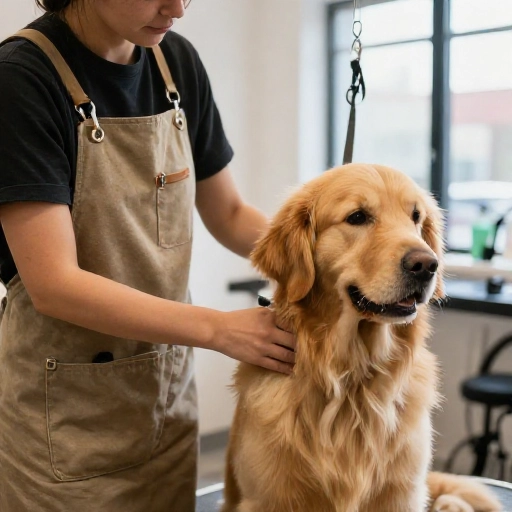
I’ve spent years washing, clipping, and calming wiggly dogs, and I can tell you this: the grooming world moves fast. What worked for my clients three years ago isn’t what fills my calendar today. Pet parents expect more, dogs get treated better, and the tools I use look nothing like the ones I started with.
So I put together the trends I keep seeing in my own salon and hear about from groomer friends across the country. Some are big shifts, some are small tweaks, but all of them are worth knowing if you’re running a grooming business or thinking about starting one.
Grab a coffee and skim through. Pick the two or three that fit your setup, try them for a month, then come back for more. That’s how I’ve grown without burning out.
1. Mobile Grooming Keeps Winning
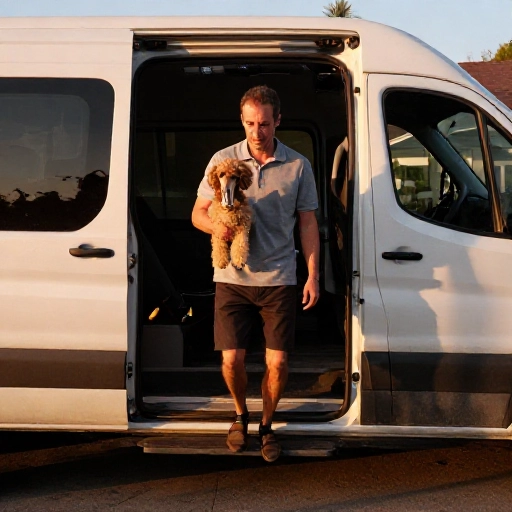
Vans are everywhere now, and honestly, I get it. Dogs that hate the salon do great in a quiet van parked outside their own house. No car ride anxiety, no kennel time, no waiting around with strangers barking.
For owners, it’s one less errand. For groomers, it’s a smaller client list with higher ticket averages because you’re selling convenience.
The catch? You need water, power, and a vehicle that doesn’t break down mid-shift. If you’re testing the idea, rent a van for a month before you buy. It’s cheaper than learning the hard way.
2. The Doodle Boom Isn’t Slowing Down
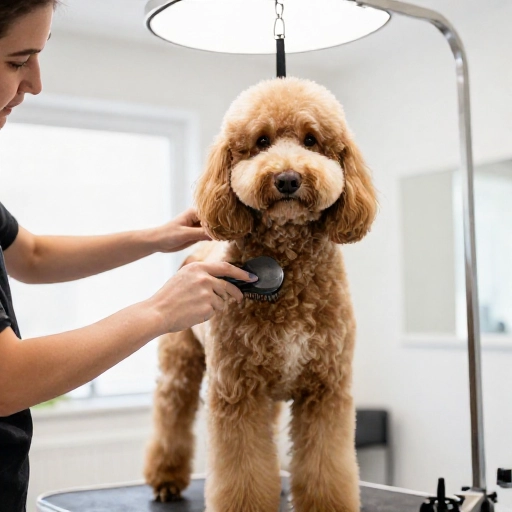
Poodles crossed with everything means coats that mat if you look at them wrong. Doodle owners are willing to pay, but they also need a lot of education.
I now ask new doodle clients three questions before booking: how often do you brush, what brush do you use, and can you get a comb through the coat right now? That last one saves me hours.
Build your schedule with extra time for these coats. A doodle is not a 45-minute job, and pretending otherwise leads to stressed dogs and unhappy owners.
3. Fear-Free Handling Is the New Baseline
Slamming a dog into a noose and hoping for the best is over. Pet parents research this stuff, and they ask hard questions about how you handle nervous dogs.
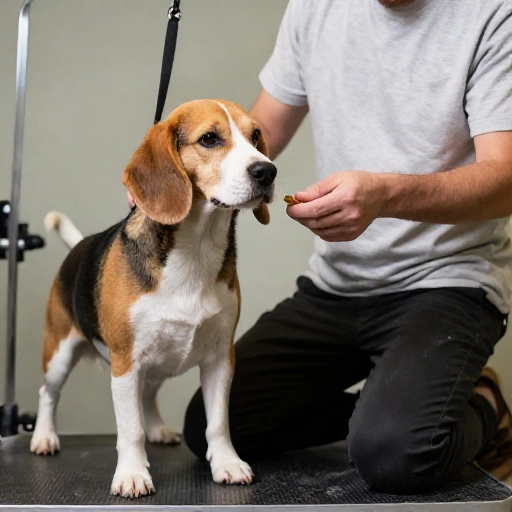
Slow introductions, treats, happy-voice work, and letting a dog stand instead of hanging. I keep a lick mat with peanut butter for the really worried ones and it changes everything.
Put “fear-free” or “low-stress” right in your bio. It’s not just kind, it’s a marketing advantage.
4. Subscription Grooming Plans Are Hot
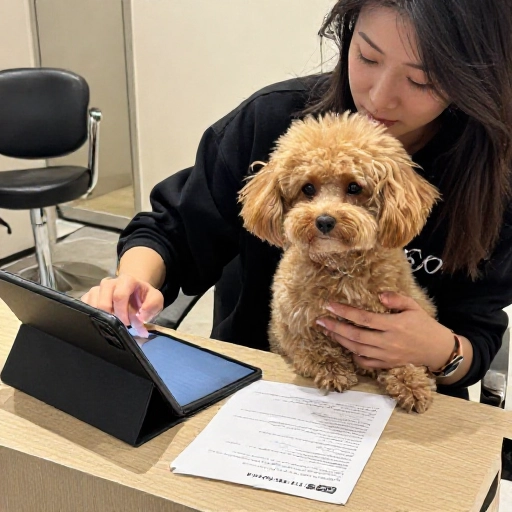
Instead of hoping clients rebook, I offer a monthly or every-six-weeks plan. One flat price, automatic scheduling, priority slots.
My no-show rate dropped, and my income got predictable. Clients love it because they stop forgetting to book before the matting starts.
Keep the plan simple. One or two options, clear cancel rules, done. Complicated tiers confuse people and create admin mess.
5. Natural and Eco-Friendly Products Sell
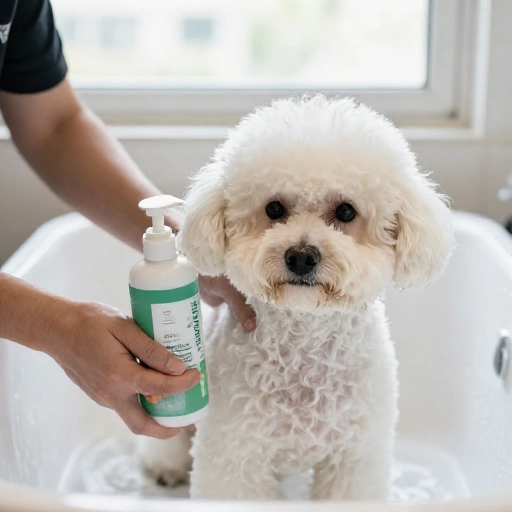
Owners read labels now. They want tear-free, sulfate-free, gentle-on-skin stuff, and they ask me what I use on their dog.
I switched to a softer shampoo line and started mentioning it during drop-off. A few clients even bought bottles from my shelf to use between visits.
You don’t have to overhaul everything at once. Swap one product at a time and see how coats and skin react.
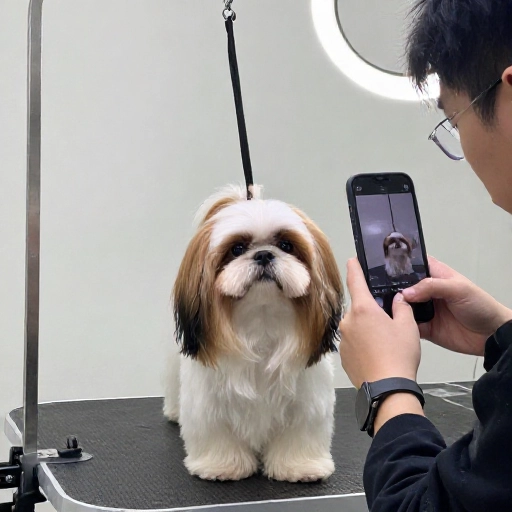
6. Before-and-After Photos Do Your Marketing
A matted-to-fluffy transformation stops a scroll faster than any ad. I post a before-and-after three times a week and it’s the number one source of new clients.
Shoot in the same spot every time for a consistent look. Natural light near a window beats a flash any day.
Don’t forget short video. Ten seconds of a shaky little chihuahua getting a bath gets way more views than a perfect still photo.
7. Online Booking and Text Reminders
Nobody wants to play phone tag. I added online booking, and now half my appointments come in while I’m mid-blow-dry.
Automated text reminders cut my no-shows dramatically. A friendly “see you tomorrow at 10, reply C to confirm” does more than three calls ever did.
Put your booking link in your Instagram bio, your Google profile, and your voicemail greeting.
8. Transparent Pricing Wins Trust
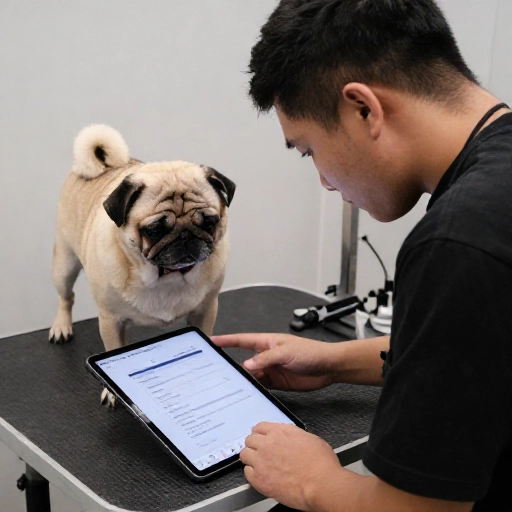
I used to quote “starting at” prices and then surprise people with add-ons. Bad move. Now I give a range up front and explain what changes it.
Matted coats, behavior, and size all affect time, so I say that out loud. Most owners respect it and stop haggling.
If you can, offer a quick photo estimate. Send three shots of your dog’s coat and get a real number before you drive over.
9. Senior and Special-Needs Dogs Need Their Own Slot
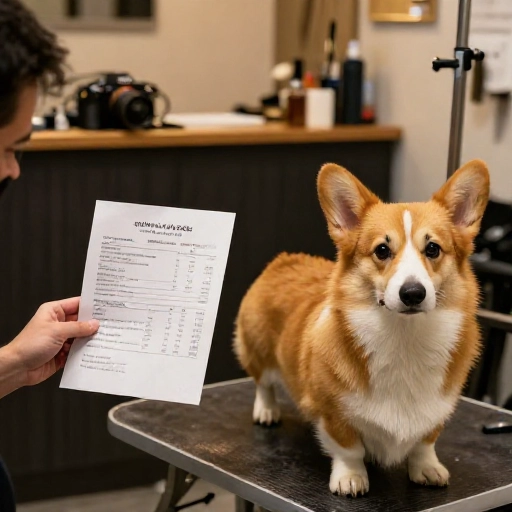
Older dogs can’t stand for an hour. Arthritic hips, heart conditions, blindness, and anxiety all change how I groom.
I book these pups as the last appointment of the day so we can go slow without a clock breathing down our necks.
Support them with non-slip mats, shorter sessions, and breaks. Word spreads fast among senior dog groups, and those owners are fiercely loyal.
10. Add-Ons Are Where the Profit Lives
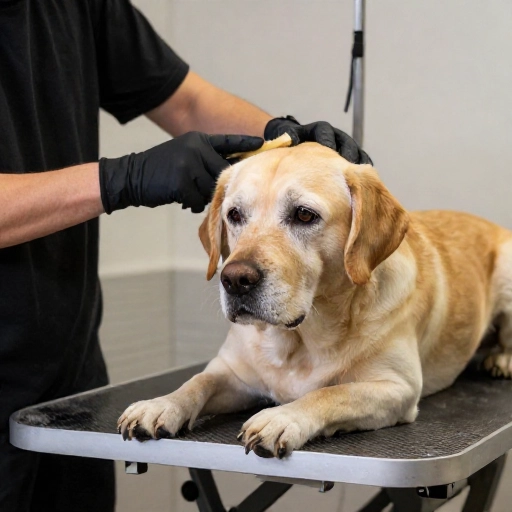
A basic bath and trim is the entry point. De-shedding treatments, paw balm, blueberry facials, and tooth brushing are what actually move the needle.
I offer three add-ons at booking and mention one more at drop-off. Not a hard sell, just a question: “Want me to add a nail grind while she’s here?”
It’s easier for the owner and better for the dog. Win-win, and my average ticket went up without working longer days.
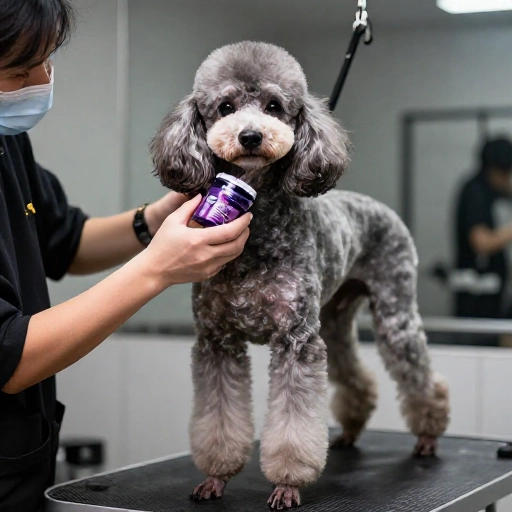
11. Grooming Doubles as a Health Check
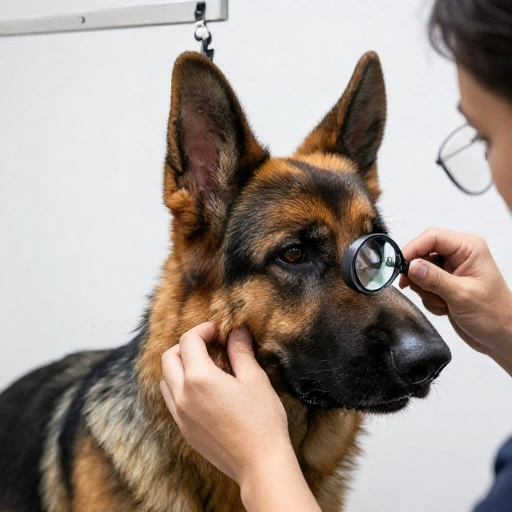
I’m hands-on with a dog for an hour, so I notice things a vet might not catch for months. New lumps, ear infections, hot spots, sudden weight loss.
I keep a simple note system and tell owners exactly what I saw and where. Most of them are grateful, and a few have caught problems early.
Never diagnose. Just describe it clearly and suggest they mention it at their next vet visit.
12. The Groomer Shortage Is Real
Good groomers are hard to find, and clients are booking weeks out because of it. If you own a shop, hiring is your biggest bottleneck.
I’ve had luck training apprentices who already love dogs. They learn on calm regulars while I handle the tricky coats.
Treat your team well. Fair pay, real breaks, and no brutal schedules. Retention beats recruiting every single time.
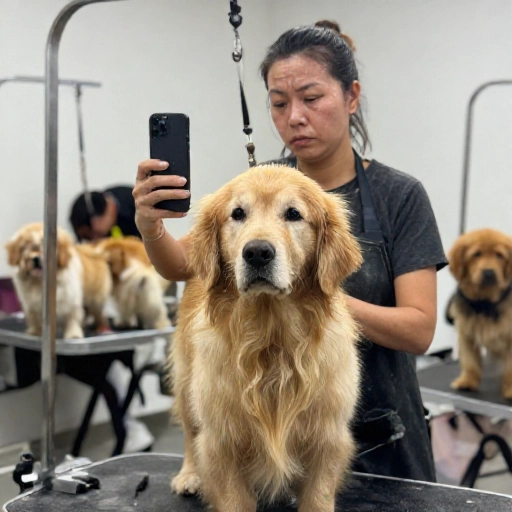
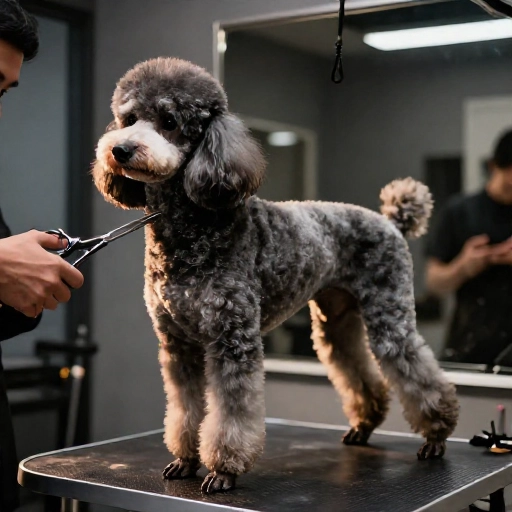
13. Creative and Breed-Specific Styling Is Back
Owners want personality. A poodle with a clean face and fluffy topknot, a schnauzer with a proper beard, a terrier with hand-stripped texture.
I also get requests for dyed ears and little heart shapes. It’s fun, it photographs beautifully, and it’s a premium service.
Make sure you explain the maintenance. Cute color fades, and that topknot needs brushing every day.
14. Retail at Pickup Is Quietly Booming
I used to send dogs home with nothing but a cute bandana. Now I hand over the exact brush I used and a small bottle of the shampoo.
It’s a low-effort upsell that genuinely helps clients keep the coat in shape between visits. Better coats mean easier grooms for me.
Keep a small shelf near checkout. Three or four products you actually believe in beat a wall of random stuff nobody buys.
Wrapping It Up
The big takeaway? Dog grooming is turning into a real service industry with real expectations. Convenience, kindness, transparency, and a little personality go a long way.
Don’t try to chase all fourteen at once. Pick one trend that fits your business this month, test it on ten clients, and keep what works. That’s how I’ve grown, one small change at a time.
FAQ
Is mobile dog grooming actually profitable?
Yes, if your route is tight and your prices reflect the convenience. Fuel, maintenance, and setup time eat into margins, so plan your stops by neighborhood and don’t drive across town for one bath.
Do I really need to offer fear-free grooming?
You don’t have to use the label, but the slow, gentle approach itself is non-negotiable in my book. Nervous dogs behave better when they aren’t rushed, and calmer dogs mean fewer injuries for everyone.
How do I price a matted doodle?
Charge by time and condition, not by breed. Tell the owner upfront that matting may mean a shorter clip, and get their okay before you start. Photos before and after protect you if anything is questioned.
What’s the easiest marketing win for a new groomer?
Before-and-after photos. Post consistently, keep your lighting the same, and add a short clip now and then. It costs nothing and it shows your work better than any caption.
Should I hire an apprentice or an experienced groomer?
Both, if you can. Experienced hands get you through busy seasons fast, while apprentices grow into your style and stay longer. Just make sure whoever trains them has real time carved out for it.