How to Stop a Dog Pulling in Minutes
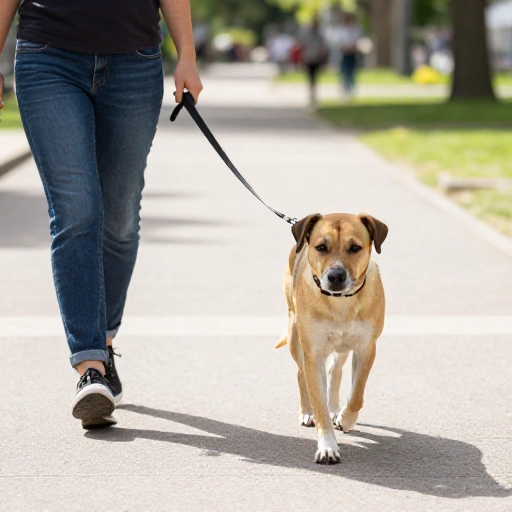
I remember the first time my puppy yanked me halfway down the block. My shoulder ached, my patience was gone, and I felt like I was training a sled dog, not a family pet. If you are reading this, you probably know the feeling all too well. The good news? You do not need weeks of boot camp to see a change. With the right tricks, you can start fixing pulling in just a few minutes.
Pulling is not a sign of a bad dog. It is usually a sign of a dog that is excited, curious, or just not sure what else to do. The trick is to make walking calmly the most rewarding option for them. These methods are simple, gentle, and designed to work fast. Let us get your walks back under control.
1. The Stop and Stand Still Method
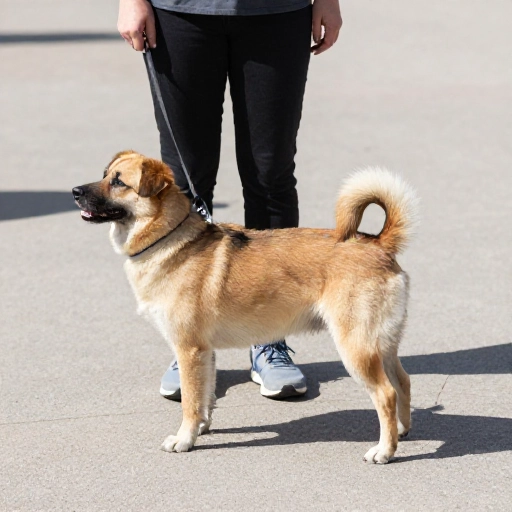
This is my go-to move when I feel tension on the leash. The moment your dog starts to pull, stop moving completely. Do not say a word. Just plant your feet like a tree.
Your dog will look back at you wondering why you stopped. The second the leash goes slack, even for a split second, start walking again. Repeat every single time they pull. It teaches them that pulling makes the fun stop.
You might only move ten feet in five minutes at first. That is totally fine. Your dog is learning fast.
2. Change Direction Like a Dance Partner
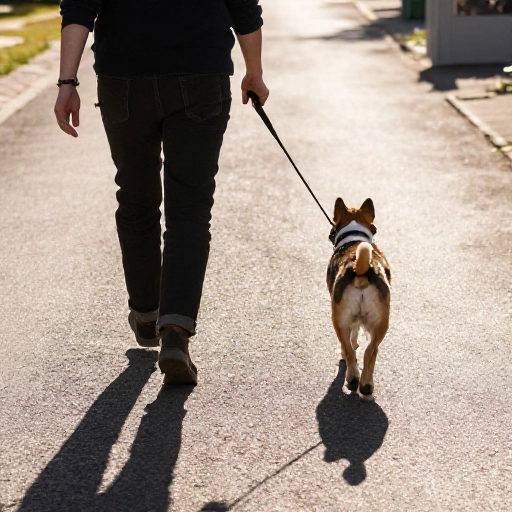
When your dog forges ahead, turn around and walk the other way. Do not jerk the leash. Just make a crisp, cheerful turn. Call their name as you turn to keep them focused on you.
Every time they pull, you change direction. Your dog will have to keep an eye on you to know where you are going. It breaks their forward drive and puts you in charge of the path.
This works wonders because it turns walking into a game. Plus, it is a great way to get some extra steps in for yourself.
3. Use High-Value Treats as a Target
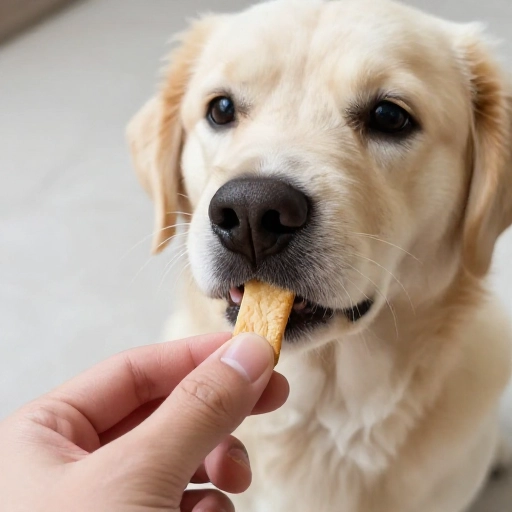
Hold a small, smelly treat right at your dog’s nose level, right next to your leg. Walk forward slowly. Keep the treat there like a little magnet. Your dog will walk right beside you to stay near the smell.
After a few steps, give them the treat. Then bring out another one and keep going. You are basically bribing them, and that is perfectly okay for a quick fix. We are building a new habit.
Use tiny, soft treats so they can chew fast and stay focused. Do not use crunchy biscuits that take forever to eat.
4. The “Let’s Go” Cue
Pick a fun, upbeat phrase like “Let’s go” or “This way.” Say it right before you move. Pair it with a gentle pat on your thigh. Your dog will start to associate that sound with moving forward together.
Practice this inside your house first. Walk a few steps, say your cue, and reward. Then take it outside. When they hear that word, they will look to you for direction instead of charging ahead.
Keep your voice happy. If you sound annoyed, they will think something is wrong. We want them to think this is the best game ever.
5. Stop Before the Trigger
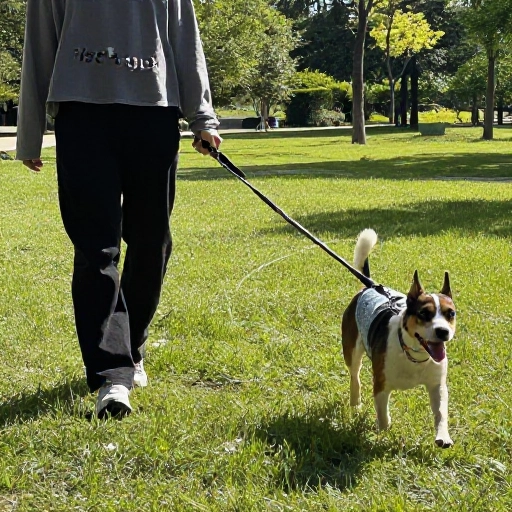
If your dog pulls toward other dogs, squirrels, or interesting smells, you need to see it coming. Watch their body language. Ears up, tail stiff, eyes locked. That is the moment to stop walking.
Do not wait for them to pull. Stop before the tension hits. Ask for a simple sit or just wait until they look at you. The second they check in with you, reward and move forward calmly.
This short circuits the pulling before it even starts. It is like hitting a reset button on their excitement.
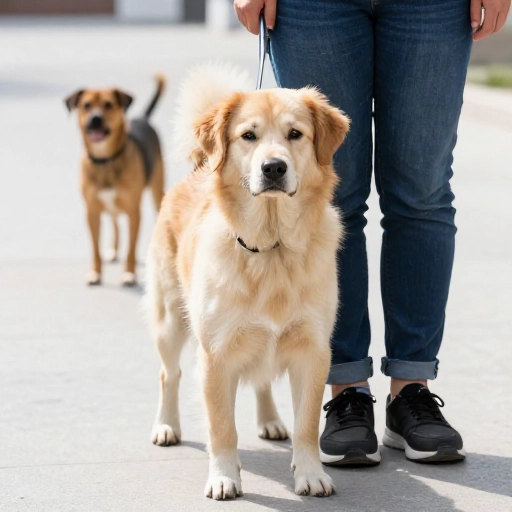
6. Use a Front-Clip Harness for Quick Physics
A front-clip harness is not a training method, but it helps instantly. The leash clips to a ring on the dog’s chest, not their back. When they pull, the harness gently turns them sideways toward you.
This makes it physically hard for them to keep pulling straight. It also gives you more control without needing to yank or choke. Many dogs improve within minutes of switching to one.
Go for a well-fitted harness. A loose one can rub and cause discomfort. Check the fit before you head out.
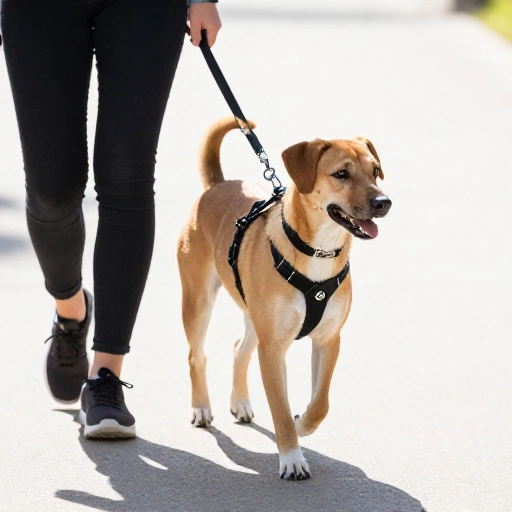
7. Reward Every Loose Leash Second
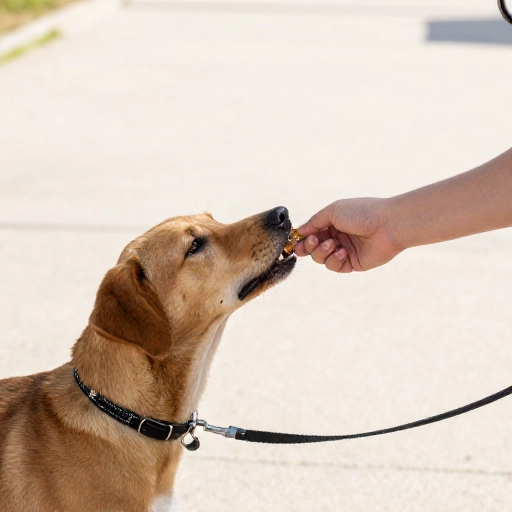
Most people only react when the dog pulls. Flip that around. Reward them when the leash is slack. If your dog walks nicely for just three steps, pop a treat in their mouth.
If they look back at you, reward that too. You want them to think, “Staying close to my human equals good things.” The more you reward loose leash, the more you will see it.
Keep a treat pouch handy. Fumbling in your pocket takes too long and breaks the moment. Be quick and generous.
8. Practice in a Boring Place First
Do not start training in a busy park or on a street full of distractions. Begin in your living room, then your hallway, then your backyard. Your dog needs to learn the skill in a quiet space first.
Once they can walk nicely indoors, move to the front sidewalk. Then try a quiet street. Slowly add more exciting environments. This builds their confidence and your trust.
Rushing into a high-distraction zone sets both of you up for frustration. Slow and steady wins this race.
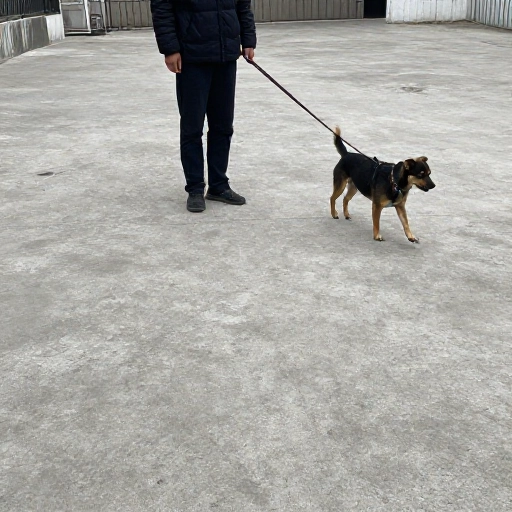
9. Use Your Body as a Gentle Block
Before your dog even starts to pull, step slightly in front of them. Position your body so they cannot easily surge ahead. You are not using force, just your presence.
If they try to dart left, shift your foot to block that path. If they try right, move your leg. It is like a slow, gentle dance. It reminds them you are there and you are leading.
This works great for dogs who are easily distracted by movement. Your body becomes a calm, steady guide.
10. End Each Walk on a Good Note
Do not drag an exhausted, frustrated dog home. End your walk while they are still doing well. Even if it is just five minutes of good walking, stop there. Give them a happy release word like “Free” and let them sniff a patch of grass.
If you keep walking until they start pulling again, you are practicing pulling. End on success. They will remember that walks end with treats and freedom, not tension.
Short, positive walks build momentum. Over a few days, those five minutes will turn into twenty.
Conclusion
You do not need months of training to see a difference. These tricks work because they change your dog’s focus from the world ahead to you. The key is consistency. Pick one or two methods and stick with them for a few days. Your dog will catch on faster than you think.
Be patient with yourself and your pup. Every walk is a chance to practice. Before you know it, you will be the person with the calm, happy dog who walks right by your side. That is a feeling worth working for.
[[IMG:IMG12]]
Frequently Asked Questions
Is it okay to use a retractable leash for a pulling dog?
Retractable leashes often make pulling worse because they keep constant tension. A standard 4-6 foot leash gives you much better control and makes training easier.
How long will it take to stop pulling?
Many dogs show improvement in a single walk if you use the stop-and-stand method or direction changes. Full consistency usually takes a week or two of daily practice.
Will a head halter stop pulling immediately?
A head halter can reduce pulling quickly because it controls the dog’s head. However, some dogs need time to get used to wearing it. Introduce it slowly with treats.
What if my dog is too excited to focus on treats?
Use higher value treats like chicken or cheese. If they still ignore you, try practicing in a quieter space first. Excitement drops when there are fewer distractions.
Can I stop pulling without treats?
Yes. The stop-and-stand method and changing direction work without food. You can also use a favorite toy or praise as a reward. Treats just speed up the process.